Why You Shiver in a Cold Plunge and How to Manage It Safely
Home / News / Why You Shiver in a Cold Plunge and How to Manage It Safely
September 25, 2026
Cold plunge shivering catches most beginners off guard. You expect the cold, but the uncontrollable shaking afterward feels like something went wrong. It didn’t. Shivering is your body’s oldest survival trick, and understanding why it happens changes how you approach every cold immersion session that follows.
What Causes Shivering During and After a Cold Plunge
Your body treats cold water as a threat to core temperature, not a training stimulus. Skin receptors detect the drop within seconds and send signals straight to the hypothalamus, the brain’s thermostat.
Muscles respond by contracting rapidly and involuntarily. This generates heat through friction, a process called thermogenesis. It’s the same mechanism that makes you shiver walking to your car in winter, just amplified by full-body submersion.
Shivering often peaks not during the plunge itself but minutes after you step out. Blood that pooled near your core during immersion starts redistributing to the skin and extremities, and that shift can trigger a second wave of shaking known as the afterdrop.
Is Shivering a Sign of Danger or Just Discomfort
Mild to moderate shivering is a normal physiological response, not an injury signal. It means your thermoregulation system is functioning correctly and working to protect vital organs.
The distinction matters between manageable shivering and early hypothermia. Watch for these warning signs that suggest you should exit and rewarm immediately:
Shivering that becomes violent or uncontrollable rather than rhythmic
Slurred speech, confusion, or difficulty forming sentences
Numbness that doesn’t fade within a few minutes of exiting
Blue-tinged lips or fingertips
If none of these appear, the shaking is simply your body doing its job. Most people find it subsides within 10 to 20 minutes once they towel off and dress in dry layers.
How Water Temperature Changes the Shivering Response
Temperature ranges have a direct relationship with how intensely and how quickly shivering sets in. Below is a general breakdown many cold therapy practitioners reference when planning session intensity.
Water Temperature
Typical Shivering Onset
Common Use Case
59–68°F (15–20°C)
Delayed, mild
Beginners, daily recovery
50–59°F (10–15°C)
Within 1–3 minutes
Post-workout recovery
Below 50°F (10°C)
Rapid, more intense
Experienced users, short sessions
Colder is not automatically better. Athletes chasing recovery benefits often get more consistent results from a moderate range held for a longer duration than from an extreme temperature that forces them out after 30 seconds.
Why the Right Equipment Reduces Unnecessary Shock
A poorly regulated tub swings in temperature between sessions, which makes the shivering response unpredictable and harder to prepare for mentally. Consistency is what allows your body to adapt over repeated sessions.
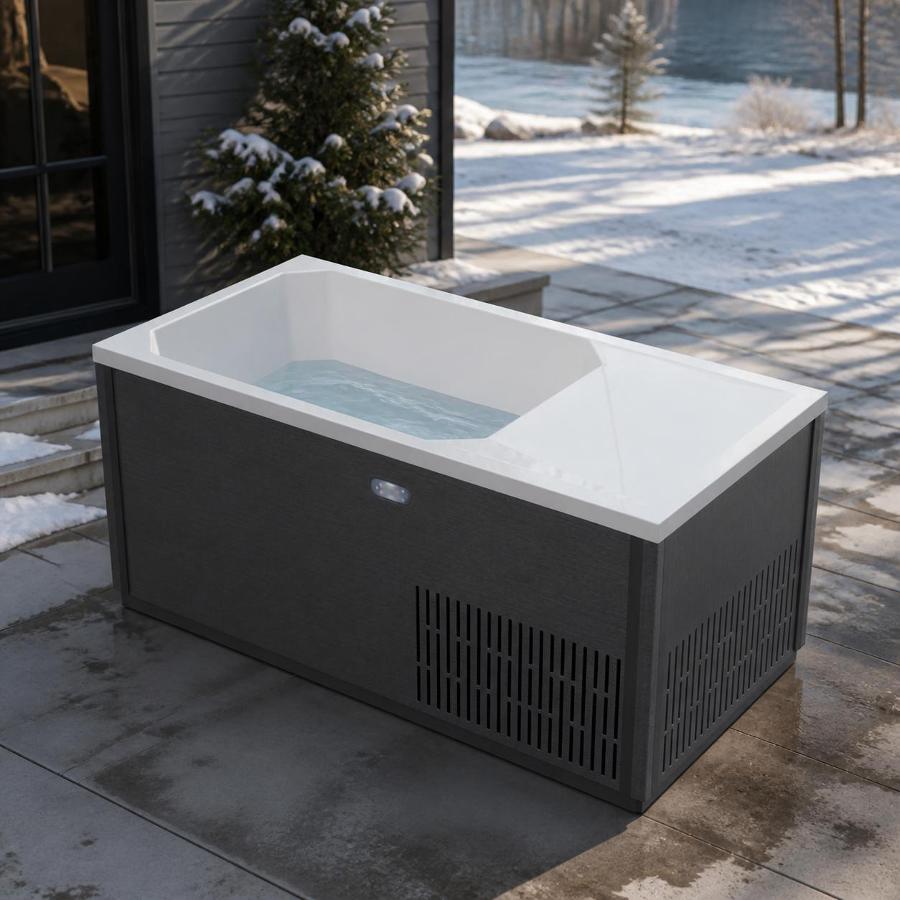
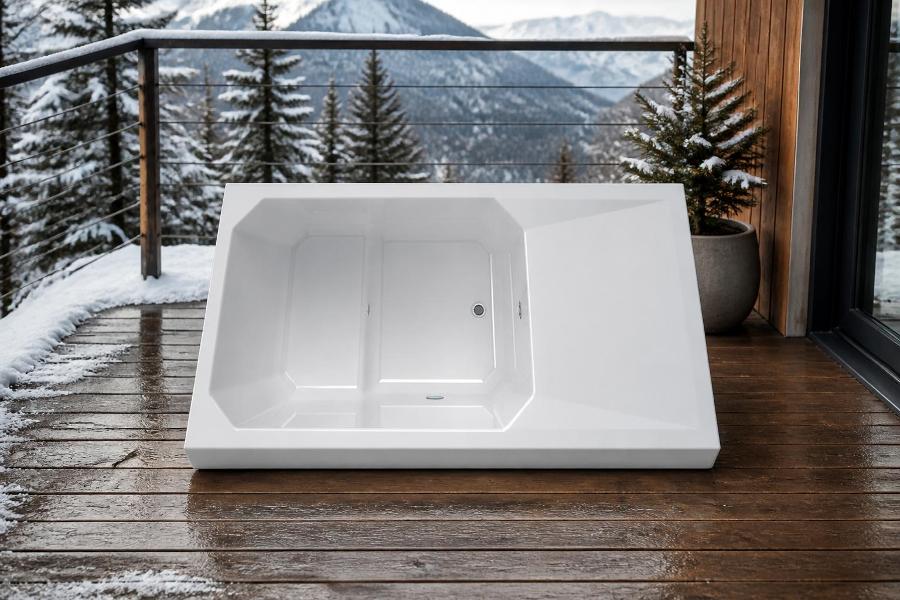
This is where equipment design actually matters for the user, not just as a spec sheet detail. The Outdoor Cold Plunge Tub C02, for instance, runs on an integrated 900W heat pump system paired with a 54W brushless pump, according to its product specifications. That combination is built to hold a stable low temperature rather than let the water drift with ambient conditions, which gives users a more predictable shiver response session after session.
A tub that maintains its set temperature also matters for scheduling. Athletic training facilities and commercial wellness centers can’t afford to wait for water to re-cool between clients, and a dedicated heat pump control system addresses that operational need directly.
Building Tolerance Without Overdoing It
Shivering intensity generally decreases as your body adapts to repeated cold exposure. This isn’t about becoming immune to the cold, it’s about your nervous system learning to respond more efficiently.
A gradual approach tends to work better than jumping straight into extended sessions:
Start with water in the upper range, around 60–65°F, for 1–2 minutes
Gradually extend duration by 30-second increments as tolerance builds
Lower the temperature only after duration feels manageable
Always exit immediately if shivering becomes violent rather than rhythmic
Allow at least a full day between sessions when starting out
Rushing this progression is the most common mistake. Pushing straight to sub-50°F water in week one usually backfires, producing intense shivering that discourages people from continuing rather than building sustainable habit.
What Happens Physiologically Beyond the Shaking
Cold immersion triggers more than just muscle contraction. According to the product’s stated benefits, cold water exposure causes blood vessels to constrict, which is thought to help reduce inflammation and ease post-exercise muscle soreness.
The cycle of constriction followed by dilation once you rewarm is also associated with stimulating blood flow, a mechanism that’s part of why cold immersion has become common in athletic recovery protocols. Cold exposure is also linked to natural endorphin release, which may explain why many users report feeling calmer and more mentally clear after the initial shivering subsides.
None of this eliminates the shivering phase. It’s simply the price of admission for the physiological responses that follow.
Choosing a Setup That Matches How You’ll Use It
Not everyone needs the same tub for the same reasons, and matching the equipment to the actual use case matters more than chasing the most extreme cold. Consider these scenarios:
A home user doing recovery two or three times a week benefits from consistent temperature control without needing commercial-grade throughput
A training facility cycling multiple athletes through daily sessions needs equipment that reheats and stabilizes quickly between uses
A boutique spa or wellness studio prioritizes both function and the ambient experience surrounding the plunge
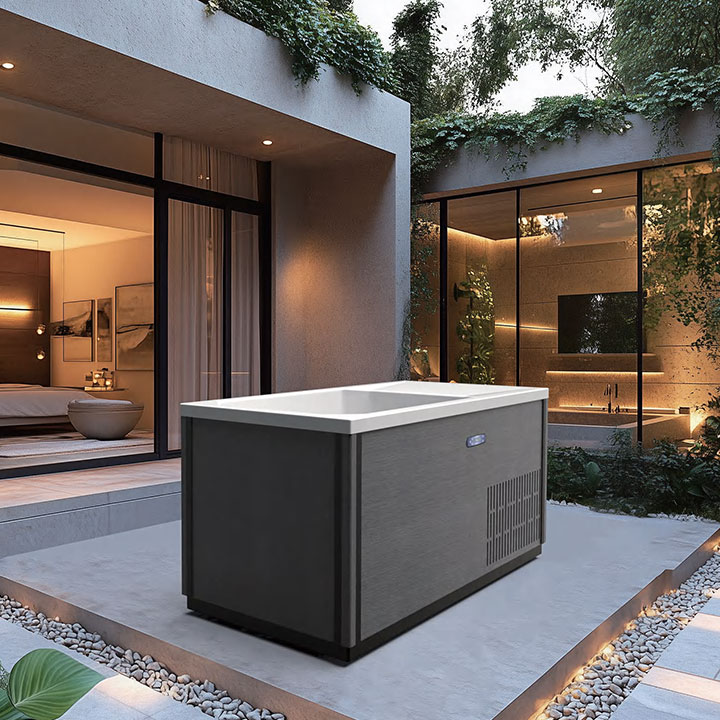
The Outdoor Cold Plunge Tub C02 holds 320 liters and measures roughly 1695 mm by 830 mm by 850 mm, sized for a single adult with an integrated seating step for stability during entry and exit. Its porcelain acrylic shell and weather-resistant composite cabinet are built for year-round outdoor placement, whether that’s a backyard patio, a coastal resort deck, or a private courtyard.
Frequently Asked Questions
Why do I shiver more the second time I get in, even at the same temperature? This often relates to how much your body had already cooled from a previous session, hydration levels, or simply variability in ambient air temperature. It’s not necessarily a sign that your tolerance decreased.
Should I try to suppress shivering during a session? No. Shivering is a protective mechanism. Trying to override it by staying in longer than comfortable increases the risk of excessive cooling rather than building faster tolerance.
Does shivering mean I’m burning more calories? Shivering does increase energy expenditure through muscle activity, but it shouldn’t be treated as a fitness metric. The goal of cold immersion is recovery and circulation support, not calorie burning.
How long should shivering last after I get out? For most healthy adults, post-plunge shivering resolves within 10 to 20 minutes with proper rewarming, such as dry clothing and light movement. Prolonged or worsening shivering beyond that window warrants attention.
Making Peace With the Shake
Cold plunge shivering isn’t a flaw in your routine, it’s confirmation that your body’s cold response is intact and working as expected. The goal isn’t to eliminate the shaking entirely but to understand its rhythm, respect its warning signs, and give your body consistent conditions to adapt to over time. Whether you’re using a home setup like the C02 or a facility-grade system, the equipment’s job is to make that cold exposure predictable, so the only variable left to manage is your own tolerance.
Victoria Star Swim Spa offers the perfect balance between exercise and relaxation, whether you want to swim for fitness or relax in the spacious seating.
Victoria Star Swim Spa offers the perfect balance between exercise and relaxation, whether you want to swim for fitness or relax in the spacious seating.