Are Hot Tub Chemicals Bad for You? Health Risks, Safe Water Chemistry, and How to Protect Your Skin
Home / News / Are Hot Tub Chemicals Bad for You? Health Risks, Safe Water Chemistry, and How to Protect Your Skin
November 16, 2026
Many prospective spa owners and daily bathers ask a direct question: are hot tub chemicals bad for you? Stepping into a steaming basin of water only to be met with stinging eyes or dry skin naturally prompts worry about toxicity. Disinfectants like chlorine and bromine can trigger acute physical irritation when mismanaged, yet warm untreated water creates an immediate habitat for opportunistic pathogens. Understanding how sanitizers work, recognizing common dosing errors, and implementing practical water management allows you to enjoy therapeutic hydrotherapy without compromising your physical well-being.
The Short Answer: Essential Disinfection vs. Chemical Exposure Risks
Why Hot Tubs Require Active Sanitizers to Prevent Microbial Growth
Maintaining a hot tub without active sanitizing agents exposes bathers to severe microbial hazards. Spa water is heated between 100°F and 104°F (38°C to 40°C), a temperature range that human skin finds deeply relaxing but that bacteria utilize for rapid exponential replication. In an unchlorinated tub, a single bather introduces millions of skin cells, traces of perspiration, and natural oils that serve as a nutrient supply for microorganisms.
Warm, poorly maintained water can support pathogens such as Pseudomonas aeruginosa and Legionella pneumophila. Pathogenic biofilm can coat interior plumbing lines, developing a protective matrix that simple cartridge filtration cannot penetrate. Therefore, sanitizing chemicals are not arbitrary cosmetic additives; they provide an essential biocide barrier that protects bathers from debilitating pulmonary and dermatological infections.
When Chemical Exposure Becomes Harmful
Toxicity in spa care is primarily governed by concentration, duration, and water balance rather than the mere presence of the compound. When free sanitizer concentrations significantly exceed established safe thresholds, hypochlorous or hypobromous acid begins degrading human cellular tissue. This excessive strength strips natural lipid bilayers from the epidermis, causing redness, itchiness, and raw chemical burns.
Secondary exposure occurs when disinfectants bond with biological waste to create volatile disinfection byproducts. These byproducts hover directly above the waterline, irritating the delicate mucous membranes of your eyes and upper respiratory tract. Thus, when users experience harsh side effects, the root cause may be an unbalanced or over-dosed aquatic solution, although individual health conditions or chemical sensitivities may also be factors. Anyone experiencing persistent or severe physical discomfort should seek professional medical advice.
Why "Chemical-Free" Water Is an Unsafe Myth
Marketing claims advertising completely chemical-free hot tub experiences represent a dangerous misunderstanding of water microbiology. Physical filters catch suspended debris, hair, and macroscopic dust particles, but they cannot kill microscopic bacteria suspended in liquid. Mechanical filtration does not provide a continuous sanitizing residual across the main body of water where people sit.
Natural enzymes and mineral sticks can aid in breaking down surface oils and softening water, yet they lack the rapid kill rates required to neutralize infectious pathogens introduced during active use. Attempting to run a residential spa without any verified residual disinfectant inevitably results in contaminated water. True bather safety relies on targeted, measured chemical disinfection balanced to remain gentle on human physiology.
Common Hot Tub Chemicals and Their Specific Biological Effects
Chlorine and Bromine: Primary Sanitizers and Irritation Mechanisms
Chlorine and bromine operate as the primary chemical shields against aquatic disease, yet each interacts differently with warm water and human skin. Chlorine dissolves to form hypochlorous acid, a fast-acting oxidizer that quickly neutralizes cellular walls before dissipating. Bromine dissolves into hypobromous acid, which remains substantially more stable at elevated spa temperatures and retains higher disinfection efficiency across broader pH shifts.
Oxidation Aggressiveness: Free chlorine acts rapidly, while bromine provides a slower, more persistent sanitizing presence in hot water.
Thermal Stability: Standard chlorine degrades quickly under high temperatures and heavy aeration, whereas bromine resists thermal decomposition far more effectively.
Dermal Interaction: Chlorine readily strips skin sebum, leading to tightness; bromine is softer on the skin surface but can accumulate residual bromamines that persist if unwashed.
Odor Profile: Off-gassing chlorine yields a pungent bleach odor when bound to waste, whereas bromine generates a fainter, distinct medicinal aroma.
pH Adjusters, Alkalinity, and Calcium Hardness
Balancing secondary parameters is essential because sanitizer efficacy and physiological comfort depend entirely on overall water equilibrium. Sodium bisulfate acts as a dry acid to decrease elevated pH, while sodium carbonate and sodium bicarbonate raise pH and total alkalinity. If pH drifts away from recommended ranges, it can reduce sanitizer efficiency and accelerate the corrosion of equipment.
Conversely, water with a pH above 7.8 severely suppresses the oxidizing power of chlorine, rendering the disinfectant sluggish and ineffective. Calcium hardness adjusters balance mineral content according to equipment manufacturer guidelines, preventing aggressive water from leaching internal plumbing hardware or creating scale deposits on acrylic shells. Maintaining appropriate mineral saturation helps protect spa equipment and supports overall water balance.
Shock Treatments: Oxidation and Spa Water Clarification
Shock dosing serves as a periodic reset mechanism by oxidizing organic matter that continuous sanitizer residuals cannot eliminate alone. Potassium peroxymonosulfate, commonly referred to as non-chlorine shock or monopersulfate (MPS), neutralizes bather waste such as sweat, personal cosmetics, and organic oils without introducing unnecessary halogens. Routine oxidation restores water clarity and helps keep sanitizers active.
To safeguard bather health and maintain disinfection efficiency, users should select only shock formulations explicitly labeled for spa application and compatible with their chosen sanitizing routine. CDC recommends against using cyanuric acid or chlorine products containing cyanuric acid in hot tubs, as cyanuric acid substantially slows the pathogen disinfection rate in hot water. Following the manufacturer’s label directions ensures organic contaminants are eliminated without disrupting delicate water balance.
Symptoms of Chemical Irritation vs. Waterborne Bacterial Infection
Dermatological Symptoms: Irritant Reactions vs. "Hot Tub Rash"
Bathers suffering from an uncomfortable skin reaction must distinguish between non-infectious skin irritation and hot tub folliculitis. Irritant contact reactions from elevated sanitizer levels or out-of-balance pH often present as broad superficial redness, dryness, and stinging sensations across submerged areas. This irritation generally manifests shortly after soaking and begins to subside once the skin is washed with fresh water and moisturized.
In contrast, hot tub folliculitis stems from the bacterium Pseudomonas aeruginosa, which thrives in under-sanitized warm water. This infection targets hair follicles, typically producing discrete, itchy red bumps and small pustules that usually appear a few days after exposure, often concentrating in areas covered by damp swimwear. Because visual symptoms can occasionally overlap, bathers cannot rely entirely on self-inspection, and persistent or painful rashes warrant professional medical evaluation.
Observation Factor
Skin Irritation / Irritant Reaction
Pseudomonas Hot Tub Folliculitis
Primary Cause
Elevated sanitizer levels, out-of-balance pH, or chemical product sensitivity
Under-chlorinated water infected with Pseudomonas aeruginosa bacteria
Onset Window
Often immediate or within a few hours post-soak
Usually appears a few days after exposure
Physical Presentation
Superficial redness, dry peeling skin, broad stinging or burning
Clustered, itchy red bumps and pustules localized around hair follicles
Distribution Pattern
Generalized across submerged skin surfaces
Concentrated heavily beneath tight swimwear and contact pressure areas
Primary Resolution
Showering with clean water, applying emollients, correcting spa chemistry
Medical evaluation for targeted treatment; thorough tub decontamination
Respiratory and Ocular Irritation: Airborne Contaminants and Chemistry Swings
Volatile chemical byproducts quickly accumulate in the thin atmospheric boundary layer just a few inches above the water surface. When air jets agitate the liquid, volatile chloramines off-gas into the bather’s breathing zone. Inhaling these airborne compounds can trigger coughing bouts, throat irritation, and chest tightness, particularly for individuals with asthma or reactive airway disease.
Ocular discomfort during a soak is commonly associated with accumulated chloramines, significant pH deviations, or other dissolved chemical irritants. When water balance is neglected, the delicate surface tissues of the eye react quickly to vaporized compounds and turbulent mist. If eyes sting or turn red, bathers should exit the water, test the spa balance, and seek medical advice if irritation fails to resolve promptly after rinsing.
Risks from Mishandling Concentrated Chemical Products
Chemical products can pose serious risks during storage and handling; poorly maintained spa water can also expose bathers to health risks. Dry chemical granules, concentrated acids, and liquid sanitizers possess high corrosive and oxidative potential. Inhaling airborne dust or vapors while measuring dry chemical powders can cause respiratory irritation and coughing.
Mixing acidic products with chlorine-containing chemicals can release toxic chlorine gas. Never mix spa chemicals together; follow each product label carefully and add each treatment separately to the water in well-ventilated areas. In the event of an accidental chemical splash or respiratory distress, move away from the exposure zone immediately and seek guidance from a regional poison control center or emergency medical professionals.
Water Chemistry Benchmarks: What Safe Hot Tub Readings Look Like
CDC and Industry Recommendations for Sanitizer Residuals and pH
Maintaining water within validated scientific limits guarantees that bacteria are destroyed while human skin tissues remain unharmed. The Centers for Disease Control and Prevention (CDC) provides clear operational parameters for hot tubs and spas, balancing effective disinfection with bather comfort. Monitoring these metrics prevents the extremes that cause skin irritation or bacterial blooms.
Free Chlorine Residual: Maintain water within the CDC-recommended range of 3.0 to 10.0 parts per million (ppm), keeping free chlorine at or above the 3.0 ppm minimum for reliable pathogen control.
Bromine Residual: Keep concentrations stable within the CDC guideline of 4.0 to 8.0 ppm, accommodating the slower oxidation rate of bromine compounds.
Water pH Range: Maintain pH within the CDC-recommended range of 7.0 to 7.8, while adhering to specific product label instructions and local health requirements.
Testing and Compliance: Verify levels with calibrated liquid drop reagents or test strips prior to soaking, adjusting chemicals carefully based on test readings.
The Role of Total Alkalinity and Calcium Hardness in Comfort
Total alkalinity serves as an essential chemical cushion that absorbs sudden acid or alkaline shocks, stabilizing the overall solution. Measured between 80 and 120 ppm, adequate alkalinity prevents rapid pH bounce that can unexpectedly shift water from comfortable to corrosive. Without this mineral buffer, rainwater, sweat, or small chemical additions can drive pH levels to irritating extremes.
Calcium hardness should be maintained according to the specific spa equipment manufacturer’s target parameters. Keeping calcium balanced prevents soft water from attacking internal heater components and plumbing fittings, while avoiding over-saturation that results in mineral scale. Proper mineral stabilization contributes to long-term equipment preservation and steady water balance.
The "Chlorine Smell" Misconception: Combined Chlorine and Volatile Byproducts
Free Chlorine vs. Combined Chlorine (Chloramines)
Many users step near a hot tub, smell a sharp, acrid bleach-like odor, and assume the water contains too much chlorine. Sharp chemical odors can be associated with chloramines formed when chlorine reacts with bather contaminants; odor alone cannot establish sanitizer levels. Free chlorine possesses very little detectable aroma when dissolved cleanly in water, making visual testing necessary.
Chloramines form when unoxidized free chlorine chemically binds to organic bather waste containing ammonia and nitrogen, such as sweat, urine, body lotions, and shed skin cells. These resultant compounds—monochloramine, dichloramine, and trichloramine—provide drastically reduced sanitizing efficacy while acting as potent eye and respiratory irritants. Always test the water with a reliable kit rather than relying on sensory cues to evaluate sanitizer sufficiency.
Managing Chloramines Through Proper Oxidation and Aeration
Eliminating irritating chloramines requires active oxidation rather than letting stagnant water rest untreated. Subtracting free chlorine from total chlorine provides the combined chlorine reading, which should be assessed against the hot tub manufacturer’s manual and applicable local health codes. When combined chlorine builds up, applying a compatible spa oxidizer breaks down the bound chemical compounds.
When treating water with oxidizers, users should follow all product label instructions closely and maintain adequate ventilation, particularly when operating indoor hot tubs or covered spas. Running the circulation pump with the cover removed allows off-gassed vapors to clear into ambient air. Once the oxidation cycle finishes, free chlorine resumes its normal sanitizing role, helping water return to an odorless and clear state.
Engineering Solutions: How Secondary Systems Reduce Chemical Demands
The Role of Ozone (O₃) Generators and UV-C Sanitization
Modern spa engineering frequently pairs traditional halogens with supplemental physical disinfection systems to support water hygiene. Ozone generators produce unstable O₃ molecules that inject directly into the plumbing circuit, acting as an oxidizer that neutralizes organic matter as water circulates through the equipment lines. This inline action helps treat contaminants before water re-enters the primary seating vessel.
Similarly, inline ultraviolet (UV-C) sanitizers direct circulating water past a specialized lamp emitting germicidal radiation at approximately 254 nanometers. This UV-C light penetrates microbial cell membranes, disrupting bacterial DNA. Because ozone and UV-C systems do not provide a persistent residual in the bathing area, they do not replace the required chlorine or bromine residual mandated by health guidelines, but they serve as valuable supplemental treatments.
Saltwater Hot Tubs: Clarifying the Mechanism
Saltwater systems are often marketed as a natural, chemical-free alternative to traditional spas, but this description is scientifically inaccurate. Saltwater systems generate chlorine-based sanitizer by electrolysis; the active sanitizer is chlorine, although the delivery method differs from manual dosing. The system passes salted water across an electrolytic cell, converting sodium chloride into hypochlorite.
Some bathers report that saltwater spas feel softer or more comfortable during extended use. This perception stems from low, continuous chemical generation that avoids the acute peaks associated with manual pouring, alongside the tactile feel of low-salinity water. However, the water still depends on active chlorine disinfection, meaning individuals who have experienced sensitivity to chlorine should observe personal tolerance carefully.
Application Context: Balanced Water Care in Modern Hot Tubs
Integrated Multi-Stage Sanitation Layout
Advanced engineering in modern domestic spas highlights how structural design directly supports balanced water care. For us at Victoria Star, designing functional leisure vessels means configuring mechanical components to maintain water quality with minimal chemical effort. When hydraulic flow, automated filtration, and supplemental purification operate seamlessly together, managing water care becomes far more straightforward for the owner.
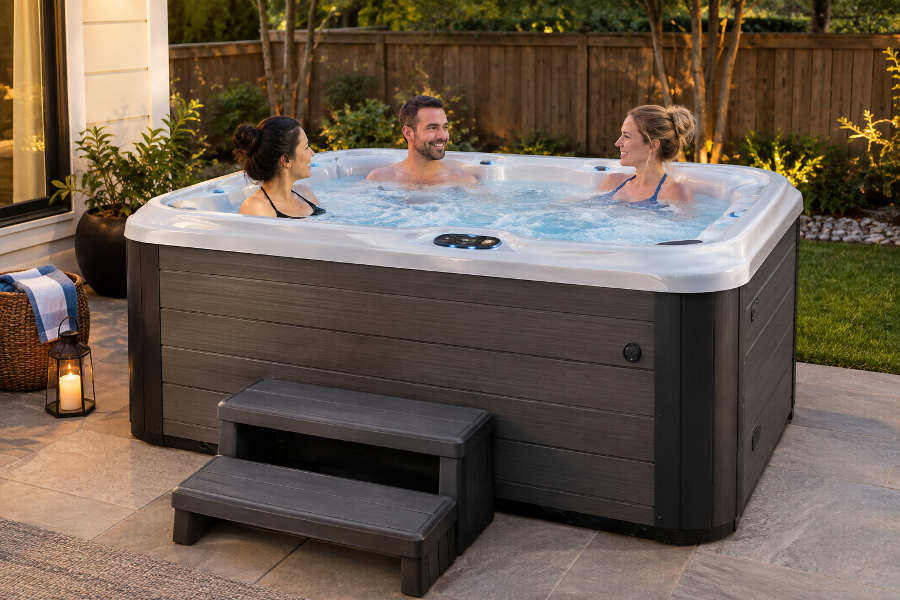
Consider the engineering profile of the 3 Person Outdoor Hot Tub VS-301C. This compact Comfort Series unit features a 3-person seating capacity arranged with two contoured upright seats and a full-body lounger, measuring 1860 mm × 1310 mm × 780 mm (6′ × 52″ × 31″). Powered by a 2 HP water pump and a dedicated 0.35 HP circulation pump, its 22 targeted hydrotherapy jets provide ergonomic hydrotherapy along the back, waist, and legs.
According to manufacturer technical data, the VS-301C integrates an advanced water care system combining automated cartridge filtration with a built-in ozone generator and UV light technology. This multi-stage loop provides supplemental oxidation and pathogen disruption within the plumbing architecture. Operating alongside an intuitive KL2022 digital keypad, the system is designed to support water clarity, making it well suited for residential patios, private wellness areas, and luxury holiday rentals while maintaining required sanitizer levels.
Practical Guidelines: How to Minimize Chemical Exposure While Soaking
Step-by-Step Bather Hygiene and Pre-Soak Rituals
Minimizing exposure to irritating chemical byproducts requires adopting disciplined hygiene habits both before and after entering your spa. Taking proactive measures prevents your water chemistry from degrading and protects your skin’s natural barrier.
Take a thorough warm shower before entering: Wash away deodorants, perfumes, moisturizing lotions, and natural perspiration. Removing these organic compounds at the source prevents chloramines from forming in the tub.
Check chemical balance using a reliable test kit: Confirm that free chlorine tests between 3.0 and 10.0 ppm (or bromine between 4.0 and 8.0 ppm) and that pH sits between 7.0 and 7.8 before stepping into the water.
Ventilate the water surface before entering: Remove the spa cover fully and run the circulation jets for a few minutes to allow any trapped volatile gases to disperse into the open air.
Follow manufacturer safety limits on temperature and duration: Adhere to spa manufacturer guidelines regarding soak times, ensure water temperature does not exceed 104°F (40°C), and exit the tub immediately if feeling dizzy, lightheaded, or overheated.
Rinse with fresh water immediately after exiting: Step into a clean shower to wash away residual chemical salts and minerals, then apply a rich, fragrance-free moisturizer to restore epidermal hydration.
Frequently Asked Questions (FAQs)
Are hot tub chemicals bad for you if you soak every day?
Daily hot tub soaking is generally safe provided the water remains strictly balanced within recommended sanitizing and pH guidelines. However, frequent immersion in hot water can strip skin of its natural moisture over time, leading to dehydration or mild irritation if neglected. Bathers who soak daily should keep water temperatures moderate, adhere to manufacturer safety durations, and rinse thoroughly before applying a restorative moisturizer.
How can I tell if my rash is from chemicals or bacteria?
Irritant skin reactions often appear quickly post-soak as diffuse, non-raised redness that feels tender or stinging. In contrast, a bacterial rash from Pseudomonas aeruginosa (hot tub folliculitis) usually appears a few days after exposure, forming distinct, intensely itchy bumps centered around hair follicles, particularly beneath swimwear. However, visual symptoms can be misleading; consult a healthcare professional for persistent, spreading, or severe rashes.
Can I use a hot tub without chlorine or bromine?
Operating a hot tub completely free of chlorine or bromine is not recommended by public health authorities due to rapid bacterial proliferation in warm water. While alternative systems like biguanide exist, they often struggle with high bather loads and organic breakdown. Advanced auxiliary technologies—including ozone generators and germicidal UV-C systems—support water maintenance, but an active halogen residual remains essential to prevent cross-contamination.
Why do my eyes sting even when chlorine levels test normal?
Eye irritation can be associated with volatile chloramines, improper pH, or other water chemistry imbalances. When water parameters drift outside recommended ranges, or when bound chlorine byproducts evaporate near the surface, delicate eye tissues can react with redness and stinging. Spa owners should test and adjust pH and sanitizer levels according to product and health guidelines, and consult a physician if eye discomfort does not subside.
Are saltwater hot tubs better for sensitive skin than standard spas?
Saltwater hot tubs are often perceived as gentler on sensitive skin because their internal electrolytic cells generate free chlorine continuously at low, stable levels, avoiding the chemical concentration spikes common with manual dosing. Furthermore, some users find the tactile feel of salted water more pleasant. However, the active disinfectant in a saltwater tub is still chlorine, meaning bathers with past sensitivities should monitor their individual skin response and consult a healthcare provider if needed.
What should I do immediately if I accidentally splash spa chemicals into my eyes?
If concentrated hot tub chemicals contact your eyes, immediately flush them with clean, lukewarm, gently flowing tap water for at least 15 minutes without interruption. Remove contact lenses if present, hold eyelids wide open during irrigation, and avoid rubbing the eye surface. Seek professional medical evaluation or contact a regional poison control center immediately, providing the specific chemical packaging information for accurate guidance.
Finding the Safe Balance Between Hygiene and Chemical Comfort
When evaluating whether are hot tub chemicals bad for you, the scientific reality shows that chemicals protect human health far more than they threaten it when managed correctly. While unmaintained concentrations, volatile chloramines, and out-of-balance pH levels certainly trigger uncomfortable skin, eye, and respiratory symptoms, leaving warm spa water untreated invites far more dangerous microbial hazards. By tracking free sanitizer levels within target ranges, shocking periodically with compatible spa products, and utilizing modern sanitation technologies like ozone and UV-C, you can maintain pristine, crystal-clear water that remains entirely gentle on your body.
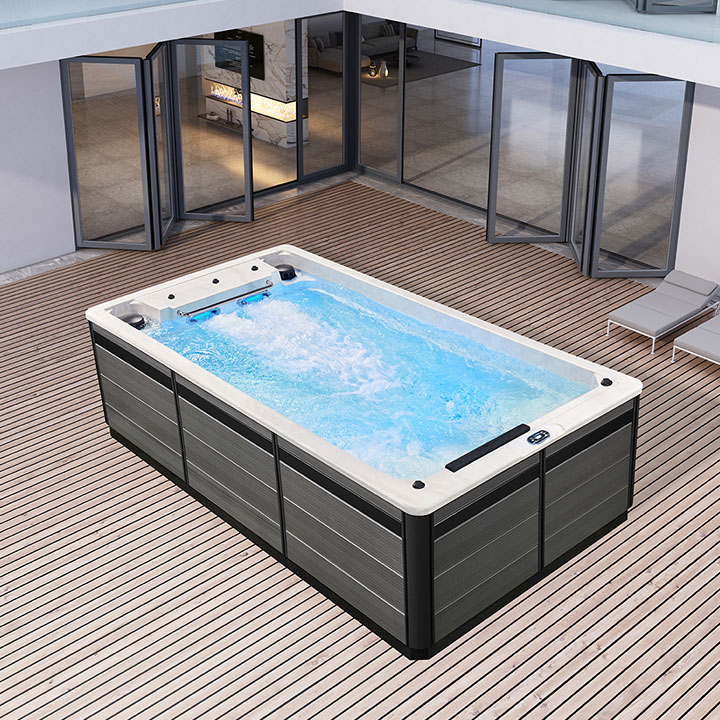
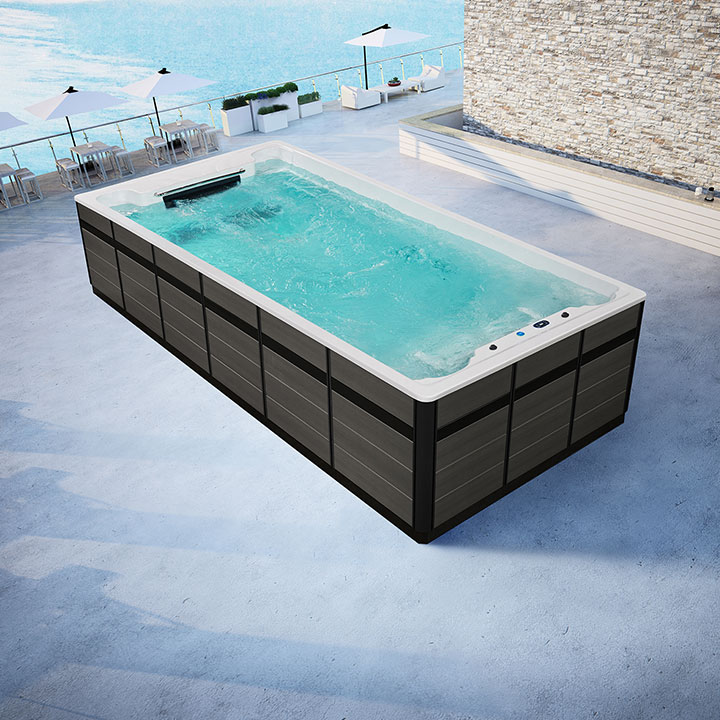
Victoria Star Swim Spa offers the perfect balance between exercise and relaxation, whether you want to swim for fitness or relax in the spacious seating.
Victoria Star Swim Spa offers the perfect balance between exercise and relaxation, whether you want to swim for fitness or relax in the spacious seating.