Why a Cold Water Thermometer Matters More Than You Think for Ice Baths
Home / News / Why a Cold Water Thermometer Matters More Than You Think for Ice Baths
September 28, 2026
Cold plunge therapy has a narrow margin for error. A few degrees separate a therapeutic session from a miserable one, and without a reliable cold water thermometer, you’re guessing at both. This guide breaks down why precise temperature tracking matters, how to read the numbers correctly, and what to look for when choosing a monitoring tool for your setup.
Why Temperature Accuracy Changes the Outcome
Cold water immersion works through a fairly narrow physiological window. Most protocols call for water between 50°F and 59°F, and drifting outside that range changes what your body actually experiences. Too warm, and vasoconstriction barely kicks in. Too cold, and the risk of cold shock response climbs fast.
A cold water thermometer removes the guesswork. Dipping a hand in and calling it "cold enough" is the sauna equivalent of judging a steak by staring at it. You need a number, not a feeling, because your skin’s perception of cold dulls the longer you’re submerged.
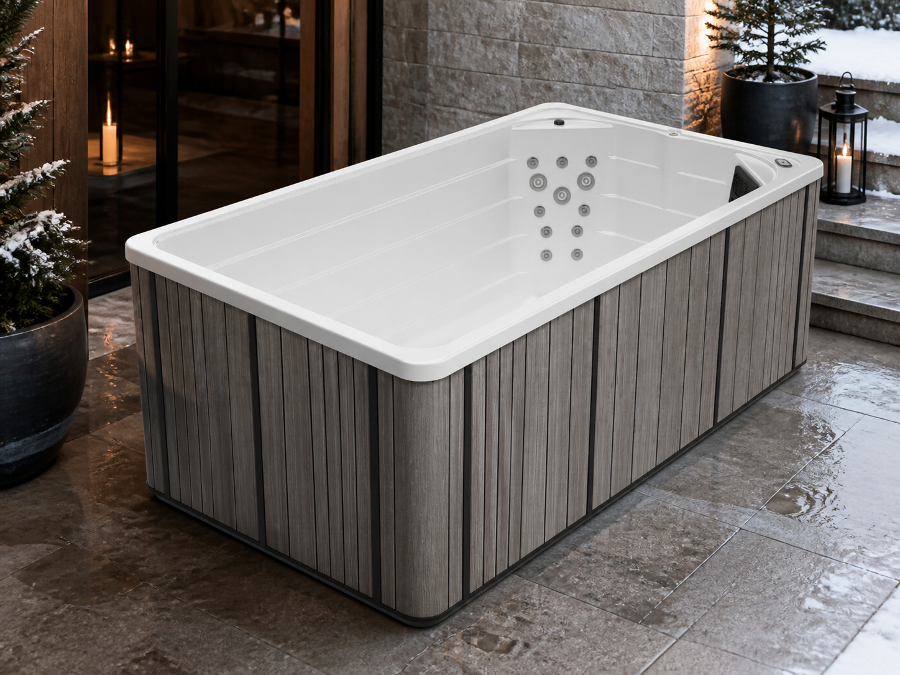
This matters more once a heat pump or chiller enters the picture. Systems like the 900W heat pump control unit built into the Outdoor Cold Plunge Tub C02 regulate temperature automatically, but even automated systems benefit from an independent reading. Redundancy catches drift before it becomes a problem.
Common Mistakes People Make Reading Water Temperature
Most temperature-related complaints trace back to a handful of avoidable habits. Recognizing them early saves both discomfort and, in some cases, actual safety risk.
Reading air temperature instead of water temperature. Ambient thermometers near the tub tell you almost nothing about the immersion experience.
Testing at the surface only. Cold water stratifies less than hot water but temperature differences still exist, meaning the top few inches can read warmer than water near the base or seating step.
Trusting a single reading after refilling. Fresh water needs time to stabilize, especially in larger tubs holding 300 liters or more.
Ignoring calibration drift. Digital probes lose accuracy over months of use, particularly with repeated exposure to chlorine or bromine sanitizers.
Each of these errors compounds the others. A thermometer that hasn’t been recalibrated, dipped only at the surface, right after a refill, gives you a number that’s wrong in three different directions at once.
Types of Thermometers Used for Cold Plunge Monitoring
Not every thermometer designed for water is suited to cold therapy. The differences come down to response time, submersion depth, and display readability in outdoor conditions.
Thermometer Type
Response Time
Best Use Case
Limitation
Floating analog dial
Slow (60-90 sec)
Casual home monitoring
Hard to read in low light
Digital probe (wired)
Fast (10-15 sec)
Precise pre-session checks
Requires manual dipping
Digital probe (waterproof, tethered)
Fast (10-15 sec)
Repeated daily checks
Cord can tangle with cover
Infrared surface reader
Instant
Quick surface scans
Inaccurate below the surface
Integrated digital control panel display
Continuous
Automated systems with heat pumps
Reflects set point, not always live reading
For anyone using a tub with a built-in digital control interface, like the front-panel display on the C02 unit, that reading is a useful reference point. Still, pairing it with a handheld probe now and then confirms the internal sensor hasn’t drifted from actual water conditions.
How Often Should You Check the Water Temperature
Frequency depends on how the tub is used and what’s regulating the temperature. A few practical guidelines apply across most setups.
Before every session, dip a probe near the seating step, not just the surface, since that’s roughly where your torso will sit during immersion.
After refilling or topping off, wait at least 20 minutes before trusting any reading, giving the water time to equalize with ambient conditions.
Weekly, for systems with automated heat pumps, cross-check the digital display against an independent thermometer to catch sensor drift early.
Seasonally, for outdoor installations, retest more often during temperature swings between summer and winter, since ambient heat loss rates change dramatically.
Outdoor placement adds a variable indoor tubs don’t deal with. A plunge tub set on a patio or open deck loses heat to wind and ambient air far faster than one inside a climate-controlled room, which means the gap between "set point" and "actual water temperature" can widen unexpectedly.
Why Insulation and Placement Affect Your Readings
Where the tub sits changes how much work the cooling or heating system has to do, and that indirectly affects how much you should trust a single temperature check.
A tub positioned on an open coastal deck, exposed to wind and salt air, behaves differently than one tucked into a sheltered courtyard. Covers help enormously here. An insulated cover, like the one included with the C02 model, slows heat exchange with the surrounding air, which keeps readings more stable between sessions.
Weather-resistant cabinet materials play a supporting role too. Vented composite panels manage airflow around the equipment bay without letting excessive heat escape from the water itself. It’s a small detail, but it explains why two tubs of similar size can hold temperature very differently depending on build quality.
Choosing the Right Thermometer for Your Setup
Selecting a monitoring tool isn’t just about accuracy on paper. It has to survive the environment you’re putting it in.
For home backyard installations, a simple floating digital thermometer with a large display works well, especially for quick visual checks before stepping in.
For athletic training facilities or recovery centers, a tethered probe with logging capability helps track consistency across multiple daily sessions and multiple users.
For commercial spas or ice therapy studios, pairing a handheld probe with the tub’s integrated control system creates a two-point verification process, reducing liability around inconsistent water conditions.
For coastal or high-humidity environments, corrosion-resistant probes matter more than display features, since salt air degrades cheaper sensors quickly.
Price isn’t a reliable proxy for accuracy here. Some inexpensive floating thermometers perform fine for casual use, while certain premium digital units suffer from the same calibration drift as budget models if left unchecked for months.
The Role of Consistent Temperature in Recovery Outcomes
Cold immersion’s benefits, reduced muscle inflammation, improved circulation through vasoconstriction and dilation cycles, and a documented endorphin response that supports mental clarity, all depend on the water actually reaching and holding the intended temperature range. An inconsistent reading undermines the entire premise.
This is one reason integrated systems have gained traction among people serious about recovery. A dedicated heat pump control system, paired with a brushless pump for circulation, maintains a narrower temperature band than passive ice-and-water setups. But even the best mechanical system benefits from a human checking the number now and then. Machines drift. Sensors age. A five-dollar thermometer catches problems a control panel might not flag until the discrepancy is significant.
Frequently Asked Questions
How accurate does a cold water thermometer need to be for ice baths? Accuracy within 1-2°F is generally sufficient for cold plunge use. Therapeutic ranges are broad enough that minor variance rarely changes the outcome, but larger swings do.
Can I use a regular pool thermometer for a cold plunge tub? Most pool thermometers work fine, since they’re built to read similar temperature ranges. The main difference is response time. Cold plunge use benefits from a faster-reading probe since sessions are short and precise timing matters.
Does the digital display on a heat pump system replace the need for a separate thermometer? Not entirely. Integrated displays typically show the set point or a sensor reading tied to the heating system, which is useful but not always identical to the actual water temperature at seating depth.
Why does my cold plunge tub read different temperatures at the surface versus lower down? Cold water stratifies less dramatically than hot water, but temperature layers still form, especially right after refilling or during active heat pump cycling. Stirring the water before checking gives a more uniform reading.
How long does it take an outdoor cold plunge tub to reach target temperature? This depends on ambient conditions, insulation, and the heat pump’s output. A 900W system working with a well-insulated cover and cabinet will typically stabilize faster than an uninsulated setup exposed to wind.
Getting cold plunge therapy right isn’t about owning the most advanced tub on the market. It’s about knowing, with actual data rather than guesswork, that the water is doing what you need it to do. A cold water thermometer is a small, inexpensive piece of that equation, but it’s the piece that turns an assumption into a verified fact. Whether you’re using a home setup like the Outdoor Cold Plunge Tub C02, with its 320-liter capacity and integrated heat pump control, or a commercial recovery center serving dozens of athletes a day, that verification step protects both comfort and safety in ways a thermostat alone can’t guarantee.
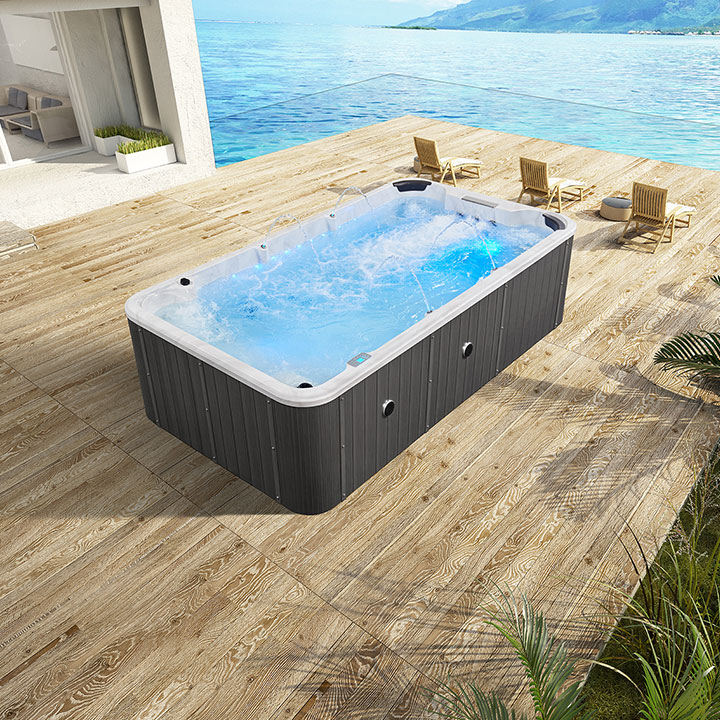
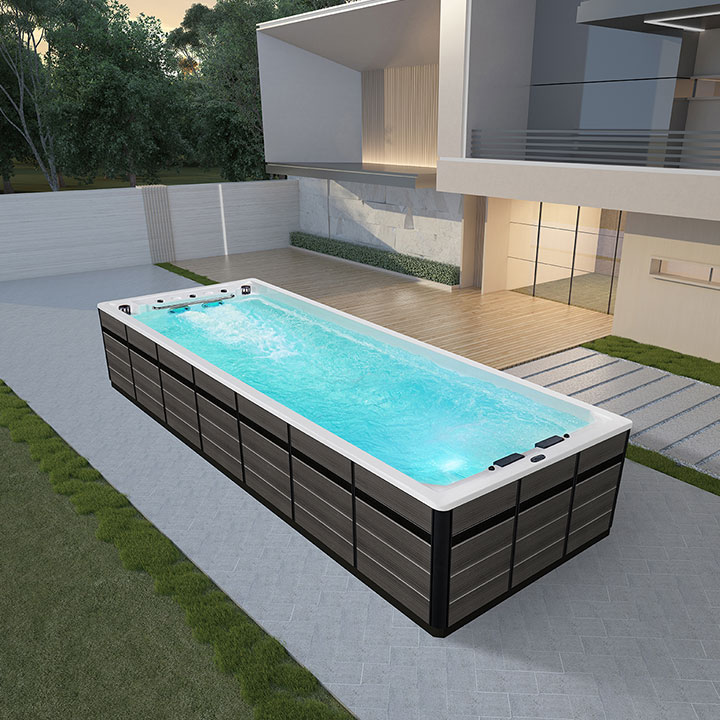
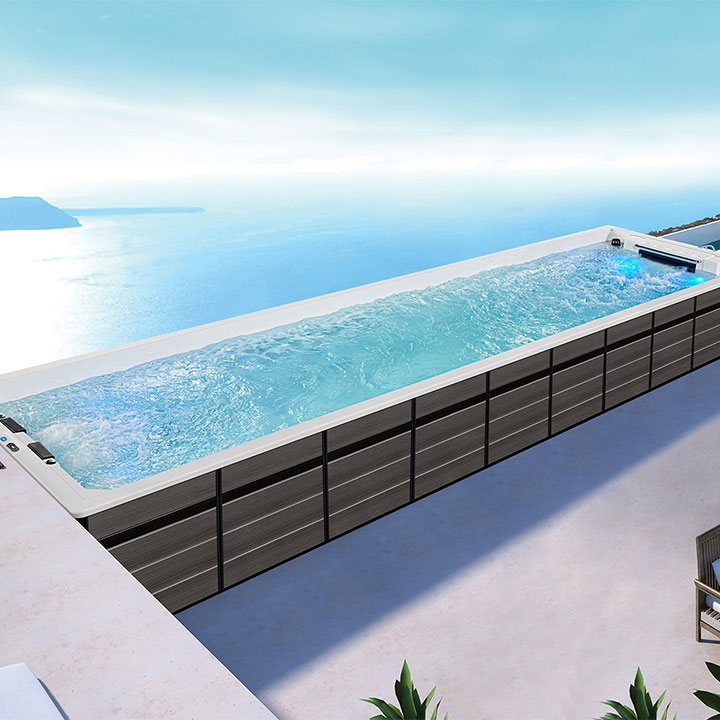
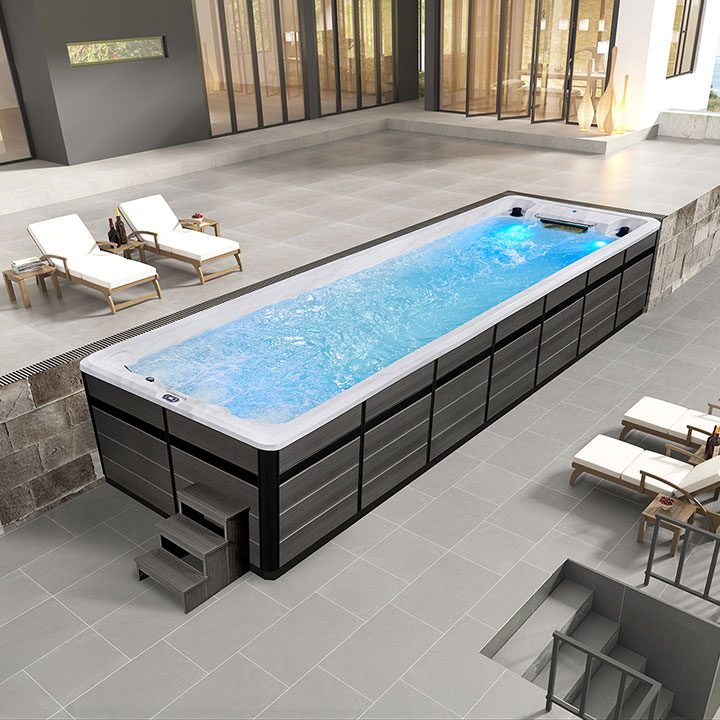
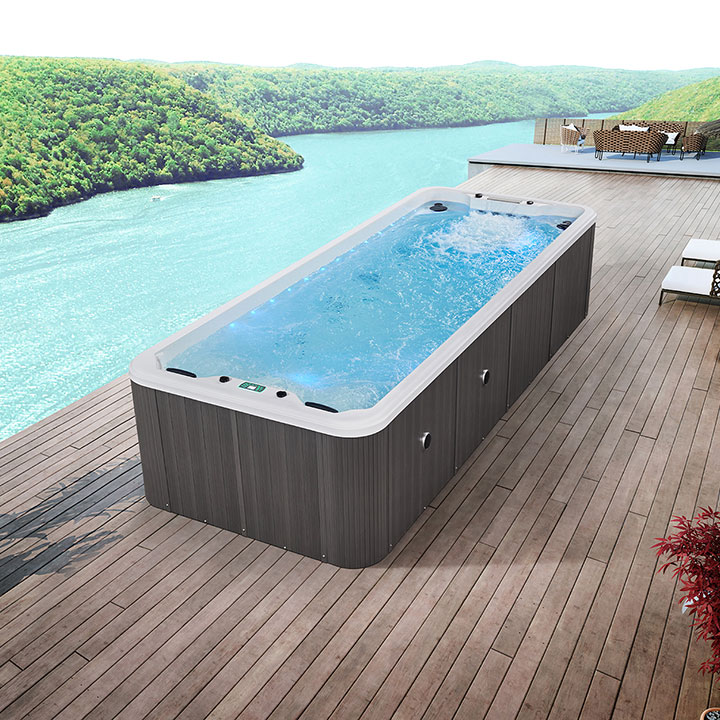
Victoria Star Swim Spa offers the perfect balance between exercise and relaxation, whether you want to swim for fitness or relax in the spacious seating.
Victoria Star Swim Spa offers the perfect balance between exercise and relaxation, whether you want to swim for fitness or relax in the spacious seating.