Anyone shopping for a spa eventually hits the same wall: the price range is enormous, and nobody explains why. The cost of a hot tub can start around a couple thousand dollars for an inflatable unit and climb past fifteen thousand for a fully equipped acrylic model with a lounger and multiple pumps. That spread isn’t random pricing strategy. It reflects real differences in materials, engineering, and how many people the tub is built to hold at once.
Understanding what you’re paying for matters more than chasing the lowest number on a listing page. A hot tub is a long-term fixture, not a seasonal impulse buy, and the components hidden under the skirt determine whether it holds up through five winters or fails by the third.
Why Hot Tub Prices Vary So Much
Three factors drive most of the price difference between models: seating capacity, jet count, and the mechanical systems running underneath. A two-person acrylic tub with a single pump costs less because it needs less horsepower and fewer jets to circulate water evenly. Add a lounger, a second pump, and a dozen more jets, and the plumbing complexity roughly doubles.
Shell material plays a quieter but significant role too. Inflatable and rotomolded plastic tubs are cheaper to manufacture, but acrylic shells with a marbled finish require more labor and better mold tooling. That upfront cost typically shows up as smoother surfaces, better heat retention, and a longer service life before the shell shows wear.
Control systems are the third variable people underestimate. A basic mechanical dial costs far less than a digital touchscreen keypad that manages temperature, jet intensity, lighting, and filtration cycles from one interface. It sounds like a minor convenience until you’re the one adjusting settings at ten degrees outside in January.
What You’re Actually Paying For
Breaking down a hot tub’s price into its physical components makes the number less abstract. Here’s roughly where the money goes on a mid-to-upper range residential spa:
Component
Role
Impact on Price
Shell material (acrylic vs. plastic)
Durability, insulation, surface feel
Moderate to high
Pump horsepower and count
Water flow, jet pressure, circulation
High
Jet quantity and placement
Massage coverage and targeting
Moderate
Water treatment system
Sanitation method, chemical maintenance load
Moderate
Control panel type
Ease of use, feature access
Low to moderate
Cabinet exterior
Weather resistance, appearance
Low to moderate
A model like the VS-402C from Victoria Star illustrates how these pieces come together in a mid-size four-person layout. According to the product specifications, it runs on a 2 HP water pump paired with a 0.35 HP circulation pump, feeding 15 targeted massage jets across three contoured seats and one full-body lounger. That combination sits toward the upper-middle of the pricing spectrum precisely because it’s doing more mechanical work than a basic two-seat unit.
Seating Capacity Changes the Math
It’s tempting to assume price scales linearly with seat count, but it doesn’t quite work that way. Going from two seats to four doesn’t just add material for two more people to sit down. It usually means redesigning the plumbing loop so water pressure stays consistent across every seat and jet, including a reclined lounger position that has different depth and flow requirements than an upright seat.
The VS-402C measures 2060 mm by 1760 mm by 790 mm, a compact footprint for a four-person configuration that still fits three bucket seats plus a lounger. Compact doesn’t mean simple, though. Fitting that many ergonomic positions into a smaller shell demands more precise engineering than spreading the same seat count across a larger, roomier tub.
If you’re deciding how many seats you actually need, consider:
How many people will realistically use the tub at once, most weeks of the year
Whether a lounger matters to you, since it changes both comfort and plumbing cost
Available deck or patio space, since larger tubs need proportionally more structural support underneath
Jets, Pumps, and What They Really Do to the Price
Jet count gets thrown around in marketing copy as if more is automatically better, but jet count without adequate pump power just means weaker pressure spread thinner. The two numbers have to scale together. A tub with 15 jets and a 2 HP pump, similar to the VS-402C’s targeted back massage layout, is designed according to its product specifications to deliver focused pressure to the shoulders, spine, and lower back rather than a diffuse, low-pressure trickle across too many outlets.
This is where shoppers comparing prices side by side sometimes get misled. A cheaper tub advertising 30 jets might feel underwhelming in person if the pump behind it can’t push enough volume through that many openings. It’s worth asking about pump horsepower specifically, not just jet totals, when a quoted price seems unusually low for the seat count.
Water Treatment and Ongoing Cost
The purchase price is only part of what a hot tub costs over its lifetime. Sanitation method affects how much you’ll spend on chemicals and maintenance every month afterward. Systems that combine filtration with ozone and UV sanitization, as described for the VS-402C, are intended to reduce how often you need to add chemical sanitizer manually, which lowers the recurring cost even though it doesn’t change the sticker price.
This matters because two tubs priced identically at purchase can diverge significantly in five-year ownership cost depending on their water treatment approach. A tub that needs weekly chemical dosing and frequent filter changes will cost more to run than one with layered filtration and UV support, even if the initial invoice looked the same.
Control Systems and the Price of Convenience
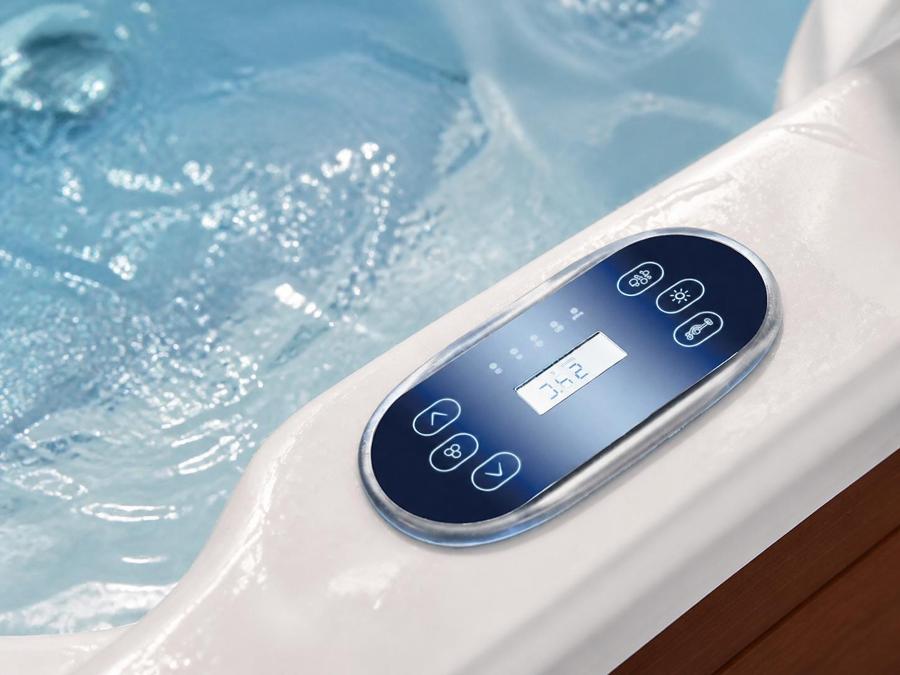
Digital touchscreen panels, like the KL2022 keypad found on the VS-402C, sit at a price point above basic analog dials because they consolidate temperature, jet intensity, lighting, and filtration scheduling into one backlit interface. Whether that upgrade is worth it depends on how often you’ll actually use those features.
For a household that adjusts settings daily, a smart keypad can be a genuine quality-of-life upgrade that justifies its share of the price. For occasional weekend use, a simpler control scheme might be the more sensible allocation of budget toward pump power or jet placement instead.
Cabinet and Shell Finish
Exterior cabinet material affects both price and longevity, particularly for outdoor installations exposed to sun, rain, and temperature swings. An aluminum-plastic skirt, like the one used on the VS-402C, is chosen for weather resistance without the maintenance demands of painted wood paneling. It’s a middle-ground choice: more durable than basic plastic wraps, less costly than solid hardwood cabinetry.
Shell finish carries a similar tradeoff. A porcelain marbled acrylic interior, as opposed to plain solid-color acrylic, typically reflects a higher tier of shell tooling. The visual depth of a marbled finish comes from a more complex molding process, which is part of why acrylic shells vary in price even among tubs of similar size.
Matching Budget to Actual Use
Rather than asking "what’s the cheapest hot tub available," a more useful question is "what am I actually going to use regularly." Overspending on features you won’t touch is just as wasteful as underspending and ending up with a pump too weak for the jet count you wanted.
A practical decision path looks something like this:
If you’re hosting frequently and want social soak space, prioritize seating capacity and layout over jet density
If muscle recovery after workouts is the main goal, prioritize targeted jet placement and pump horsepower
If low-maintenance operation matters most, prioritize the water treatment system over cosmetic finish upgrades
If the tub sits somewhere visible, like a villa deck or garden terrace, cabinet finish and shell color become a reasonable place to spend extra
Frequently Asked Questions
Does a higher jet count always mean a better hot tub? Not by itself. Jet count needs to be matched with adequate pump horsepower. A tub with fewer, well-placed jets backed by a strong pump often delivers more effective hydrotherapy than one with many jets and insufficient water pressure behind them.
Why do two similarly sized hot tubs have such different prices? Size is only one variable. Shell material, pump configuration, control system type, and water treatment technology all affect price independently of overall dimensions.
Is a lounger seat worth the added cost? It depends on how you plan to use the tub. A lounger changes the plumbing layout to support a reclined position, which adds engineering complexity, but it also provides a distinct full-body soak that upright seating can’t replicate.
Does a more expensive control panel affect performance, or just convenience? Mostly convenience. A digital touchscreen doesn’t make the water pump stronger, but it does make adjusting temperature, jets, and lighting faster and more intuitive than a basic mechanical dial.
Final Thoughts on Budgeting for a Spa
The cost of a hot tub reflects a stack of engineering decisions, not a single number pulled from a price list. Seating layout, pump horsepower, jet placement, water treatment method, and cabinet construction all pull the final price in different directions. Models like the VS-402C, built by Victoria Star with a 2 HP pump, 15 targeted jets, and intelligent water management across a four-person layout, show how those pieces come together in a mid-size residential spa. Knowing which components matter most for your household turns the cost of a hot tub from a confusing range into a decision you can actually justify.
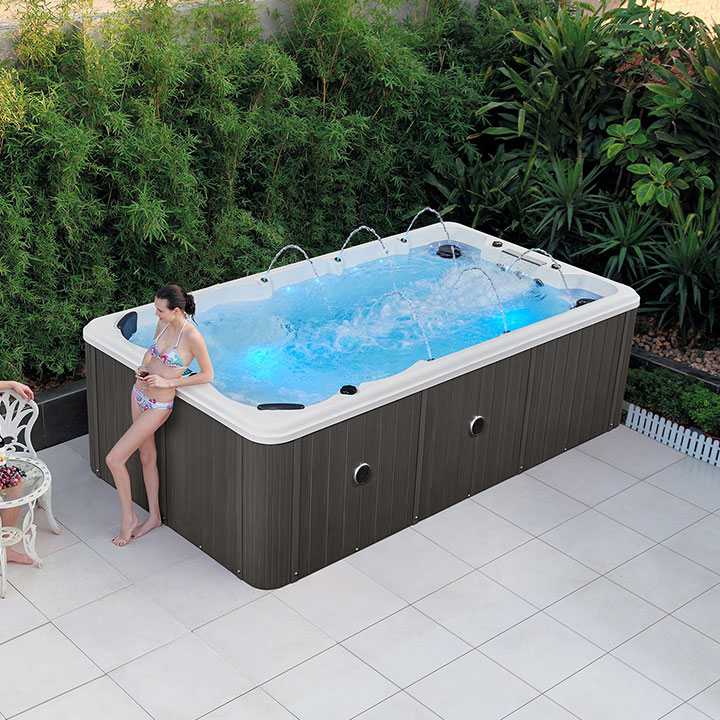
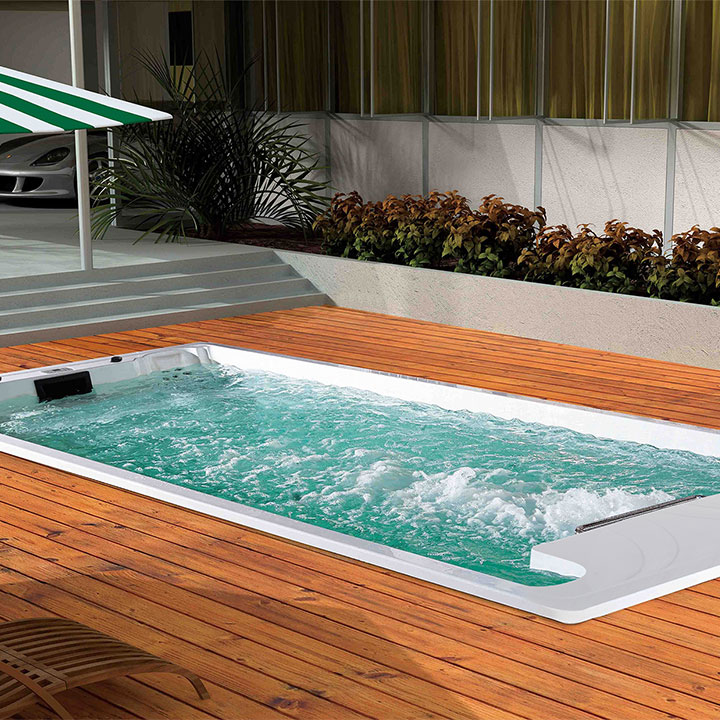
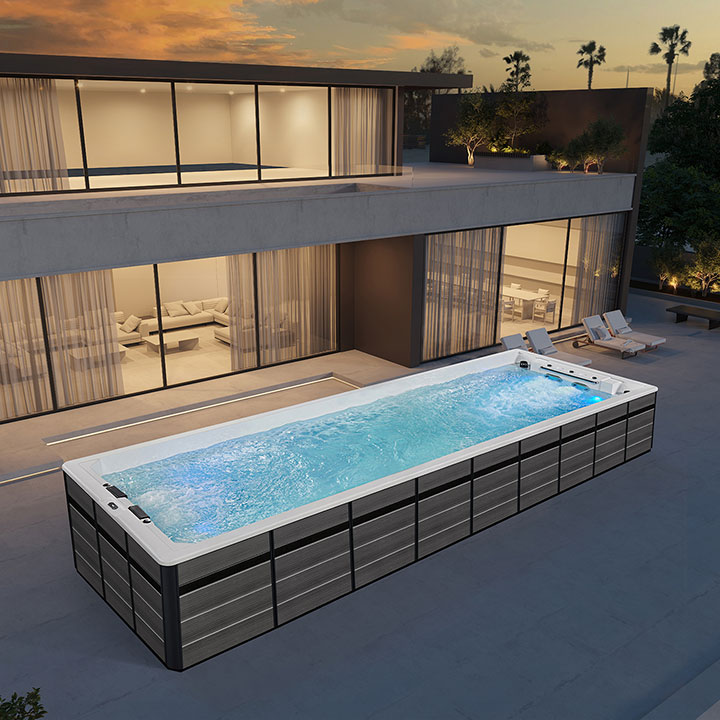
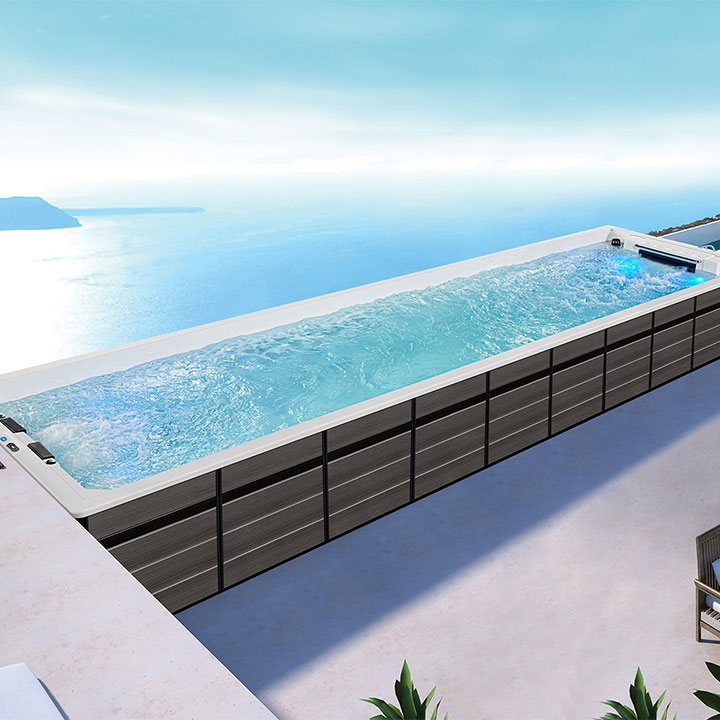
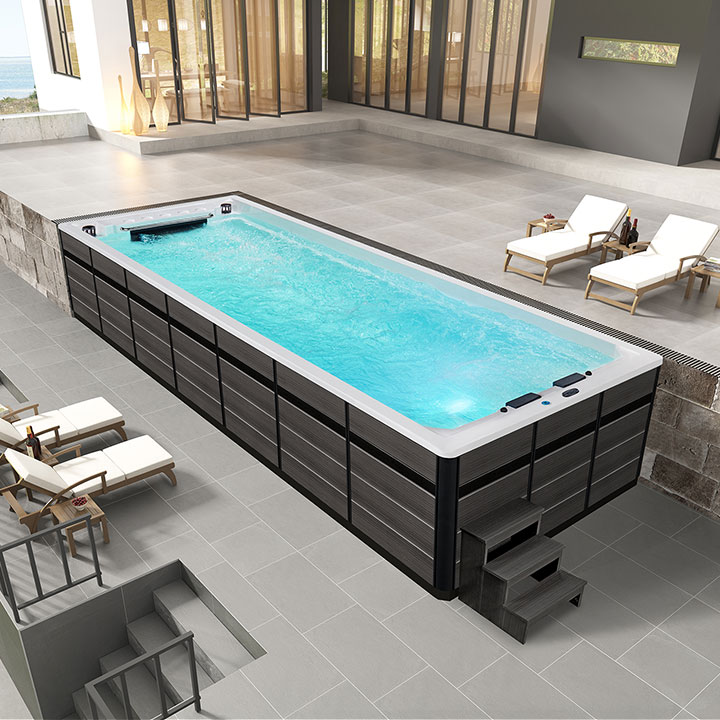
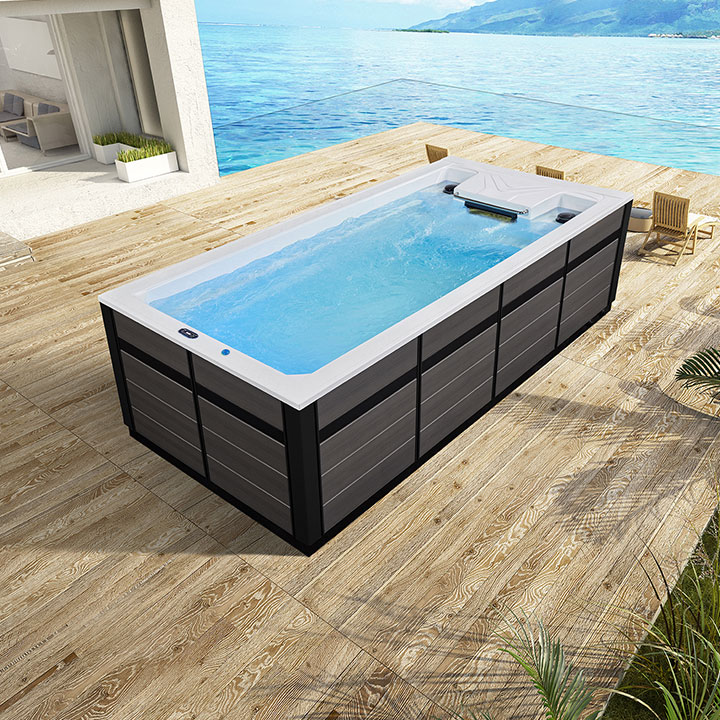
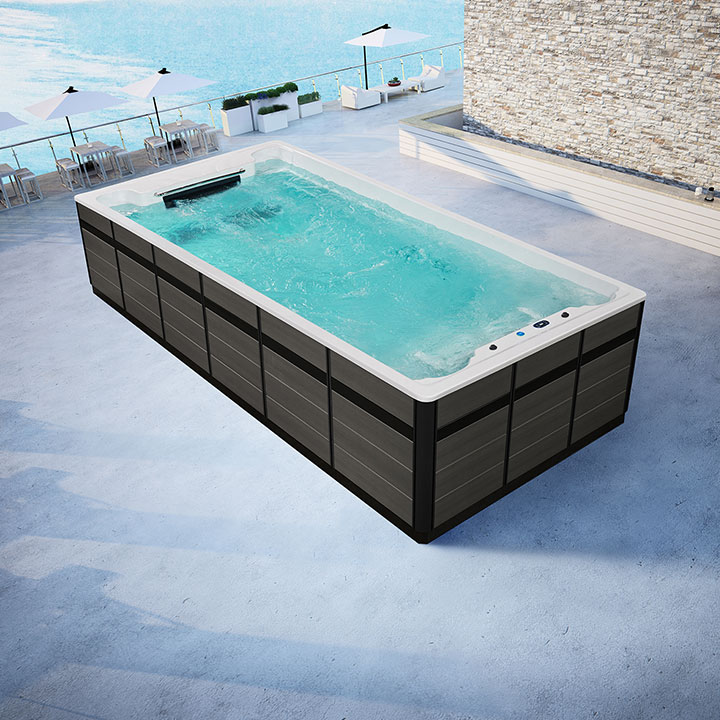
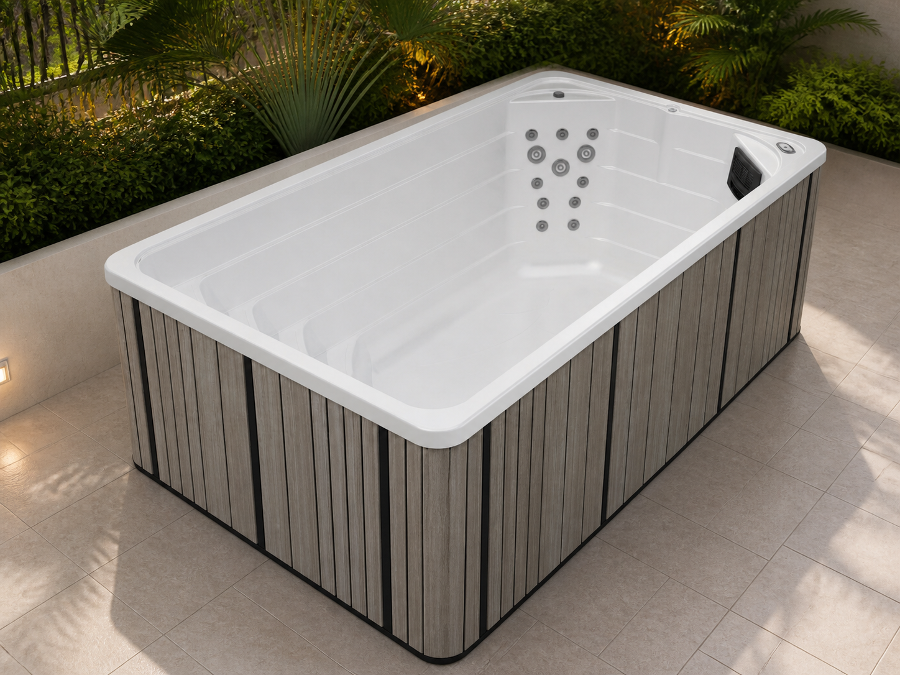
Victoria Star Swim Spa offers the perfect balance between exercise and relaxation, whether you want to swim for fitness or relax in the spacious seating.
Victoria Star Swim Spa offers the perfect balance between exercise and relaxation, whether you want to swim for fitness or relax in the spacious seating.