What Determines the Cost of an Outdoor Jacuzzi Hot Tub
Home / News / What Determines the Cost of an Outdoor Jacuzzi Hot Tub
September 30, 2026
Shopping around for the cost of an outdoor jacuzzi hot tub usually starts with a number that feels too wide to be useful. Prices span anywhere from a few thousand dollars for a basic inflatable unit to well over fifteen thousand for a fully equipped acrylic spa. That range exists because a hot tub isn’t one product category, it’s a bundle of decisions about size, materials, jets, controls, and where the thing will actually sit in your yard. Understanding what drives each part of that price lets you spend money on features that matter and skip the ones that don’t.
Why Hot Tub Prices Vary So Much
Two spas that look nearly identical in a showroom photo can differ by thousands of dollars once you check the specs sheet. The gap usually comes down to pump horsepower, shell construction, and how much engineering went into the water care system rather than anything visible from across the room.
A cheaper unit might use a single low-output pump and a basic ozone system, if any water treatment at all. A mid-range compact spa, like a 3-person model built for smaller patios, often pairs a 2 HP water pump with a dedicated circulation pump running at a lower draw, splitting the workload so jets stay powerful without burning through electricity around the clock. That kind of layered pump design costs more to manufacture, but it also means less strain on any single component and, in practice, fewer repair calls down the line.
Size and Seating Capacity Drive the Base Price
Seating count is the first number most buyers fixate on, and it’s a reasonable place to start. A 2-person spa sits at the low end of the price spectrum, a 6-to-8 person unit sits near the top, and everything in between scales with shell volume, pump requirements, and jet count.
Here’s roughly how capacity maps to typical price tiers:
Seating Capacity
Typical Use Case
Relative Price Tier
2-3 person
Compact patios, couples, small decks
Entry to mid
4-5 person
Family backyards, moderate decking
Mid to upper-mid
6-8 person
Entertaining, large patios, resorts
Upper to premium
A 3-person configuration, like a Comfort Series spa with two contoured seats and one full lounger, tends to land in the entry-to-mid tier while still delivering a real hydrotherapy layout instead of a cramped afterthought. The lounger matters here. It’s the difference between a tub that fits three people and one that actually gives each person a supported, ergonomic position for a twenty-minute soak.
Jets, Pumps, and Hydrotherapy Features
Jet count gets thrown around as a marketing number, but placement matters more than raw quantity. Twenty-two jets arranged to target the back, waist, and legs will outperform forty jets scattered without a plan. When you’re comparing quotes, ask where the jets sit and what muscle groups they’re built to address, not just how many there are.
Pump horsepower is the other half of the equation. A 2 HP water pump paired with a separate 0.35 HP circulation pump is a common configuration in compact spas, and it exists for a specific reason: the circulation pump handles constant low-flow filtering so the main jet pump doesn’t have to run nonstop just to keep water clean. That split reduces energy use and extends the working life of the primary pump, since it only kicks on when someone actually wants massage pressure.
Water Care Systems and Long-Term Maintenance Costs
The upfront price tag is only half the financial picture. Chemical maintenance, filter replacement, and electricity draw add up over years of ownership, and this is where water care technology earns its keep.
An integrated system combining filtration, ozone generation, and UV light treatment reduces how often you need to shock the water with chlorine or bromine. According to product documentation for compact hydrotherapy spas using this configuration, the combined approach is designed to keep water clear with meaningfully less manual chemical dosing than a filtration-only system. That translates to real savings on chemicals over a season, plus fewer weekends spent testing pH levels instead of actually using the tub.
Insulation quality sits inside this same conversation even though it rarely shows up in headline specs. A well-insulated shell holds heat more efficiently, which lowers the electricity needed to maintain temperature between uses. If you’re comparing the cost of an outdoor jacuzzi hot tub across brands, ask about insulation density, not just heater wattage, because a stronger heater fighting poor insulation just means a higher monthly bill.
Materials and Cabinet Construction
Shell material and exterior cabinetry are where a lot of hidden cost lives. Acrylic shells with a marble-textured finish cost more to produce than plain molded plastic, but they resist fading and scratching better over years of sun exposure and pool chemical splash.
Cabinet skirting matters just as much as the shell itself. A weather-resistant aluminum-plastic skirt is built to handle rain, UV exposure, and temperature swings without warping the way untreated wood paneling can over a few seasons outdoors. If you’re placing a spa on an uncovered deck, that skirt material is doing real structural work, not just cosmetic work.
Control Systems and Added Features
Smart keypad controls have become standard across most mid-range and premium spas, letting you adjust temperature and jet intensity without digging through a manual. This isn’t a luxury add-on anymore so much as a baseline expectation, and it rarely moves the price much on its own.
Integrated Bluetooth audio is a different story. It’s a genuine convenience feature, letting you stream music or a podcast straight from your phone during a soak, but it’s also one of the easier features to skip if you’re trying to trim cost without sacrificing the core hydrotherapy function.
When evaluating which features justify their price bump, run through this sequence:
Confirm pump configuration and jet placement first, since these affect the actual massage experience.
Check water care technology second, because it drives your ongoing maintenance cost.
Review insulation and cabinet materials third, since these determine durability outdoors.
Treat audio, lighting, and app controls as final tie-breakers between similarly priced options.
Installation and Placement Considerations
The sticker price on a spa rarely includes electrical work, decking reinforcement, or delivery logistics, and these can add a meaningful amount to your total budget depending on your property.
Electrical requirements: most compact outdoor spas run on a dedicated circuit around 4.75 kW total power supply, which often requires an electrician to install a proper hookup if one doesn’t already exist.
Deck load capacity: a filled hot tub with occupants can weigh well over a ton, so existing decking may need reinforcement before installation.
Access path: narrow gates or tight side-yard clearances can require crane delivery, which adds cost that’s easy to overlook until moving day.
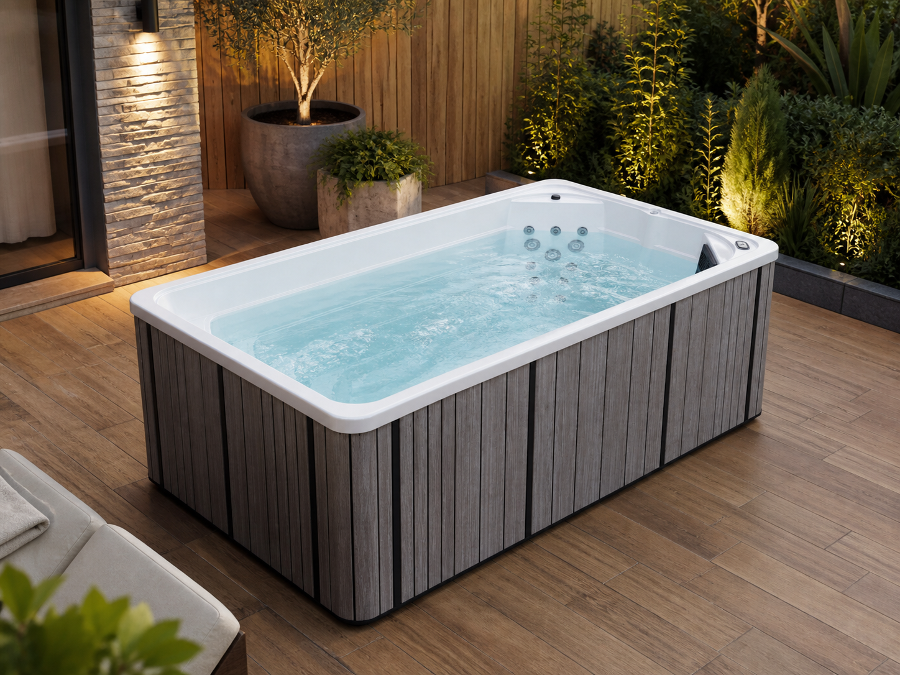
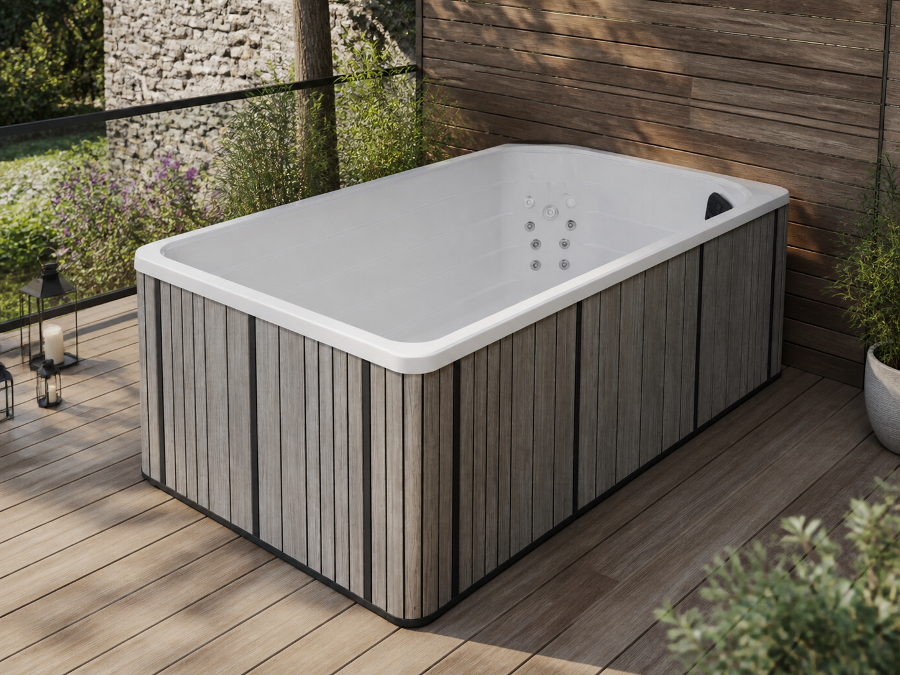
A compact 3-person spa with dimensions around six feet by fifty-two inches tends to sidestep some of these headaches simply because it fits through standard gates and sits comfortably on smaller decks without triggering major structural upgrades. That’s a real cost consideration for anyone working with a modest backyard or a covered terrace rather than a sprawling estate lot.
Matching Spa Size to Your Outdoor Space
Not every backyard needs a six-person spa, and buying more capacity than your space or lifestyle calls for is one of the most common ways people overspend. A couple with a compact patio gets more practical value from a well-built 3-person unit than from a larger spa that dominates the deck and never fills past half capacity.
Application settings for compact spas tend to cluster around a few consistent scenarios:
Residential backyard patios and wooden decking where space is limited but daily use is frequent
Covered verandas and terraces, particularly in vacation rentals or boutique guest accommodations
Dedicated wellness corners where the goal is a quiet hydrotherapy retreat rather than group entertaining
If your outdoor space matches any of these, sizing down often means a lower purchase price, lower electrical draw, and easier placement, all without giving up genuine hydrotherapy benefit.
Getting Real Value for Your Budget
The cost of an outdoor jacuzzi hot tub isn’t really one number, it’s a stack of smaller decisions about pump design, water treatment, shell material, and how much space you actually have to work with. Buyers who focus only on jet count or headline price often end up disappointed by either the massage quality or the ongoing maintenance bill.
A more reliable approach is working backward from your space and your priorities. If you’re outfitting a small patio for two or three people, a Comfort Series style spa with a 2 HP pump, twenty-two placed jets, and an ozone-UV water care system delivers a lot of the functional benefit found in larger, pricier units, just scaled to fit. For us, that’s the core idea behind building compact hydrotherapy spas: the price should reflect genuine engineering choices, not just size for its own sake. Whatever budget you’re working with, matching pump performance and water care technology to your actual usage pattern is what turns the cost of an outdoor jacuzzi hot tub into money well spent rather than a line item you regret.
Frequently Asked Questions
Does a smaller hot tub always cost less to run? Generally yes, since smaller shells hold less water to heat and typically pair with lower-horsepower pumps, though insulation quality affects running cost more than size alone.
Is a higher jet count always better? Not necessarily. Jet placement targeting specific muscle groups matters more for actual hydrotherapy benefit than a high total jet count spread thinly across the shell.
Do ozone and UV water systems eliminate the need for chemicals entirely? No. These systems are designed to reduce chemical usage significantly, but some level of water testing and periodic treatment is still part of normal maintenance.
Does installation cost vary by spa size? Yes. Larger spas often require deck reinforcement and higher-capacity electrical circuits, while compact models are more likely to work with existing residential power setups.
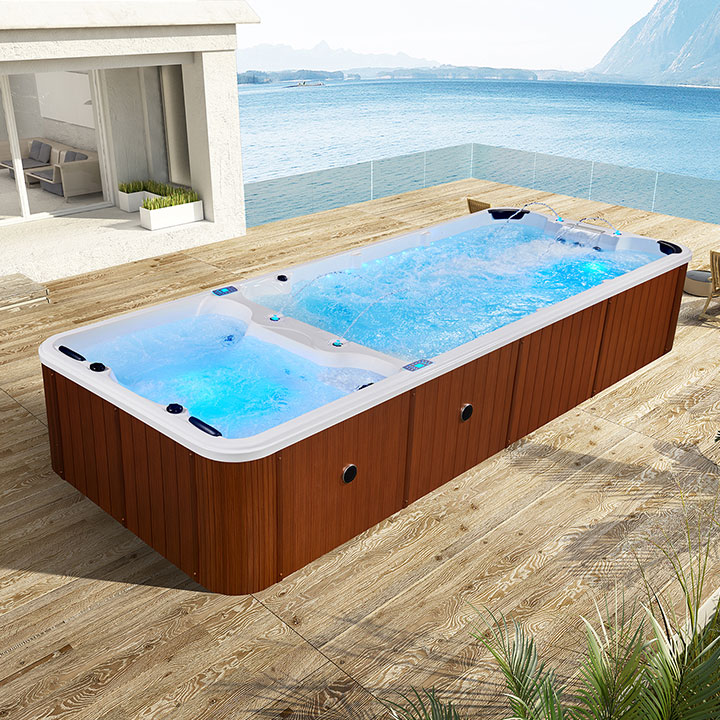
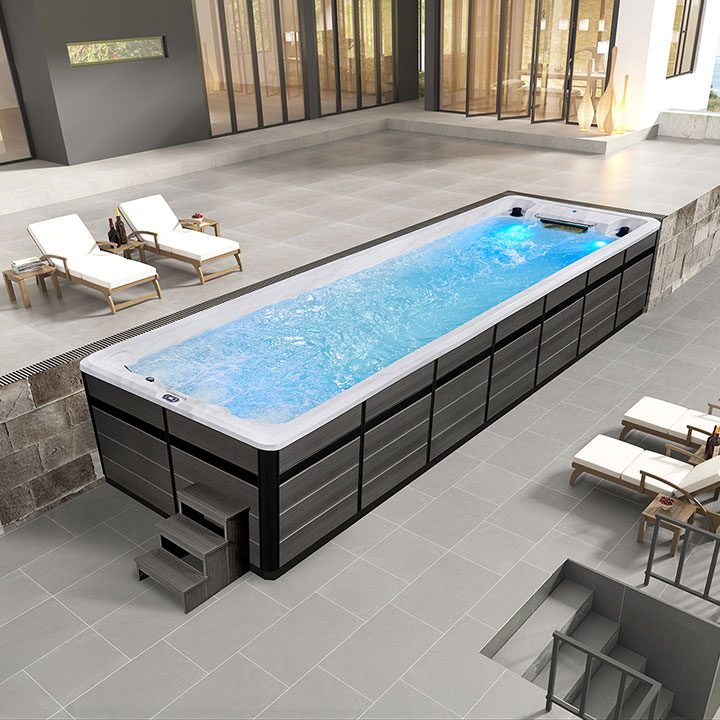
Victoria Star Swim Spa offers the perfect balance between exercise and relaxation, whether you want to swim for fitness or relax in the spacious seating.
Victoria Star Swim Spa offers the perfect balance between exercise and relaxation, whether you want to swim for fitness or relax in the spacious seating.