Tips to Maintain the Best Hot Tub Temperature Year-Round
Home / News / Tips to Maintain the Best Hot Tub Temperature Year-Round
September 29, 2025
A Victoria Star hot tub is not only a spa — it’s a retreat of relaxation, wellness, and comfort in your own backyard. To fully enjoy your hot tub, maintaining an optimal temperature all year long is essential. Proper temperature management not only enhances your soaking experience but also prolongs the life of your equipment, helps reduce energy costs, and ensures safety. Below are practical tips and best practices to keep your hot tub at its best, every season.
Why Temperature Matters
Before diving into how to manage temperature, it’s good to understand why it’s so important.
First, comfort and enjoyment are directly tied to temperature. If the water is too hot, you risk discomfort or even scalds. If it’s too cold, you may never fully relax or might avoid using the spa altogether.
Second, there are health and safety factors to consider. Warm water encourages bacterial growth; maintaining consistent heat makes chemical control more reliable. For children, elderly users, or pregnant women, extremes of heat are especially risky.
Third, consistent temperature supports equipment longevity. Sudden fluctuations or frequent deep cold spells can strain heating elements, insulation, seals, and pumps.
Finally, steady heat improves energy efficiency. It takes more energy to raise the water temperature from a low base than to maintain a moderate heat in a well-insulated tub.
Ideal Temperature Settings by Season
Depending on the season and how you use your hot tub, temperature adjustments may be necessary. In spring and fall, most owners enjoy settings between 98 and 102 °F for daily use, raising it slightly for hydrotherapy sessions. In colder winter months, 100 to 102 °F is usually comfortable, though you may choose slightly higher for especially cold evenings. In summer, reducing the temperature to 95 to 100 °F can help avoid overheating and still provide relaxation.
The key is to adapt the settings to your climate and usage patterns, while always keeping safety in mind.
Tips for Maintaining Consistent Temperature
Here are practical strategies for keeping your hot tub temperature stable throughout the year.
Use a Reliable Cover and Insulation
A high-quality cover is one of the simplest yet most effective ways to maintain water temperature. Whenever the tub is not in use, keeping it covered will trap heat and prevent loss through the surface. Insulation also plays a key role. Make sure the tub’s insulation remains intact and properly installed to reduce thermal loss.
Maintain Proper Water Circulation
Running the filtration system regularly helps distribute heat evenly throughout the water. Short bursts of circulation can eliminate cold spots. Avoid leaving jets on constantly at high temperatures, as this can increase energy use and put unnecessary strain on pumps.
Monitor and Adjust Heating Set Points
Set your heater’s thermostat to a moderate level that balances comfort and energy usage. Many hot tub models allow for “standby” or “economy” modes, which are useful when the tub is not in use. During colder weather, raising the set point slightly can compensate for external heat loss when opening the lid.
Reduce Heat Loss
Protect your hot tub from wind and external cooling. Installing fencing, landscaping, or windbreaks around the tub can make a noticeable difference. Always keep the lid closed except when entering or exiting, since heat escapes most rapidly through the water’s surface. Also, avoid draining and refilling water too often, as reheating a full tub from cold consumes a lot of energy.
Regular Maintenance of Heating Elements
The heater, thermostat, and sensors should be kept clean and checked periodically to ensure efficient performance. Mineral buildup or debris can interfere with heating. Regularly clean or replace filters as recommended, since dirty filters reduce water flow and force the heater to work harder.
Use Smart Controls
Modern hot tubs often include programmable thermostats or remote controls. These allow you to schedule heating in advance, raising the temperature just before you plan to soak. Many systems also include energy-saving modes, reducing heat during long periods of non-use and boosting it when needed.
Adjusting Temperature for Special Use-Cases
Some situations call for adjusting your usual settings. For therapeutic use, such as muscle relief after exercise, a higher temperature of 103 to 104 °F can be beneficial, though sessions should be kept short. Children or sensitive users often require lower temperatures, ideally below 100 °F. For parties or gatherings, where the lid is frequently opened and closed, you may wish to raise the temperature slightly beforehand to compensate for inevitable heat loss.
Energy-Saving Strategies Without Sacrificing Comfort
Maintaining optimal hot tub temperature year-round can be energy-intensive if not managed carefully. Fortunately, there are effective ways to save energy without compromising your experience.
You can use an insulated blanket placed between the water and the cover for extra protection. If your utility offers time-of-use pricing, schedule heating during off-peak hours. Timers or automation systems can help reduce heater runtime when you know the spa will not be used.
Maintaining balanced water chemistry also plays a role, as it keeps the heating system working efficiently. In colder climates, consider winterizing wisely. Avoid a complete shutdown if you plan to use the tub often, since reheating from a full cold start is far more energy-intensive.
Troubleshooting Common Temperature Issues
Even with careful attention, temperature problems sometimes occur. If the heater runs constantly but the water stays cool, the issue may be poor insulation, a failing heater, or excessive heat loss to the environment. If the tub overheats, the thermostat or sensor may need calibration or replacement. Cold spots in the water often indicate poor circulation or dirty filters. A sudden spike in energy bills could mean the cover has been left open too long or the heater is running unnecessarily.
Addressing these issues promptly keeps the hot tub performing efficiently and ensures comfort and safety for everyone using it.
Final Thoughts
Maintaining the optimal hot tub temperature year-round with your Victoria Star spa is not about extreme settings, but about consistent, thoughtful management. With high-quality insulation, efficient pumps, and durable covers, you already have a strong foundation for reliable performance. By combining good habits — such as keeping the cover on, maintaining water chemistry, ensuring proper circulation, and using smart controls — you can enjoy a relaxing, safe, and energy-efficient soak in every season.
If you ever have concerns about your spa’s heating system or maintenance, reaching out to professionals for advice or support can provide peace of mind. A well-maintained hot tub at the right temperature will reward you with years of comfort, relaxation, and wellness.
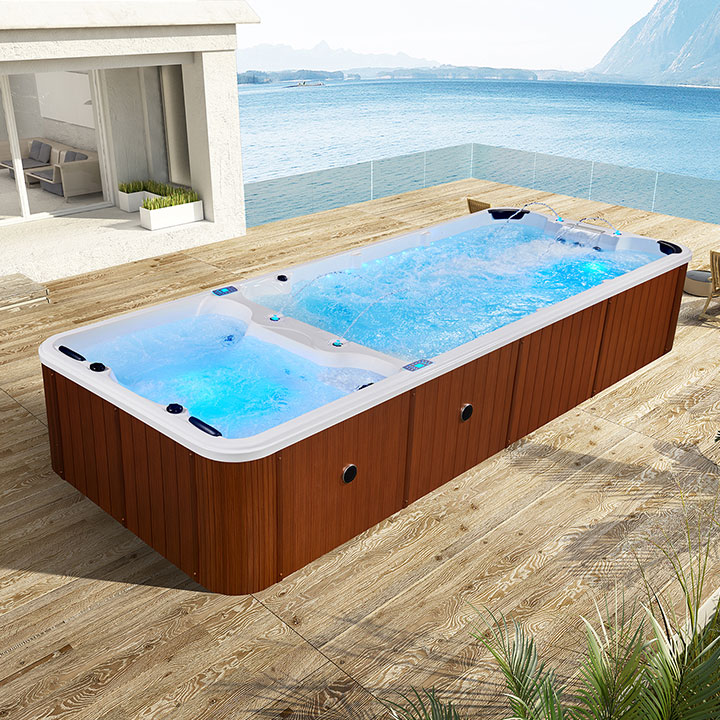
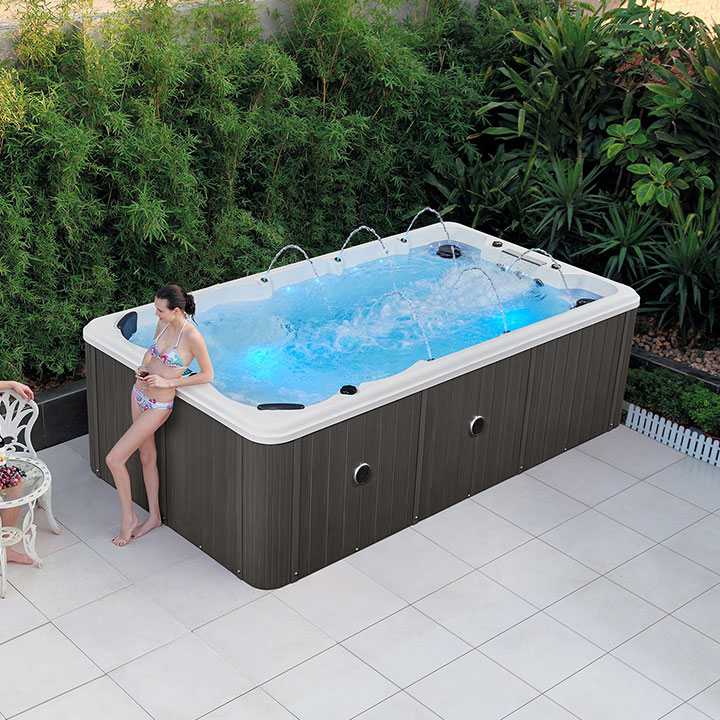
Victoria Star Swim Spa offers the perfect balance between exercise and relaxation, whether you want to swim for fitness or relax in the spacious seating.
Victoria Star Swim Spa offers the perfect balance between exercise and relaxation, whether you want to swim for fitness or relax in the spacious seating.