The Science-Backed Andrew Huberman Cold Plunge Protocol: Optimal Timing, Safety Rules, and Practical Setup
Home / News / The Science-Backed Andrew Huberman Cold Plunge Protocol: Optimal Timing, Safety Rules, and Practical Setup
November 02, 2026
Adopting the andrew huberman cold plunge protocol has become a widely discussed approach to deliberate cold exposure. Many newcomers assume that colder water always yields faster benefits, but physiological adaptation demands calculated stressors rather than uncalibrated endurance trials. Understanding the core principles of deliberate cold water immersion allows practitioners to explore potential benefits while maintaining strict attention to safety and individual tolerance.
Stepping into cold water triggers a physiological response. When approached with caution, deliberate cold immersion can serve as a training ground for the autonomic nervous system, though outcomes vary by individual. Cold immersion carries real risks, including cardiovascular stress and drowning hazard, particularly for people with relevant health conditions.
Understanding the Andrew Huberman Cold Plunge Protocol
The Core Philosophy of Temperature Selection
A central premise in discussions of the andrew huberman cold plunge protocol centers on subjective sensation rather than a rigid temperature target. Huberman describes selecting water that feels uncomfortably cold and makes you want to exit promptly, yet remains tolerable for several minutes. This guideline is not a safety test. Subjective tolerability does not establish that immersion is safe for you. Baseline cold tolerance varies based on body surface area, previous exposure, and circadian rhythm. This variation means fixed temperature ranges cannot guarantee equivalent experiences across individuals. One person may experience acute discomfort at 14°C, while another might feel similar sensations at a different temperature.
Treating deliberate cold exposure as an individualized stimulus prevents dangerous conditions while allowing the nervous system to register a manageable stressor. Exit immediately if you feel unsafe or unwell, regardless of how long you intended to remain immersed. The water temperature that feels challenging today may differ from what felt appropriate yesterday, and respecting that variation keeps you within safe bounds.
Cold Water Immersion Compared to Cold Showers
Beginners often ask whether cold showers provide similar effects to full-body tub immersion. Water conducts thermal energy away from human tissue more efficiently than air at the same temperature. In a cold shower, water droplets contact only portions of the skin, leaving other areas exposed to room air. A dedicated cold plunge tub surrounds the torso, creating a different exposure profile. Immersion and showers represent different exposure methods. Each has distinct characteristics, though comparative claims about superior physiological outcomes require more evidence than is currently available. The choice between them depends on access, preference, and individual response.
Individual Variation in Cold Tolerance
Cold tolerance is not a fixed attribute. It changes with time of day, recent food intake, sleep quality, and psychological state. What feels manageable one morning may feel overwhelming the next. This natural variation means you cannot rely on yesterday’s experience to predict today’s safety. Respecting your current state rather than forcing consistency protects you from overexposure. If today’s water feels more challenging than usual, shorten the session or skip it entirely. Consistency in safety judgment matters more than consistency in duration.
Key Physiological Responses During Deliberate Cold Exposure
Catecholamine Response
Immersion in cold water prompts the body to release catecholamines—hormones including norepinephrine and epinephrine. These neurochemicals rise during the exposure and gradually clear afterward. This biological mechanism is thought to underpin reported mental clarity after cold exposure, though the magnitude and duration of these changes vary between individuals and studies. Some research on prolonged cold water immersion has documented sustained elevation of norepinephrine lasting hours after exit. However, these findings come from specific study conditions that may not reflect typical brief plunge sessions.
Neurochemical
Typical Role in the Body
General Response to Cold
Norepinephrine
Vigilance and energy mobilization
Increases during initial exposure
Epinephrine
Arousal and stress response
Rises in response to thermal stress
Thermal Homeostasis and Vascular Response
When immersed in cold water, the body restricts blood flow to the skin to preserve core temperature. This vasoconstriction is an automatic survival response. Blood is redirected toward vital organs, temporarily reducing circulation to extremities. Over repeated cold exposures, some evidence suggests the body may adapt its thermal regulation. The magnitude and practical significance of this adaptation remain subjects of ongoing research. Individual responses vary considerably, and adaptation does not eliminate risk. Natural rewarming after exiting the water involves metabolic activity, including shivering thermogenesis, which generates heat to restore normal body temperature. Shivering is a warning sign of cold stress. Exit the water before shivering becomes intense.
Understanding Cold Shock and Its Implications
Cold shock is a cascade of involuntary responses triggered when cold water contacts the skin. These responses include gasping, hyperventilation, elevated heart rate, and sudden blood pressure spikes. Cold shock occurs within the first minute of immersion and represents the most dangerous phase of cold water exposure. People with cardiovascular conditions face heightened risk during this initial phase. Even healthy individuals can experience disorientation or loss of breathing control. Never assume that previous successful immersions guarantee future safety. Each entry into cold water carries the same initial shock risk, regardless of your accumulated experience.
Step-by-Step Beginner Framework for Duration and Frequency
Establishing Safe Starting Baselines
Newcomers should approach cold immersion gradually. The primary objective of early sessions is to develop comfort with cold sensation while maintaining safety and control. Start conservatively and increase exposure only when you can maintain calm breathing and clear thinking throughout. Begin with water at a temperature that feels significantly cold but does not cause panic or inability to breathe normally. Keep initial sessions brief, between one and three minutes, to avoid excessive cooling. Position yourself comfortably in the water, with hands above or below the surface as you prefer. Focus on steady, controlled breathing to stabilize your response to the initial cold sensation. Exit immediately if you feel unsafe, disoriented, or unable to control your breathing.
Managing Weekly Cumulative Volume
Discussions by Huberman suggest that approximately eleven total minutes per week of cold exposure is a reasonable consistency target for general wellness exploration. This is a flexible guideline, not a validated threshold or maximum. Distributing exposure across two to four separate sessions allows recovery between bouts. A schedule of three or four sessions, each lasting a few minutes, supports this approximate weekly total. There is no evidence that accumulating time beyond this level delivers proportionally greater benefits, and extended exposure introduces greater risk. Shorter, manageable sessions repeated regularly offer a safer approach than sporadic long exposures.
Recognizing When Not to Progress
Many practitioners feel pressure to increase duration or lower temperature as they gain experience. This progression is optional. Habituation to cold sensation does not mean colder or longer exposure is necessary or beneficial. If your current routine feels manageable and fits your schedule, there is no reason to change it. Increasing duration or lowering temperature should never be used to override discomfort, symptoms, or safety limits. Cold exposure is not a test of endurance. The goal is controlled stress exposure, not maximum suffering. Your body’s adaptation to cold does not make more extreme exposure risk-free or more beneficial.
Exercise Timing: Recovery Considerations
Cold Immersion and Muscle Development
Cold water immersion immediately after resistance training may dampen some of the acute inflammatory signaling associated with muscle adaptation and strength development. Research reviews report that regular immediate post-resistance-training immersion may attenuate muscle-growth adaptations. However, the evidence does not establish a universal waiting interval that prevents this effect. If your primary goal is building muscle or gaining strength, consider separating cold immersion from resistance training sessions. The optimal timing remains unclear, and individual responses vary. Experiment with different timing approaches to find what supports your training objectives without compromising recovery or safety.
Cold Exposure and Perceived Soreness
Some athletes use cold immersion for possible short-term reduction in perceived soreness. This subjective relief differs from demonstrated restoration of performance. During periods of high-volume training or frequent competitions, managing perceived soreness may become a priority. Your specific goal—building capacity, managing soreness, or preparing for competition—determines whether immediate cold exposure makes sense for your situation. Balance any potential short-term relief against possible effects on long-term adaptation. The trade-offs between immediate symptom relief and long-term training adaptation require individual assessment based on your current training phase and goals.
Timing Depends on Training Goals
The relationship between cold exposure and exercise adaptation is context-dependent. Endurance athletes, strength athletes, and recreational exercisers face different trade-offs. No single timing rule applies universally. Experiment cautiously to find what supports your specific training objectives without compromising safety. Track your subjective recovery, training performance, and overall well-being to determine whether your current timing approach supports your broader athletic development. Adjust your protocol based on observed outcomes rather than rigid adherence to any single recommendation.
Crucial Safety Boundaries and Breathwork Rules
Managing the Initial Cold Shock Response
When cold water contacts the torso, the body triggers an involuntary gasp reflex. This sympathetic surge causes rapid, shallow breathing and increased blood pressure. Cold shock may cause involuntary gasping even when you enter gradually. Immersion in cold water carries drowning risk. Enter water in a controlled manner. Once in the water, focus on maintaining steady, natural breathing. Cold shock typically subsides within one to two minutes, but exit immediately if breathing or control becomes difficult. Never hyperventilate before entering water. Rapid, forced breathing depletes carbon dioxide and can lead to fainting or loss of control—a serious hazard in any aquatic setting. Maintain normal breathing patterns before, during, and after immersion.
Clear Warning Signs for Exit
Exit the water immediately if you feel unwell or lose coordination. Do not wait for severe symptoms to develop. Cold stress can progress rapidly from discomfort to danger. Stop immersion as soon as you experience any of the following: loss of normal coordination or inability to move purposefully, any shivering particularly if it intensifies or prevents clear speech, mental confusion or disorientation or sudden apathy, skin that becomes white or waxy or completely numb, or difficulty breathing or any sensation of panic you cannot calm. These signs indicate that cold stress has exceeded safe limits for your current state. Exit the water at once, dry off, and warm gradually. Seek emergency help for confusion, reduced responsiveness, or any symptom that does not improve promptly with rewarming.
Rewarming After Exit
After exiting cold water, dry off promptly and put on warm, dry clothing. Allow your body to rewarm at its own pace through natural metabolic activity. Avoid sudden immersion in very hot water or saunas immediately after cold exposure. Gradual rewarming is safer than rapid thermal swings. If you remain alert and well, gentle movement such as walking slowly may support natural rewarming. Do not exercise through concerning symptoms. If you experience confusion, reduced responsiveness, or other severe symptoms, seek emergency help immediately rather than attempting self-directed rewarming. Monitor your condition as you rewarm. Shivering is a warning sign of cold stress, not a routine target. If concerning symptoms persist or worsen during rewarming, treat this as a medical emergency requiring immediate professional attention.
Selecting Equipment for Consistent Cold Exposure
Why Dedicated Equipment Matters
Relying on store-bought ice for temperature control is impractical for consistent practice. Melting ice alters water depth and temperature unpredictably, making routine sessions difficult to replicate. Manual ice addition requires repeated temperature checks and preparation. A dedicated cold plunge tub with built-in temperature control may reduce some of this manual temperature-management work. This allows you to focus on the practice itself rather than on setup logistics. Dedicated equipment also provides consistent temperature across sessions, helping you track your response to cold exposure over time without confounding variables from fluctuating water conditions.
Hardware Spotlight: The Outdoor Cold Plunge Tub C02
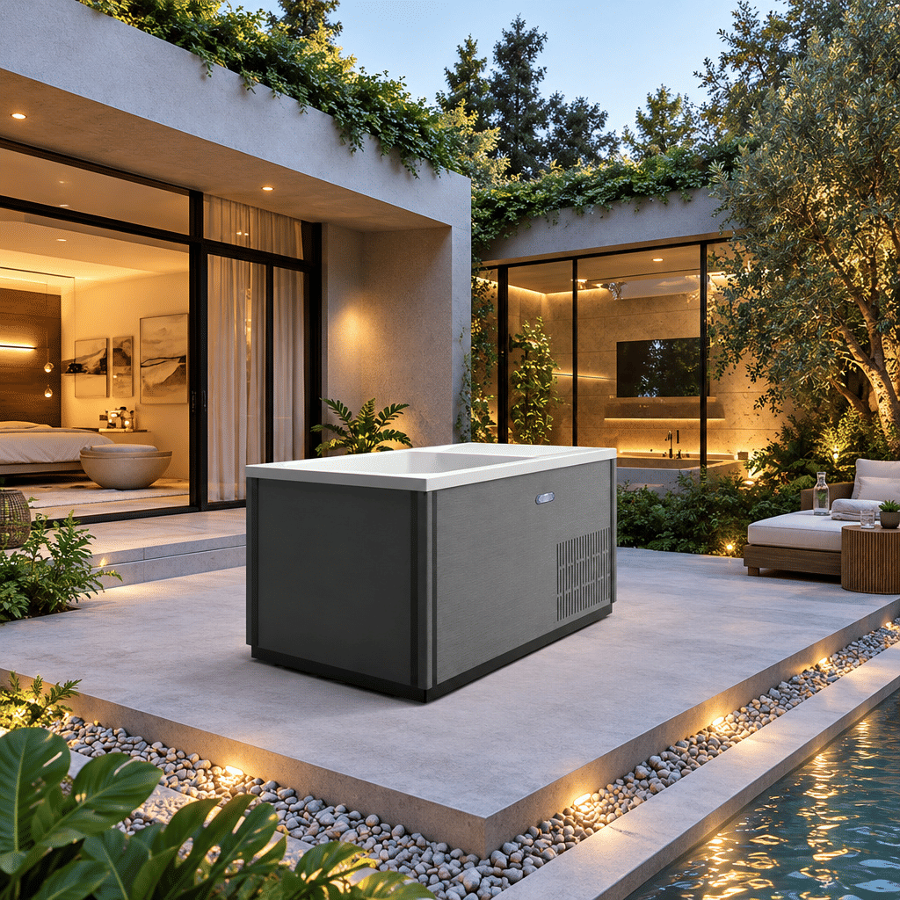
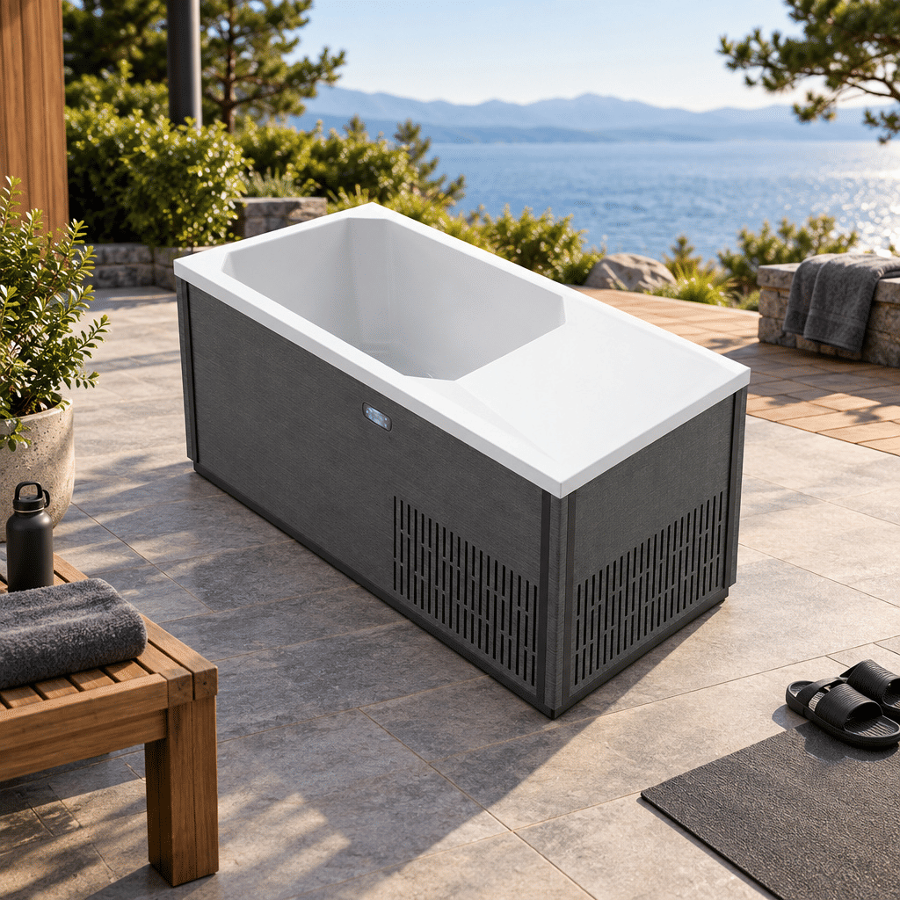
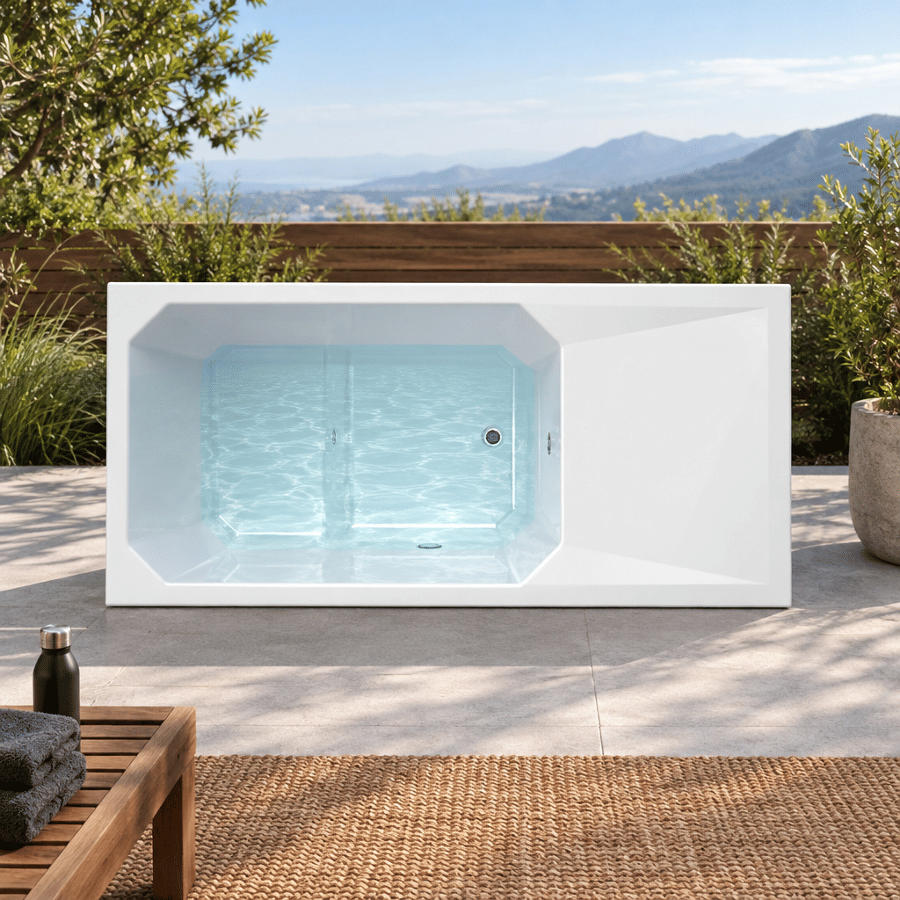
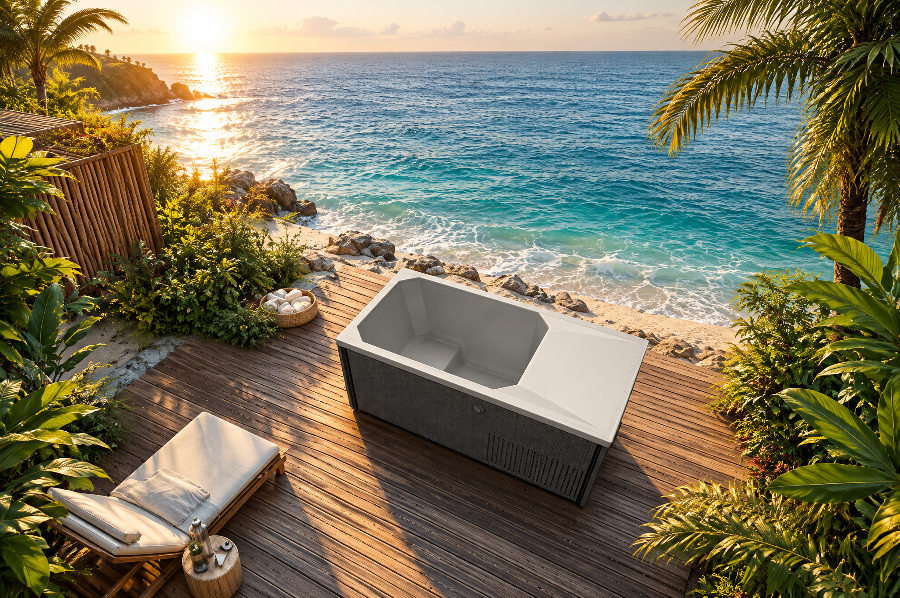
For homeowners and facilities establishing cold therapy spaces, purpose-built equipment provides environmental control. Victoria Star manufactures specialized hydrotherapy products designed for outdoor durability. The Outdoor Cold Plunge Tub C02 is engineered around a 320-liter basin measuring 1695 mm by 830 mm by 850 mm. The interior features a white or porcelain acrylic shell with an integrated seating step. Thermal regulation is managed by a 900W heat pump system paired with a 54W brushless circulation pump. Total power consumption is 0.954 kW. The tub includes an insulated cover and a weather-resistant exterior cabinet available in Platinum and Midnight finishes. These specifications are provided by the manufacturer.
Technical Specification
Outdoor Cold Plunge Tub C02 Value
External Dimensions (Metric)
1695 mm × 830 mm × 850 mm
External Dimensions (Imperial)
6′ × 33" × 34"
Basin Water Capacity
320 Liters
Dry Weight / Gross Weight
140 KG / 180 KG
Shell Material & Color
Acrylic in White / Porcelain
Cabinet Finishes
Platinum, Midnight
Circulation Pump Type
54 W Brushless Pump
Thermal Control System
Integrated 900 W Heat Pump
Total Rated Power Supply
0.954 KW
Standard Accessories
1 Insulated Cover Included
Evaluating Equipment for Your Needs
When selecting cold plunge equipment, consider your available space, electrical capacity, and climate. Purpose-built tubs simplify temperature management but require upfront investment and ongoing maintenance. Natural water sources offer zero equipment cost but introduce variables you cannot control. Your choice depends on your commitment level, budget, and local conditions. Many practitioners begin with simpler methods and upgrade to dedicated equipment only after establishing a consistent practice. Evaluate your space constraints, electrical service capacity, and long-term commitment before investing in permanent installation. Some users find that portable solutions or shared facility access meets their needs without requiring dedicated home equipment.
Protocol Execution Checklist
Pre-Entry Preparation
Approaching cold immersion with intention and calm prevents the session from becoming an uncontrolled panic response. Take the minutes before entry seriously. Mental preparation matters as much as physical readiness. Check your water temperature using the digital interface to confirm it meets your target. Stay normally hydrated as part of your general daily routine. Remove the insulated cover and clear any debris to ensure safe entry. Take several slow, calm nasal breaths and relax your shoulders before stepping in. Confirm that you feel well and alert before entering. Skip the session if you feel unwell. Your pre-entry mental state significantly influences your ability to manage cold shock and maintain controlled breathing throughout the immersion.
Entering and Remaining Immersed
Step into the basin in a controlled manner and lower your hips until the water reaches your chest. Exit if breathing or control becomes difficult. Keep your shoulders relaxed and maintain steady, unforced breathing. The goal is not to endure maximum discomfort. Exit immediately if you feel unwell, disoriented, or unable to control your breathing. There is no benefit to remaining in the water beyond the point of safety. Your ability to exit quickly and safely depends on maintaining clear thinking and physical coordination throughout the exposure. Never remain immersed when these critical safety capacities begin to deteriorate.
Post-Immersion Rewarming
After exiting, dry off promptly and put on dry clothing. Allow your body to rewarm naturally over several minutes as your metabolism generates heat. If you remain alert and well, gentle movement such as walking slowly or light stretching may support gradual rewarming. Avoid intense exercise or hot showers immediately after. Monitor your condition as you rewarm. Shivering is a warning sign of cold stress, not a routine target. If you experience confusion, reduced responsiveness, or other severe symptoms during rewarming, seek emergency help immediately. Proper rewarming technique ensures that you recover safely from the thermal stress without introducing additional cardiovascular strain or risk of delayed hypothermia.
Frequently Asked Questions
What is the exact temperature recommended in the Andrew Huberman cold plunge protocol?
There is no single mandatory temperature. Huberman describes selecting a temperature that feels uncomfortably cold while remaining tolerable. Individual tolerance varies significantly based on adaptation, body composition, and other factors. Cold shock can occur even at relatively mild temperatures, so there is no universal safe starter temperature. Choose a temperature cautiously and adjust based on your individual response. Start conservatively and modify your target temperature only after gaining confidence in your ability to manage cold shock and maintain breathing control.
How many times per week should I perform deliberate cold water immersion?
Huberman suggests approximately eleven total minutes per week as a reasonable consistency target. You can distribute this across two to four sessions. This is a flexible guideline, not a strict threshold or maximum. Start with shorter, less frequent sessions and increase gradually only if you remain comfortable and safe. Many practitioners find that two or three brief sessions per week provide sufficient exposure without overwhelming their schedules or introducing excessive fatigue.
Can I do deliberate cold exposure before an athletic workout?
Cold immersion before exercise may reduce muscle tissue temperature, which can temporarily affect power output and joint mobility. If you choose pre-training immersion, perform a thorough warm-up afterward to restore normal muscle temperature and function before lifting heavy weights or intense effort. The optimal timing depends on your training goals and individual response. Experiment cautiously and monitor how pre-training cold exposure affects your subsequent performance and subjective energy levels.
Should I submerge my head and neck during the plunge?
Keep your head above water to maintain clear airway management and prevent disorientation. Full facial immersion introduces additional risks without clear benefit for beginners. Focus on maintaining safety and control rather than pursuing maximum immersion depth. Head-above-water immersion provides sufficient cold exposure for the physiological responses discussed in the andrew huberman cold plunge protocol without adding unnecessary drowning risk.
Is the Outdoor Cold Plunge Tub C02 suitable for unheated outdoor installations in winter?
The tub features a weather-resistant cabinet and includes an insulated cover. However, the supplied specifications do not confirm operating capability in sub-zero climates. Before installation in severe winter conditions, contact the manufacturer to verify freeze protection and minimum operating temperature requirements for your region. Confirm that your electrical service and plumbing connections can support safe year-round operation in your local climate.
What should I do if I start shivering during cold immersion?
Shivering is a warning sign that your body is losing heat faster than it can generate warmth. Exit the water immediately if shivering begins. Dry off, put on warm clothing, and allow your body to rewarm gradually. Do not remain immersed in an attempt to train through shivering. Shivering indicates that your core temperature is dropping and that continuing the exposure places you at risk for more serious cold-related complications.
Building a Sustainable Cold Immersion Practice
Integrating the andrew huberman cold plunge protocol into your routine requires careful attention to safety and individual response. Deliberate cold exposure is optional and carries real risks, including cardiovascular stress and drowning hazard, particularly for people with relevant health conditions. Cold immersion is not suitable for everyone. Consult a healthcare provider before beginning any cold exposure practice if you have cardiovascular conditions, respiratory conditions, or other health concerns. Approach each immersion with measured caution rather than seeking extreme sensation. Exit immediately if you feel unsafe. Consistency with safety as your first priority is far more valuable than intensity or duration. Whether using natural water or dedicated equipment like the Outdoor Cold Plunge Tub C02, let safety guide every decision.
The andrew huberman cold plunge protocol offers a framework for exploring deliberate cold exposure. However, no protocol can account for every individual circumstance. Listen to your body, respect your limits, and never override warning signs in pursuit of a target duration or temperature. Cold immersion is a tool, not a test. Use it wisely, prioritize safety above all other goals, and remember that the benefits of cold exposure depend entirely on your ability to practice it consistently and safely over time.
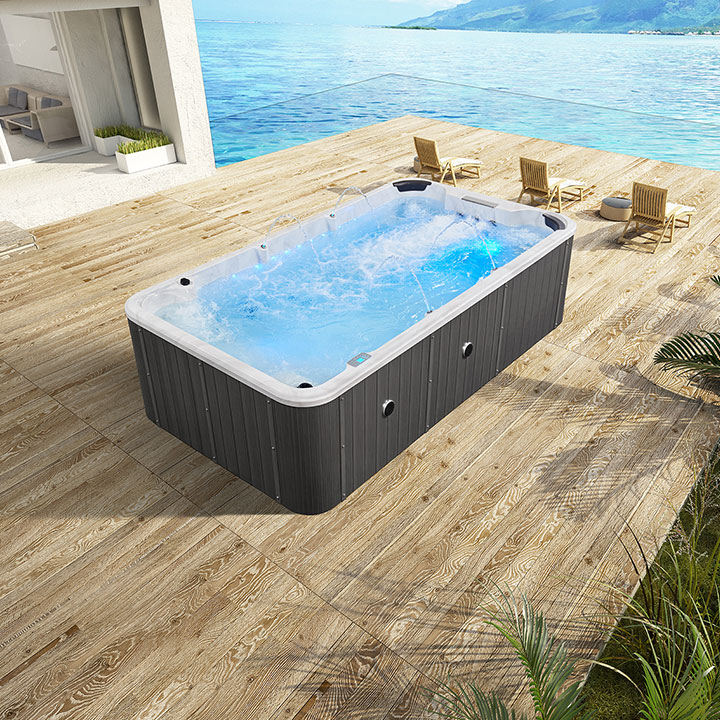
Victoria Star Swim Spa offers the perfect balance between exercise and relaxation, whether you want to swim for fitness or relax in the spacious seating.
Victoria Star Swim Spa offers the perfect balance between exercise and relaxation, whether you want to swim for fitness or relax in the spacious seating.