The Practical Guide to the 10 Minute Cold Plunge: Physiology, Protocols, and Hardware
Home / News / The Practical Guide to the 10 Minute Cold Plunge: Physiology, Protocols, and Hardware
November 05, 2026
Immersing your body into chilled water tests mental grit while triggering immediate autonomic reactions. For many cold water immersion enthusiasts, the 10 minute cold plunge represents a significant recovery milestone. While social media often portrays lengthy ice baths as a badge of honor, staying submerged for ten full minutes demands a clear understanding of human thermoregulation.
Extended exposure can soothe achy muscles, but it can also lead to hypothermic injury if entered without proper acclimatization. Navigating this threshold requires disciplined breathing, calibrated water temperatures, and purposeful post-exposure protocols. Cold water immersion carries inherent risks that vary by individual health status, water temperature, and exposure duration.
The Rationale Behind the Ten-Minute Mark
Why Duration Matters in Cold Water Immersion
Cold exposure affects the body differently depending on water temperature, individual physiology, and acclimatization status. Immersion time influences how thermal energy transfers away from subcutaneous fat, peripheral vasculature, and skeletal muscle, though the rate and depth of cooling vary considerably between individuals. Brief dips stimulate sympathetic alertness, while longer immersions allow more substantial tissue cooling.
Some exercise recovery studies have used immersion windows between ten and fifteen minutes, reporting possible reductions in delayed onset muscle soreness. However, these studies do not establish ten minutes as a universal safe threshold or guarantee that this duration avoids core temperature dangers. Individual risk depends on water temperature, body composition, health status, and environmental conditions.
Balancing Recovery Signals Against Thermal Stress
There is no established universal point at which longer exposure stops providing benefit, and extending a session increases cold-related risk without guaranteeing better recovery. Recovery effects vary by protocol, temperature, exercise type, and the specific outcomes measured.
Every user must weigh systemic stress against potential recovery benefits. A controlled 10 minute cold plunge may provide pain relief for some individuals, yet forcing a rigid timeframe despite persistent shivering or numbness transforms a wellness practice into counterproductive physical strain. Listen to your body and exit when you experience warning signs.
Physiological Phases of a 10 Minute Cold Plunge
Minutes 0 to 3: The Cold Shock Response and Breath Management
The initial sixty to ninety seconds of cold immersion can evoke the cold shock response. Rapid cutaneous thermal receptors may trigger sudden involuntary gasping, increased heart rate, and elevated blood pressure. This response can occur even in water temperatures between 10°C and 15°C (50°F to 59°F). Panic at this juncture often causes premature exit.
Focusing on calm, controlled breathing can help manage this initial distress. By deliberately slowing your respiratory rate and extending expirations, you may reduce some of the acute stress before peripheral blood vessels begin to constrict. However, breathing control does not eliminate cardiovascular responses to cold water.
Minutes 3 to 7: Peripheral Vasoconstriction and Numbing
As the initial respiratory shock subsides, peripheral blood vessels constrict, reducing blood flow to the skin and extremities and helping limit heat loss. This vasoconstriction helps preserve core temperature while sacrificing warmth in the limbs.
Sensory nerve conduction velocity slows during this phase. Joint stiffness increases while surface pain receptors lose some of their sensitivity, resulting in localized numbness. Some users report temporary numbness and reduced soreness, with effects varying by person and protocol, though the degree of relief differs among endurance runners and team-sport athletes.
Minutes 7 to 10: Deep Tissue Cooling and Shivering Thresholds
The later minutes of immersion involve continued heat loss from deeper tissues. The rate and depth of cooling depend on water temperature, circulation patterns, body composition, and individual metabolism. There is no universal minute-by-minute physiological sequence that applies to all users.
During this window, the body may initiate involuntary shivering as it attempts to generate heat. If fine motor control in your hands deteriorates, mental alertness clouds, or you experience other warning signs, exit the tub immediately. These symptoms indicate you should end the session, though their presence does not allow you to diagnose specific core temperature changes or nerve impairment.
Proven Physical and Neurological Outcomes
Mitigating Delayed Onset Muscle Soreness
Some sports medicine reviews suggest that cold immersion may help lower perceived muscle soreness in the twenty-four to seventy-two hours following intense exercise. Cold exposure reduces peripheral blood flow and tissue temperature, which may contribute to temporary changes in pain and perceived soreness. The underlying recovery mechanisms remain uncertain.
Proposed mechanisms include:
Reduced Peripheral Blood Flow: Cold exposure constricts peripheral blood vessels and may temporarily alter pain and swelling responses, although the clinical significance varies.
Suppressed Secondary Metabolic Activity: Decreased local tissue metabolism may limit the generation of cellular byproducts following exercise-induced microtrauma.
These effects vary by individual, exercise type, and immersion protocol. Cold immersion is not a guaranteed remedy for muscle soreness.
Endorphin Release and Mental Alertness
Beyond muscular recovery, cold water immersion is associated with self-reported improvements in mood and mental clarity. Some practitioners report feeling more alert and calm following cold exposure, effects that may persist for a period after toweling off. However, the specific neurochemical mechanisms and duration of these effects are not fully established.
Practitioners sometimes report an increased capacity to withstand psychological discomfort. Voluntarily enduring the physical discomfort of cold water may function as a form of stress exposure, potentially strengthening cognitive control mechanisms, though individual responses vary.
The Muscle Hypertrophy Trade-off
While cold exposure may benefit endurance recovery, some evidence suggests that repeated immediate post-resistance-training immersion may attenuate hypertrophy adaptations. Cold water immersion may blunt acute intracellular signaling pathways involved in structural protein synthesis following strength training.
Research does not establish a universal safe delay interval. If your primary training objective is skeletal muscle hypertrophy or maximal strength development, consider avoiding cold immersion immediately after lifting, or consult with a sports science professional about timing.
Training Modality
Immersion Considerations
Primary Physiological Goal
High-Intensity Endurance
May be used post-session in some protocols
Reduce perceived fatigue and aid recovery
Heavy Strength or Hypertrophy
Immediate immersion may attenuate adaptations
Preserve anabolic signaling pathways
Mixed Metabolic Conditioning
Individual tolerance and schedule dependent
Mitigate soreness between sessions
Daily Wellness or Stress Management
Timing varies by individual preference
Support mental clarity and stress resilience
Step-by-Step Considerations for Building Tolerance
An Illustrative Progression Approach
Attempting a continuous ten-minute duration during your first session invites adverse events. The human cardiovascular system benefits from gradual adaptation to cold water exposure. The following schedule is an illustrative example only, not a clinically validated protocol. Individual progression should be guided by personal tolerance, health status, and professional consultation when appropriate.
Initial Sessions: Begin with brief immersions of 2 to 3 minutes at moderate cold temperatures such as 14°C to 15°C (57°F–59°F). Focus entirely on calm, steady breathing.
Gradual Extension: If initial sessions are well tolerated, consider extending immersion to 5 minutes at the same temperature over subsequent sessions. Monitor how you feel during and after immersion.
Further Adaptation: As tolerance builds, some users cautiously extend duration to 7 or 8 minutes, testing mental composure and physical response.
Longer Duration: Only after multiple successful shorter sessions should users consider approaching ten minutes. Maintain awareness of warning signs and exit immediately if you experience adverse symptoms.
This progression is not suitable for everyone. Do not pursue a fixed ten-minute duration as a goal if you experience persistent discomfort, shivering, or other warning signs. Stop immersion if you feel unwell.
Calibrating Temperature: The 10°C to 15°C Range
Recreational users sometimes mistakenly equate colder water with superior results, packing bathtubs with crushed ice until water drops to 2°C (35°F). However, some exercise recovery studies have used temperatures in the 10°C to 15°C (50°F to 59°F) range for multi-minute exposure.
Water below 5°C presents heightened risks and may require very short exposure times. However, cold shock responses can occur even in the 10°C to 15°C range, and this temperature band does not guarantee safety. Risk depends on individual health, acclimatization, and specific conditions. Always approach cold water immersion with caution.
Critical Safety Thresholds and Exit Signals
Certain clinical conditions preclude cold water immersion. Individuals diagnosed with coronary artery disease, cardiac arrhythmias, severe Raynaud phenomenon, peripheral vascular insufficiency, or uncontrolled hypertension should refrain from cold plunging without direct medical clearance. Pregnant individuals and those with other health concerns should consult a healthcare provider before attempting cold immersion.
Recognize these warning signs and exit the water immediately if they occur:
Uncontrollable Shivering: Violent tremors during submersion are a warning sign to end exposure and seek warmth.
Loss of Manual Dexterity: Difficulty controlling your hands or fingers indicates you should exit immediately.
Sudden Skin Pallor or Cyanosis: Blue or purple discoloration along nail beds or extremities warrants immediate cessation of the session and medical evaluation if it persists.
Dizziness and Tunnel Vision: Lightheadedness or visual changes signal you should exit and rest. Seek medical attention if symptoms persist.
These symptoms are warnings to end exposure immediately and seek help when appropriate. Do not attempt to self-diagnose the underlying cause or continue immersion.
Equipment Engineering: Ice Blocks vs. Controlled Tub Systems
Thermal Boundaries and Water Circulation Dynamics
Manual ice baths present practical challenges. As a warm body remains still in non-circulated water, it radiates heat, and temperature differences can develop around the body. This variation may mask the effective temperature experienced by different body regions.
Water circulation can help mix the water and reduce temperature differences, potentially providing a more uniform thermal environment throughout the basin. Achieving consistent temperatures manually requires ongoing effort, including stirring and replenishing melting ice.
Technical Parameters of Dedicated Recovery Tubs
To reduce the manual labor of managing ice and to provide more consistent operating temperatures, specialized recovery hardware has become available. For us at Victoria Star, manufactured under Foshan Gaoming Shiyi Sanitary Ware Technology Co., Ltd., designing reliable immersion platforms means balancing thermal control components with weather-resistant construction.
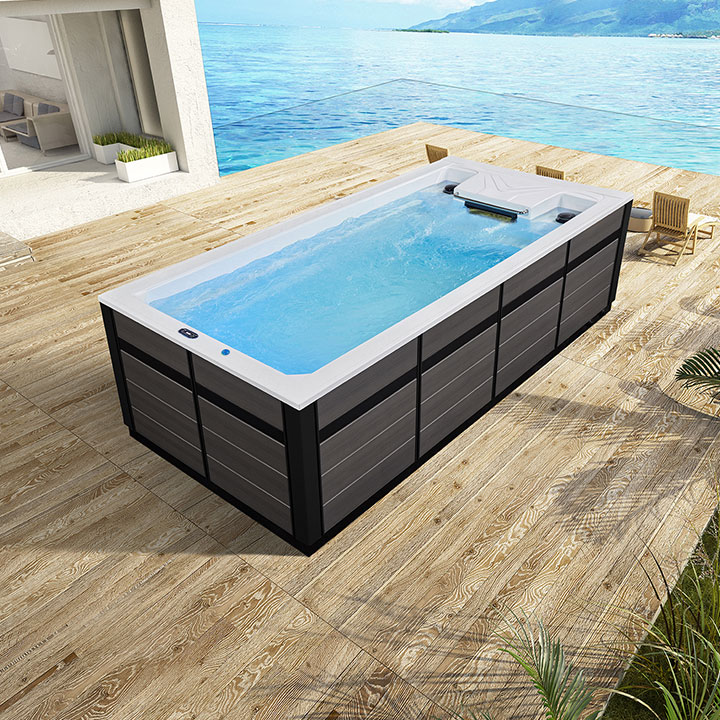
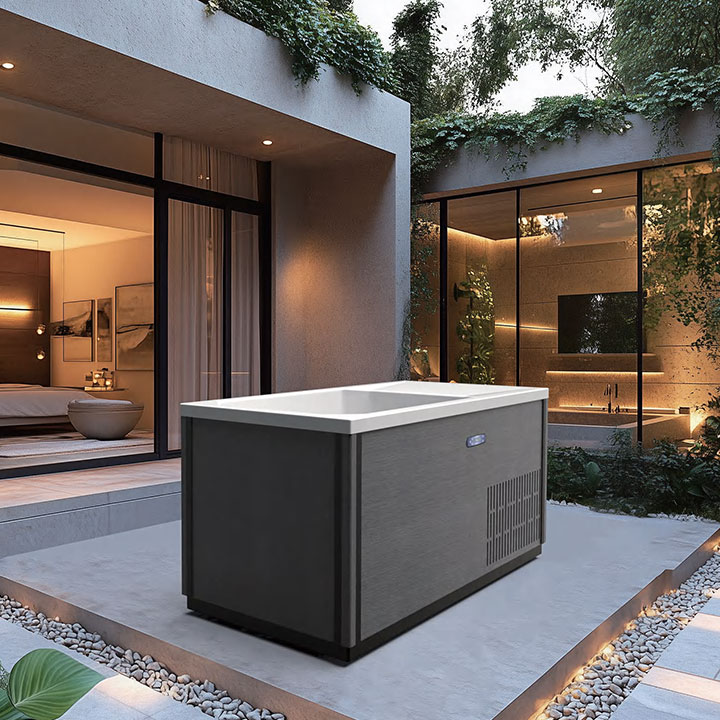
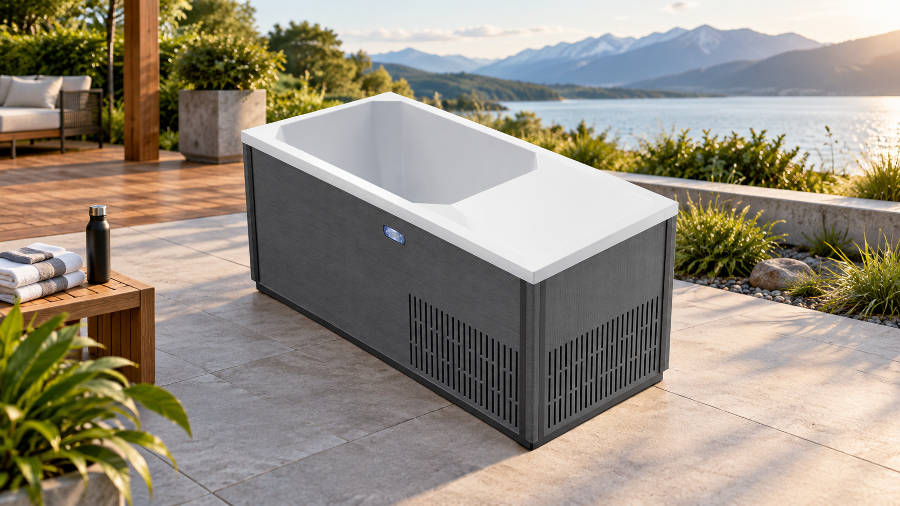
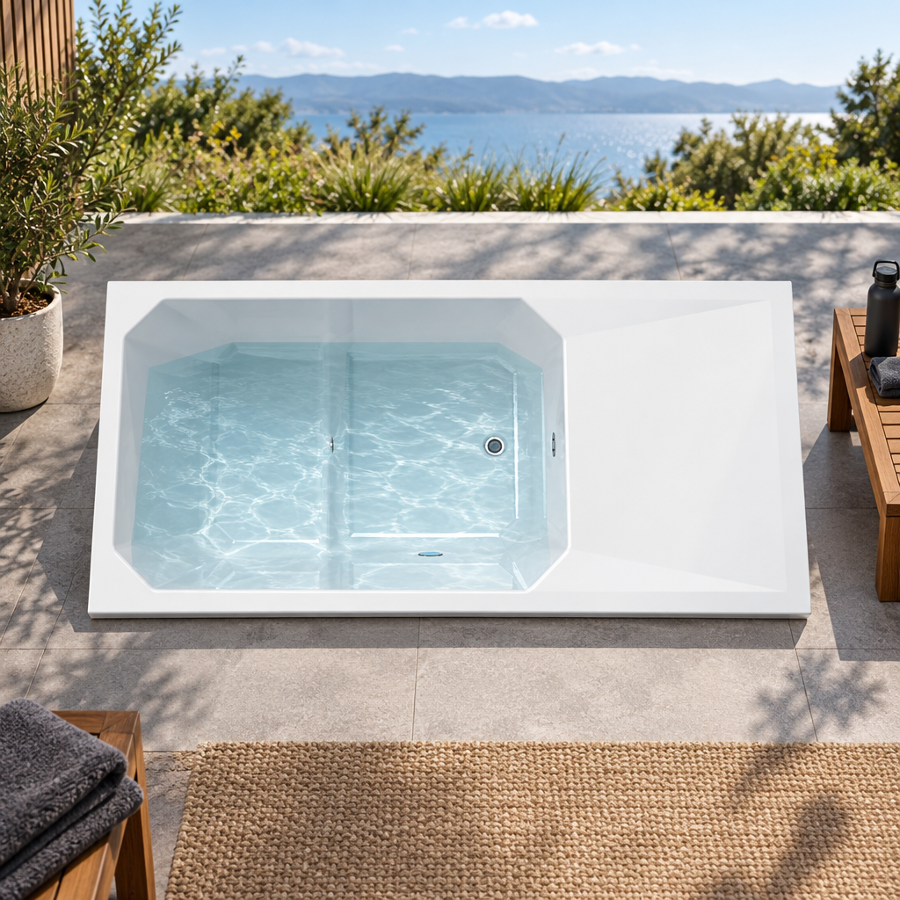
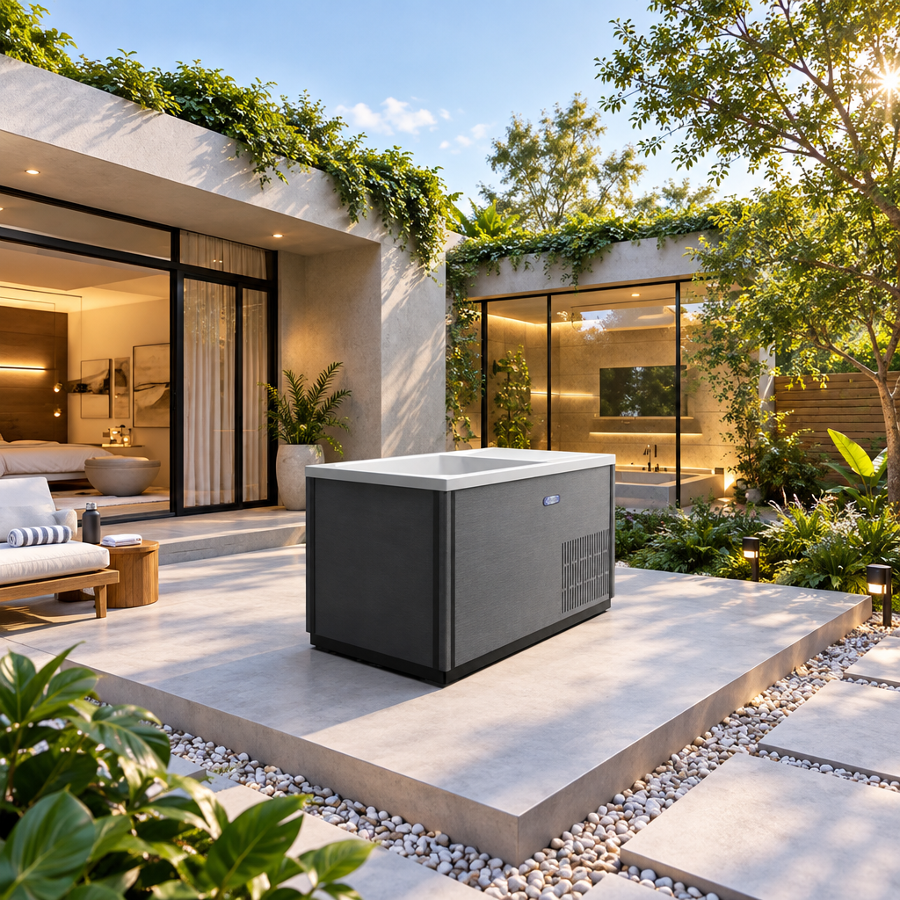
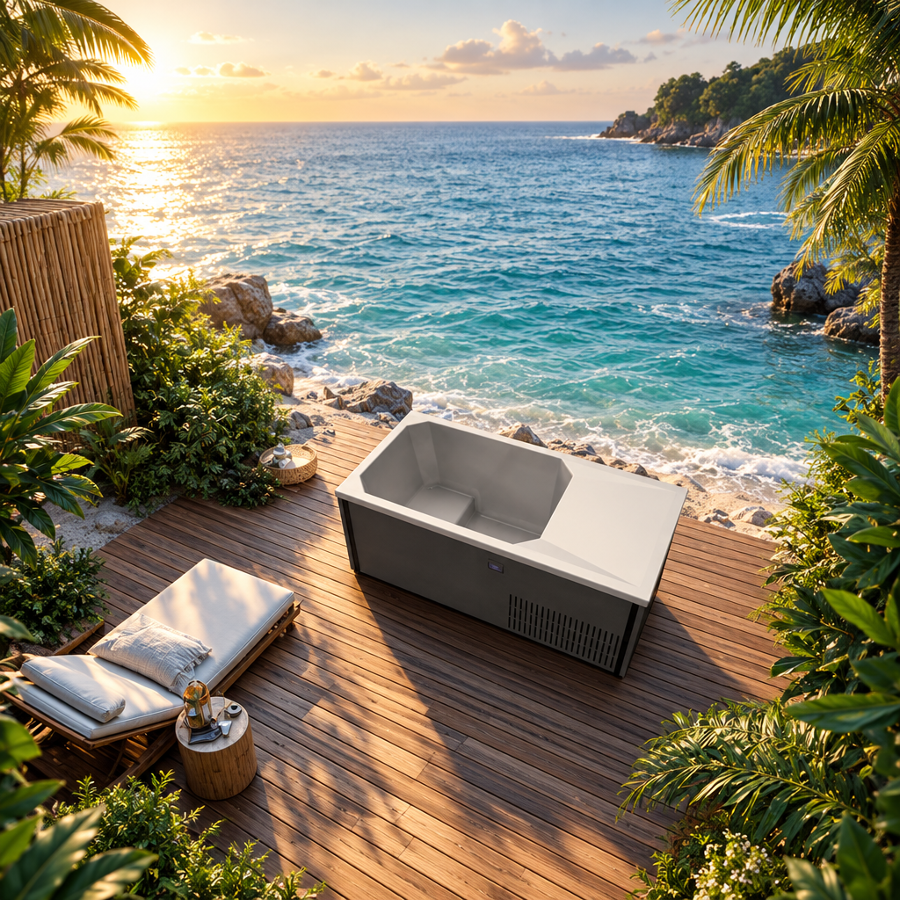
The Outdoor Cold Plunge Tub C02 demonstrates these engineering considerations for residential patios and athletic training studios. The system has a listed water capacity of 320 liters enclosed in an acrylic shell finished in Porcelain White, supported by composite cabinetry available in Platinum or Midnight tones.
With overall dimensions of 1695 mm by 830 mm by 850 mm, the tub includes an integrated resting step that allows users to sit upright during extended soaks. The system includes a 900 W heat pump control system paired with a 54 W brushless water pump, with a listed power supply rating of 0.954 kW according to the manufacturer’s specifications.
With a net weight of 140 kg (180 kg gross shipping weight) and an included insulated thermal cover, this integrated design provides the core components for temperature management. Actual temperature stability and performance depend on environmental conditions, usage patterns, and proper installation.
Optimizing Post-Plunge Rewarming Protocols
Stepping out of the tub initiates the afterdrop phenomenon, where cooled peripheral blood recirculates back toward the body core, potentially causing internal body temperature to decline further even after exit. Avoid abrupt rewarming methods if you are feeling unwell or experiencing significant cold stress.
Adopt a gradual rewarming strategy. Towel off thoroughly, put on warm dry clothing including wool socks, and consume lukewarm fluids if desired. Engaging in light, low-impact bodyweight mobility exercises like gentle air squats or deliberate movements can encourage natural heat production, though you should move cautiously and stop if you feel dizzy or unsteady.
If you choose to shower, use moderate rather than very hot water, and be prepared to sit down if you feel lightheaded. Monitor how you feel during rewarming and seek medical attention if concerning symptoms develop.
Frequently Asked Questions
Is a 10 minute cold plunge safe for daily practice?
Current evidence does not establish a universal safe or beneficial frequency for ten-minute cold immersion sessions. Individual tolerance varies based on health status, acclimatization, water temperature, and other factors. While some professional athletes use frequent cold immersion during competition periods, this does not mean daily ten-minute sessions are appropriate for all recreational users. Consult with a healthcare or sports science professional to determine a schedule suited to your individual circumstances.
Should you take a cold plunge right after weightlifting?
Some evidence suggests that immediate post-resistance-training cold immersion may attenuate hypertrophy adaptations. If your primary training objective is skeletal muscle growth or maximal strength development, consider avoiding cold immersion immediately after lifting. Research does not establish a specific safe delay interval; individual timing decisions should be based on training goals and professional guidance when available.
What temperature is appropriate for a 10-minute session?
Some exercise recovery studies have used water temperatures between 10°C and 15°C (50°F to 59°F) for multi-minute cold immersion. However, cold shock responses can occur even in this temperature range, and safety depends on individual health, acclimatization, and specific conditions. Water below 5°C presents heightened risks. Do not assume any temperature range is universally safe; assess your own tolerance and health status, and consult a healthcare provider if you have any concerns.
How should you warm up after exiting the water?
Begin by gently drying your skin with a towel and putting on warm, layered garments, paying special attention to covering your head and feet. Allow your body’s natural warming processes to restore core temperature gradually. If you shower, use moderate water temperature rather than very hot water, and be prepared to sit down if you feel lightheaded. Avoid abrupt rewarming if you are feeling unwell. Monitor your symptoms during rewarming and seek medical attention if concerning symptoms develop or persist.
Conclusion: Integrating Cold Immersion into Long-Term Health
Approaching the 10 minute cold plunge requires physiological awareness, gradual adaptation, and mindful attention to individual limits. Rather than treating extended immersion as an endurance challenge, consider it a recovery tool that may help reduce delayed onset muscle soreness and support mental clarity for some individuals. Outcomes vary, and cold immersion carries inherent risks that depend on personal health, water temperature, and exposure conditions.
Using water temperatures in the range some studies have explored, such as 10°C to 15°C, paired with hardware that includes temperature management components like those in the C02 cold plunge tub, provides a foundation for consistent practice. A 10 minute cold plunge should remain a carefully individualized practice rather than a rigid wellness target. Always respect your body’s warning signals, exit immediately when adverse symptoms appear, and let gradual acclimatization guide your long-term wellness routine. Consult healthcare professionals when appropriate, especially if you have preexisting health conditions or concerns about cold water immersion.
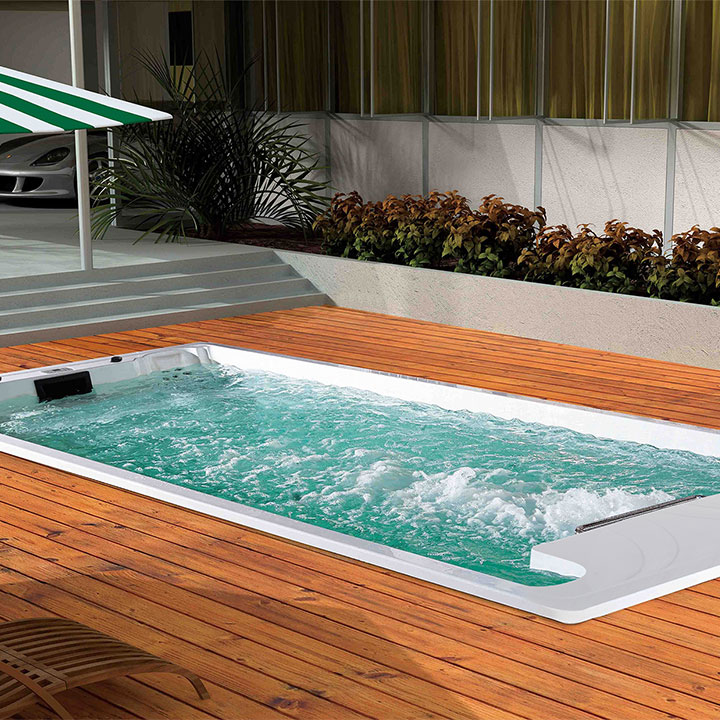
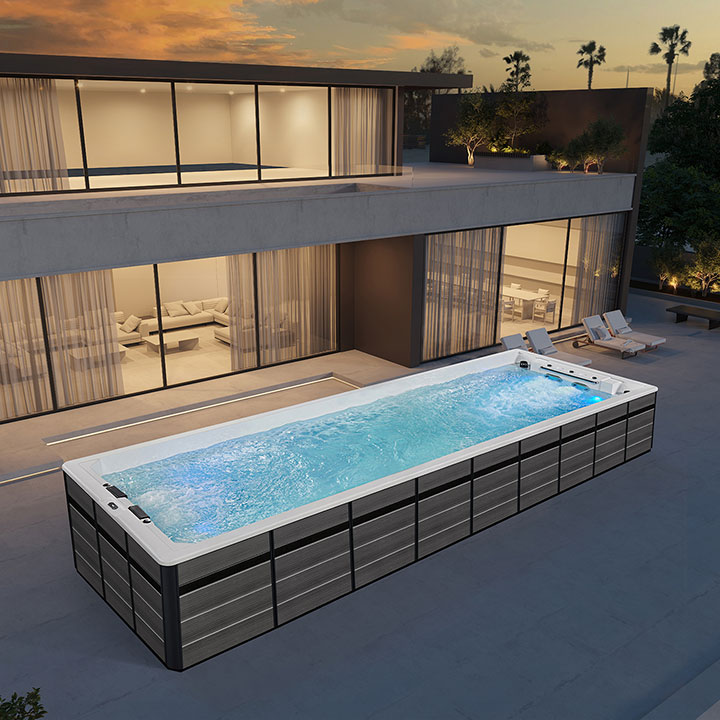
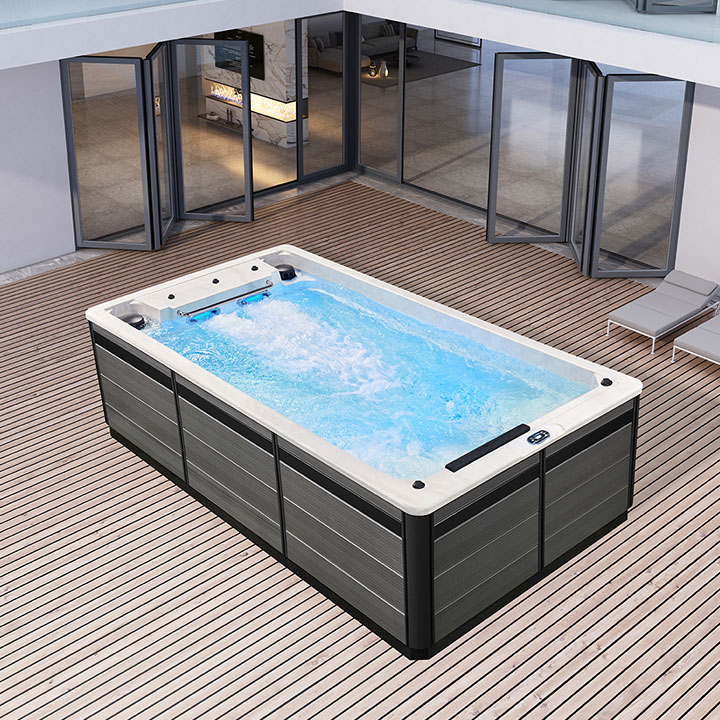
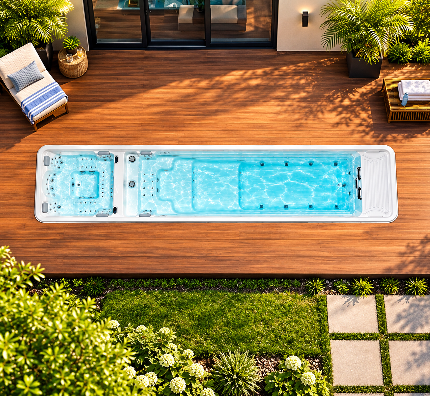
Victoria Star Swim Spa offers the perfect balance between exercise and relaxation, whether you want to swim for fitness or relax in the spacious seating.
Victoria Star Swim Spa offers the perfect balance between exercise and relaxation, whether you want to swim for fitness or relax in the spacious seating.