The Cold Shower Dopamine Effect: Why Cold Water Resets Your Brain
Home / News / The Cold Shower Dopamine Effect: Why Cold Water Resets Your Brain
October 01, 2026
What Actually Happens When Cold Hits Your Skin
Cold shower dopamine isn’t a wellness slogan invented for social media. It’s a measurable physiological response, and understanding it explains why so many people now chase the shiver on purpose. When cold water touches skin, the body triggers a cascade: blood vessels constrict, the nervous system spikes into alertness, and neurotransmitter levels shift in ways that outlast the shower itself.
The dopamine part matters most for people chasing mood benefits rather than muscle recovery. Cold exposure is one of the few voluntary, drug-free triggers known to raise circulating dopamine and noradrenaline, and the effect tends to linger for hours rather than fading the moment you step out. That’s a different mechanism than the fleeting rush from sugar or a notification ping. It’s slower, steadier, and harder to chase compulsively.
Why This Isn’t Just a Mental Trick
Skeptics assume the cold shower dopamine phenomenon is placebo dressed up as biohacking. It isn’t, and the distinction is worth making clearly. The body’s response to cold is rooted in the sympathetic nervous system, the same network that governs fight-or-flight reactions.
Cold exposure narrows blood vessels near the skin, a process called vasoconstriction, which redirects blood toward the body’s core. As the body rewarms, vessels dilate again, creating a pulse of circulation that some people describe as a rush. This constrict-dilate cycle is also central to how contrast hydrotherapy has been used for decades in sports recovery, long before anyone coined a catchy phrase for it.
Mental clarity after cold exposure isn’t imagined either. The alertness spike from noradrenaline is similar to what caffeine produces, minus the crash. That’s why athletes, and increasingly office workers, use a short cold exposure as a substitute for a second coffee.
The Muscle Recovery Angle Most People Miss
Dopamine gets the headlines, but cold exposure earned its place in sports medicine for a separate reason: inflammation control. Intense exercise creates microtears in muscle tissue, and the resulting inflammation is what causes next-day soreness.
Cold water immersion constricts blood vessels around sore tissue, which is believed to limit the inflammatory response and reduce swelling. This is the same principle behind icing a sprained ankle, just applied to the whole body. For athletes training daily, that recovery window is often the difference between showing up ready and showing up depleted.
This is where a dedicated cold plunge setup starts to outperform a cold shower. A shower gives you seconds of exposure at inconsistent temperatures. A plunge tub gives you controlled, full-body immersion at a set temperature for a set duration, which is closer to what recovery protocols actually call for.
Cold Shower vs. Dedicated Cold Plunge: What Changes
People often ask whether a cold shower delivers the same benefit as a plunge tub. The honest answer is partial. Showers offer convenience, but they can’t match depth of immersion, temperature consistency, or exposure duration.
Factor
Cold Shower
Cold Plunge Tub
Body coverage
Partial, uneven
Full immersion
Temperature control
Inconsistent, tap-dependent
Precise, thermostat-regulated
Session duration
Usually under 2 minutes
Adjustable, typically longer
Recovery focus
General alertness
Muscle-specific inflammation control
Repeatability
Weather/plumbing dependent
Consistent year-round
Neither option is wrong. A cold shower is a low-cost entry point for the dopamine and alertness effect. A plunge tub is the better tool when the goal is structured recovery, especially for anyone training multiple times a week.
What to Look for in a Home Cold Plunge Setup
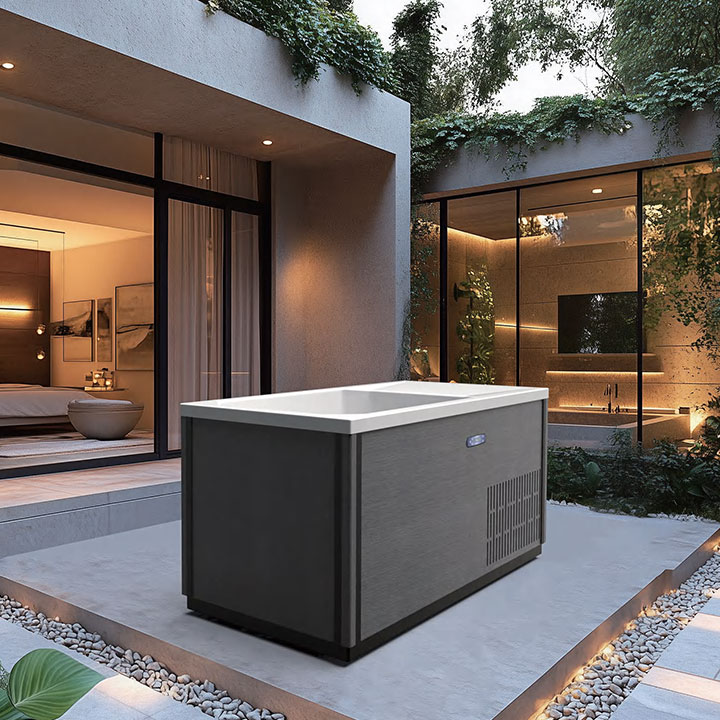
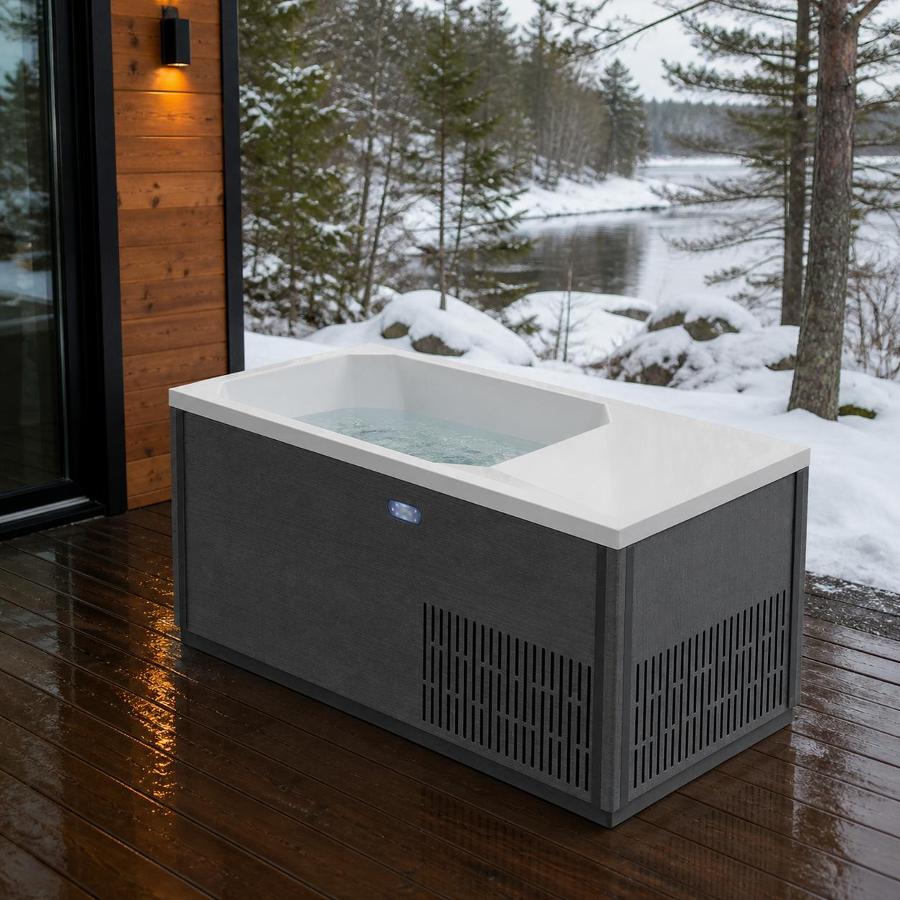
Once someone decides a shower isn’t cutting it anymore, the shopping decision gets more technical than expected. Temperature regulation is the first thing to check, since inconsistent cooling defeats the purpose of the exercise. Our Outdoor Cold Plunge Tub C02 addresses this with an integrated 900W heat pump system paired with a 54W brushless pump, keeping water temperature stable rather than relying on ice refills.
A few other factors matter just as much as temperature control:
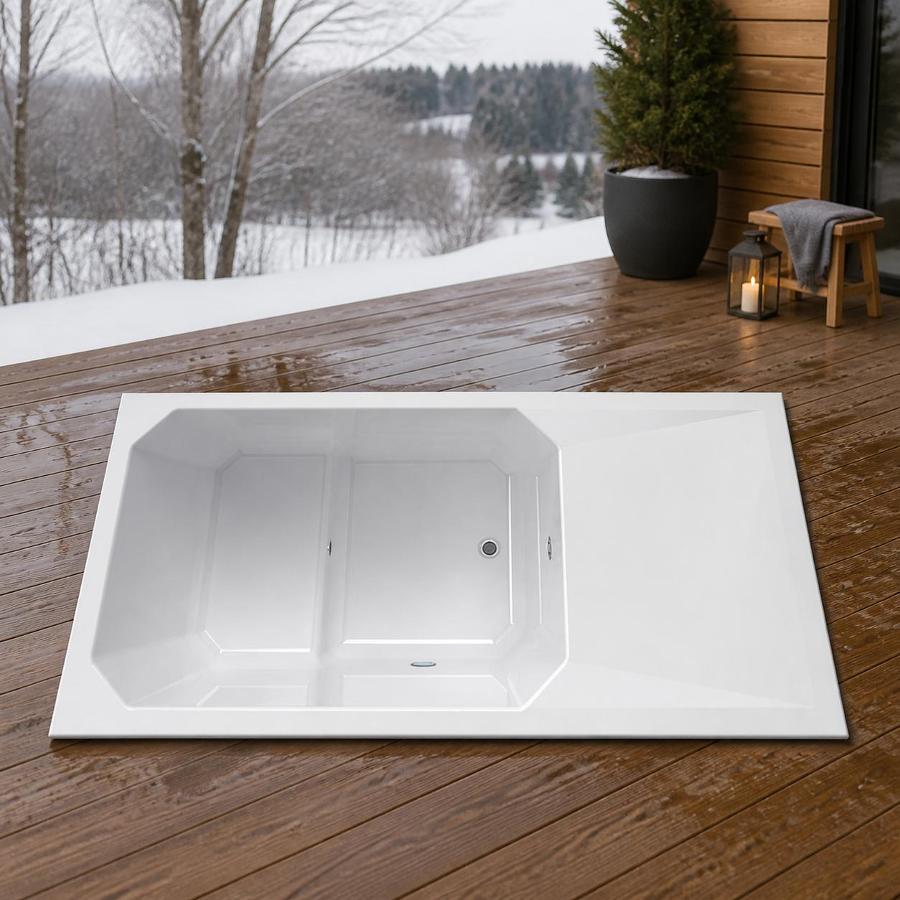
Interior space and ergonomics. A cramped tub discourages consistent use. The C02 holds 320 liters and includes an integrated entry step, which matters more than it sounds once you’re stepping into cold water at 6 a.m.
Build durability outdoors. Weather exposure degrades cheap materials fast. This unit uses a porcelain acrylic shell for the basin and a weather-resistant composite cabinet, available in Platinum or Midnight finishes.
Energy efficiency. Running a heat pump constantly adds up. At a total power draw of 0.954 KW, the system is built to hold temperature without excessive energy use.
Insulation when not in use. An included insulated cover reduces heat gain during downtime, which shortens the time needed to bring the water back to target temperature.
Where People Actually Use These Tubs
Cold plunge adoption has moved well past elite sports facilities. The use cases now split roughly into three categories, each with different priorities.
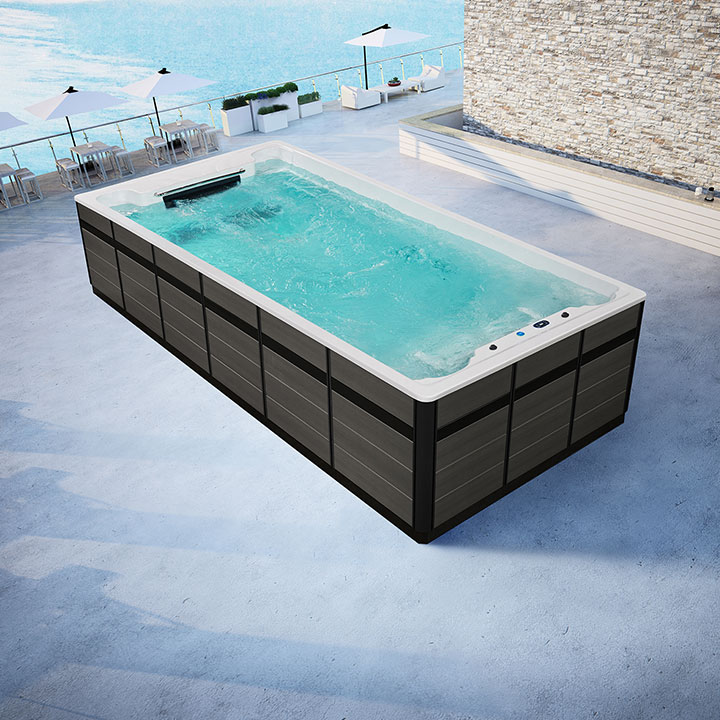
Home wellness setups. Backyard patios and private courtyards are the most common placement, often positioned near a deck or garden for a quiet morning routine.
Athletic training centers. Recovery rooms use plunge tubs as a standard post-session tool, similar to how foam rollers became routine gym equipment.
Boutique spas and hospitality venues. Resorts and wellness studios increasingly offer cold immersion as a paid add-on alongside sauna or massage services.
The C02’s dimensions, at 1695 mm by 830 mm by 850 mm, are sized to fit residential decks without requiring the kind of space commercial units demand. That sizing decision reflects where most demand actually sits: not in commercial facilities, but in ordinary backyards.
Building a Realistic Cold Exposure Routine
Nobody should jump into ice water for twenty minutes on day one. The nervous system needs to adapt, and rushing the process usually ends the habit before it starts. A more sustainable approach looks like this:
Start with cold showers for one to two weeks to build baseline tolerance.
Move to short plunge sessions, beginning around 30 to 60 seconds.
Gradually extend duration as breathing control improves under cold stress.
Keep water temperature consistent rather than progressively colder, since duration matters more than extremity.
Pair sessions with post-exercise timing if muscle recovery is the primary goal.
Consistency outperforms intensity here. Three short sessions a week for a month will do more for both mood and recovery than a single brutal plunge followed by weeks of avoidance.
Common Questions About Cold Exposure and Dopamine
Does the dopamine boost from cold exposure last all day? The elevated mood and alertness typically last a few hours rather than all day, though the exact duration varies by individual and exposure length.
Is a cold plunge better than a cold shower for mental health benefits? Both trigger the same underlying nervous system response. A plunge simply allows fuller body immersion and more consistent temperature, which some people find produces a stronger effect.
How cold does the water need to be? Protocols vary widely, and there’s no single universal number. What matters more than hitting an exact degree is consistent exposure at a temperature that feels genuinely cold, not just cool.
Can a home unit replace a professional recovery facility? For most personal or amateur athletic use, a well-built home unit like the C02 covers the core need: consistent, controlled cold immersion without scheduling around a facility’s hours.
The Bigger Picture on Cold Water and Wellness
Cold shower dopamine research keeps circling back to the same idea: the body’s stress response, when triggered briefly and voluntarily, produces benefits that outlast the discomfort. That’s true whether the exposure comes from a two-minute shower or a dedicated plunge session designed around muscle recovery.
What separates a passing trend from a lasting habit is usually the equipment. A shower gets people curious. A properly built cold plunge tub, with steady temperature control and enough interior space to sit comfortably, is what turns curiosity into a routine people actually keep. For us at Victoria Star, that’s the gap the Outdoor Cold Plunge Tub C02 was built to close, giving the cold shower dopamine effect a more consistent, deliberate home.
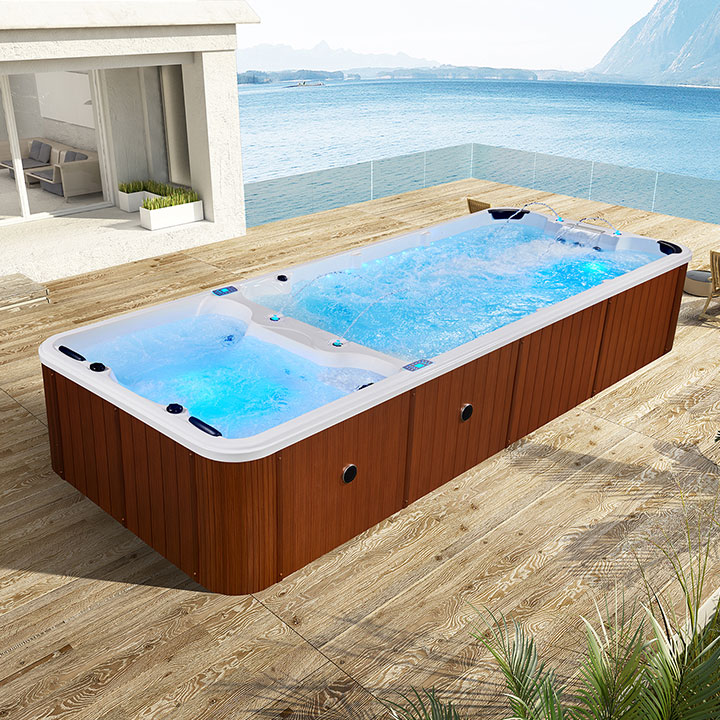
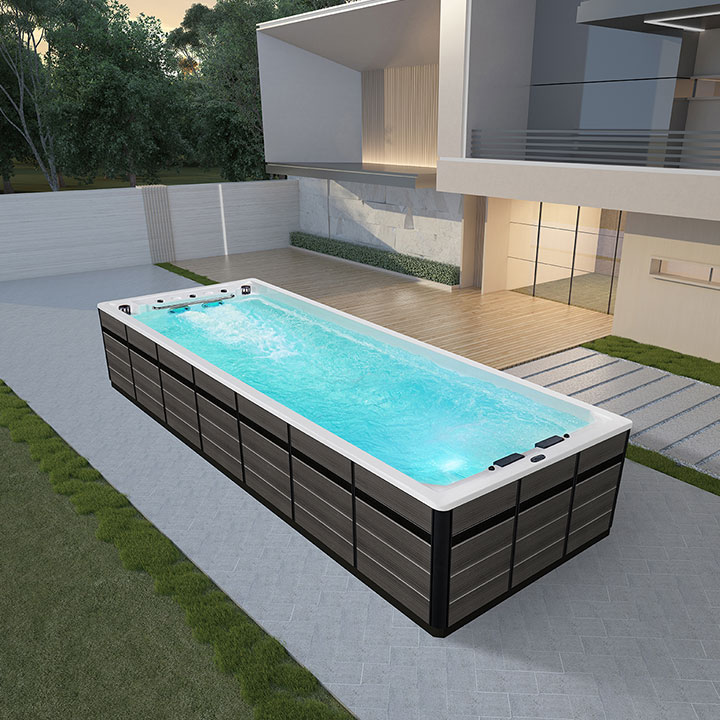
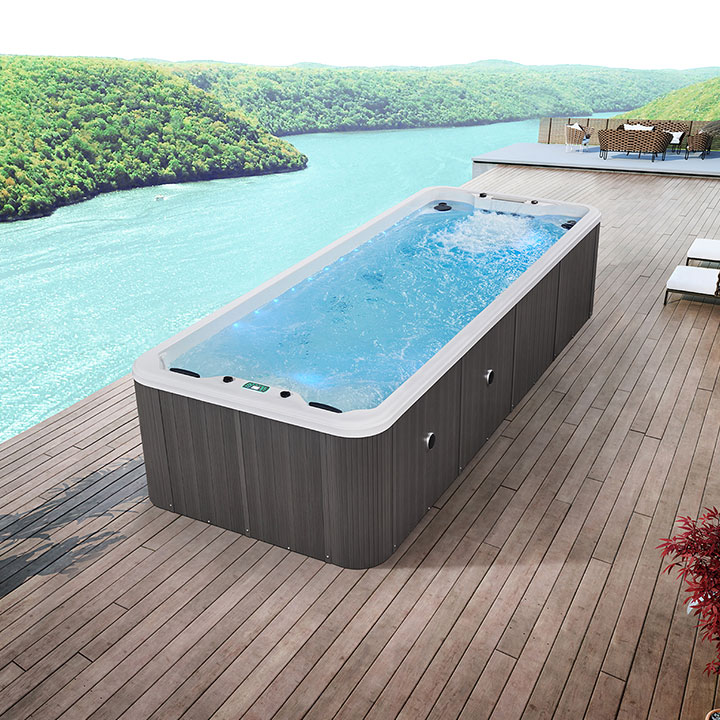
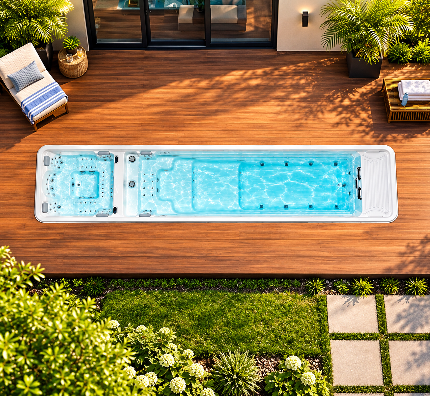
Victoria Star Swim Spa offers the perfect balance between exercise and relaxation, whether you want to swim for fitness or relax in the spacious seating.
Victoria Star Swim Spa offers the perfect balance between exercise and relaxation, whether you want to swim for fitness or relax in the spacious seating.