The Cold Plunge Challenge: What Actually Happens to Your Body
Home / News / The Cold Plunge Challenge: What Actually Happens to Your Body
September 30, 2026
Search "cold plunge challenge" and you will find a flood of viral videos, gasping influencers, and 30-second dares. But behind the spectacle sits a real physiological process worth understanding before you step in. Cold immersion is not a stunt. It is a stress response your body has used for centuries, and knowing how it works changes how you approach the challenge itself.
This guide breaks down the science, the risks, and the practical setup decisions that separate a productive cold plunge challenge from a reckless one.
What Is the Cold Plunge Challenge, Exactly
At its core, the challenge is simple: submerge your body in cold water, usually between 50°F and 59°F, for a set period. Some people aim for 30 seconds. Others push toward three minutes.
The appeal isn’t just bragging rights. Cold exposure triggers a cascade of vascular and hormonal responses that athletes, biohackers, and everyday people have chased for decades. The "challenge" framing just makes it social and trackable, which is partly why it spread so fast online.
Why Cold Water Affects the Body So Strongly
Submerging in cold water causes blood vessels near the skin to constrict almost immediately. This is a survival reflex, not a wellness trick. Your body is redirecting blood toward the core to protect vital organs from heat loss.
Once you exit the water and warm up, those vessels dilate again. This constrict-and-dilate cycle is the mechanism most cold plunge benefits are built around. It’s the same principle behind contrast hydrotherapy, where alternating hot and cold exposure is used to stimulate circulation.
There’s also a neurochemical piece. Cold exposure prompts a release of endorphins, which explains why so many people describe a sense of mental clarity or calm right after getting out, even though the moment of entry feels miserable.
The Real Benefits, Without the Hype
It’s worth separating documented physiological responses from marketing language that’s crept into the space. Here’s what cold immersion is generally understood to support:
Reduced muscle soreness after exercise. Vasoconstriction limits swelling and inflammation in overworked tissue, which is why athletes have used ice baths for recovery long before it became a social media trend.
Improved circulation over repeated sessions. The constrict-dilate cycle acts like a workout for your blood vessels, training them to respond more efficiently.
A mood lift tied to endorphin release. Many users report lower stress and sharper focus in the hours following a plunge.
A built-in mental discipline exercise. Forcing yourself into discomfort on a schedule builds tolerance that some people find carries into other areas of life.
None of this replaces medical treatment, and individual responses vary quite a bit based on fitness level, existing health conditions, and how the body was prepared beforehand.
Who Should Be Cautious
Cold plunges put real stress on the cardiovascular system. That stress is the point, but it also means the challenge isn’t universally safe.
People with heart conditions, uncontrolled high blood pressure, or Raynaud’s syndrome should talk to a doctor before joining in. Pregnant individuals and anyone with cold-related allergic reactions (like cold urticaria) also fall into this category. The sudden vasoconstriction can spike blood pressure in ways that are risky for a compromised cardiovascular system.
If you’re healthy and simply new to cold exposure, the bigger risk is usually poor technique rather than the cold itself. Hyperventilating on entry, staying in too long, or standing up too fast afterward cause more problems than the water temperature does.
Setting Up for the Challenge: DIY Ice Bath vs. Dedicated Tub
A lot of people start their cold plunge challenge with a bathtub and a few bags of ice. It works, technically, but it’s inconsistent. Temperature swings fast, ice runs out mid-session, and there’s no way to hold a steady number day after day.
For anyone doing this regularly rather than as a one-time dare, the setup matters more than people expect.
Setup Type
Temperature Control
Session Consistency
Effort Per Use
Bathtub + bagged ice
Poor, drifts within minutes
Low, varies by ice quantity
High, requires ice restock
Cooler with ice
Moderate
Moderate
High, manual refilling
Dedicated cold plunge tub with heat pump
Precise, holds set temperature
High, repeatable daily
Low, controlled digitally
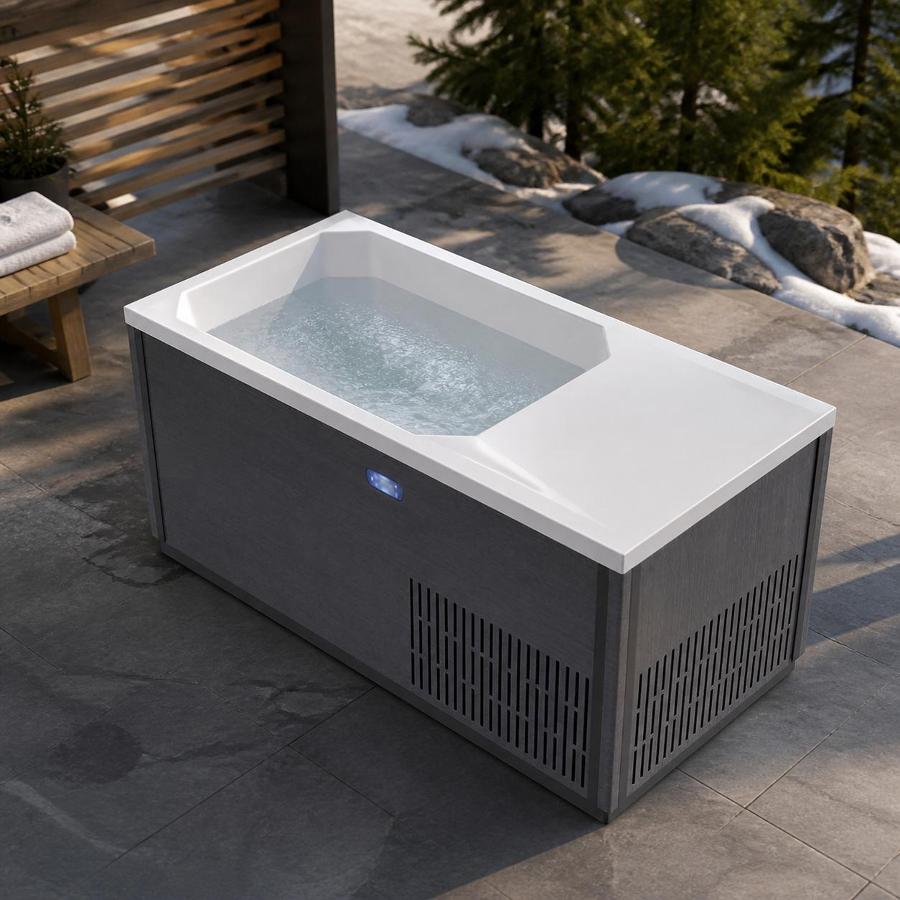
This is where purpose-built equipment earns its place. A tub like the Outdoor Cold Plunge Tub C02 uses an integrated 900W heat pump system paired with a 54W brushless pump to hold a consistent low temperature without the guesswork of ice deliveries. For someone committing to a 30-day challenge rather than a single dare, that consistency is what actually makes the habit stick.
Reading the Specs: What Actually Matters
If you’re shopping for a dedicated unit rather than improvising with ice, a few specifications tell you more than marketing copy ever will.
Water capacity determines how much thermal mass you’re working with. The C02 holds 320 liters, which is enough for full-body immersion without excessive water waste.
Heater output affects how quickly the unit returns to your target temperature between sessions. A 900W heat pump handles this without spiking your energy bill the way a resistive heater might.
Shell material matters for longevity outdoors. The C02 uses a porcelain acrylic shell, which holds up better against UV exposure and temperature swings than cheaper plastics.
Cabinet construction affects how the unit weathers rain and sun. Vented composite panels, available in Platinum or Midnight finishes, help manage moisture buildup around the pump housing.
None of these specs are exciting on their own, but together they decide whether your tub survives two years on a patio or degrades after one humid summer.
Building a Realistic Cold Plunge Challenge Routine
Jumping straight into a three-minute plunge on day one is how most people quit by day three. A more sustainable approach looks like this:
Start at 15 to 30 seconds in water around 59°F, focusing on steady breathing rather than duration.
Increase time gradually, adding 15 to 30 seconds every few sessions once your body adapts.
Lower the temperature slowly, rather than dropping to the coldest setting immediately.
Track how you feel afterward, not just during the plunge. Energy and mood shifts in the following hours are often more telling than the discomfort itself.
Rest between sessions. Daily plunges work for some people, but three to four times a week is a reasonable starting cadence for most.
This kind of progression is much easier with equipment that holds a stable, adjustable temperature, since guessing at ice ratios makes gradual adaptation almost impossible.
Where People Actually Use These Setups
Cold plunge tubs aren’t limited to backyard wellness routines anymore. Based on how these units get deployed, common settings include:
Private patios and backyard decks for daily personal use
Athletic training facilities where recovery time between sessions matters
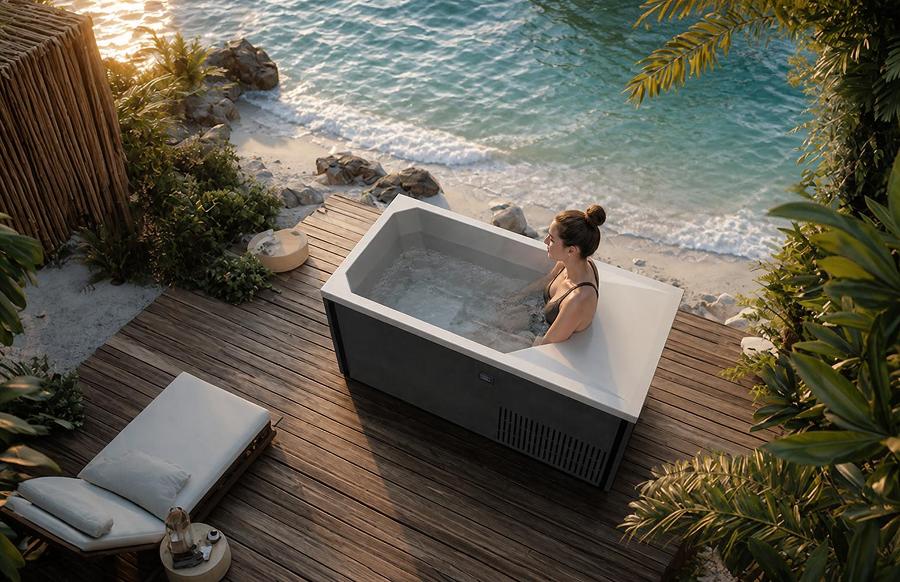
Resort villas and coastal properties where guests want a post-swim reset
The common thread across all of these is repeatability. A single ice bath is a stunt. A tub that holds temperature reliably is infrastructure for an actual habit.
Common Questions About the Cold Plunge Challenge
Is 50°F too cold for a beginner? For most first-timers, water in the high 50s Fahrenheit is more approachable. Extremely cold temperatures below 50°F are better reserved for people who’ve built up tolerance over weeks, not days.
How long should a session last? There’s no universal number, but most people doing this regularly settle somewhere between one and three minutes. Duration matters less than consistency over time.
Can I do this every day? Some people do, but daily use isn’t necessary to see benefits. Three to four sessions per week is a common, sustainable pattern that still allows for the recovery benefits between plunges.
Does a heat pump system freeze the water like ice does? No. A heat pump system, like the one built into the C02, cools water to a controlled set point rather than relying on melting ice, which keeps the temperature stable rather than dropping sharply and then warming as ice melts.
Is a dedicated tub worth it over a DIY setup? It depends on frequency. For occasional use, ice and a tub work fine. For anyone treating this as a long-term challenge or daily habit, the consistency of a dedicated system tends to matter a lot more than the upfront cost suggests.
Making the Cold Plunge Challenge a Habit, Not a Stunt
The viral version of the cold plunge challenge is built around shock value. The version that actually changes how you feel week over week is built around consistency, sensible progression, and equipment that doesn’t force you to guess at your own water temperature.
Whether you’re using a bathtub full of ice or a dedicated setup like the C02 with its integrated heat pump and 320-liter basin, the principle stays the same. Respect the physiological stress you’re putting your body through, progress gradually, and treat the cold plunge challenge as a habit worth building rather than a video worth posting once.
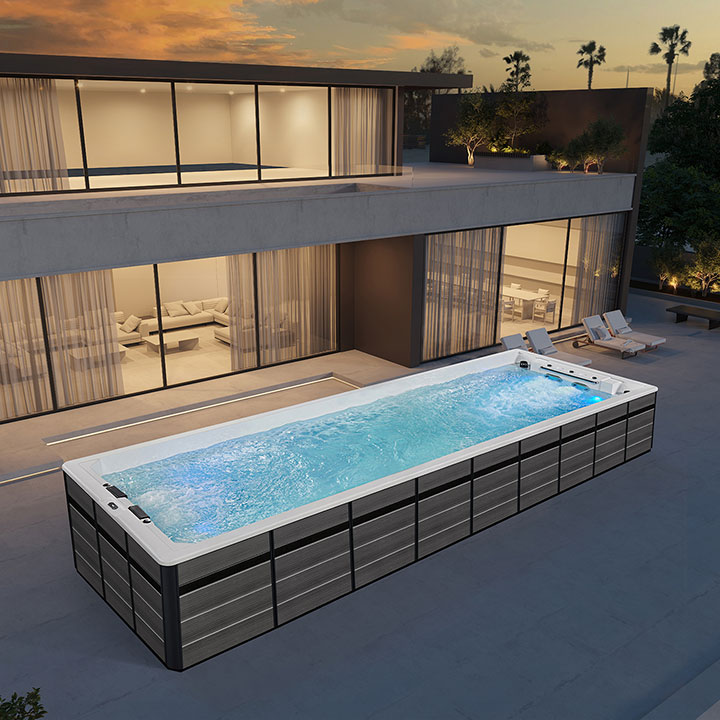
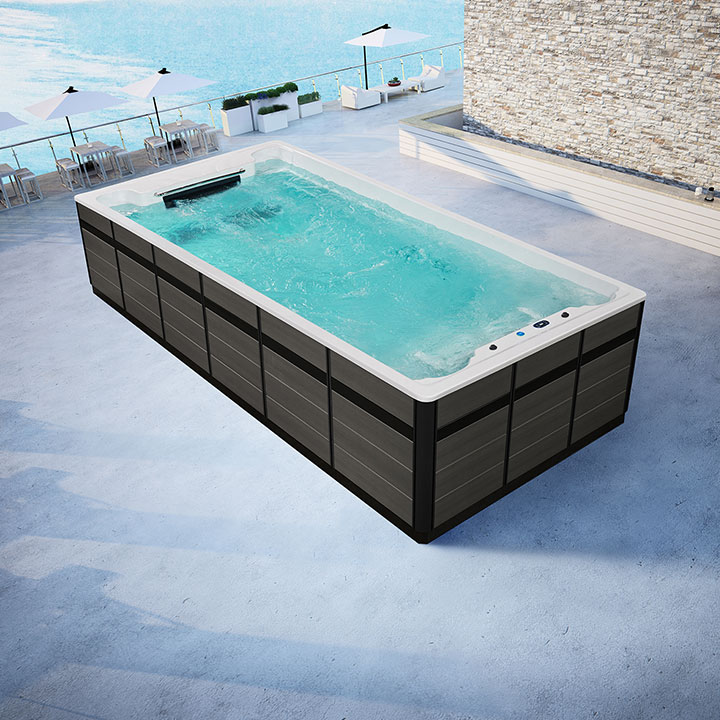
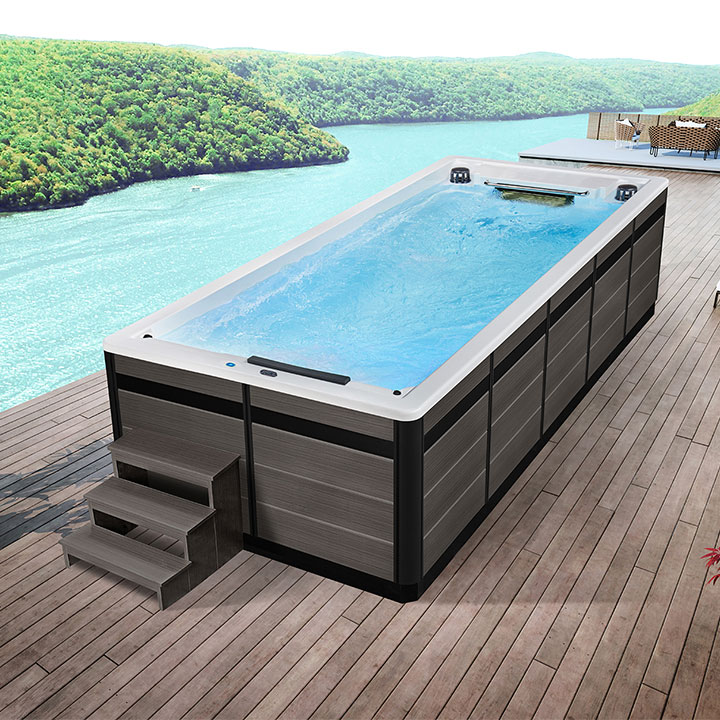
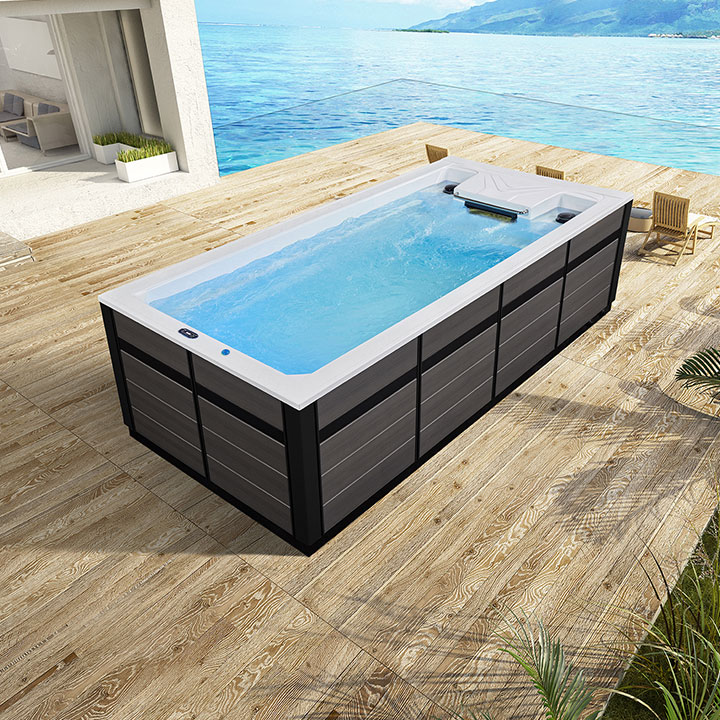
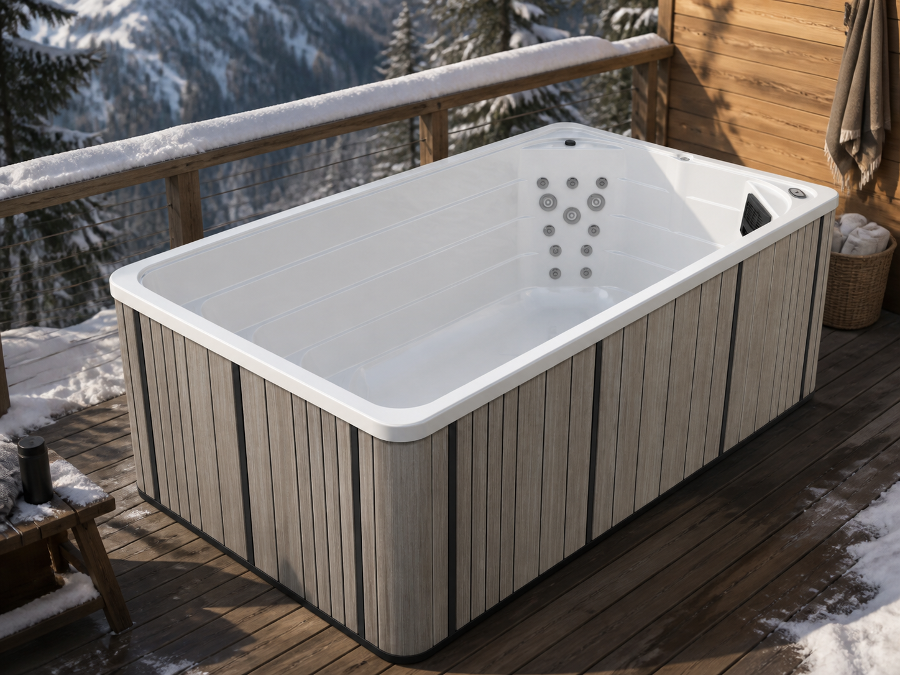
Victoria Star Swim Spa offers the perfect balance between exercise and relaxation, whether you want to swim for fitness or relax in the spacious seating.
Victoria Star Swim Spa offers the perfect balance between exercise and relaxation, whether you want to swim for fitness or relax in the spacious seating.