Home / News / Sauna vs Hot Tub: Which Is Better for Relaxation?
September 29, 2025
At Victoria Star, we often get asked: “Should I get a sauna or a hot tub for relaxation?” Both provide soothing warmth and therapeutic benefits—but which one is better depends on your goals, lifestyle, space, and budget. In this article, we compare saunas and hot tubs across multiple dimensions to help you decide which is the ideal fit for your wellness retreat at home.
What Are Saunas and Hot Tubs?
Sauna: Dry Heat Therapy
A sauna is a heated room or enclosure where the air is warmed to high temperatures (typically between 70–100 °C / 158–212 °F). The environment is usually dry or semi-dry (e.g., traditional Finnish sauna) or uses infrared heaters. The purpose is to induce sweating, raise your core temperature, and create a restorative heat experience.
Hot Tub: Hydrotherapy Soak
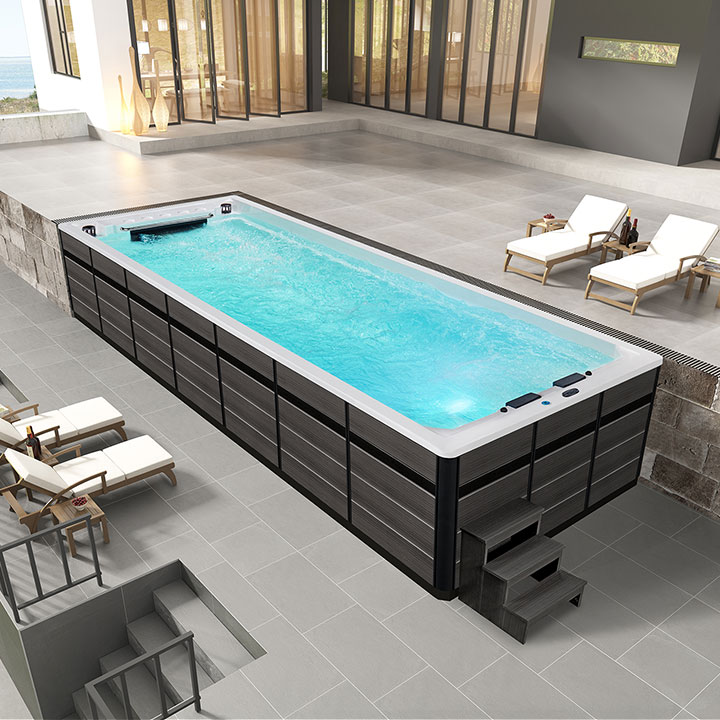
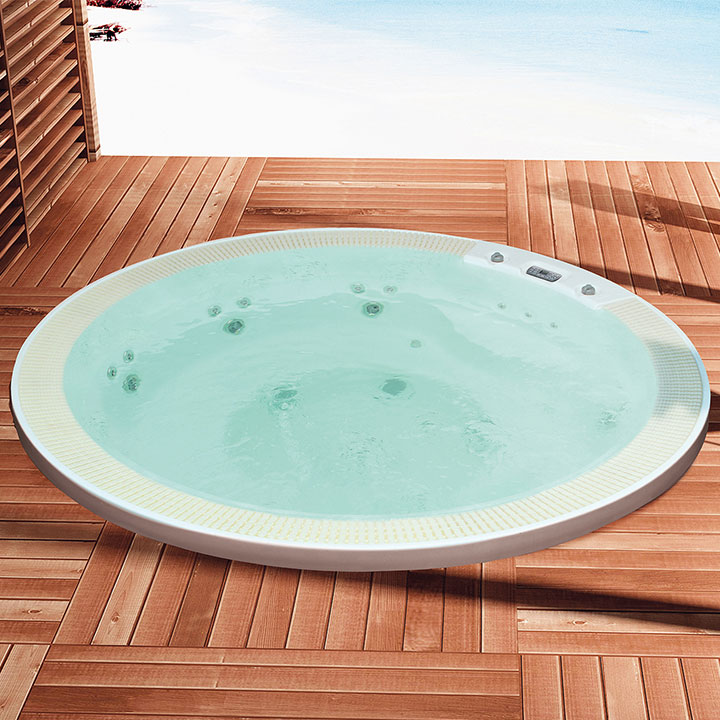
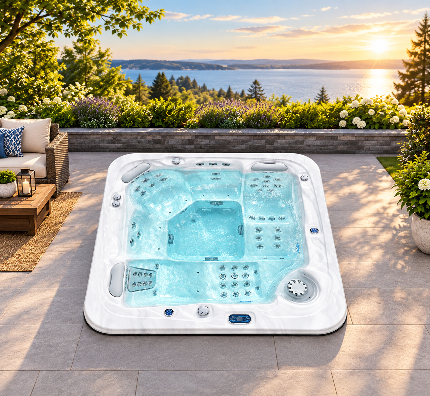
A hot tub is a water-filled tub or spa, often equipped with jets and temperature controls, where you immerse your body in warm water (generally 38–40 °C / 100–104 °F). At Victoria Star, our hot tubs are designed with advanced hydrotherapy jets, insulation systems, and ergonomic seating for a relaxing soak experience.
While both methods promote heat therapy, the mechanisms differ: a sauna uses heated air, while a hot tub uses heated water plus hydrostatic pressure and massage.
Key Criteria for Comparison
To fairly compare saunas and hot tubs, we’ll evaluate them on the following:
Relaxation and stress relief
Health & wellness benefits
Comfort and experience
Maintenance, cost & energy use
Space, installation & flexibility
Relaxation & Stress Relief
Sauna: Deep Heat, Mindful Calm
Saunas are excellent for creating a meditative, cleansing ritual. The dry, enveloping heat encourages deep sweating, which many users find mentally relaxing. The quiet, minimalistic environment of a sauna also supports mindfulness or quiet reflection, making it a favorite for stress relief.
Because the heat penetrates through convection and radiation, many people report a feeling of “cleansing from the inside out.” The rise in core temperature can trigger the release of endorphins, further enhancing mood.
Hot Tub: Gentle Immersion + Massage
A hot tub offers not just warmth, but the soothing effect of buoyancy and jet-driven massage. The gentle pressure on muscles and joints helps reduce tension and creates a sense of weightlessness. Many users find that combining warmth and hydrotherapy is a more immediate, tactile way to unwind.
The rhythmic bubbling and soft ambient lighting (present in many modern spas) also contribute to calming the senses. In short, while a sauna gives a heat-driven reset, a hot tub gives heat + massage + water comfort.
Health & Wellness Benefits
Sauna Benefits
Cardiovascular stimulation: The heat causes blood vessels to dilate, increasing circulation and mimicking light cardiovascular exercise.
Detoxification through sweating: Promotes elimination of toxins via the skin.
Immune support: Some studies suggest saunas may support immune response by triggering heat-shock proteins.
Muscle recovery: Post-exercise, a sauna session may help flush metabolic waste and relax tight muscles.
Hot Tub Benefits
Hydrotherapy & joint relief: The buoyancy reduces stress on joints, while jets massage targeted areas such as the back or calves.
Muscle relaxation: Warm water helps loosen stiff muscles and may speed recovery.
Sleep enhancement: A soak before bed may help you fall asleep faster and improve sleep quality.
Enhanced circulation: Warm water causes vasodilation; the hydrostatic pressure encourages better blood return to the heart.
Safety & Contraindications
Both saunas and hot tubs raise body temperature and blood flow—people with cardiovascular conditions, hypertension, pregnancy, or certain medical issues should consult a doctor before use. Time limits matter: 15–20 minutes per session is typical. Overuse can cause dehydration or heat stress.
Comfort & User Experience
Sensory Differences
Sauna: Dry or slightly humid air, a lower noise environment, tactile heat on skin, little to no external stimuli.
Hot Tub: Water envelops the body; you may feel jets or bubbles, ambient lighting, water reflections, and possible sounds from pumps or jets.
Temperature & Duration
In a sauna, you can tolerate higher temperatures for shorter times (10–20 min). In a hot tub, the comfortable range is narrower and lower. Soak times might range from 20–30 minutes, possibly longer if the temperature is mild.
Versatility of Use
Hot tubs often allow social use—couples or families can enjoy them together. Saunas are often used more individually or with one companion, where silence is part of the ritual.
Maintenance, Energy & Cost
Sauna Considerations
Energy use: Heating a room or enclosure requires insulation but typically is energy-efficient once warmed.
Ventilation & humidity control: Venting and moisture control are needed for longevity and user comfort.
Installation costs: Construction of a sauna room, electrical wiring, and proper insulation.
Hot Tub Considerations
Energy use: Hot tubs need continuous heating and pump operation. Efficient models use insulation, thermal skirts, and energy-saving controls to reduce loss.
Water treatment & sanitation: Requires chemicals, filters, UV/ozone systems, and regular water changes.
Mechanical maintenance: Pumps, jets, and heating elements must be maintained or replaced.
Installation costs: Plumbing, electrical hookup, site preparation, and base construction.
Because hot tubs operate continuously, their running cost is typically higher than a sauna’s intermittent use cost. But a well-insulated, energy-efficient hot tub mitigates much of that differential.
Space, Installation & Flexibility
Spatial Constraints
Saunas require a dedicated, insulated room or enclosure with appropriate clearances, ventilation, and a correct electrical setup. Hot tubs can be placed outdoors, indoors, in a garage conversion, or partly sunk. Existing infrastructure may influence ease of installation.
Flexibility & Seasonal Use
Saunas generally function year-round indoors or in sheltered additions. Hot tubs allow you to soak outside in winter (if winterized) or indoors. Some designs are modular and portable.
Integration with Other Features
Many luxury homes combine both: a sauna plus a hot tub or plunge pool, offering complementary therapies. If your goal is to build a full spa zone, your decision should consider layout, plumbing, and electrical planning.
Why Many Homeowners Choose Hot Tubs
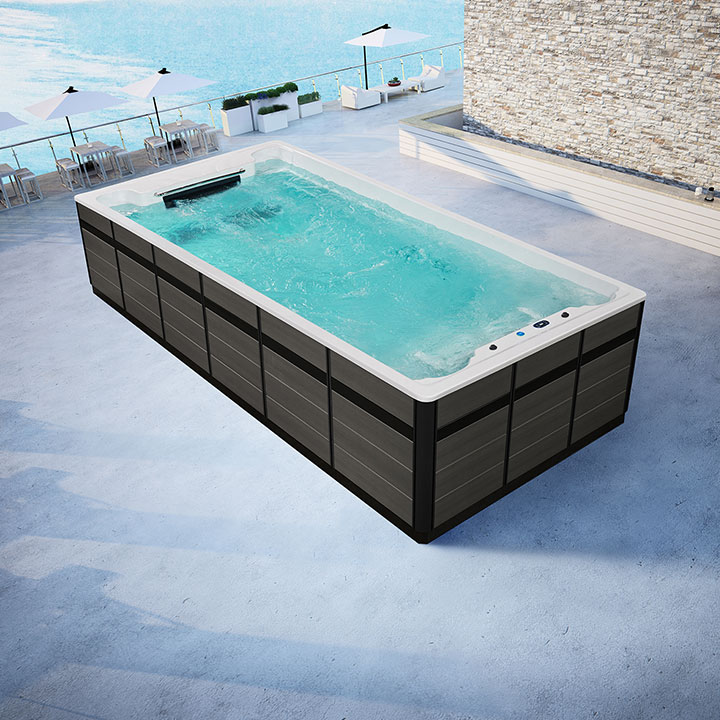
At Victoria Star, our core strength lies in designing world-class hot tubs and swim spas that combine modern aesthetics, energy efficiency, hydrotherapy functionality, and ease of maintenance. For those looking for both soothing warmth and the massage effect of water, a hot tub is often the more compelling choice.
In addition, our designs incorporate advanced insulation, efficient heating systems, UV/ozone water purification, and ergonomic configurations to reduce cost, maintenance effort, and environmental impact. We also provide warranty support, modular designs, and flexible customization to suit a variety of site conditions and usage patterns.
That said, for someone whose priority is a simpler, lower-maintenance, meditative heat ritual, a sauna might still be the more appropriate choice. Some users even combine both systems—using a sauna to preheat and then cooling into a plunge or following up with a hot tub soak for contrast therapy.
Tips for Choosing (and Using) Either System
Assess your goals: Are you seeking muscle relief, deep heat, social relaxation, or a combination?
Measure your space and power availability: Check for sufficient electrical capacity and structural support.
Try both: Visit showrooms or wellness centers to test heat vs soak, and see what your body prefers.
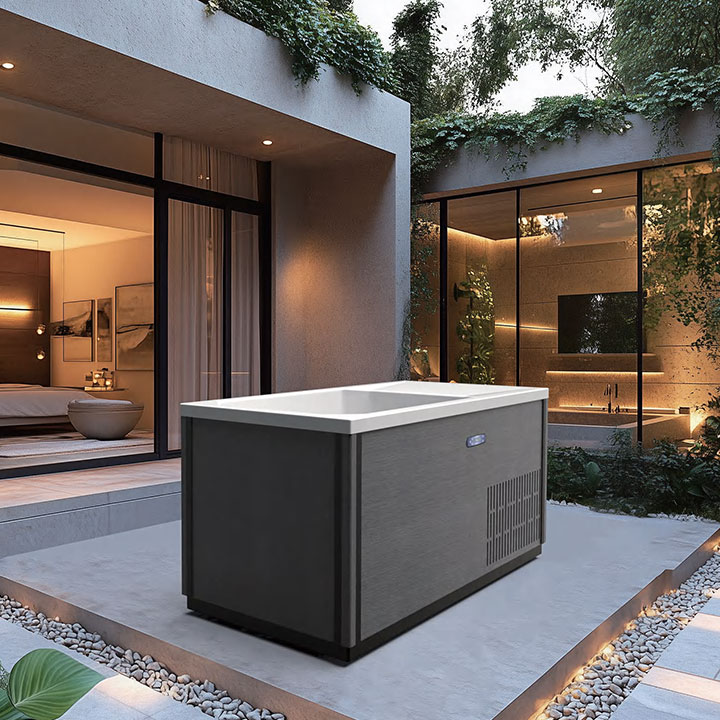
Combine if possible: Some of the best spa experiences alternate heat, cold plunge, and water therapy in sequence.
Conclusion
Saunas and hot tubs both offer unique paths to relaxation, wellness, and restorative heat therapy—but they do so in different ways. Saunas deliver dry, penetrating heat that encourages sweating, mental clarity, and cardiovascular stimulation with relatively low maintenance. Hot tubs deliver warmth plus buoyancy and hydrotherapy that soothe muscles and joints, ideal for physical recovery and comfort.
For many homeowners, a premium hot tub offers a more versatile, immersive experience—especially when backed by energy-efficient design and smart water systems. But if your priority is a minimalist heat ritual or lower upkeep, the sauna is an excellent choice.
In the end, your body and lifestyle should guide the decision. If you want help selecting a specific model or design that fits your space, Victoria Star is happy to offer consultation and specifications to help you build your perfect home wellness retreat.
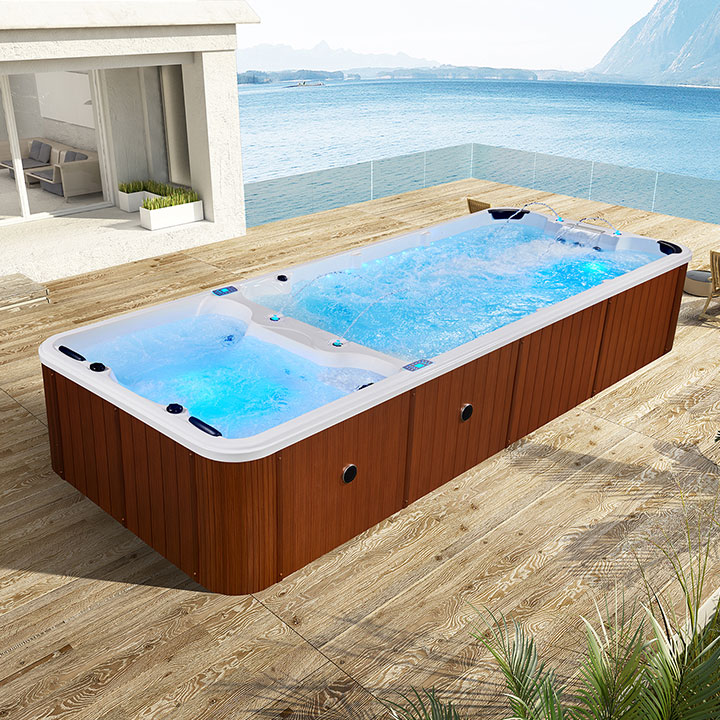
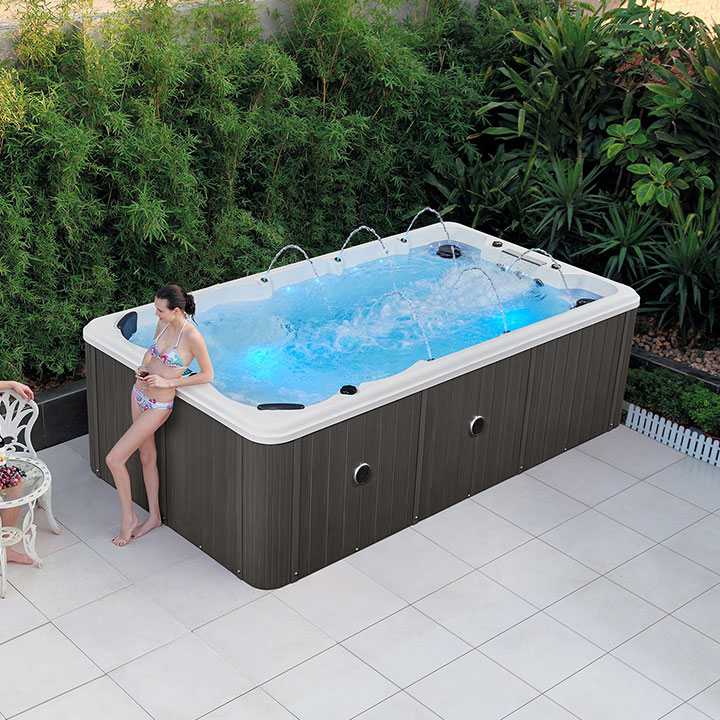
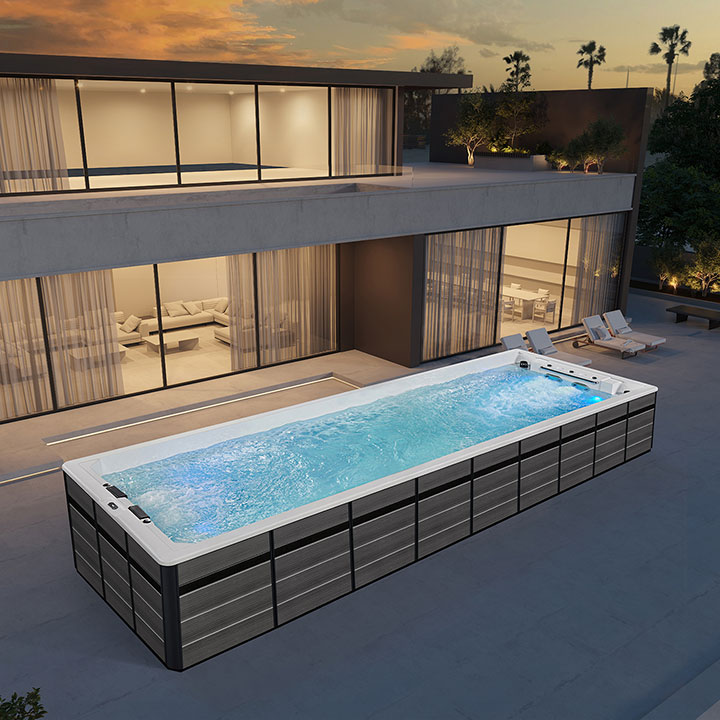
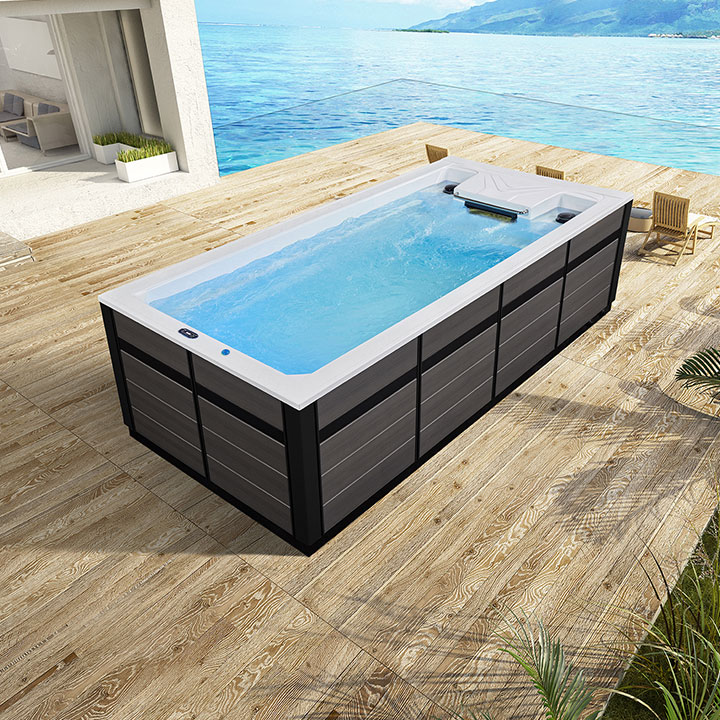
Victoria Star Swim Spa offers the perfect balance between exercise and relaxation, whether you want to swim for fitness or relax in the spacious seating.
Victoria Star Swim Spa offers the perfect balance between exercise and relaxation, whether you want to swim for fitness or relax in the spacious seating.