Navigating the Search for a 1 Person Outdoor Jacuzzi: Compact Hydrotherapy and Site Planning Guide
Home / News / Navigating the Search for a 1 Person Outdoor Jacuzzi: Compact Hydrotherapy and Site Planning Guide
November 05, 2026
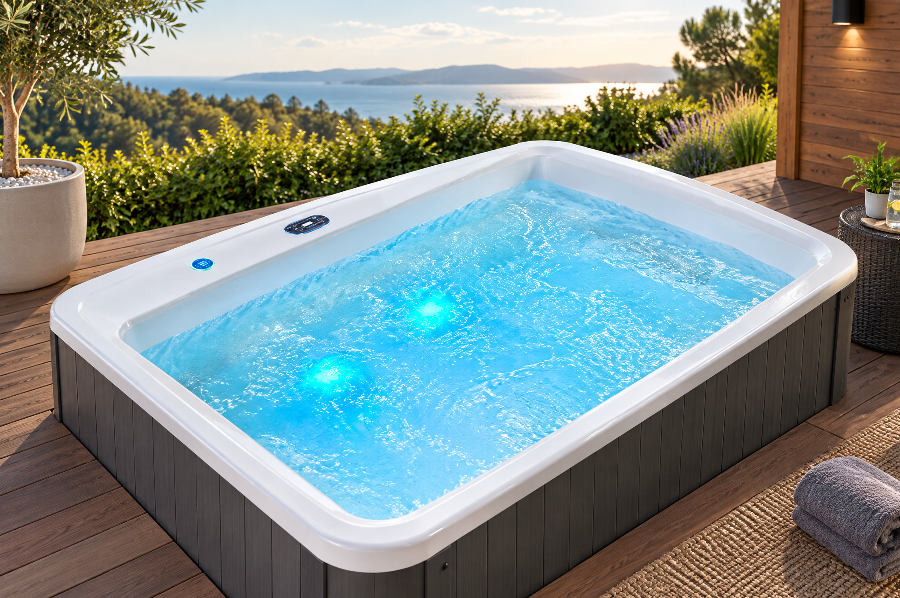
Many homeowners exploring personal wellness solutions begin their journey by searching for a 1 person outdoor jacuzzi. The vision is straightforward: a private, compact warm-water retreat dedicated to single-user hydrotherapy, requiring minimal yard space and lower maintenance. Yet when exploring the market, prospective buyers often discover a design reality that shapes their choices: most compact hot tubs accommodate two to three occupants rather than a single isolated seat. Understanding the engineering and ergonomic reasons behind this approach helps buyers make informed decisions for compact patios, timber decks, and garden courtyards.
Compact hydrotherapy requires balancing physical comfort, heating dynamics, water chemistry, and structural site engineering. Rather than cramming high-pressure plumbing into an isolated bucket seat, modern engineering optimizes smaller footprints by pairing tailored upright therapy stations with an extended full-body lounger. This guide examines the essential planning factors, mechanical systems, and layout principles you need to choose an outdoor hot tub suited for daily personal use.
Understanding the Design Reality of Compact Personal Hot Tubs
In outdoor settings, a vessel designed solely for one seated individual holds a very small volume of water. Limited water volume can present thermodynamic considerations: heat retention depends on the spa’s insulation quality, cover design, exposed surface area, and ambient weather conditions. Insulation and a well-fitting cover can reduce heat loss; actual performance also depends on the spa design, use, and outdoor conditions.
Beyond thermal considerations, manufacturing realities and mold fabrication influence standard shell geometries. Accommodating a heating element, internal plumbing manifolds, suction drains, and filtration housings requires minimum structural dimensions. An unusually narrow shell may limit legroom or constrain equipment layout, depending on its design, which can affect the overall comfort and functionality of the unit.
How Compact Multiseat Spas Accommodate Solo Bathers
To address these physical constraints, industry designers developed compact multiseat shells that can function effectively when used by a solo bather. A compact profile measuring approximately 1.8 meters in length provides the internal length necessary for an ergonomic lounger without occupying excessive yard space. When used alone, the bather gains unrestricted freedom to stretch out fully, allowing targeted jets to address the back, waist, and legs as described in product specifications.
Furthermore, these versatile layouts accommodate an occasional companion without demanding extra electrical capacity or oversized water supplies. A bather can transition between an active upright posture and a reclined position during a single session, receiving varied hydrotherapy treatments that a rigid single-seat unit would struggle to deliver.
Architectural and Structural Planning for Small Footprints
Measuring Clearance for Patio, Deck, and Transport Pathways
Installing an outdoor hot tub requires detailed spatial planning well before the delivery truck arrives. Homeowners frequently measure only the perimeter where the spa will sit, overlooking the vertical and horizontal clearance needed to maneuver the unit from the curb to the foundation. Narrow garden gates, roof overhangs, gas meters, and air conditioning compressors can obstruct passage during transit.
Once the tub is positioned, operational clearances become equally critical. You should maintain unhindered clearance around the primary equipment access panel to facilitate routine service inspections, filter cleanings, and winterization draining. Consider the following planning checkpoints:
Pathway clearance requires measuring gates, steps, and eaves along the transit path to confirm adequate width and height.
Foundation clearance involves preserving an unobstructed buffer around the skirt panels for technician access.
Cover management calls for allocating sufficient rear clearance behind the tub to accommodate a mechanical cover lifter fold.
Perimeter drainage entails grading the immediate hardscape away from the spa base to prevent standing rainwater accumulation.
Structural Load Realities: Why Professional Evaluation Matters
Water is heavy, weighing roughly 1 kilogram per liter (8.34 pounds per gallon). When combining the dry weight of the acrylic shell, heavy-duty support frames, internal plumbing, full water capacity, and multiple occupants, the total concentrated load can exceed the standard design limits of conventional residential decks.
Because residential building codes generally design elevated wooden decking for uniform light residential foot traffic, concentrated point loads from a filled spa fall outside typical prescriptive deck standards. Homeowners planning elevated installations should retain a licensed structural engineer or qualified contractor to verify post sizes, joist spacing, and ledger attachments. For at-grade installations, a flat, level concrete slab poured to suitable thickness remains the standard foundation for preventing uneven settling and shell stress fractures.
Hydraulic Engineering and Power Balancing in Small Spas
Understanding Heater Output and Dedicated Electrical Service
Heating efficiency determines whether your outdoor spa stays warm during midwinter soaking sessions. Compact spa systems use various heater and pump configurations depending on the manufacturer and model design. Electrical requirements vary significantly based on the specific equipment installed, local electrical codes, and climate considerations.
Because electrical specifications differ across models, always consult your spa manufacturer’s wiring requirements and work with a qualified electrician for proper circuit sizing. The electrician will determine the correct circuit breaker rating, wire gauge, and disconnect location based on the spa’s documented electrical load and your local electrical code.
Electrical installations must adhere strictly to local wiring codes. The U.S. Consumer Product Safety Commission advises that qualified electricians inspect and connect pool and spa equipment to safeguard against electrical shock hazards. A dedicated ground-fault circuit interrupter provides protection by tripping when it detects a ground fault, helping to safeguard the bather.
Understanding Pump Configurations in Compact Spas
Compact hot tubs use various pump configurations to handle filtration and hydrotherapy functions. Some models employ a single dual-speed pump for both tasks, while others separate these functions across dedicated pumps. Each approach represents a design choice with particular trade-offs.
Separate pump systems divide operational responsibilities: one pump handles continuous filtration while another drives the hydrotherapy jets. This architectural choice allows each pump to operate within its intended performance range. When evaluating spa models, review the manufacturer’s pump specifications and ask how the filtration and massage systems interact during daily operation.
Ergonomic Layout and Hydrotherapy Jetting for Solo Users
Contoured Loungers vs. Upright Therapy Seats
The physical interior contours determine whether an outdoor hot tub feels therapeutic or restrictive. An ergonomic lounger incorporates molded curves that support the lumbar spine, elevate the knees slightly to relieve pelvic pressure, and keep the user comfortably anchored against buoyant water forces.
Upright corner seats focus on upper body areas including the cervical spine, traps, and shoulder blades, keeping the torso vertically aligned for conversational posture. In contrast, reclined body loungers distribute body weight across contoured acrylic surfaces and allow jets to target the back, waist, and lower body areas.
Upright bucket seats provide deep, upright immersion that concentrates hydromassage along the thoracic and cervical spine. A solo bather benefits from having both options within the same compact shell: the lounger delivers deep physical unwinding after workouts, while the upright seats allow comfortable, seated relaxation during quiet evening reads.
Strategic Jet Alignment for Muscle Recovery
Effective hydrotherapy depends on strategic jet placement, pressure balancing, and user preference. Jet configuration varies across models, and manufacturers design nozzle arrays to target specific body areas based on the intended use and ergonomic layout.
A targeted array of hydrotherapy jets focused on specific muscle clusters aims to provide physical relief. Directional nozzles aimed at the upper back address postural tension, rotary jets positioned along the lower back target lumbar areas, and dedicated footwell jets stimulate plantar tissues. Air control dials allow the user to blend ambient air into the water streams, adjusting the massage sensation from a gentle bubble flow to firm hydrotherapy pressure.
Water Management and Daily Maintenance in Small Outdoor Tubs
Chemical Hygiene and Safe Temperature Thresholds
Maintaining clean, safe water in an outdoor spa requires consistent monitoring and proper temperature control. The U.S. Centers for Disease Control and Prevention recommends keeping spa water temperatures at or below 104°F (40°C) to prevent hyperthermia, dizziness, and related health risks. Personal soaking temperature preferences vary; some bathers prefer water in the 100°F to 102°F (37.8°C to 38.9°C) range, while others choose different setpoints based on comfort and intended session duration.
Because smaller water volumes are sensitive to organic loads like perspiration, body lotions, and airborne dust, regular testing is critical for maintaining hygiene. You should test and balance sanitizers and water chemistry according to established public health guidelines:
Maintain free available chlorine at a minimum of 3 ppm, or maintain bromine levels between 4 and 8 ppm.
Keep water pH balanced between 7.0 and 7.8 to prevent skin irritation and scale formation.
Run filtration cycles daily to sweep suspended particulates into the micro-filtration cartridge.
Clean pleated filter cartridges every three to four weeks using specialized degreasing solutions.
Replace the complete water volume at intervals determined by your spa’s volume, daily bather load, and manufacturer’s instructions.
Multi-Stage Sanitation: Combining Mechanical Filtration, Ozone, and UV
Relying exclusively on chemical sanitizers can lead to strong chlorine odors and skin irritation in compact outdoor tubs. Modern water management systems overcome this challenge by integrating mechanical filtration with supplemental oxidation technologies, such as ozone generators and ultraviolet (UV) light chambers.
Ozone introduces an active oxidant into the plumbing loop that breaks down organic matter, while UV exposure damages microbial cellular structures as water circulates past the quartz lamp. Systems combining these technologies can substantially reduce reliance on traditional chemical additives, though owners must still maintain residual sanitizer levels and perform regular water tests to prevent bacterial colonization and biofilm accumulation in internal pipework.
Practical Case Study: Evaluating a Compact Three-Person Spa
Compact Envelope Architecture (1860 mm × 1310 mm)
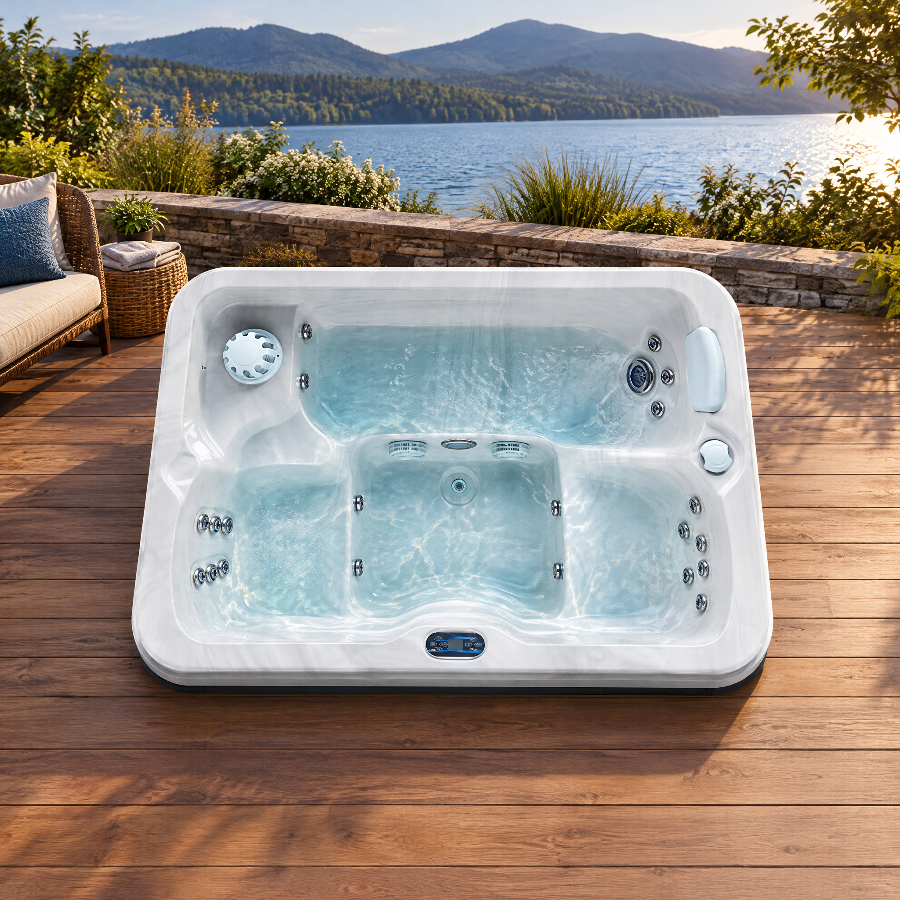
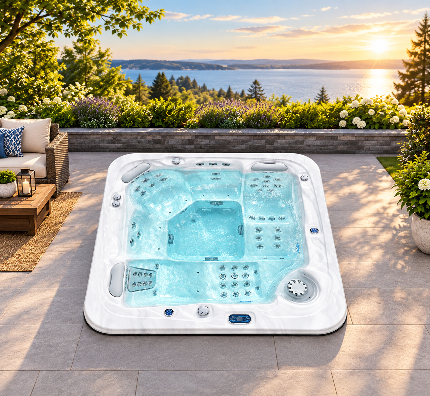
To see these theoretical principles applied to physical specifications, consider the VS-301C outdoor spa from Victoria Star. Designed specifically for space-conscious residential settings, this three-person model measures 1860 mm by 1310 mm (approximately 6 feet by 52 inches) with a height of 780 mm (31 inches). This compact profile fits naturally onto narrow timber decks, compact stone patios, and garden verandas.
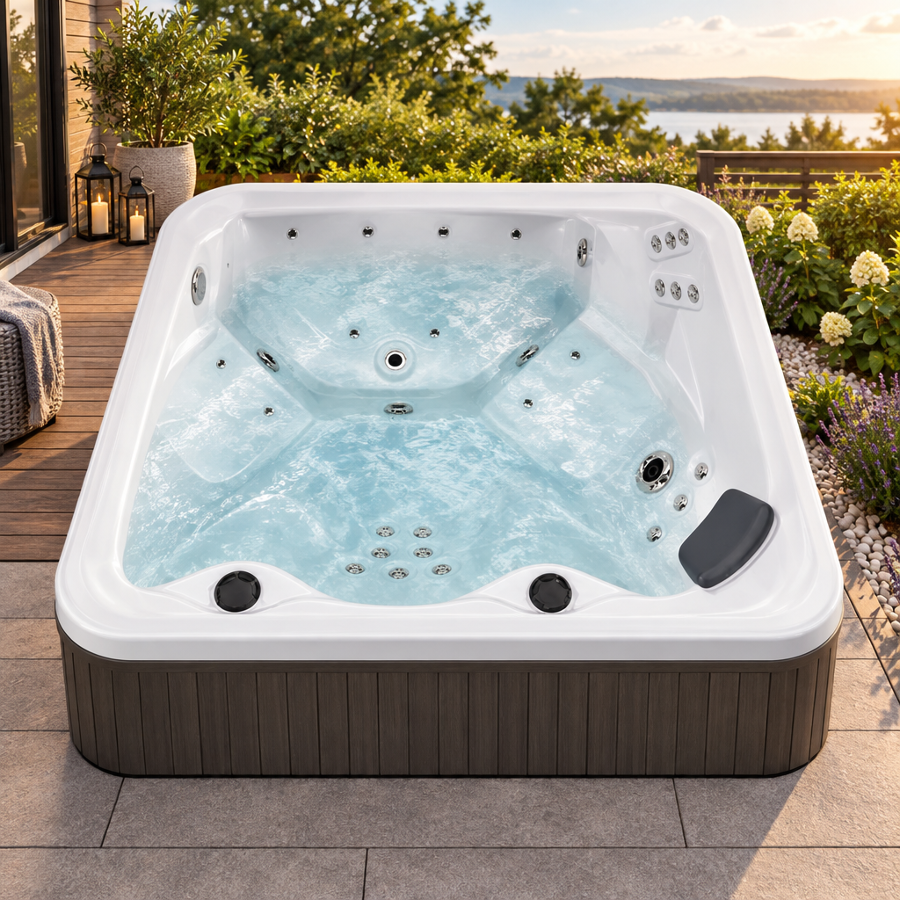
Despite its compact exterior, the interior shell provides an ergonomic arrangement of two upright therapy seats alongside one full-body lounger. The layout features 22 targeted hydrotherapy jets powered by a 2 HP water pump, with a separate 0.35 HP circulation pump and a 3 kW heater. The unit operates under an aggregate 4.75 kW power supply. For a solitary user, this configuration offers the expansive comfort of a private lounge bed while maintaining an efficient footprint.
Cabinet Enclosure and Control Interface
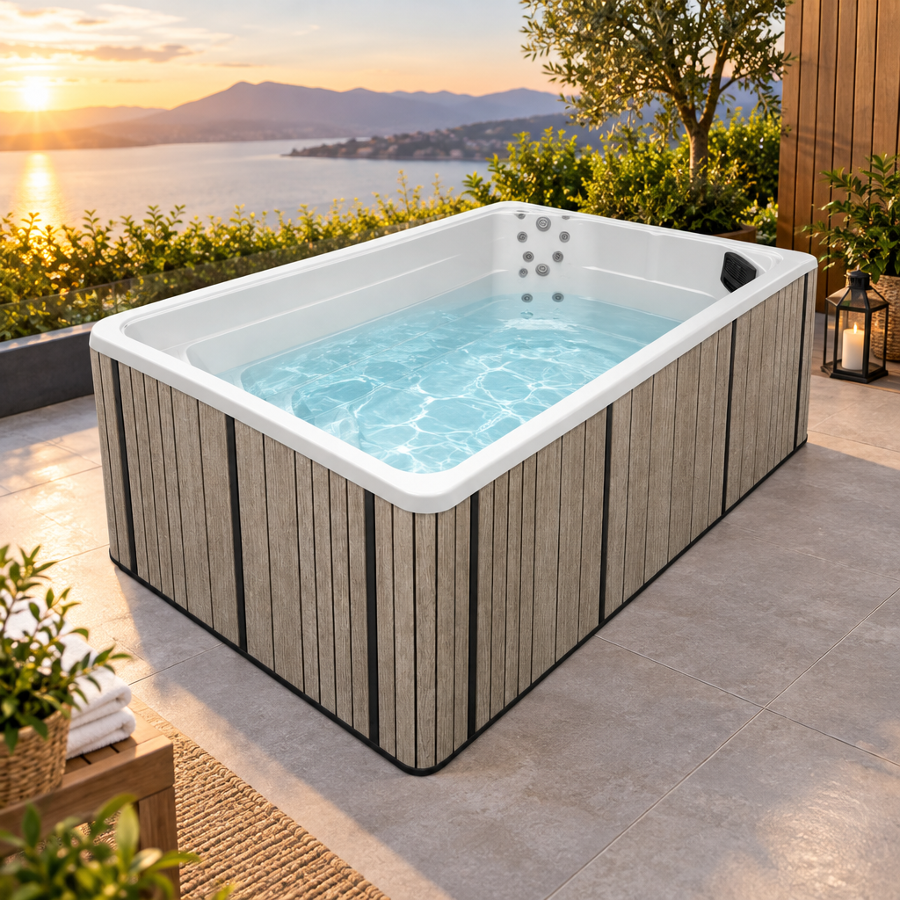
Outdoor equipment must withstand continuous exposure to ultraviolet radiation, rain, and wide temperature swings. The exterior cabinet uses a weather-resistant aluminum-plastic composite skirt. Available in understated Platinum and Midnight finishes, the exterior harmonizes with contemporary outdoor architectural materials.
Internal operations are managed through a KL2022 digital keypad system. The interface allows users to adjust water temperature and control jet settings without exiting the warm water. Integrated Bluetooth audio connectivity allows wireless streaming from personal devices, converting a solitary hydrotherapy session into an immersive sensory escape.
Additional Features Supporting Solo Use
The VS-301C integrates several features that enhance the bathing experience. The advanced water care system combines automatic filtration, ozone generation, and UV light technology to maintain water clarity with reduced chemical maintenance. This multi-stage approach addresses the sanitation challenges inherent in smaller water volumes, allowing the user to focus on relaxation rather than frequent chemical adjustments.
The 22 hydrotherapy jets are strategically arranged to focus on the back, waist, and legs, as documented in the product specifications. This targeted placement aims to address muscle tension and promote physical relaxation, with air control features allowing the bather to customize massage intensity during each session.
Frequently Asked Questions (FAQs)
Can an outdoor jacuzzi be installed indoors or in an enclosed sunroom?
Yes, an outdoor hot tub can be installed indoors or inside an enclosed sunroom, provided the building structure accommodates the specific environment. Hot tubs generate substantial moisture and steam during operation, which can cause mold growth, drywall deterioration, and structural decay if the room lacks a dedicated mechanical dehumidification and exhaust ventilation system. Additionally, the floor must feature a waterproof membrane, a reliable floor drain for drainage during water changes, and a verified concrete substrate capable of supporting the full weight of the filled tub.
How often should the water be changed in a compact outdoor hot tub?
Water replacement intervals depend on the total volume of the tub and daily bather frequency. The CDC provides a formula for estimating water change intervals: divide the water volume in gallons by three, then divide that result by the average number of daily bathers. Apply this calculation along with your spa manufacturer’s instructions and regular water-condition monitoring to determine the appropriate replacement schedule for your specific usage pattern.
What is the maximum safe water temperature for an outdoor hydrotherapy tub?
The U.S. Centers for Disease Control and Prevention recommends that spa water temperatures never exceed 104°F (40°C). Soaking in water above this threshold can cause elevated body core temperatures, resulting in drowsiness, lightheadedness, heat stroke, or fainting. Individual temperature preferences vary; consult your spa manufacturer’s operating guidance and monitor how your body responds to different water temperatures.
Is a 1 person outdoor jacuzzi energy efficient in cold winter climates?
Energy efficiency in cold climates depends primarily on structural insulation and thermal cover quality. A compact hot tub outfitted with high-density polyurethane cabinet insulation and a tight-fitting, tapered marine-grade vinyl cover retains thermal energy effectively between soaking sessions. Energy use varies with insulation quality, cover condition, ambient weather, temperature setpoint, and usage frequency. Consult your spa manufacturer’s operating guidance for recommendations tailored to your specific model and climate.
Conclusion
Investing in a 1 person outdoor jacuzzi experience involves understanding the practical benefits of compact, well-engineered hot tubs that can be used solo or with occasional companions. Modern compact spas blend smart interior contours, dedicated circulation and massage pump systems, and multi-stage sanitizing filtration into an efficient, easy-to-manage footprint. By evaluating foundation load limits, ensuring safe electrical hookups with qualified professional assistance, and selecting an ergonomic lounger layout that addresses your specific hydrotherapy needs, you can transform a compact patio or garden deck into an enduring, restorative private wellness retreat.
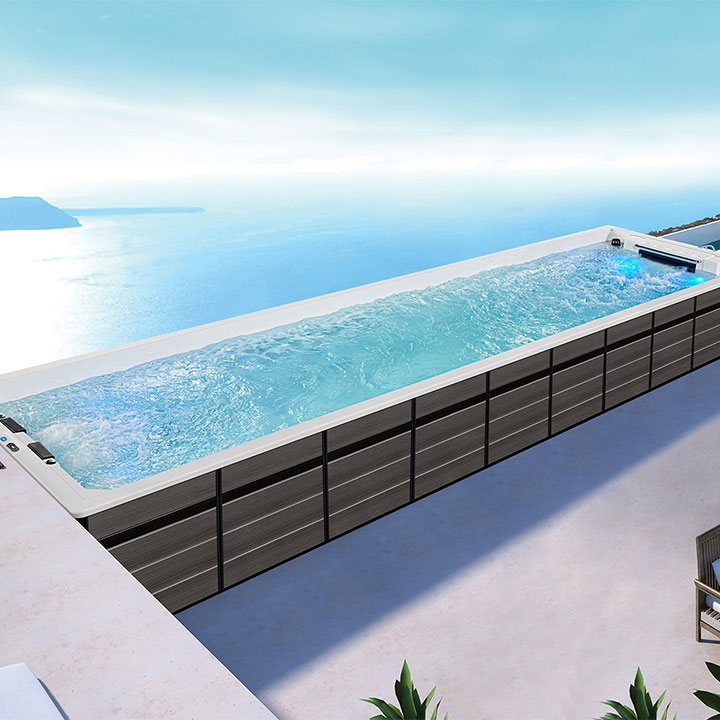
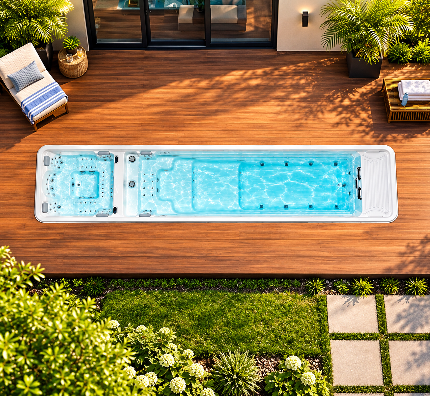
Victoria Star Swim Spa offers the perfect balance between exercise and relaxation, whether you want to swim for fitness or relax in the spacious seating.
Victoria Star Swim Spa offers the perfect balance between exercise and relaxation, whether you want to swim for fitness or relax in the spacious seating.