Is a Cold Plunge When Sick Safe, or Should You Wait It Out
Home / News / Is a Cold Plunge When Sick Safe, or Should You Wait It Out
September 28, 2026
Anyone who has built a cold exposure habit eventually asks the same question when the flu hits: keep going, or skip it? A cold plunge when sick isn’t automatically dangerous, but it isn’t automatically fine either. The answer depends on what kind of sick you are, and that distinction gets lost in most advice you’ll find online.
Cold water immersion is a stressor. That’s the entire point of it when you’re healthy. Your body senses the temperature drop, floods you with norepinephrine, and adapts over time. But stress on top of stress is a different equation once your immune system is already occupied fighting off a pathogen.
What Happens Physiologically When You’re Sick
A fever means your body has deliberately raised its internal temperature to slow down viral replication. Dropping yourself into water in the 50s Fahrenheit works directly against that mechanism. You’re asking your thermoregulatory system to do two contradictory jobs at once: fight the infection and fight the cold.
This is different from mild congestion or a scratchy throat, where your core temperature hasn’t shifted and your resting heart rate is normal. The line isn’t about how miserable you feel. It’s about whether your autonomic nervous system is already under load.
The General Rule Athletes and Coaches Use
Most sports medicine practitioners apply a version of the "neck check" rule, borrowed from exercise-during-illness guidance. It’s a simple, practical filter:
Symptoms above the neck only (runny nose, mild sore throat, sneezing) — cold exposure is usually tolerated.
Symptoms below the neck (chest congestion, body aches, GI upset) — skip it.
Fever of any degree — skip it, full stop.
Feeling unusually fatigued or dizzy — skip it, regardless of where the symptoms are located.
This isn’t a medical diagnosis framework. It’s a heuristic borrowed from return-to-training guidance, and it transfers reasonably well to cold plunge decisions because both activities load the cardiovascular and nervous systems.
Why People Think Cold Plunges Boost Immunity Mid-Illness
There’s a popular belief that cold exposure "activates" the immune system, so doing it while sick should help you fight off infection faster. This conflates two separate things: adaptation from repeated, planned cold exposure over weeks, and an acute stress response layered onto an already-inflamed body.
Research on cold water immersion and immune markers, most notably the Dutch Wim Hof-method studies, looked at healthy subjects undergoing structured, repeated exposure. None of that research modeled what happens when you dunk a feverish body into ice water once. Extrapolating chronic-adaptation data to acute-illness scenarios is where a lot of the online advice goes wrong.
Signs You Should Postpone Your Plunge
Beyond the neck-check heuristic, a few concrete signals mean it’s time to close the lid on the tub for a few days.
Resting heart rate elevated by 10+ bpm above your normal baseline, which signals your body is already working harder than usual.
Chills or active fever, since cold immersion will fight against your body’s fever response instead of complementing it.
Lightheadedness on standing, a sign of possible dehydration or blood pressure instability that cold shock can worsen.
Any respiratory tightness or wheeze, because cold air and cold water both can trigger bronchospasm in irritated airways.
If none of these apply and you’re dealing with a mild head cold, a short, moderate cold exposure is generally considered low-risk by most cold therapy practitioners, though individual tolerance varies and checking with a physician is reasonable if you have underlying cardiovascular conditions.
Cold Exposure for Recovery vs. Cold Exposure for Illness
It helps to separate two different use cases people often lump together.
Use Case
Primary Goal
Typical Duration
Suitable When Sick?
Post-workout recovery
Reduce muscle inflammation, speed recovery
2–5 minutes
Yes, if symptoms are mild and above the neck
Daily wellness/mood habit
Endorphin release, stress reduction
1–3 minutes
Case-by-case, skip during fever
Illness recovery attempt
Perceived immune boost
Variable
Not recommended; rest and hydration are better first steps
The muscle recovery use case is well documented: cold water immersion constricts blood vessels, which limits inflammatory swelling after intense exercise, then dilation on rewarming helps flush metabolic waste. That mechanism has nothing to do with fighting a virus, and treating it as interchangeable is the core misunderstanding behind the "does cold plunge help when sick" question.
Temperature and Duration Matter More Than People Assume
Not all cold plunges are equal, and this matters even more when you’re borderline on whether to get in at all. A unit that holds a stable, moderate temperature in the mid-50s Fahrenheit puts far less shock load on the system than an aggressive sub-40°F ice bath.
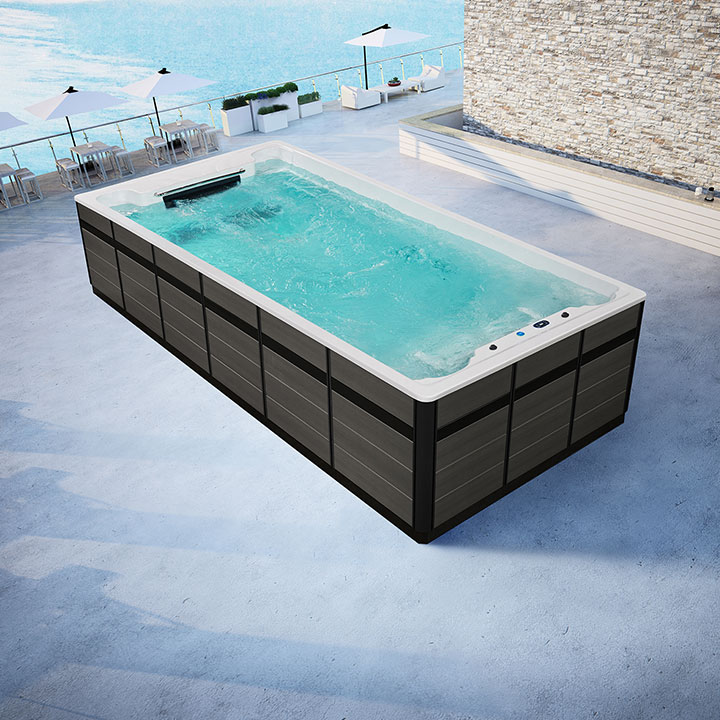
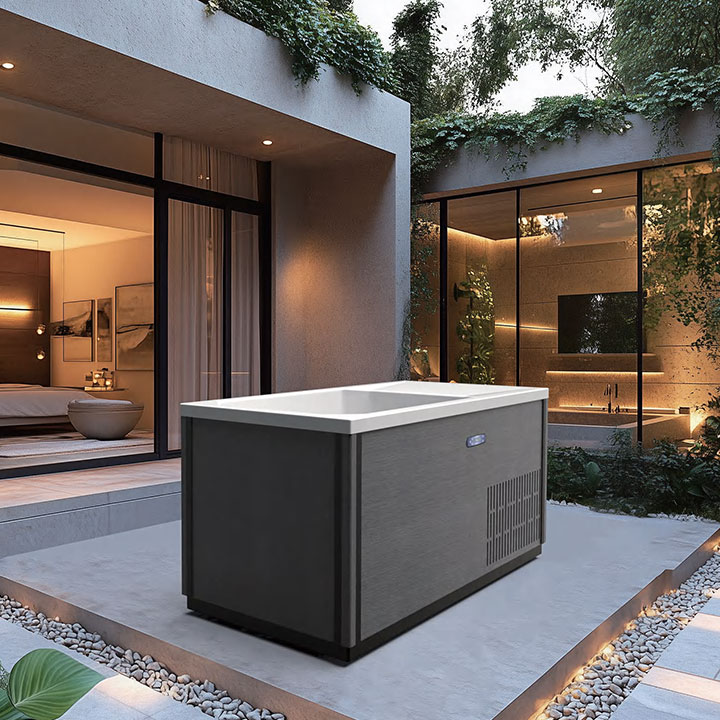
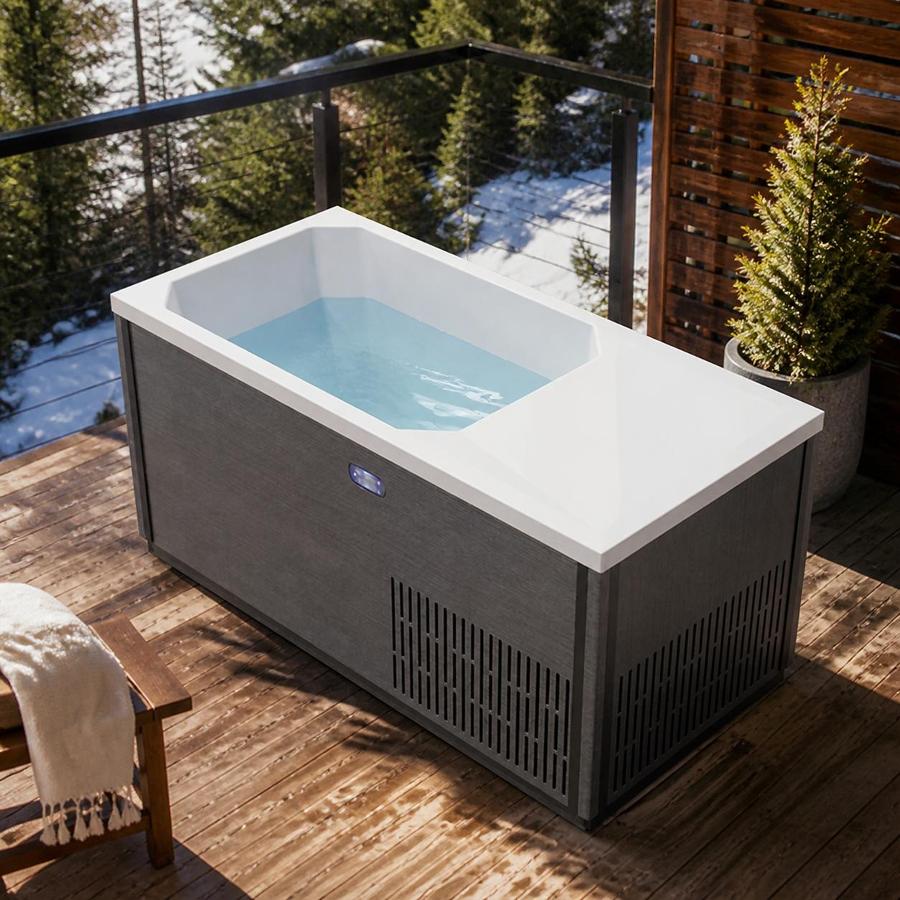
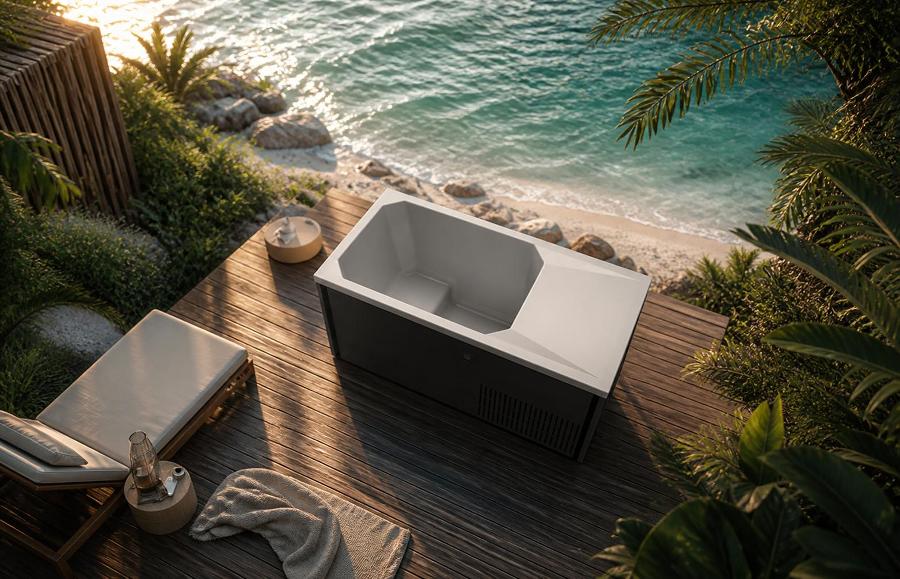
This is where equipment design actually changes the risk calculus. The Outdoor Cold Plunge Tub C02, for instance, uses an integrated 900W heat pump system paired with a 54W brushless pump, which lets you dial in a precise, moderate temperature rather than relying on bags of ice for a guess-and-check result. According to the product’s specifications, this setup is built for consistent low-temperature immersion, meaning you can choose a gentler setting on days when your body is already under stress from a mild cold, instead of defaulting to the coldest possible water.
That kind of control matters practically. A 320-liter capacity with an integrated seating step also means you’re not straining to get in and out, which is a small but real consideration when you’re already fatigued from being sick.
How to Ease Back In After Illness
Once symptoms clear, don’t jump straight back to your pre-illness protocol. Deconditioning happens fast, even over a few days off.
Start with 60–90 seconds at a temperature slightly warmer than your usual setting.
Monitor how you feel for the following few hours, not just during the plunge itself.
Add 30 seconds per session over the following week if there’s no fatigue or lingering symptoms.
Return to your normal duration and temperature only once you’ve had at least two symptom-free sessions.
This gradual approach mirrors how athletes return to training load after illness, and it applies just as well to cold exposure since both tax the cardiovascular system in similar ways.
Where Cold Plunges Fit Into a Broader Recovery Routine
Outside of active illness, cold water immersion has a clearer, better-supported role in recovery from physical exertion. Vascular constriction and dilation cycles help move oxygenated blood back into tired tissue, and many users report the temperature shock itself triggers a noticeable mood lift from natural endorphin release.
For home setups, weather resistance is a practical, non-negotiable factor since these tubs typically live outdoors year-round. The C02 model’s composite cabinet panels and vented design are built to hold up outside, whether it’s installed on a backyard patio, at a training facility, or as part of a spa’s recovery zone. Ergonomic touches like the built-in step matter more than people expect once you’re using the tub regularly rather than just for a novelty dip.
Frequently Asked Questions
Can a cold plunge when sick make symptoms worse? It can, particularly if you have a fever, since cold immersion works against your body’s natural fever response. Mild upper-respiratory symptoms without fever are generally lower risk, but individual reactions vary.
Is it different if I only have a stuffy nose? Isolated nasal congestion without fever, chest symptoms, or fatigue is usually considered the lowest-risk scenario for continuing light cold exposure, based on the neck-check heuristic used in sports medicine.
Should I lower the water temperature if I’m feeling run down but not sick enough to skip it? Yes. Choosing a milder setting, such as mid-50s Fahrenheit instead of near-freezing, reduces the shock load on your system while still providing some circulatory benefit.
How long should I wait after a fever breaks before plunging again? Most people wait until they’ve had at least 24 to 48 hours symptom-free, then reintroduce shorter, warmer sessions before returning to their usual routine.
Deciding whether a cold plunge when sick makes sense really comes down to reading your own body rather than following a blanket rule. Mild, above-the-neck symptoms with a normal resting heart rate generally leave room for a short, moderate session. Fever, chest symptoms, or dizziness are clear signals to wait. Getting the temperature and duration right, with equipment that lets you actually control those variables precisely, makes the difference between a helpful habit and an unnecessary risk when your body is already working hard to recover.
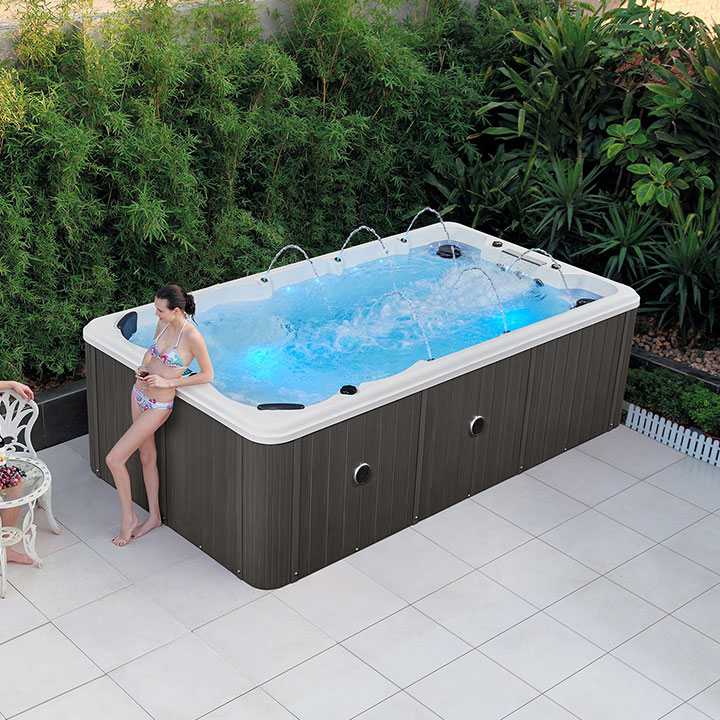
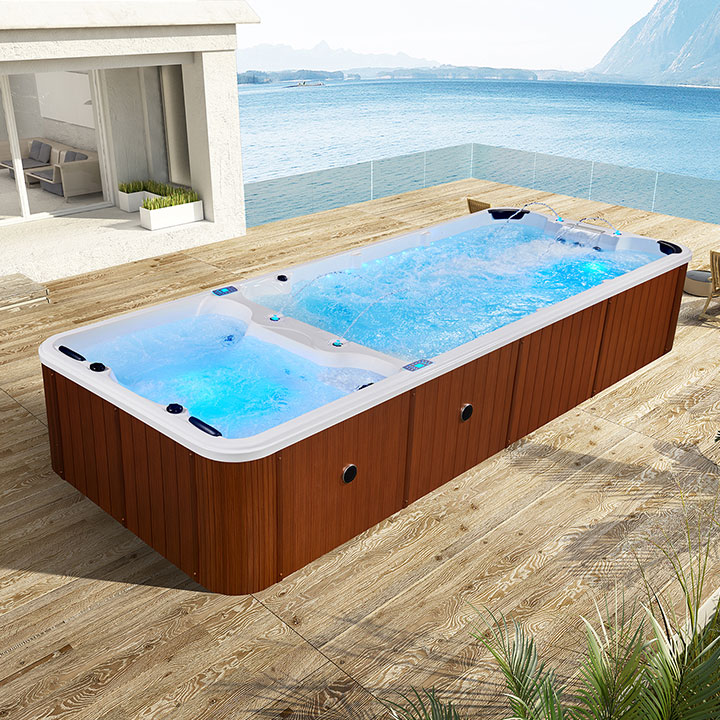
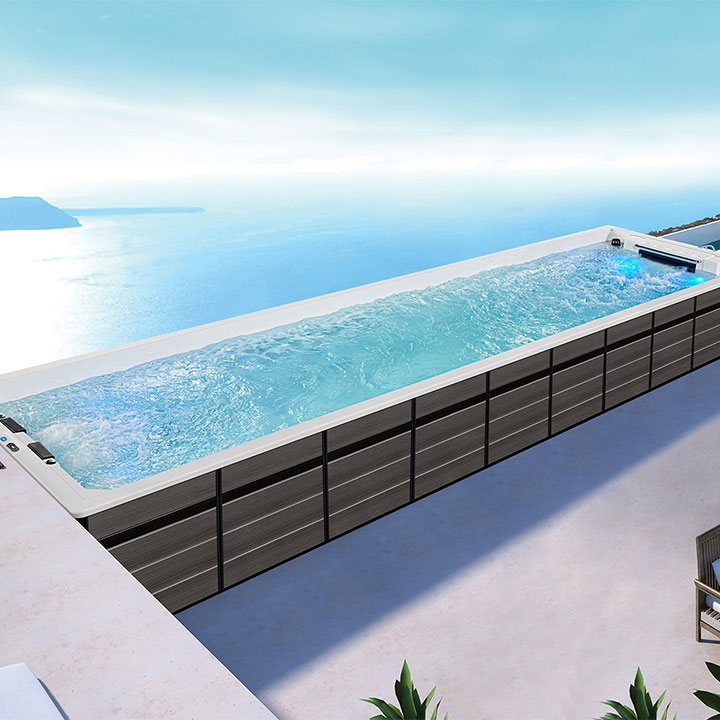
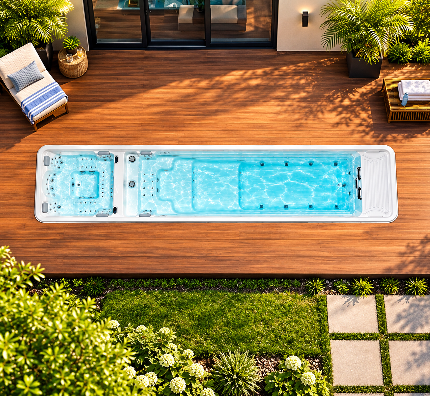
Victoria Star Swim Spa offers the perfect balance between exercise and relaxation, whether you want to swim for fitness or relax in the spacious seating.
Victoria Star Swim Spa offers the perfect balance between exercise and relaxation, whether you want to swim for fitness or relax in the spacious seating.