How to Convert a Bathtub to a Cold Plunge the Right Way
Home / News / How to Convert a Bathtub to a Cold Plunge the Right Way
September 28, 2026
Cold water therapy has moved from elite locker rooms into ordinary backyards, and a lot of that shift starts with a simple question: can you convert a bathtub to a cold plunge instead of buying something new? The honest answer is yes, but only up to a point. A retrofitted tub can hold cold water, yet it was never built to sustain low temperatures, resist corrosion from ice, or regulate heat the way a dedicated cold plunge tub does. Understanding where the DIY route ends and purpose-built equipment begins will save you money, time, and a few frustrating mornings.
Why People Want to Convert a Bathtub to a Cold Plunge
The appeal is obvious. You already own a bathtub, so filling it with ice water feels like the cheapest entry point into cold therapy. Athletes recovering from heavy training, people managing chronic stress, and biohackers chasing better sleep all gravitate toward this idea because it requires no upfront purchase.
There’s also a psychological comfort in using a familiar fixture. A bathtub sits in a room you already know, plumbed into a drain you already trust. That familiarity, though, hides a few engineering gaps that only surface once the water gets cold enough to matter.
The Practical Limits of a Converted Bathtub
Standard bathtubs are shaped for warm soaking, not sustained cold immersion. Their acrylic or fiberglass shells are thin, which means they bleed heat fast in winter and warm up fast in summer. If you’re relying on bagged ice to hit a target temperature, you’ll be refilling constantly, and the water rarely stays consistent for more than twenty or thirty minutes.
There’s also a structural issue. Most tubs are not designed to hold static ice loads or handle the condensation that builds up around a chilled basin placed outdoors. Over time, moisture works into seams and fittings that were only ever rated for warm water exposure.
A few recurring problems show up when people try this conversion:
Temperature drift: without mechanical cooling, water warms within minutes, especially outdoors in direct sun.
Ice dependency: daily plunges require repeated ice purchases, which adds up faster than most people expect.
Drainage strain: cold water conversions often involve manual draining and refilling, which wears down standard tub drains not rated for that frequency.
Limited depth: most bathtubs are shaped for reclining, not the seated, chest-deep immersion that cold plunge protocols typically call for.
What a Purpose-Built Cold Plunge Actually Solves
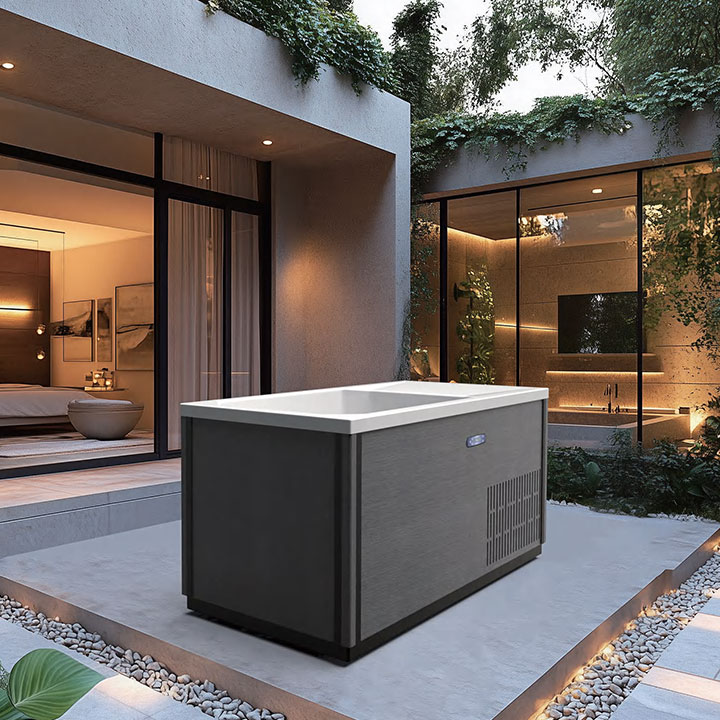
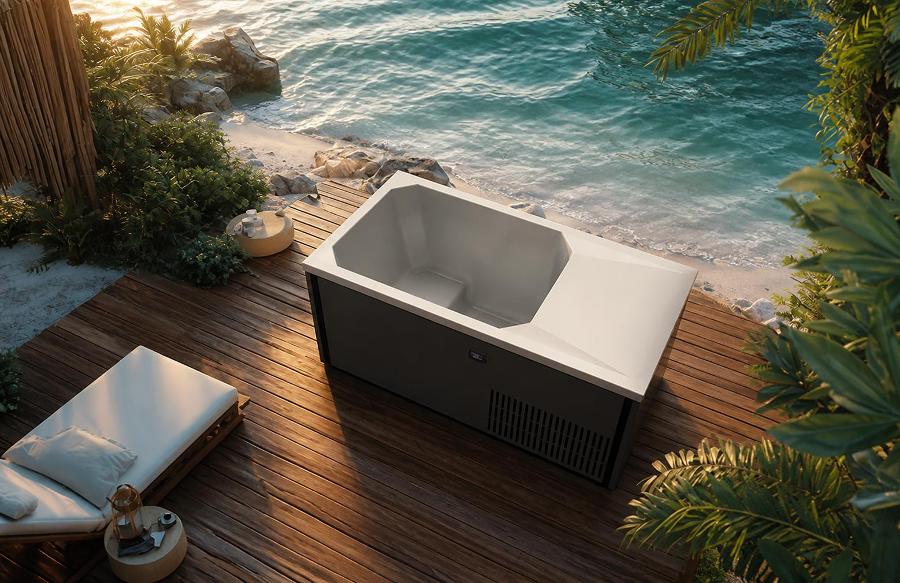
This is where dedicated equipment changes the equation. Take the Outdoor Cold Plunge Tub C02 as a reference point. According to its product specifications, it’s built with a 900W heat pump control system paired with a 54W brushless pump, which is intended to keep water temperature regulated automatically instead of depending on ice deliveries or manual monitoring.
That heat pump system matters more than it might sound. Instead of only cooling water once and letting it drift back toward ambient temperature, it’s designed to maintain a set range continuously, so the tub is ready whenever you are, not just right after you’ve dumped in fresh ice.
The shell construction also plays a role most people overlook. The C02 uses a porcelain acrylic interior, which is intended to resist the surface wear and micro-cracking that thinner bathtub materials can develop after repeated cold cycling. Combined with a weather-resistant composite cabinet, it’s built to sit outside through seasonal temperature swings rather than being wheeled in and out of a bathroom.
Comparing a Converted Bathtub to a Dedicated Cold Plunge Tub
Factor
Converted Bathtub
Outdoor Cold Plunge Tub C02
Temperature control
Manual, ice-dependent
Automated via 900W heat pump system
Water capacity
Varies, typically shallow
320 L, chest-deep immersion
Shell material
Standard acrylic or fiberglass
Porcelain acrylic shell
Outdoor durability
Limited, not weather-rated
Weather-resistant composite cabinet
Daily readiness
Requires refilling and re-icing
Designed to maintain set temperature continuously
Interior design
Reclining shape, no dedicated seating
Integrated seating step for immersion
Reading this table side by side, the pattern is straightforward. A converted bathtub can get you through a few sessions, but a dedicated tub is built for the routine, not the novelty.
How Cold Immersion Affects the Body
Understanding why people pursue this in the first place helps clarify what equipment actually matters. Cold water immersion triggers vasoconstriction, which narrows blood vessels near the skin. When you exit the water and rewarm, those vessels dilate again, and that constriction-dilation cycle is commonly associated with improved circulation and reduced localized inflammation after intense exercise.
There’s also a mental health angle worth noting. Cold exposure is linked to a natural release of endorphins, which many users describe as a mood lift or a sharper sense of mental clarity afterward. It’s not a cure for stress, but it’s a reliable, repeatable trigger that a lot of people build into their morning routine specifically because the response is so immediate.
None of these effects require a fancy tub. What they require is consistency, and consistency is exactly what a converted bathtub struggles to deliver once the ice runs low or the water climbs back to room temperature.
Choosing Between DIY Conversion and a Dedicated Tub
If you’re still weighing whether to convert a bathtub to a cold plunge or invest in dedicated equipment, a few questions can guide the decision:
How often will you actually use it? Occasional use might justify a temporary ice bath setup. Daily use almost always favors a tub with built-in temperature regulation.
Where will it live? Indoor bathtub conversions face drainage and moisture concerns. Outdoor dedicated tubs, like the C02, are built with vented cabinet panels specifically to manage that exposure.
What’s your tolerance for maintenance? Manual ice runs are labor-intensive. A heat pump system with a brushless pump handles regulation with far less day-to-day effort.
Do you need consistent depth? Full-body, chest-deep immersion is difficult in a standard tub shape. A 320-liter basin with an integrated step is designed around that seated position.
For casual experimentation, a converted bathtub is a reasonable starting point. For anyone building cold therapy into a real routine, whether at home, in a training facility, or at a wellness center, the gap between DIY and purpose-built equipment becomes hard to ignore.
Where These Tubs Fit in Real Settings
Dedicated cold plunge tubs aren’t only a backyard trend. They show up in professional sports recovery centers where athletes need dependable, repeatable cold exposure between training sessions. Boutique spas and ice therapy studios use them for the same reason: guests expect a consistent experience, not a tub that’s warmer on a hot afternoon than it was that morning.
Residential use tends to follow a similar logic once people move past the experimental phase. A patio or courtyard installation, positioned near a primary living space, turns cold immersion into something closer to a daily habit rather than an occasional project. That shift, from novelty to routine, is usually the moment a converted bathtub stops being enough.
Frequently Asked Questions
Can you really convert a bathtub to a cold plunge without buying new equipment? You can fill a bathtub with cold water and ice, and it will produce a similar sensation short-term. It won’t, however, maintain temperature or hold up structurally the way a tub built specifically for cold immersion will.
How cold does the water need to be for cold plunge therapy to work? Most cold immersion protocols fall between roughly 50°F and 59°F (10°C to 15°C), though individual tolerance varies. A regulated system makes it far easier to stay within a consistent range session after session.
Does a heat pump system mean the tub can also be used warm? Heat pump systems in cold plunge tubs are primarily built for cooling and temperature stability, not for turning the unit into a hot tub. Their job is precise low-temperature regulation.
Is 320 liters enough for a full-body plunge? Yes, a 320L capacity paired with an integrated seating step is generally sized for seated, chest-deep immersion, which matches the depth most cold therapy protocols recommend.
Can a converted bathtub be used outdoors long-term? Standard bathtubs aren’t built with weather-resistant exteriors, so prolonged outdoor exposure tends to accelerate wear on seams, fittings, and the shell itself.
Final Thoughts on Making the Switch
Deciding whether to convert a bathtub to a cold plunge really comes down to how seriously you plan to take the practice. A short-term experiment doesn’t need much more than ice and patience. A long-term wellness habit, though, benefits from equipment designed around the demands of daily cold exposure. For us at Victoria Star, that’s the reasoning behind building tubs like the Outdoor Cold Plunge Tub C02, with its heat pump regulation, durable porcelain acrylic shell, and outdoor-ready cabinet, so that the plunge you take in December feels just as reliable as the one you took in July.
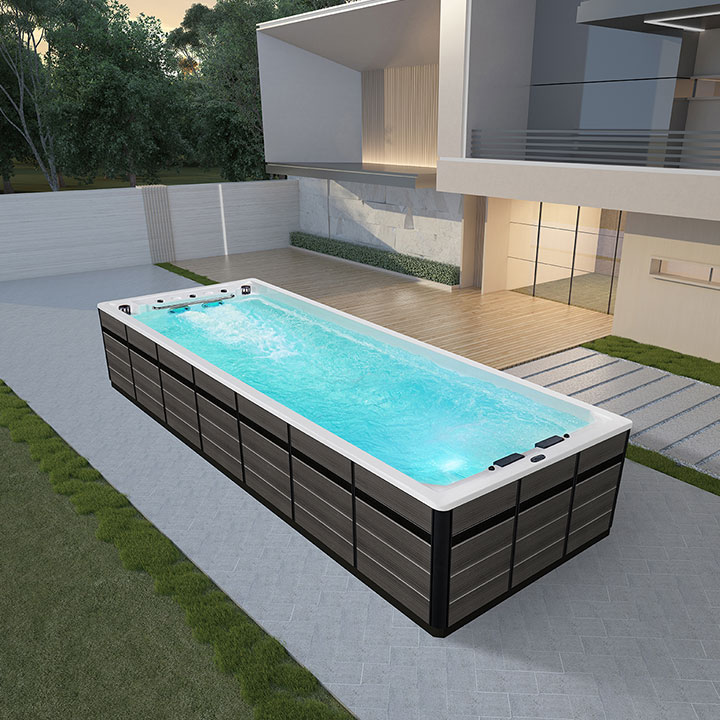
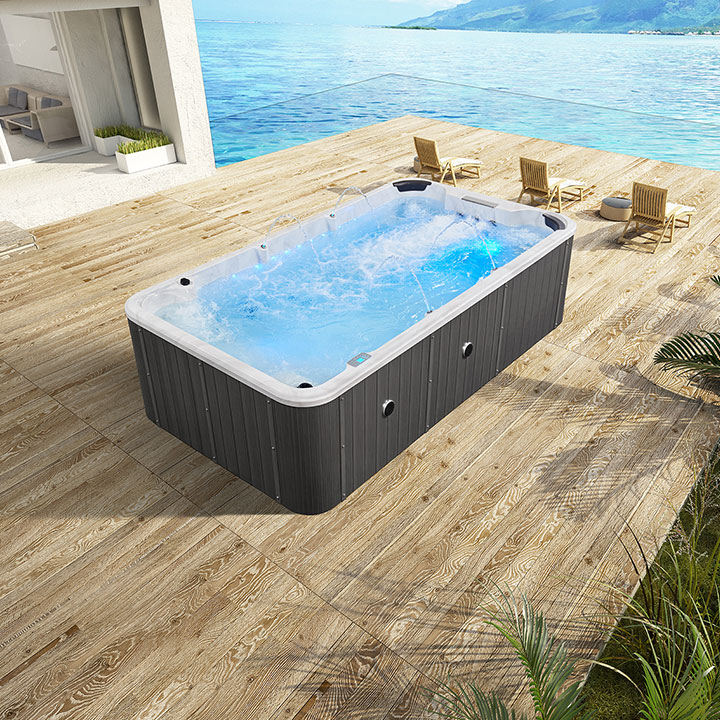
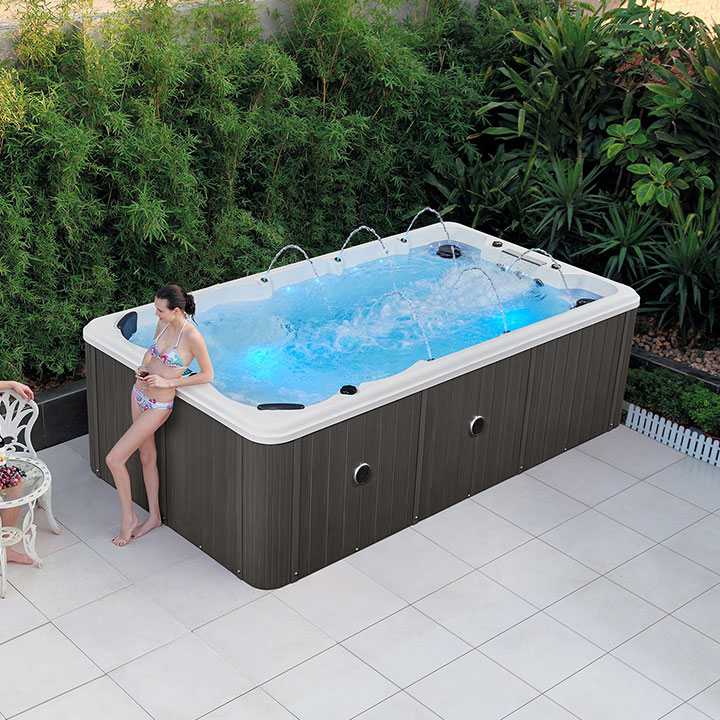
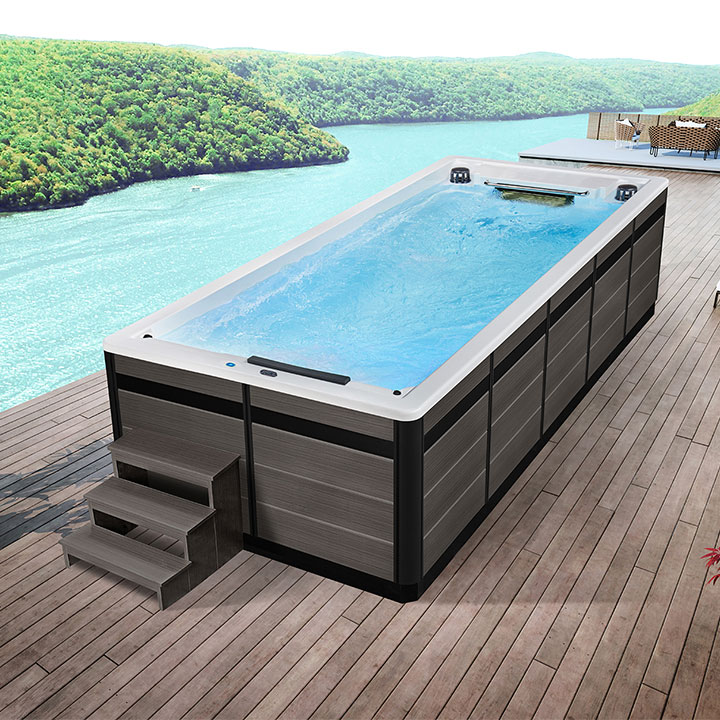
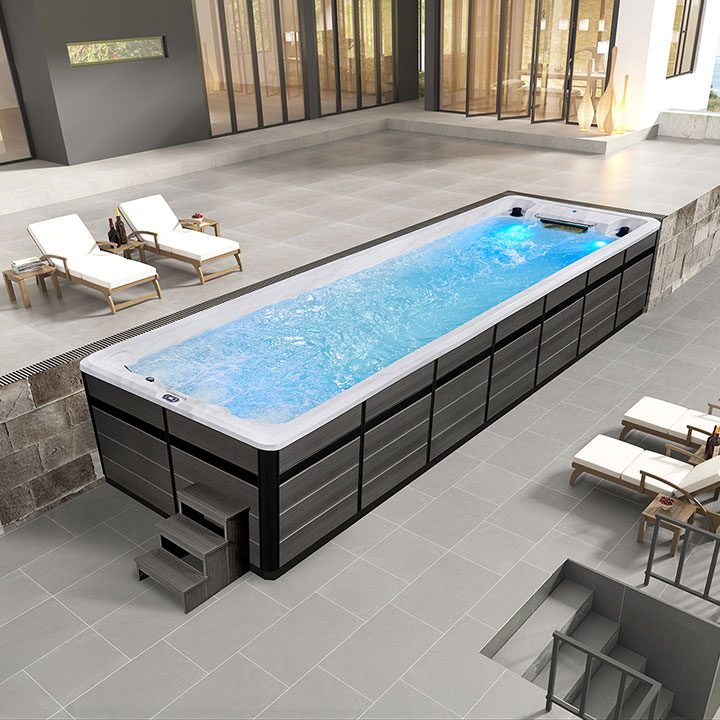
Victoria Star Swim Spa offers the perfect balance between exercise and relaxation, whether you want to swim for fitness or relax in the spacious seating.
Victoria Star Swim Spa offers the perfect balance between exercise and relaxation, whether you want to swim for fitness or relax in the spacious seating.