How to Choose the Best Backyard Spa: Complete Engineering, Site, and Feature Guide
Home / News / How to Choose the Best Backyard Spa: Complete Engineering, Site, and Feature Guide
November 06, 2026
Finding the best backyard spa requires looking past surface aesthetics to examine real engineering, plumbing arrangements, structural site demands, and daily water care routines. Homeowners often begin their search imagining gentle hydrotherapy, yet they quickly realize that selecting the right backyard swim spa or hot tub demands clear planning around dimensions, utility loads, and maintenance schedules. Making a well-researched investment transforms your outdoor living area into a functional fitness retreat and a soothing recovery space.
Whether your objective centers on low-impact cardiovascular workouts, post-exercise myofascial relief, or quiet evening relaxation, matching your physical environment with appropriate hydraulic hardware is essential. Rushing into a purchase without evaluating electrical service capacity, structural pad construction, or ongoing water treatment often leads to expensive delays or unexpected renovation bills. Let us explore the critical technical elements that define residential aquatic installations.
Understanding Backyard Spa Categories: Soaking vs. Swim Spas
Traditional Hot Tubs for Hydrotherapy and Seated Relaxation
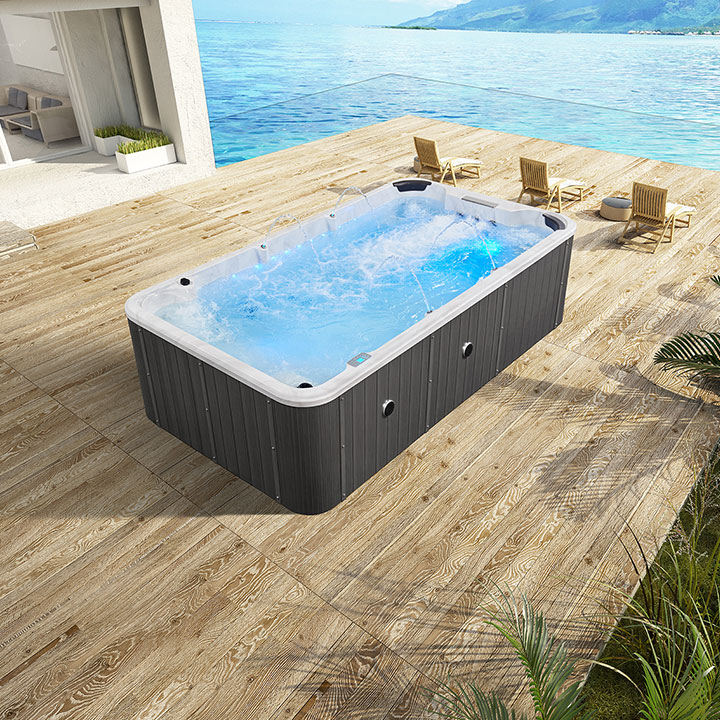
Standard hot tubs prioritize ergonomic immersion and thermal hydrotherapy within a compact spatial footprint. Their interior layouts typically feature molded multi-tiered bench seats or form-fitting loungers tailored to submerge the torso and limbs under warm water, keeping heat loss minimal across cooler evenings.
Plumbing networks in dedicated soaking tubs deliver pressurized water and aerated streams to specific muscle trigger points along the spine, calves, and shoulders. Because these vessels range between 2 to 2.5 meters in width and length, they fit neatly onto standard residential patios while minimizing overall water volume.
Swim Spas for Low-Impact Training, Resistance Work, and Exercise
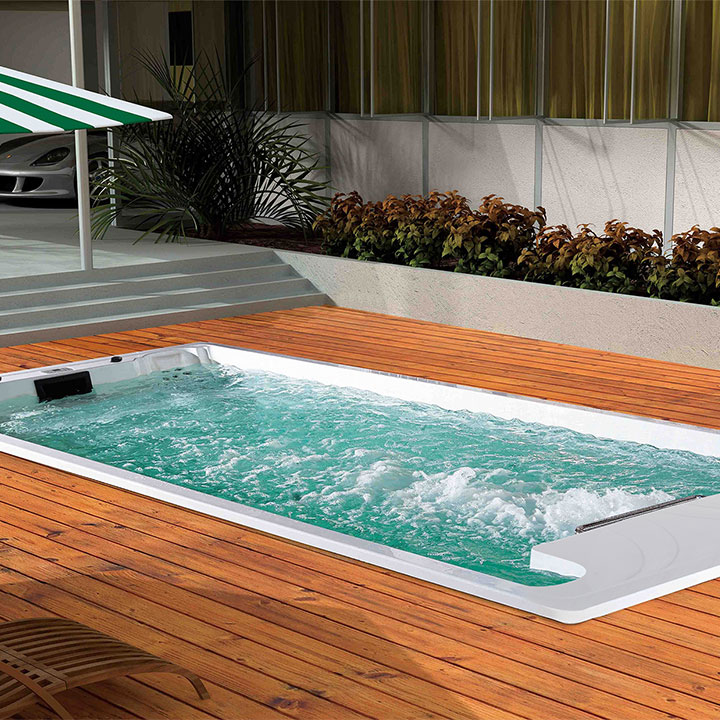
Swim spas bridge the functional divide between a full-sized in-ground swimming pool and a therapeutic spa basin. These elongated units incorporate counter-current propulsion systems that generate continuous resistance currents at the bow, enabling an uninterrupted swimming stroke without requiring flip turns.
Beyond rhythmic freestyle swimming, the open lane accommodates low-impact aquatic walking, resistance tether training, and gentle leg drills that spare weight-bearing joints from repetitive ground strikes. The substantial structural length—often stretching beyond five meters—provides plenty of room for broad physical movements.
Hybrid and Dual-Zone Considerations for Mixed Household Use
When a household demands physical conditioning alongside dedicated hydrotherapy, managing water temperature becomes an important practical consideration. In a single continuous basin where seats share the same water volume as the swim lane, the entire unit operates at one uniform water temperature.
Accommodating genuinely divergent temperature preferences—such as maintaining cooler water for vigorous training while simultaneously providing hot soaking conditions—requires a dual-zone model with completely separate, independently controlled plumbing and heating compartments.
Assessing Site Preparation, Foundation, and Structural Engineering
Determining Total Footprint, Clearance, and Delivery Access Routes
Evaluating your physical installation site starts well before placing a delivery order. You must plan not only for the outer perimeter of the spa shell, but also for equipment bay access hatches, safety cover clearance, and safe walkways surrounding the unit.
Delivery paths require thorough clearance measurements across side gates, building eaves, air conditioning units, and overhead electrical lines. Because heavy swim spa shells cannot easily navigate narrow domestic corners, crane placement or flatbed roll-off clearances must be factored into your early site logistics.
Structural Foundation Requirements: Concrete Pads vs. Engineered Decks
A backyard spa requires an unyielding, uniformly level substrate to prevent chassis twisting, plumbing shearing, or acrylic stress fractures. The supporting foundation must be specifically designed and poured or framed to handle the comprehensive load of the filled vessel, equipment, and active bathers.
Installing a large spa onto an elevated timber or composite deck introduces rigorous engineering challenges. Standard domestic decks are rarely framed to support concentrated liquid loads, requiring a licensed structural engineer to calculate ledger loads, joist spacing, footing depth, and point load distributions before delivery.
Calculating Dry Weight vs. Filled Operational Load
Homeowners frequently underestimate the structural load imposed by water volume. Water carries an absolute weight of one kilogram per liter, meaning a mid-sized to large spa holds massive downward mass that vastly exceeds its dry shell weight.
Dry Weight Component: The bare shell, subframe, insulated cabinet, plumbing lines, and electric pumps create the baseline tare weight.
Fluid Mass Contribution: Filling a vessel with 7,890 liters of water instantly adds approximately 7,890 kilograms of dead load onto the substrate.
Dynamic Occupancy Allowance: Factoring in the variable weight of adult bathers ensures the supporting pad handles maximum operational loads without ground subsidence.
Electrical Supply, Power Infrastructure, and Heating Capacity
Voltage, Dedicated Breakers, and Total Kilowatt Loading
Operating multiple electric pumps and immersion heaters demands robust electrical utility infrastructure. Compact plug-in spas run on 120-volt circuits, but high-capacity units necessitate dedicated hardwired 220V–240V connections managed by a Ground Fault Circuit Interrupter (GFCI) breaker.
Total connected electrical loads for advanced swim spas often represent substantial power demands. Before delivery, have a qualified electrician review your home service panel and the manufacturer’s technical specifications to confirm the exact circuit requirements and operating voltage.
Dual-Heater Systems and Thermal Recovery Rates
Maintaining target water temperatures across substantial volumes demands ample heating capacity. Dual-heater arrays, such as paired 3,000-watt heating elements, divide the overall thermal demand to assist in heating large water volumes.
Single low-wattage heaters struggle against ambient heat loss in high-latitude winter climates, causing water temperatures to decline during extended use. Adequate heating capacity ensures water temperatures recover between successive training sessions or family hydrotherapy soaks.
Mechanical / Electrical Specification
Standard Hot Tub (Typical)
High-Output Swim Spa (e.g., M-503)
Water Volume Range
1,100 – 1,800 Liters
6,000 – 9,000+ Liters (M-503: 7,890 L)
Total Footprint Length
2.0 – 2.4 Meters
4.0 – 6.0 Meters (M-503: 5.8 Meters)
Power Supply Specification
4.0 – 7.5 kW
10.0 – 14.0 kW (M-503: 13.35 KW)
Pumping Configuration
1–2 Massage Pumps
3 × 3 HP Water Pumps + 1 HP Circulation Pump
Primary Functional Focus
Passive Hydrotherapy Soaking
Swim Training, Fitness & Hydrotherapy
Circulation Efficiency vs. High-Horsepower Jet Pumps
A primary engineering consideration involves managing water circulation effectively. High-horsepower booster pumps move large water volumes under pressure during active exercise, but relying exclusively on primary jet pumps for basic water turnover can lead to inefficient energy usage.
Modern swim spa designs frequently incorporate a dedicated 1 HP circulation pump alongside larger water pumps. This separate mechanical pump configuration ensures filtration needs are met without having to continuously operate larger jet pumps when the spa is not in active use.
Mechanical Architecture: Jets, Hydraulics, and Control Systems
Counter-Current Swimming Systems vs. Therapeutic Jet Arrays
Propulsion jets designed for swimming differ fundamentally from focused hydrotherapy nozzles. Swim current nozzles are engineered with broader orifices to produce wide, continuous water streams that provide forward resistance during aquatic training.
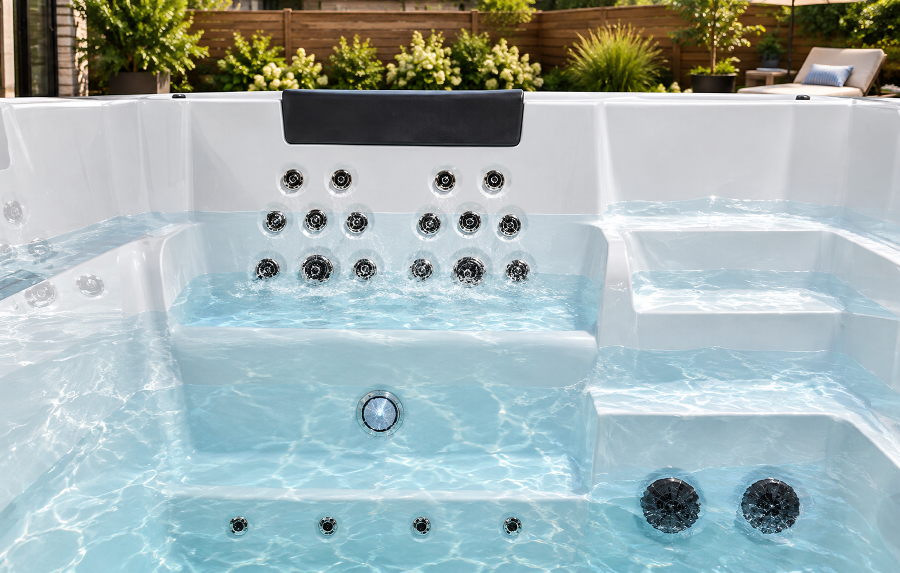
Conversely, hydrotherapy jets incorporate directional eyeballs, internal rotating vanes, or pulsating diverters. These mechanisms concentrate pressurized streams against specific muscle groups to relieve localized tension along the neck, paraspinal tracks, and plantar foot surfaces.
Dedicated Circulation Pumps vs. Multi-Speed Massage Pumps
Dividing hydraulic functions protects mechanical longevity and stabilizes internal water cleanliness. A dedicated 1 HP circulation pump is specified to handle water movement through the filtration and water treatment components, keeping water turning over quietly throughout standard daily filtering cycles.
When vigorous training or deep muscle therapy begins, primary pumps—such as the three 3 HP water pumps featured on larger models—are activated. This multi-pump arrangement provides adequate hydraulic volume to power both counter-current swimming and hydrotherapy massage stations.
Digital Touchscreen Controls, Sensors, and Automation
Digital touchscreen systems like the KL2020BT centralize primary operations into an accessible interface. Digital screens allow users to adjust settings easily without dealing with older analog dials or stiff external switches that may fail after extended exposure to weather.
Through this integrated touchscreen interface, bathers can manage water temperature, jet speeds, and lighting modes directly from the spa. Having centralized electronic control simplifies routine operation and helps keep day-to-day spa management straightforward.
Water Treatment Realities: Ozone, Filtration, and Chemical Maintenance
How Multi-Stage Cartridge Filtration Traps Particulates
Clear water depends on a steady mechanical filtration system that captures suspended solids before they decompose. Surface skimmer weirs pull in floating debris, body oils, and organic matter, directing water through dense pleated paper or microfiber fabric cartridges.
These filter cartridges trap micron-sized suspended particles that would otherwise cloud the water or coat plumbing interiors. Regular garden-hose washdowns and scheduled degreasing chemical soaks maintain design flow rates and keep backpressure off your circulation pump.
The Role and Limitations of Ozone Sterilization Systems
Ozone generators introduce trivalent oxygen ($O_3$) into the circulation plumbing to assist in water treatment. Ozone acts as an oxidizer that helps break down organic contaminants and cosmetic residues present in bather waste, aiding overall water clarity.
However, ozone gas dissolves rapidly and does not provide an enduring sanitizer residual throughout the main body of water. Consequently, an ozone system does not eliminate the need for routine chemical sanitation, and owners must maintain adequate disinfectant levels to prevent bacterial growth.
Essential Sanitation Routines: pH Balance and Residual Sanitizers
Preserving pure water and protecting internal equipment requires regular chemical testing. Spa owners should test water parameters routinely and adjust chemical additions according to local health guidance and the manufacturer’s manual to maintain clean, hygienic conditions throughout the year.
Total Alkalinity (TA): Keep levels buffered according to chemical product instructions to stabilize the water against rapid pH swings.
Potential Hydrogen (pH): Maintain water within the CDC-recommended range of 7.0 to 7.8 to avoid corrosive acidity or scale formation.
Free Residual Sanitizer: Maintain an active sanitizer residual at all times, with CDC guidance specifying at least 3 ppm for free chlorine or 4 to 8 ppm for bromine.
Safety Protocols, Local Building Codes, and Operating Temperatures
Barrier, Latching Cover, and Municipal Enclosure Regulations
Local building codes vary by jurisdiction regarding outdoor spa installations, with many municipal authorities enforcing specific barrier, fence, and permit requirements. While some regions accept an ASTM-compliant key-locking safety cover in lieu of fencing, others strictly mandate self-closing perimeter enclosures regardless of cover design.
Before purchasing or installing a backyard spa, contact your local municipal building or zoning department. Verifying setback distances, boundary clearances, and required barrier permits early prevents costly inspection failures or code compliance retrofits.
Thermal Exposure Limits and Recommended Safe Temperatures
Soaking in excessively hot water introduces real physiological risks if bathers ignore safe operating limits. Health authorities like the CDC advise that residential spa temperatures should never exceed 104°F (40°C), as prolonged exposure to elevated temperatures can cause drowsiness, dizziness, or fainting.
For active aquatic exercise or swimming against counter-current resistance, users generally select a cooler water setpoint for personal comfort. Pregnant bathers and individuals with underlying medical conditions should always consult a qualified healthcare professional before using heated spas.
Accessible Entry, Anti-Slip Steps, and Perimeter Lighting
Safe access over tall, 1.2-meter above-ground acrylic rims requires wide, slip-resistant exterior steps equipped with sturdy handrails. Textured step treads provide secure footing when climbing out with wet feet in dark outdoor conditions.
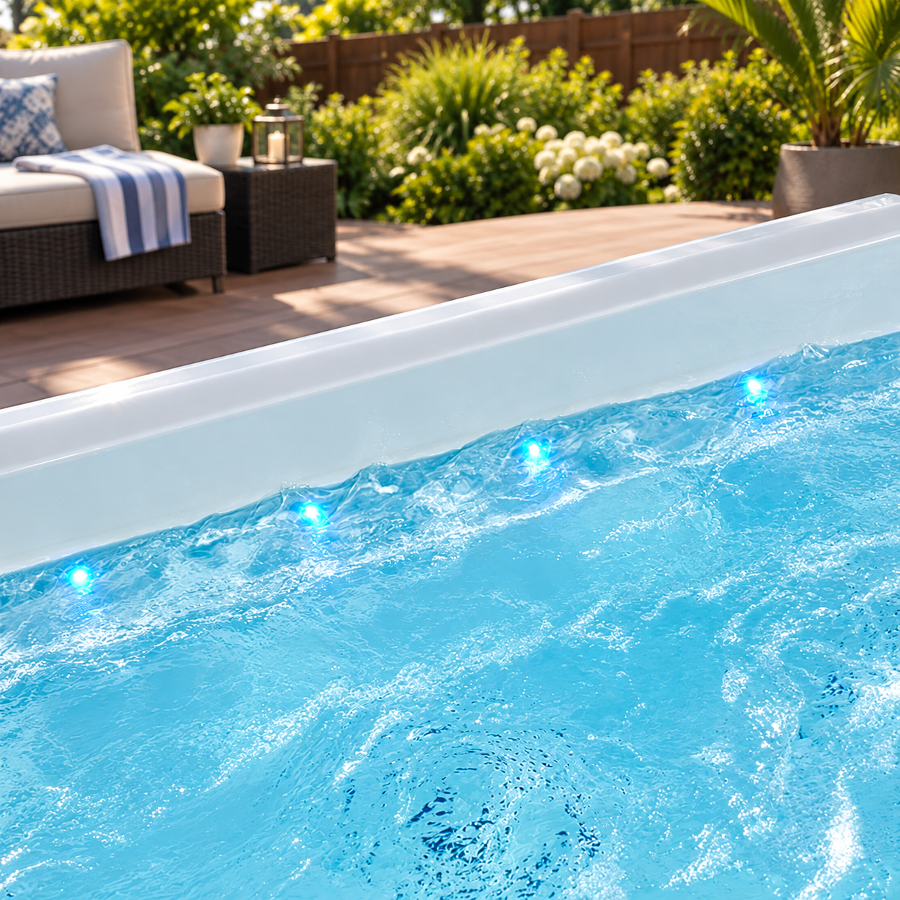
Integrated multi-color LED perimeter lighting enhances personal safety by illuminating the interior acrylic steps, floor transitions, and bench contours. Clear waterline illumination highlights the interior layout, preventing unexpected trips or missteps during nighttime soaks.
Practical Case Study: Evaluating the Above Ground Swim Spa M-503
Dimensional Footprint and Hydrotherapy Seating Configuration
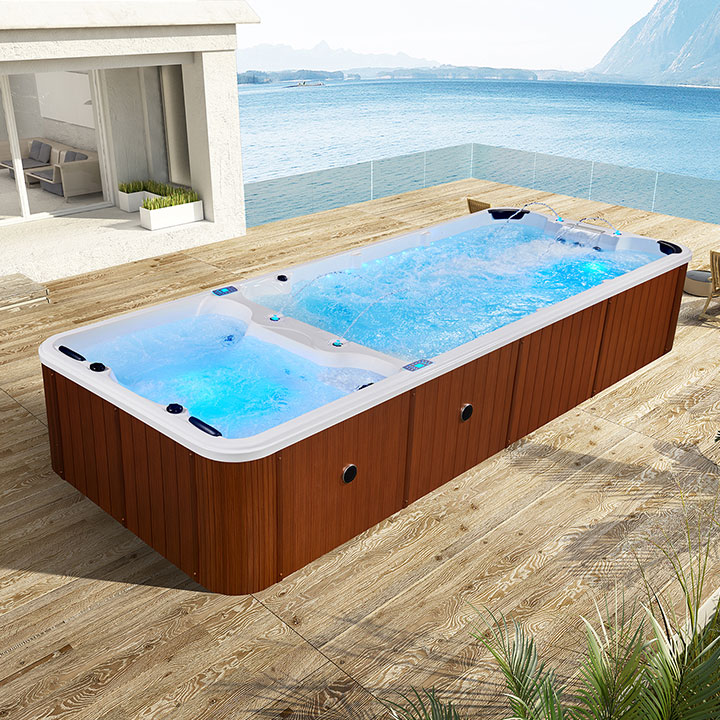
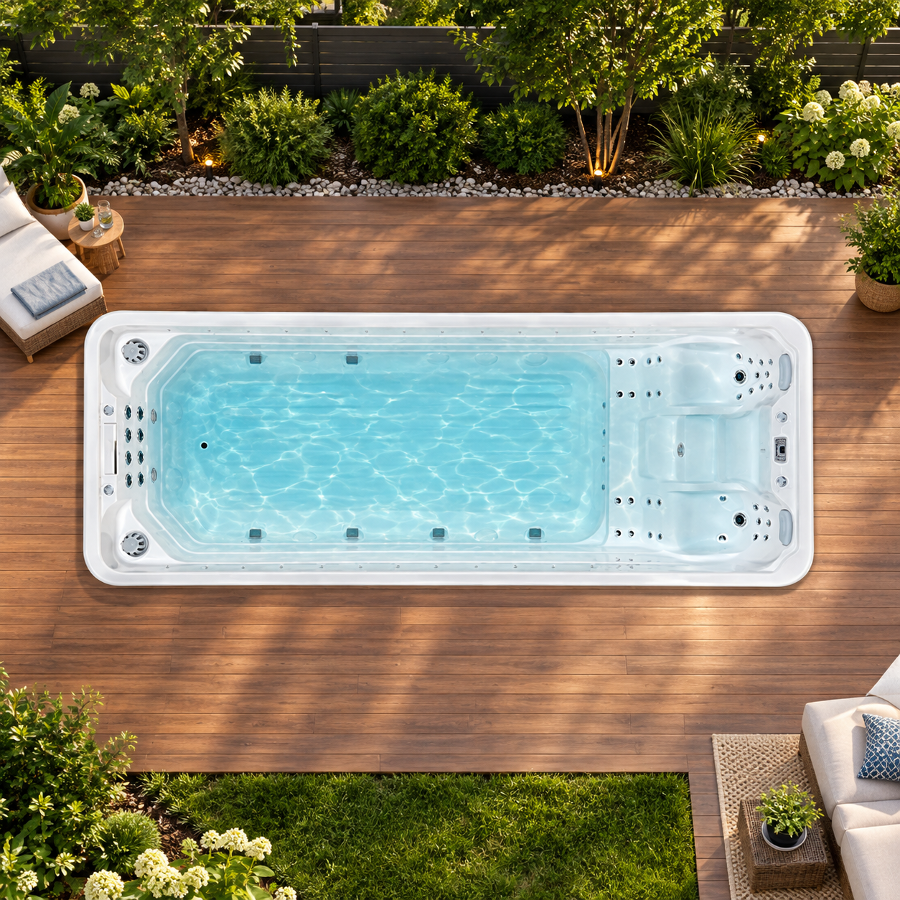
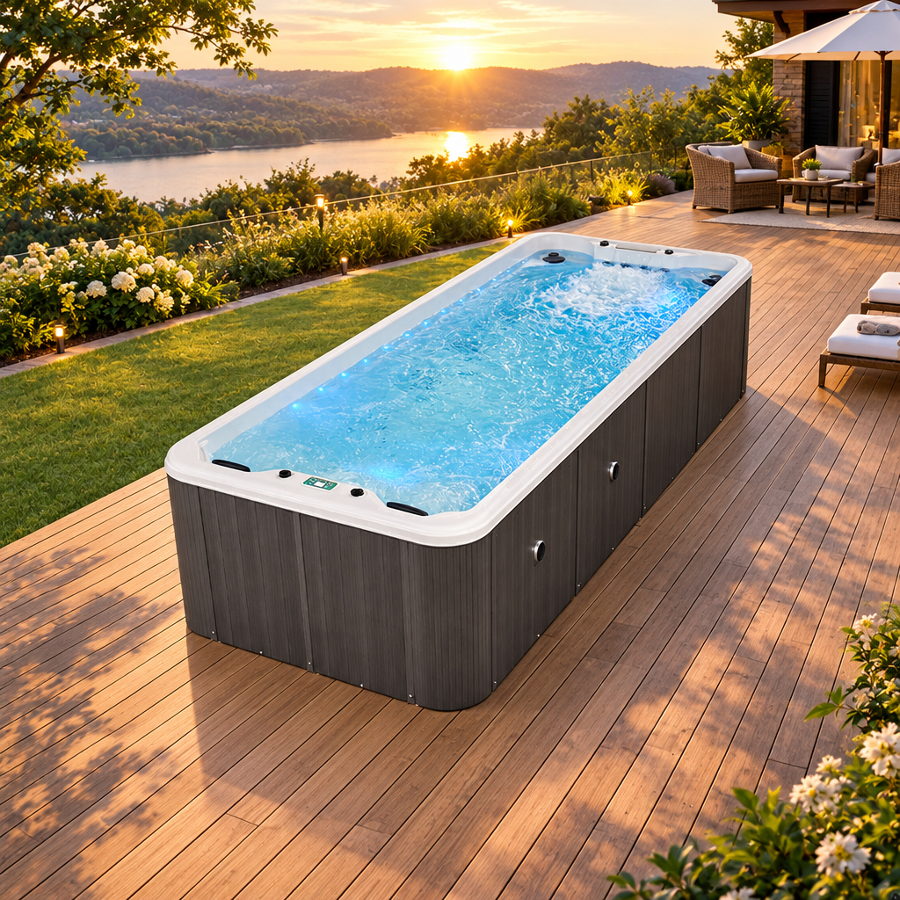
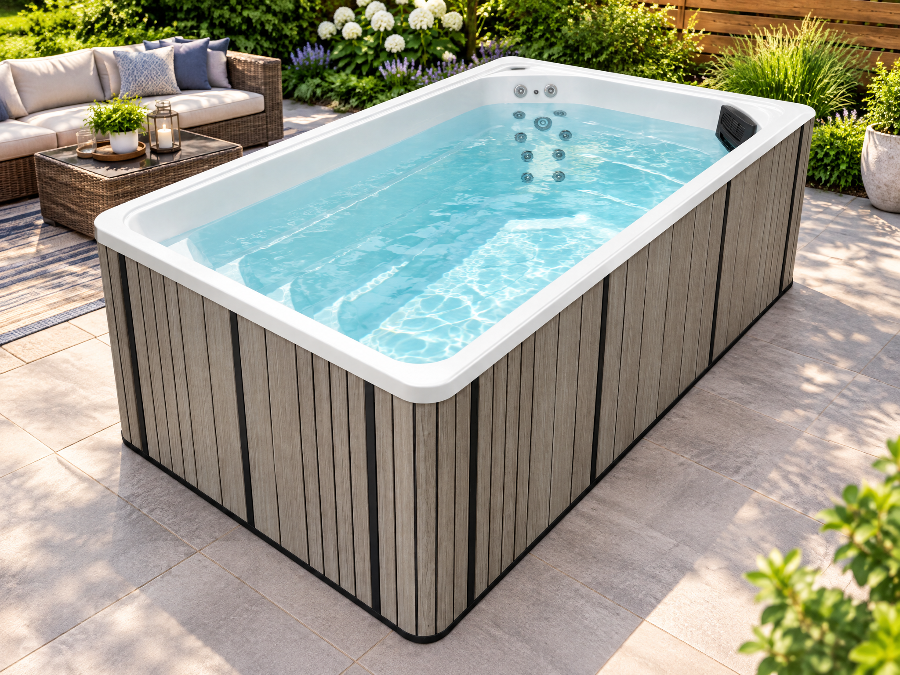
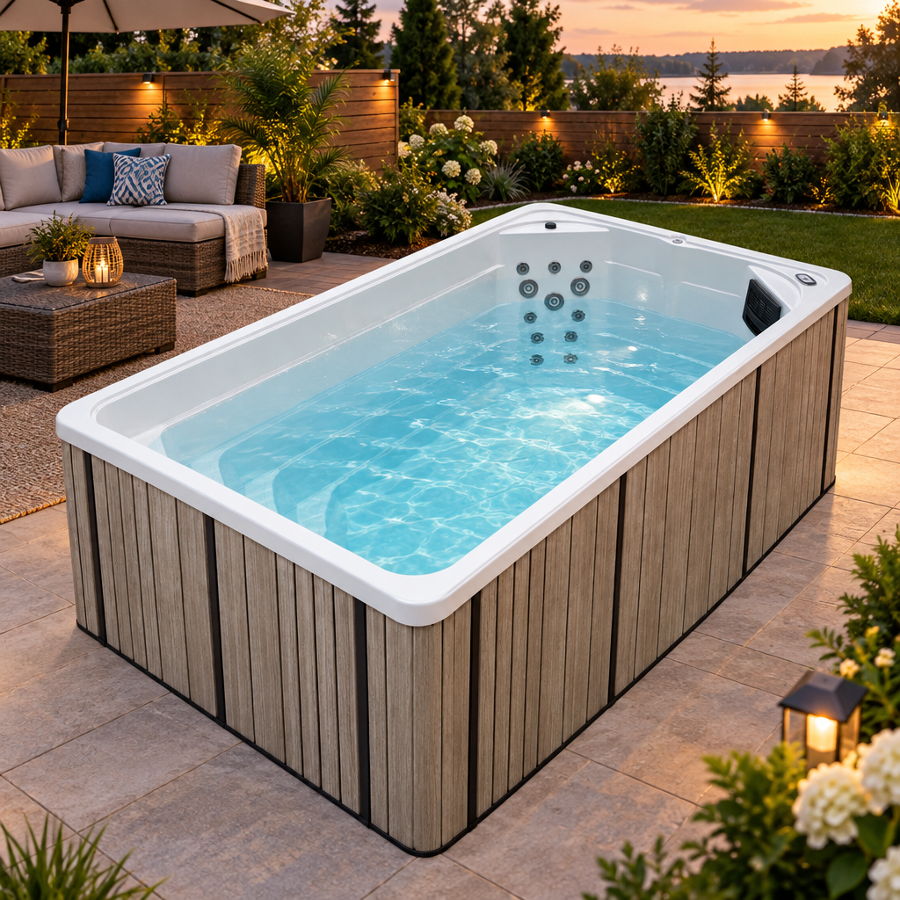
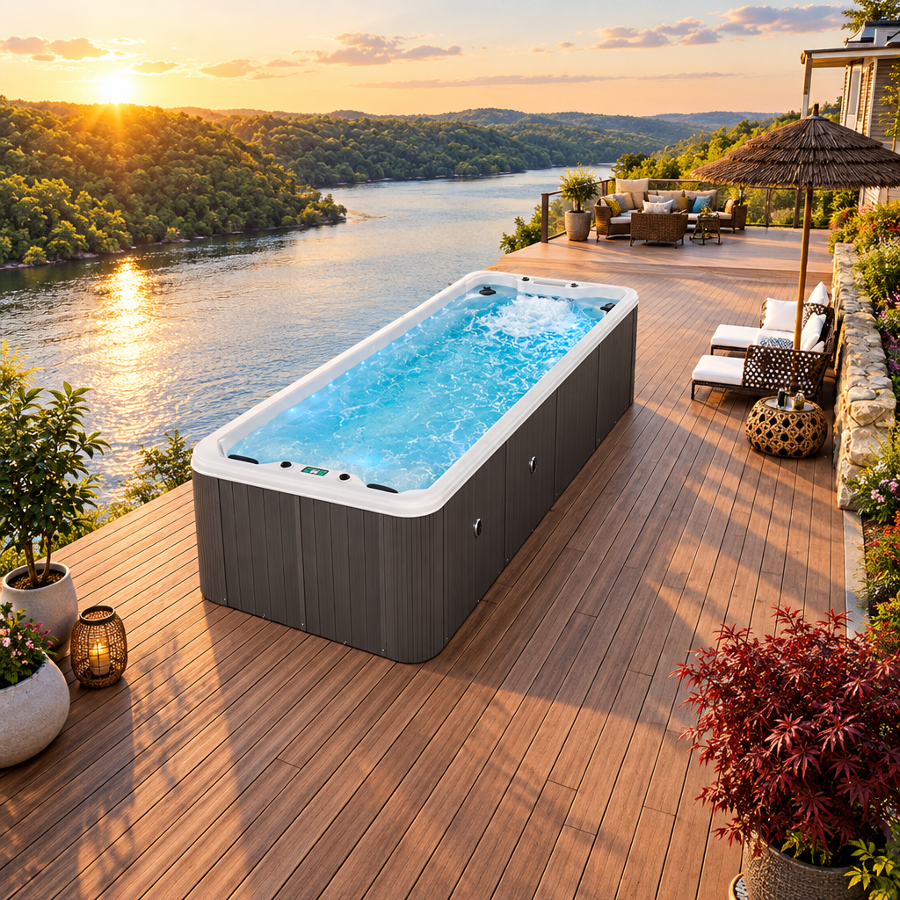
As a prominent example of residential aquatic design, the Above Ground Backyard Swim Spa M-503 showcases how physical conditioning and hydrotherapy can combine within a single unibody shell. Measuring 5800 mm in length, 2200 mm in width, and 1250 mm in height (19′ × 87″ × 49″), the vessel provides an uninterrupted swim corridor.
At the foot of the swim corridor, two contoured ergonomic bucket seats provide dedicated hydrotherapy without encroaching on the swimming area. These dual seats allow one or two bathers to enjoy hydromassage within the shared body of water while another user exercises in the open lane.
Propulsion Architecture: Three 3 HP Pumps and 48 Directional Jets
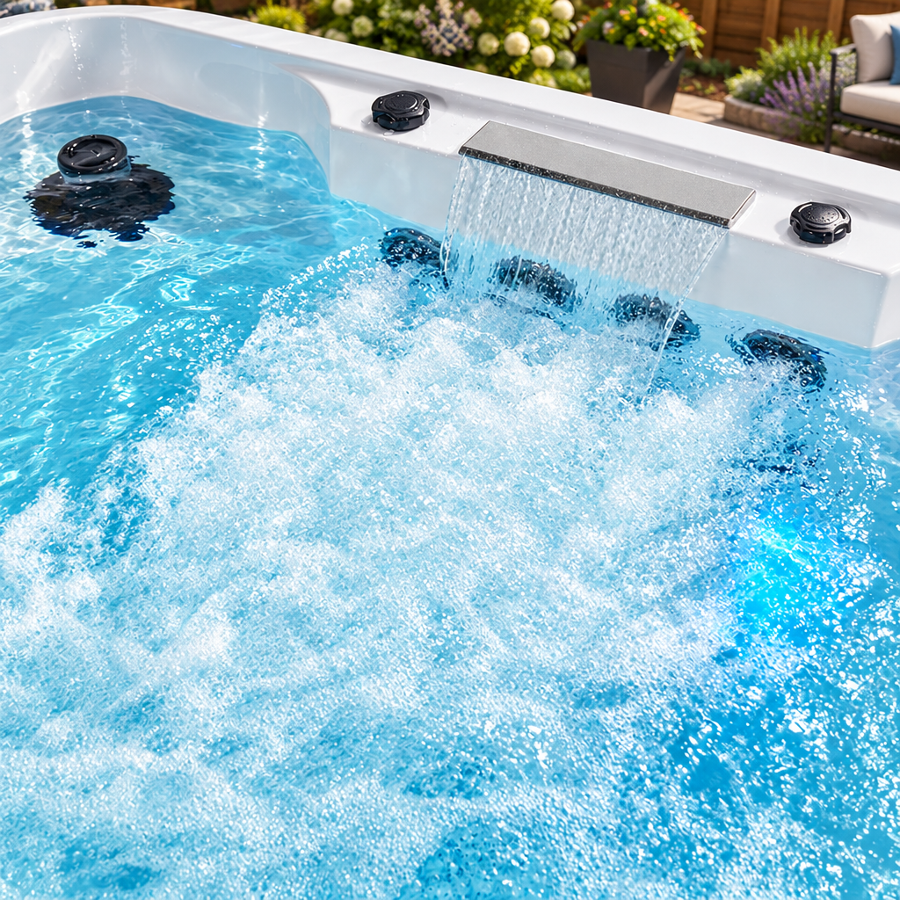
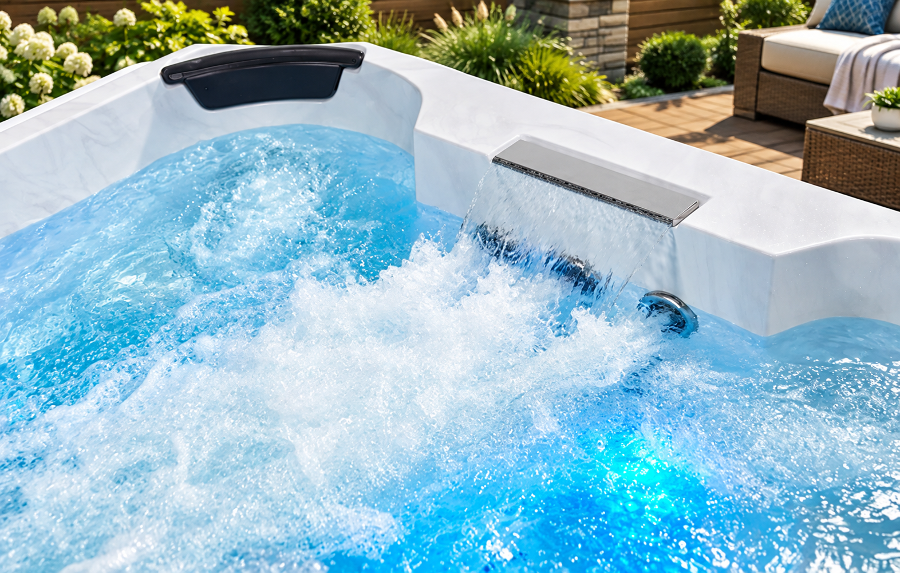
The hydrodynamics of the M-503 rely on three dedicated 3 HP water pumps that provide robust flow for both swimming and hydrotherapy. This multi-pump hydraulic system delivers continuous, multi-speed counter-current water flow along the lane while simultaneously driving the therapeutic massage jets.
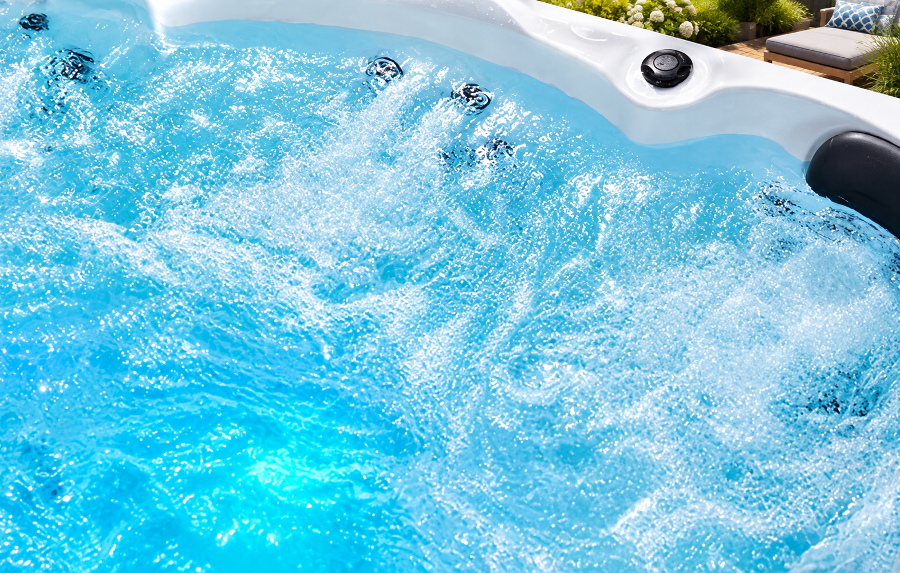
Complementing the swim system, 48 strategically placed massage jets target stress points across the back, cervical spine, and lower extremities. Working with the KL2020BT touchscreen controller, bathers can easily manage water temperature, jet speed, and integrated lighting modes.
Power Supply, Water Volume (7,890 L), and Electrical Specifications
At Foshan Gaoming Shiyi Sanitary Ware Technology Co., Ltd., we manufacture high-capacity hot tubs and swim spas under our Victoria Star brand, applying strict manufacturing controls across mold forming, assembly, and exterior cabinet construction. Supporting the expansive 7,890-liter water capacity of the M-503 involves balanced internal components built to official technical specifications:
Power Supply Rating: Listed with a 13.35 KW power supply specification to support the unit’s mechanical and electrical systems.
Dual Heating Configuration: Fitted with two 3,000-watt heating elements (6,000 watts total) for effective water temperature management.
Dedicated Circulation Assembly: Powered by an independent 1 HP circulation pump alongside three 3 HP water pumps.
Structural Materials: Formed with a Porcelain white acrylic shell finish, paired with weather-resistant exterior cabinets available in Platinum or Midnight finishes.
Step 1: Clarify Primary Household Objectives (Soaking vs. Training)
Begin your buying journey by identifying how your family will use the water each week. If your primary goal is evening stress relief and quiet conversation for four to six adults, a compact, multi-seat hot tub is your most cost-effective choice.
If daily cardiovascular exercise, joint-friendly rehabilitation, or stroke training are top priorities, invest in a dedicated swim spa. Outlining your functional expectations early on prevents buying an undersized soaking tub that cannot support fitness goals.
Step 2: Measure Delivery Passages and Service Clearance
Carefully audit your property’s physical access points before committing to a purchase. Measure gate widths, eave overhangs, tree branches, gas meters, and air conditioner compressors that line the delivery path from the street to your backyard.
Leave a minimum of 60 to 90 centimeters of unobstructed space around all four sides of the spa cabinet. Service technicians need adequate clearance to remove side panels and inspect mechanical bays, plumbing manifolds, or heater unions without excavating your patio.
Step 3: Verify Electrical Panel Capacity and Utility Connections
Hire a licensed electrical contractor to examine your residential electrical panel board. Large swim spas possess significant power demands, which may necessitate a dedicated sub-panel addition or service capacity upgrade.
Obtain the specific model’s installation manual so your electrician can verify the precise circuit ampacity, voltage, and disconnect requirements under local electrical codes. Resolving electrical infrastructure early prevents costly project delays once delivery occurs.
Step 4: Compare Warranty Coverage, Shell Materials, and Serviceability
Examine the structural sub-frame, acrylic shell thickness, and warranty terms rather than focusing purely on surface features. Vacuum-formed, high-grade acrylic backed by continuous composite resin layers resists blistering, delamination, and surface cracking far better than basic thin plastics.
Review the manufacturer’s warranty coverage on pump wet-ends, heater elements, and plumbing manifolds. Ensure that internal replacement parts use non-proprietary or widely serviceable standards so local technicians can easily source fittings years down the road.
Frequently Asked Questions (FAQ)
What is the primary difference between a backyard hot tub and a swim spa?
A standard hot tub is built primarily for passive, seated relaxation and hydrotherapy, utilizing molded bucket seating and compact water volumes maintained at warmer soaking temperatures. In contrast, a swim spa features an extended, open swim channel driven by powerful water pumps—such as the three 3 HP pumps on the M-503 serving swimming and hydrotherapy—allowing users to swim in place against water flow, complete low-impact aquatic fitness drills, and relax in dedicated hydrotherapy seats within a single footprint.
What kind of electrical service is required for a large swim spa?
High-capacity swim spas typically require dedicated 220V–240V hardwired electrical connections running through an exterior GFCI disconnect switch. Units with heavy power supply ratings—such as the 13.35 KW rating on the M-503 with dual 3,000 W heaters—require conductor sizing and breaker ampacities determined by a licensed electrician according to the manufacturer’s wiring manual and local building regulations, ensuring adequate capacity for all internal equipment.
Does an ozone system eliminate the need to add chlorine or bromine?
An ozone purification system aids water treatment but does not completely eliminate the need for sanitizing chemicals. Ozone oxidizes organic contaminants inside the contact plumbing, but it quickly dissipates from the water basin without leaving a lasting residual. Owners must still maintain a continuous residual sanitizer, such as at least 3 ppm of chlorine or 4 to 8 ppm of bromine, to ensure proper water safety and prevent bacterial growth between soaking sessions.
What maximum water temperature is safe for residential spa use?
According to the U.S. Centers for Disease Control and Prevention (CDC), water temperatures in residential spas and hot tubs should never exceed 104°F (40°C) to prevent drowsiness, fainting, or heat-related distress. For vigorous swimming and cardiovascular workouts, users often select a cooler setting for personal comfort and endurance. Expectant mothers and individuals with medical conditions should always seek guidance from a qualified physician before entering heated water.
Can an above-ground swim spa be installed directly on soil or gravel?
An above-ground swim spa should not be placed on unverified ground surfaces without confirming manufacturer requirements. Because an operational unit filled with thousands of liters of water places an immense load on the ground, the foundation must be flat, stable, and professionally engineered for that load to prevent settling and structural stress, whether constructed from poured reinforced concrete or an engineered deck structure.
Conclusion: Selecting the Ideal Backyard Spa for Long-Term Ownership
Investing in the best backyard spa centers on pairing your family’s personal wellness routine with sound structural engineering and reliable mechanical hardware. By assessing your electrical service capacity, preparing an adequately engineered foundation, and understanding real-world water chemistry routines, you can choose a spa that provides reliable service for years to come. Whether you select a focused hydrotherapy hot tub or a versatile training model like the Victoria Star M-503, careful site planning ensures your new backyard installation delivers lasting comfort, fitness, and relaxation.
Victoria Star Swim Spa offers the perfect balance between exercise and relaxation, whether you want to swim for fitness or relax in the spacious seating.
Victoria Star Swim Spa offers the perfect balance between exercise and relaxation, whether you want to swim for fitness or relax in the spacious seating.