How Cold Plunge Electric Systems Work and Why They Matter
Home / News / How Cold Plunge Electric Systems Work and Why They Matter
September 28, 2026
Cold plunge electric systems have changed how people think about ice baths at home. Instead of hauling bags of ice or waiting for a hose to fill a barrel with frigid water, an electric cold plunge uses a built-in cooling mechanism to hold a consistent low temperature on demand. For anyone searching "cold plunge electric," the real question usually isn’t what the term means. It’s whether an electrically powered unit is worth the investment over a manual ice bath, and how that technology actually functions day to day.
This distinction matters because cold plunge electric setups solve a specific problem: temperature consistency. Manual ice baths degrade in effectiveness as the ice melts, and refilling them is labor-intensive and unpredictable. An electric system, by contrast, maintains a set temperature through a mechanical process, which is the entire point of paying more upfront.
What "Electric" Actually Means in a Cold Plunge
The term "electric cold plunge" refers to any unit that uses powered components, typically a compressor-based chiller or heat pump, to regulate water temperature without external ice. Some models handle both heating and cooling, while others are dedicated chillers only.
This is different from a passive tub, which relies entirely on ambient conditions or ice you add manually. An electric unit runs a pump that circulates water through a cooling or heating element, then returns it to the basin at the target temperature. The circulation itself also matters, since stagnant water breeds bacteria faster than water that’s actively moving through a filtration loop.
Why People Switch From Ice to Electric Systems
Athletes and home users tend to migrate toward electric cold plunges for a few recurring reasons, and they rarely have anything to do with novelty.
Ice costs add up fast. A single session can require dozens of pounds of ice, and daily use turns into a real recurring expense within a few months.
Temperature drifts upward as ice melts. What starts at 39°F can climb past 50°F within twenty minutes, undermining the physiological response you’re trying to trigger.
Manual refilling is a chore. Draining, cleaning, and re-icing a tub after every session isn’t sustainable for someone using it four or five times a week.
Consistency supports habit formation. A system that’s always ready removes the friction that causes people to skip sessions.
None of this means ice baths are obsolete. For occasional or seasonal use, a manual tub is still cheaper and simpler. The electric route earns its cost when usage frequency justifies it.
The Core Components Behind Electric Cooling
Most residential cold plunge electric units rely on a refrigeration cycle similar in principle to a household air conditioner, just adapted for water instead of air. A compressor moves refrigerant through a loop, extracting heat from the water and dissipating it externally. Some manufacturers use heat pump systems instead, which can also reverse the cycle to warm water when needed, giving the unit dual functionality.
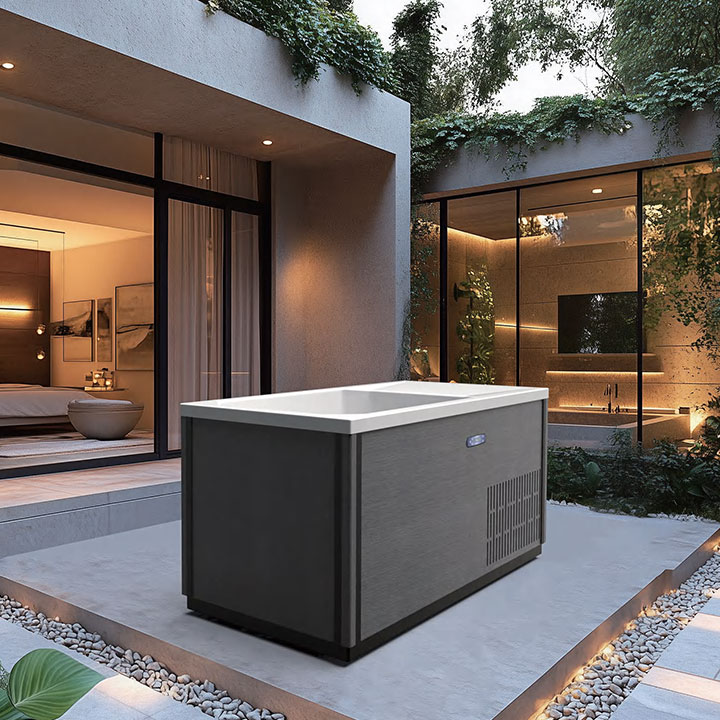
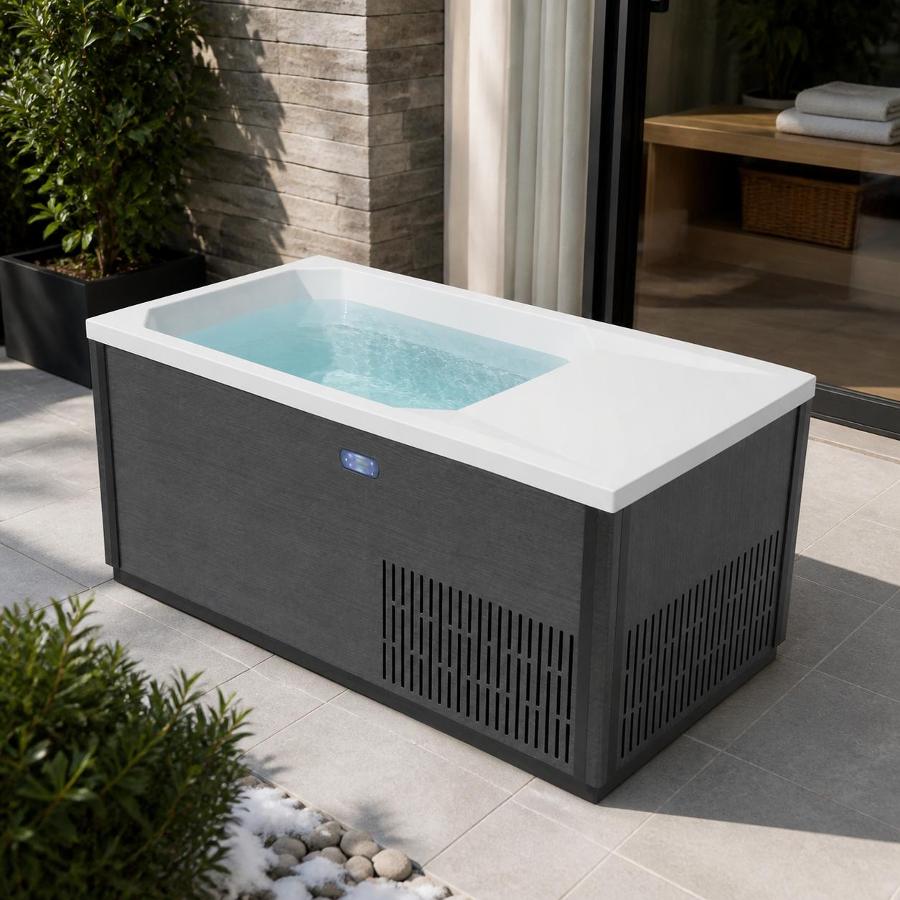
Take the Outdoor Cold Plunge Tub C02 as a reference point for how this looks in a real product. It runs on an integrated 900W heat pump system paired with a 54W brushless pump, drawing a combined 0.954 kW from a standard power supply. The heat pump handles temperature regulation, while the brushless pump keeps water circulating through the basin continuously. Brushless motors specifically are worth noting because they tend to run quieter and last longer than brushed alternatives, since there’s no physical contact wearing down internal parts over time.
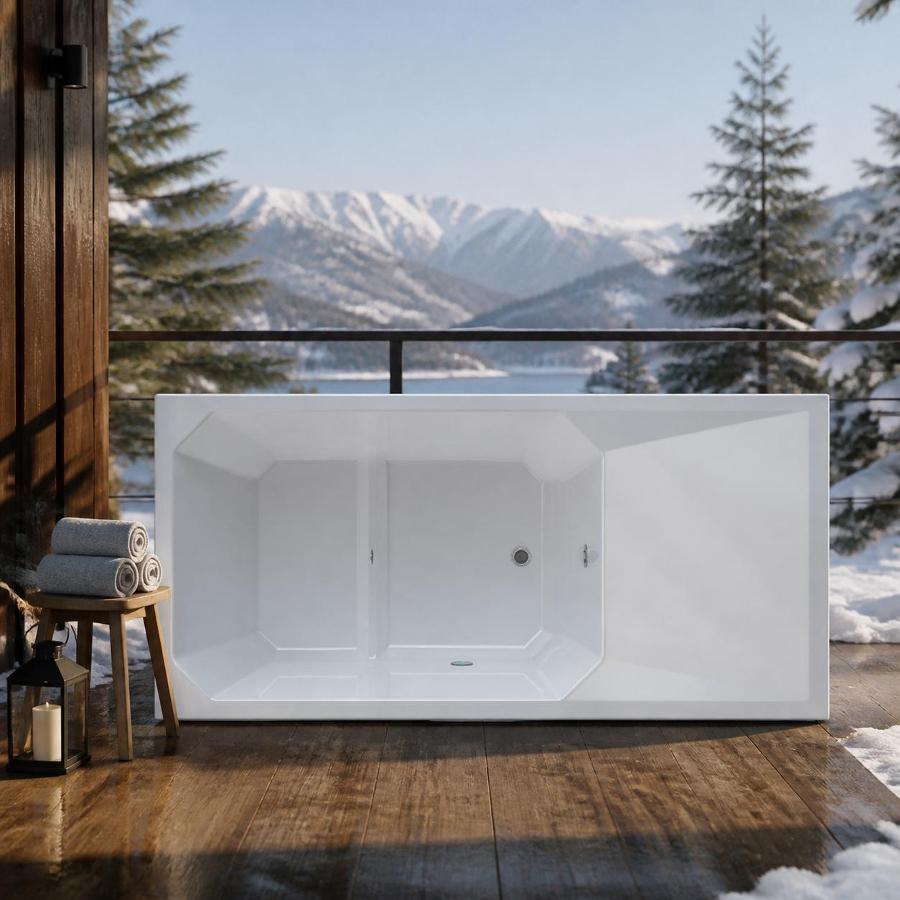
The tub itself holds 320 liters, built from a porcelain-finish acrylic shell that resists staining and holds up against sustained cold-to-ambient temperature swings outdoors. An insulated cover is included, which isn’t a minor accessory. Cover insulation reduces the load on the heat pump between sessions, meaning the unit doesn’t have to fight constant heat gain from ambient air just to hold a set point.
What Cold Immersion Is Actually Used For
Beyond the mechanics, people invest in these systems for a specific set of outcomes tied to cold water immersion therapy.
Post-exercise recovery. Cold exposure causes vasoconstriction, narrowing blood vessels, which is commonly used to help manage exercise-induced muscle soreness and localized inflammation.
Circulatory stimulation. The cycle of vessels constricting in cold water and dilating afterward is often described as a way to support blood flow and oxygen delivery to tissue.
Mental clarity and stress relief. Cold exposure triggers a release of endorphins, which many users report as a mood lift and a way to cut through mental fog.
It’s worth being precise here. These are the general, widely cited mechanisms behind cold water immersion, and they’re the basis for why athletes and wellness-focused households adopt this practice. They aren’t guarantees of a specific medical outcome, and anyone with cardiovascular conditions should talk to a physician before starting a cold immersion routine.
Comparing Manual Ice Baths and Electric Systems
Factor
Manual Ice Bath
Cold Plunge Electric
Upfront cost
Low
Higher
Ongoing cost
Ice purchases add up
Electricity only
Temperature stability
Drops as ice melts
Maintained automatically
Daily readiness
Requires refilling
Ready on demand
Maintenance effort
High (draining, refilling)
Lower (filtration, occasional service)
Best for
Occasional use
Frequent, routine use
This table isn’t meant to declare one option universally better. It’s meant to clarify the tradeoff: electric systems shift cost from labor and ice purchases into equipment and power draw, in exchange for consistency and convenience.
How to Choose the Right Setup for Your Space
Selecting a cold plunge electric unit isn’t just about picking the biggest heat pump available. A few practical questions narrow the decision:
Where will it live? Outdoor installations need weather-resistant cabinetry, which is why exterior panels on units like the C02 use vented composite materials designed to handle sun and moisture exposure over time.
How often will you use it? Daily users benefit more from the temperature consistency electric systems provide, since the cost-per-use drops the more frequently the tub is run.
Do you need heating too? Heat pump systems, unlike single-direction chillers, can often warm water as well, which matters if the same tub will double as a contrast therapy or general soak setup.
What’s your available power supply? Confirm your outdoor circuit can handle the unit’s draw, in this case a combined 0.954 kW, before installation.
For context on the physical footprint, the C02 measures 1695mm by 830mm by 850mm and weighs 140kg empty, 180kg with water, which is a meaningful factor for deck load-bearing and patio placement decisions.
Frequently Asked Questions
Does an electric cold plunge use a lot of electricity? It depends on usage patterns and insulation quality. A well-insulated cover, like the one included with the C02, reduces how often the heat pump needs to run to maintain temperature, which keeps ongoing power draw manageable.
Can electric cold plunge tubs also heat water? Units built around heat pump systems, rather than standalone chillers, can typically do both. This is a spec worth checking before purchase if you want a single tub for both cold therapy and warm soaking.
Is cold plunge electric equipment safe to install outdoors? Yes, provided the cabinet materials are weather-resistant and the electrical connection meets outdoor-rated standards. Vented composite cabinet panels, as used on some outdoor-rated tubs, help manage moisture around internal components.
How long does it take for the water to reach cold plunge temperature? This varies by unit, ambient temperature, and water volume, and manufacturers typically provide specific timing for their own equipment rather than a universal figure.
Making the Decision for Your Own Routine
The appeal of a cold plunge electric system comes down to removing friction from a habit that only works if it’s repeated consistently. Ice baths get the job done, but they demand more from the user every single time. An electric unit, backed by a heat pump and circulation pump, holds its temperature and asks less of you on a Tuesday morning before work.
For us at Victoria Star, that reliability is the reason products like the Outdoor Cold Plunge Tub C02 are built around a dedicated heat pump system and durable acrylic construction, whether the setup lives on a backyard patio or inside a training facility. Choosing between manual ice and electric cooling isn’t about which is superior in the abstract. It’s about matching the system to how often you’ll actually use it, and letting that frequency guide the investment in cold plunge electric technology.
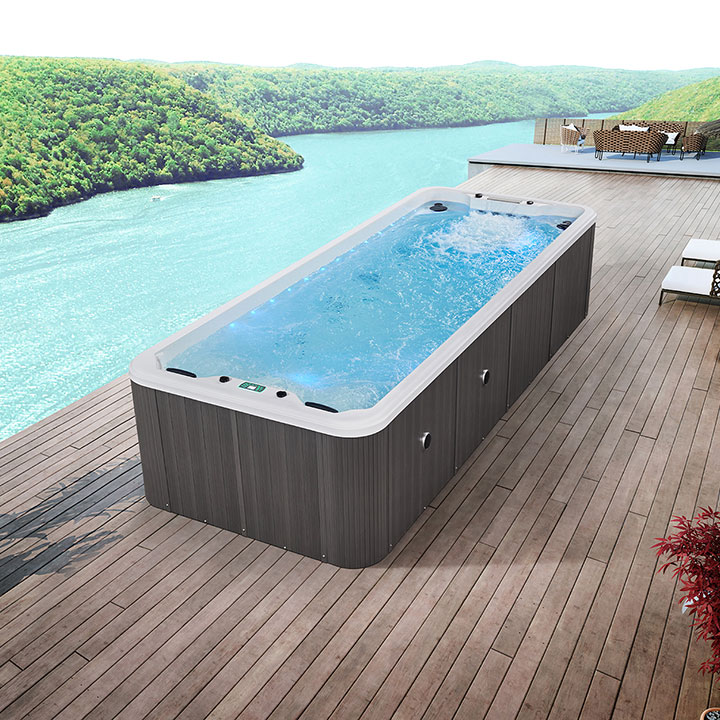
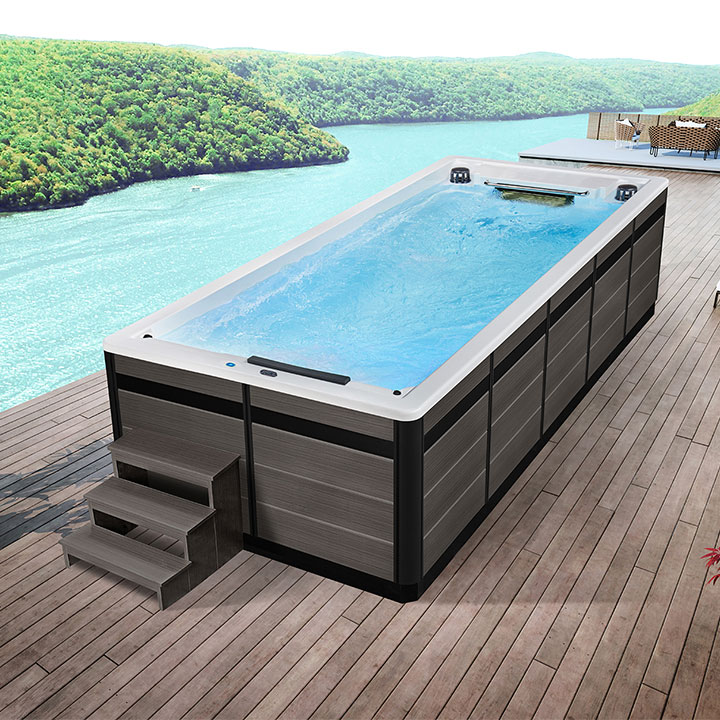
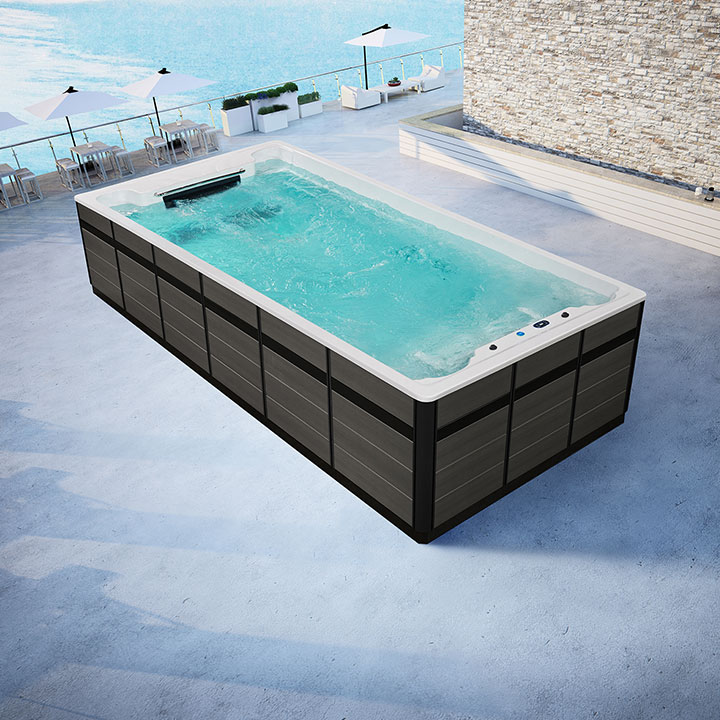
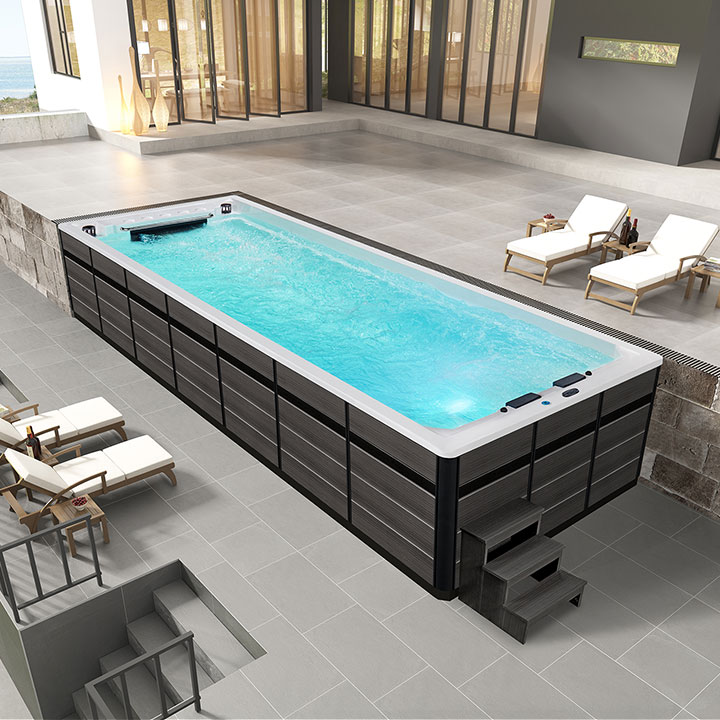
Victoria Star Swim Spa offers the perfect balance between exercise and relaxation, whether you want to swim for fitness or relax in the spacious seating.
Victoria Star Swim Spa offers the perfect balance between exercise and relaxation, whether you want to swim for fitness or relax in the spacious seating.