From Cold Plunge to Hot Tub: Building a Complete Recovery Routine at Home
Home / News / From Cold Plunge to Hot Tub: Building a Complete Recovery Routine at Home
September 29, 2026
Contrast therapy has moved from elite training rooms into ordinary backyards. Athletes have used the shift from cold plunge to hot tub for decades, but home wellness setups now make the same routine accessible to anyone with a patio or deck.
The idea is simple on paper. You cool the body down, then warm it back up, and the swing between the two triggers a cascade of circulatory responses. In practice, getting it right depends on equipment, timing, and knowing what each stage is actually doing to your body.
Why Contrast Therapy Works the Way It Does
Cold water immersion causes blood vessels to constrict. This is a mechanical response, not a mysterious one. Blood moves away from the skin and extremities toward the body’s core to conserve heat.
When you then move into warm water, those same vessels dilate. Blood flow returns to the surface and extremities, often carrying more oxygen and nutrients than before the cold phase. This alternating constriction and dilation is what practitioners refer to when they talk about circulation benefits from contrast bathing.
For muscle recovery specifically, the cold phase is believed to limit inflammation and swelling right after intense exercise. The warm phase that follows helps flush the area with fresh blood flow, which many people find eases stiffness faster than heat or cold alone.
What a Cold Plunge Actually Requires
Not every ice bath setup is created equal, and temperature stability matters more than most people expect. A tub that drifts several degrees during a session makes it hard to gauge your own tolerance or track progress over time.
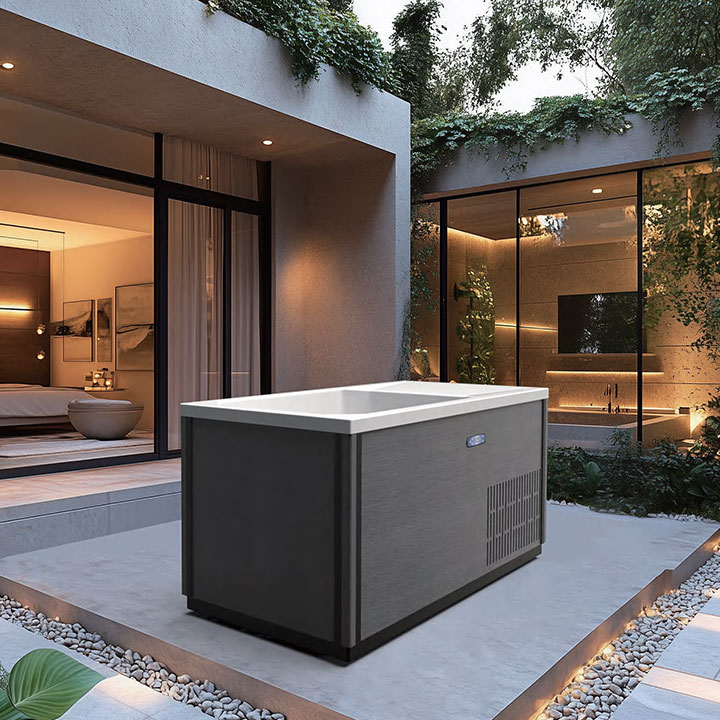
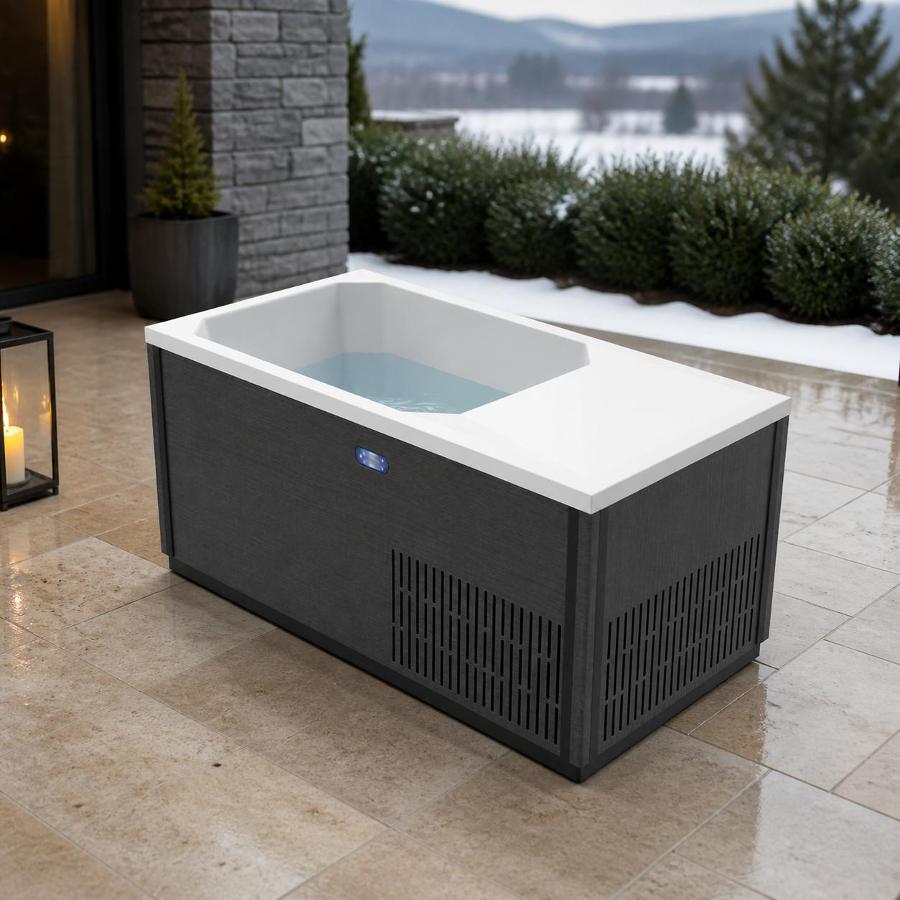
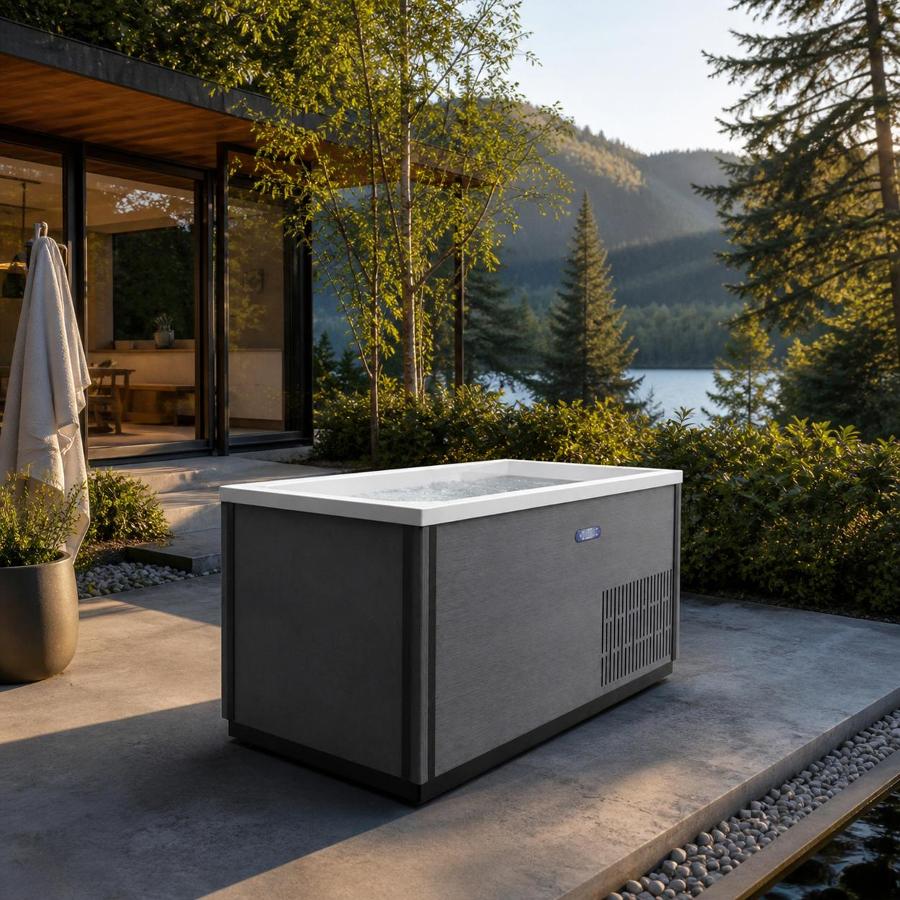
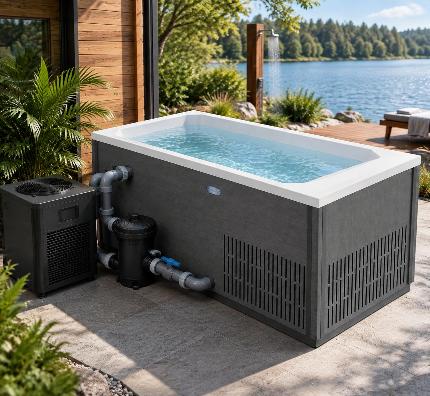
The Outdoor Cold Plunge Tub C02 addresses this with an integrated 900W heat pump system paired with a 54W brushless pump, keeping water temperature consistent through a full immersion session. This matters because sudden fluctuations can make cold exposure feel unpredictable, which discourages the very consistency that makes the practice useful.
Capacity is another practical consideration. At 320 liters, the C02 model offers enough depth and space for a full-body soak, with an ergonomic interior step that makes entry and exit easier, especially for people new to cold immersion.
The Physiological Case for Cold First, Heat Second
Sequence matters in contrast therapy, and most structured recovery protocols recommend starting cold before moving to heat rather than the reverse.
Beginning with cold immersion constricts blood vessels while the body is still carrying heat and inflammation from exercise. Following with heat then dilates those vessels in a body that’s already been given a chance to calm down. Reversing the order tends to blunt the contrast effect, since starting warm and ending cold can leave muscles feeling tense rather than relaxed.
Cold phase (2 to 10 minutes): Vessels constrict, reducing swelling and numbing acute soreness.
Transition (a few minutes of rest): The body begins to rewarm naturally.
Heat phase (10 to 20 minutes): Vessels dilate, blood flow returns, and muscles loosen.
This isn’t a rigid formula, and individual tolerance varies quite a bit. Some people only manage a few minutes of cold before their body says enough, and that’s a normal starting point rather than a failure.
Matching Equipment to the Way You Actually Use It
A cold plunge and a hot tub don’t need to be the same brand or even the same material, but they do need to fit your space and your routine realistically.
For a backyard installation, exterior durability is worth checking closely. The C02’s cabinet uses vented composite panels available in Platinum or Midnight tones, built to hold up outdoors rather than indoors, which is a meaningfully different design requirement.
Consideration
Cold Plunge Tub (C02)
Typical Hot Tub
Water Capacity
320 L
Often 1,000+ L
Heating Direction
Cools/regulates via heat pump
Heats via heater element
Session Length
2–10 minutes
15–30 minutes
Primary Purpose
Vasoconstriction, recovery
Vasodilation, relaxation
Typical Placement
Near training area or deck
Patio, deck, or dedicated spa zone
Placing both units near each other cuts down on the walk between them, which sounds trivial until you’re dripping cold water across a lawn in winter.
Who Actually Benefits From This Setup
Contrast therapy isn’t only for competitive athletes, though that’s where it got its reputation. According to the product’s application scenarios, this kind of setup shows up in several different environments.
Home wellness courtyards, where a cold plunge to hot tub routine becomes part of a weekly or daily habit rather than an occasional treatment.
Sports training facilities, where athletes cycle through recovery stations between sessions.
Boutique spas and ice therapy studios, offering the experience as a guided treatment.
Resort and hospitality settings, where guests treat it as part of a broader relaxation stay.
Each context changes the emphasis slightly. A training facility cares about throughput and durability under repeated use. A private courtyard cares more about ambiance and quiet operation. The underlying equipment, though, solves the same core problem either way.
Common Mistakes People Make With Cold Exposure
Jumping into cold water without any preparation is the most frequent misstep, and it’s worth addressing directly since it discourages a lot of first-timers.
Breathing control matters more than people expect. The initial shock of cold water tends to spike heart rate and breathing rate sharply. Slowing your exhale rather than gasping helps the nervous system settle faster, and this alone changes how tolerable the first minute feels.
Duration is another area where people overcorrect. Longer isn’t automatically better with cold immersion. Sessions in the range of a few minutes are generally enough to trigger the vascular response; pushing well beyond that mainly increases discomfort without adding proportional benefit.
Frequently Asked Questions
How cold does the water need to be for a plunge to be effective? There’s no single universal number, and tolerance varies by individual. What matters more consistently is that the temperature stays stable throughout the session rather than drifting, which is why a regulated system like a heat pump control matters.
Can I install a cold plunge tub without a separate hot tub? Yes. Many people start with just a cold plunge and use an indoor shower or existing bathtub for the warm phase before deciding whether a dedicated hot tub is worth adding later.
Does the cold plunge require much maintenance? Water care is similar in principle to other spa equipment, involving filtration and periodic water changes. The C02’s brushless pump is designed to support this circulation with lower energy draw compared to older pump designs.
Is contrast therapy safe for everyone? People with cardiovascular conditions or other health concerns should check with a physician before starting cold immersion, since the vasoconstriction response places real demand on the circulatory system.
Building the Routine Into Daily Life
The appeal of moving from cold plunge to hot tub at home isn’t just physiological, it’s logistical. Skipping the drive to a recovery clinic or gym facility means the routine actually happens on the days motivation is low, which is often when it’s needed most.
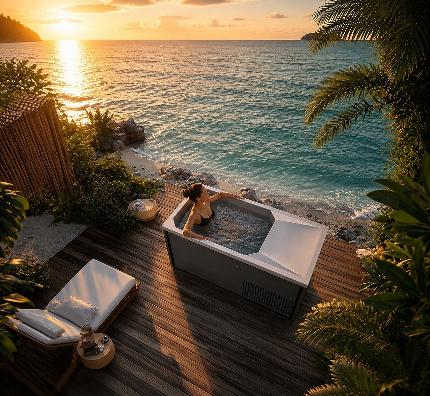
For us, that’s the practical argument behind Victoria Star’s approach to outdoor wellness equipment: build the hardware so it holds up outside, keep the temperature control predictable, and let the routine itself do the work. A backyard courtyard, a coastal deck, or a quiet corner near a training facility can all support the same basic cycle of cold plunge to hot tub, as long as the equipment behind it does its job consistently.
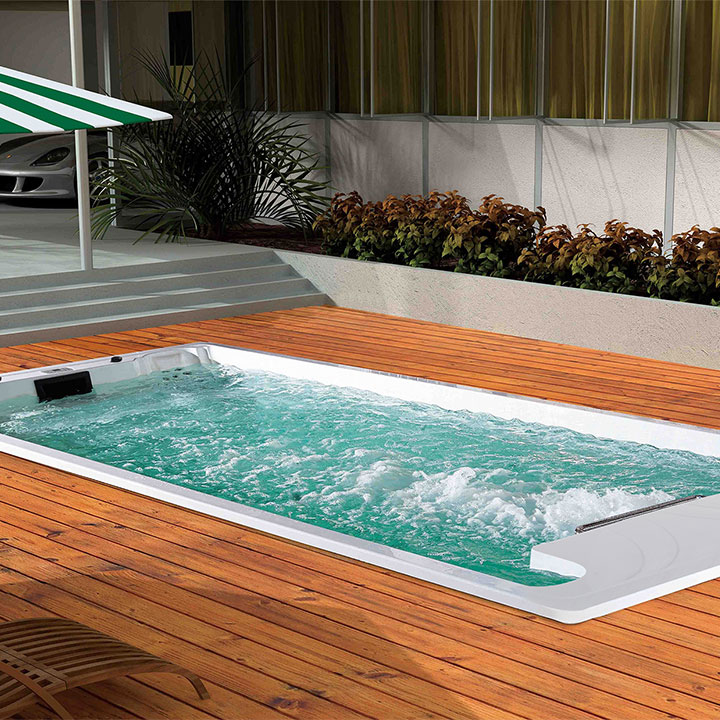
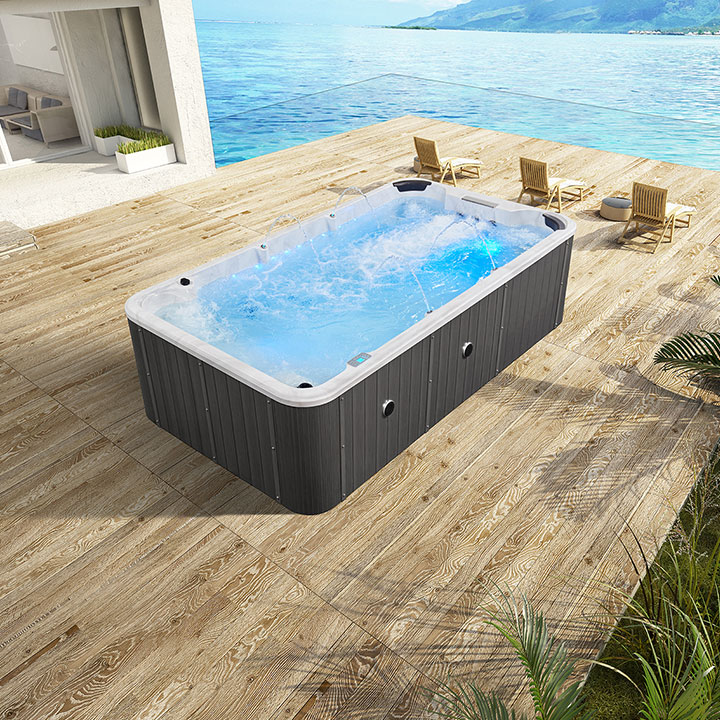
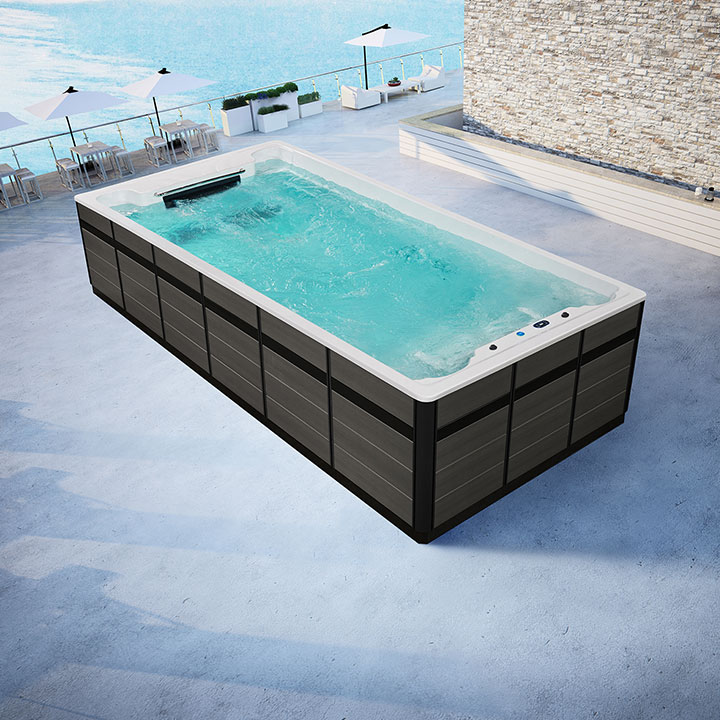
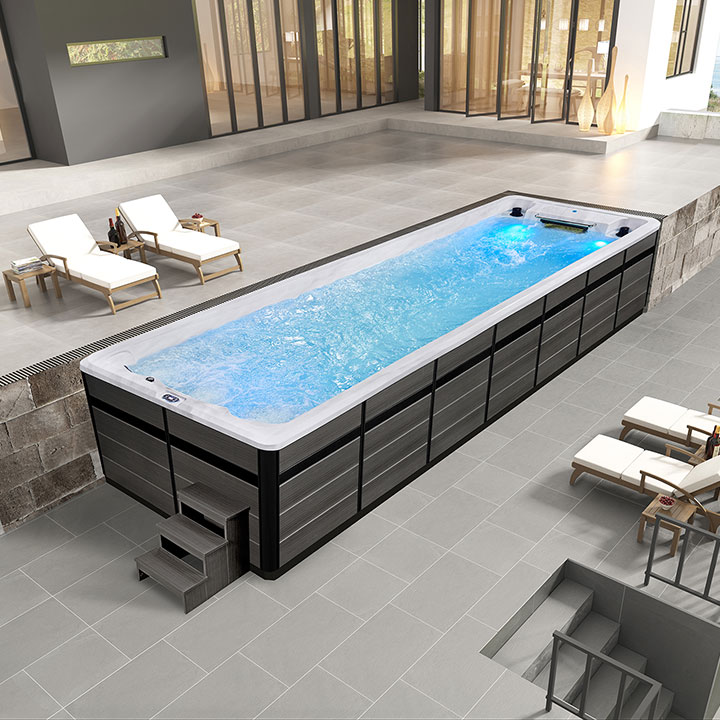
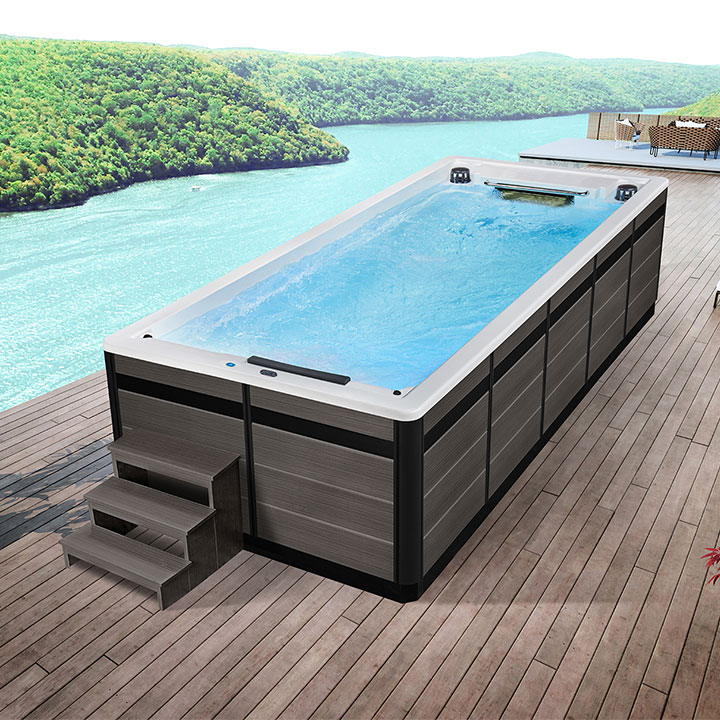
Victoria Star Swim Spa offers the perfect balance between exercise and relaxation, whether you want to swim for fitness or relax in the spacious seating.
Victoria Star Swim Spa offers the perfect balance between exercise and relaxation, whether you want to swim for fitness or relax in the spacious seating.