Finding the Best Commercial Cold Plunge: Commercial Evaluation, Sanitation Compliance, and Equipment Selection
Home / News / Finding the Best Commercial Cold Plunge: Commercial Evaluation, Sanitation Compliance, and Equipment Selection
November 06, 2026
Operating a recovery facility requires equipment that withstands demanding physical schedules while meeting rigorous health standards. Sourcing the best commercial cold plunge is rarely about consumer branding or minimal aesthetic appeal. Commercial operators must manage multi-bather schedules, thermal recovery between appointments, and distinct sanitation requirements. A residential ice tub placed in a boutique gym or day spa often struggles when subjected to repeated client sessions. Facility owners need commercial-grade cold immersion equipment that balances cooling power, bather turnover rates, and operating costs.
1. What Defines the Best Commercial Cold Plunge for Facilities?
1.1 The Operational Gap Between Residential and Commercial Ice Baths
Residential cold tubs are generally configured for one or two daily sessions by the same individual. In private home settings, biological contamination remains minimal, and the water has extended periods to return to target temperatures. When a tub serves multiple clients in a public venue, undersized chillers may struggle to maintain consistent temperatures under repeated use. Heat transfer from successive human bodies steadily adds thermal energy into the basin.
Commercial environments also introduce lotions, skin oils, and sweat at rates higher than standard residential hardware is configured to handle. Without sufficient mechanical circulation and appropriate sanitization, organic matter can accumulate inside internal lines. This accumulation may lead to cloudy water, persistent odors, and increased sanitation overhead for facility staff.
1.2 Defining Facility Fit: Bather Load, Turnaround Time, and Business Models
A boutique athletic studio offering private contrast therapy rooms encounters different logistical demands than an open-floor wellness space. Private suites schedule specific appointment slots, allowing staff several minutes between clients. That operational pause provides an opportunity for surface wipe-downs, water quality testing, and partial thermal recovery.
Open-floor recovery lounges, by contrast, frequently manage staggered walk-in traffic where several bathers enter the basin over a brief period. Facilities operating under that model require chillers with rapid heat extraction and continuous water movement. Calculating expected hourly throughput prevents purchasing undersized machinery that cannot hold low temperatures during peak booking windows.
2. Critical Buying Criteria for Commercial Cold Plunge Systems
2.1 Water Treatment, Hygiene Protocols, and Public Health Standards
Commercial immersion vessels require established water treatment protocols to manage multi-bather conditions effectively. Public health authorities emphasize that cold plunge tanks present specific microbiological considerations because small water volumes receive concentrated organic loads. Unlike large swimming pools where vast water reserves dilute organic matter, a compact plunge basin holds a limited volume.
Operators must follow applicable local regulations regarding filtration, circulation rates, and chemical disinfection. Secondary treatment systems, such as inline ozone injection or germicidal UV-C assemblies, can serve as valuable supplementary sanitation where selected or required by code. These secondary methods assist in neutralizing microorganisms, but they generally support rather than replace registered residual chemical sanitizers such as chlorine or bromine.
2.2 Chiller Sizing, Heat Pump Efficiency, and Thermal Recovery Under Load
A commercial plunge chiller must bring water down to cold therapy temperatures—frequently between 4°C and 10°C (39°F to 50°F)—and sustain that range while bathers introduce body heat. Thermodynamic principles dictate that an entering bather acts as an active heat source. The cooling system must counter that thermal input to keep the water within the intended operating band.
Heat pump configurations incorporating dedicated heat exchangers allow facilities to manage both cooling and temperature stabilization. When assessing cooling equipment, buyers should look beyond nominal motor power and evaluate certified heat extraction rates under operational bather loads. Rather than assuming any chiller setup will maintain setpoints, facility planners need documented pull-down data matching their regional summer climate.
Brushless circulation pumps move water steadily through the refrigeration loop to prevent thermal stratification within the tank. Because pump sound and vibration affect the client environment, operators should request verified decibel ratings for pumps and compressors under active load before finalizing facility placement.
2.3 Structural Integrity, Shell Ergonomics, and Accessible Ingress/Egress
Commercial plunge basins endure mechanical wear from wet bathers stepping in and out throughout the operating day. Basin surfaces must remain non-porous and withstand routine exposure to sanitizing agents. High-grade acrylic delivers a smooth finish that resists surface staining and facilitates routine wipe-downs during scheduled cleaning.
Ergonomic steps and stable interior resting benches are essential safety considerations for commercial facilities. Stepping into cold water often triggers an immediate gasp reflex and sudden vascular constriction. Providing secure footing and a defined seated position helps bathers remain stable, calm, and upright during their immersion session.
3. Operating Models: Recirculating Systems vs. Fill-and-Dump Operations
3.1 Continuous Recirculation and Filtration Models
Recirculating setups move water continuously through mechanical filters, sanitizing stages, and active chilling units. This approach keeps the water chilled and ready on demand, accommodating consistent client appointments without requiring daily refilling. It conserves utility water and minimizes wait times between sessions.
Continuous recirculation requires ongoing chemical balance management. Facility personnel must regularly monitor pH, total alkalinity, and sanitizer residuals throughout operating hours. Documented maintenance logs and regular mechanical filter maintenance are necessary to keep circulation lines clear and protect internal components.
3.2 Scheduled Fill-and-Dump Operating Models
Applicable local health codes and venue classifications establish whether continuous multi-bather circulation is approved or if specific drainage schedules apply. In some operational setups, facilities implement a scheduled protocol where water is completely drained, the basin scrubbed, and fresh water refilled on a designated routine.
While complete water changeovers eliminate concerns over prolonged water reuse, they consume substantial municipal water and demand staff labor. Bringing a full basin of ambient tap water down to therapy temperatures requires significant chiller output or adequate waiting time before the tub is ready for client use. Commercial operators should consult their local health department to verify applicable operating and water-replacement standards.
3.3 Decision Matrix: Matching Operating Model to Facility Infrastructure
Selecting the right operational workflow requires balancing regulatory standards, facility plumbing, and scheduled client volume. Facility owners can work through this structured evaluation path:
Confirm with municipal health authorities whether continuous multi-bather circulation is allowed or if scheduled drainage is mandatory.
Calculate projected daily client sessions against the verified pull-down speed of the cooling system.
Measure floor drainage capacity and supply water flow rates to confirm whether scheduled changeovers are physically practical.
Compare ongoing utility and chemical maintenance expenses against initial system acquisition costs.
4. Product Deep Dive: Victoria Star Outdoor Cold Plunge Tub C02
4.1 Documented Technical Specifications and Factory Parameters
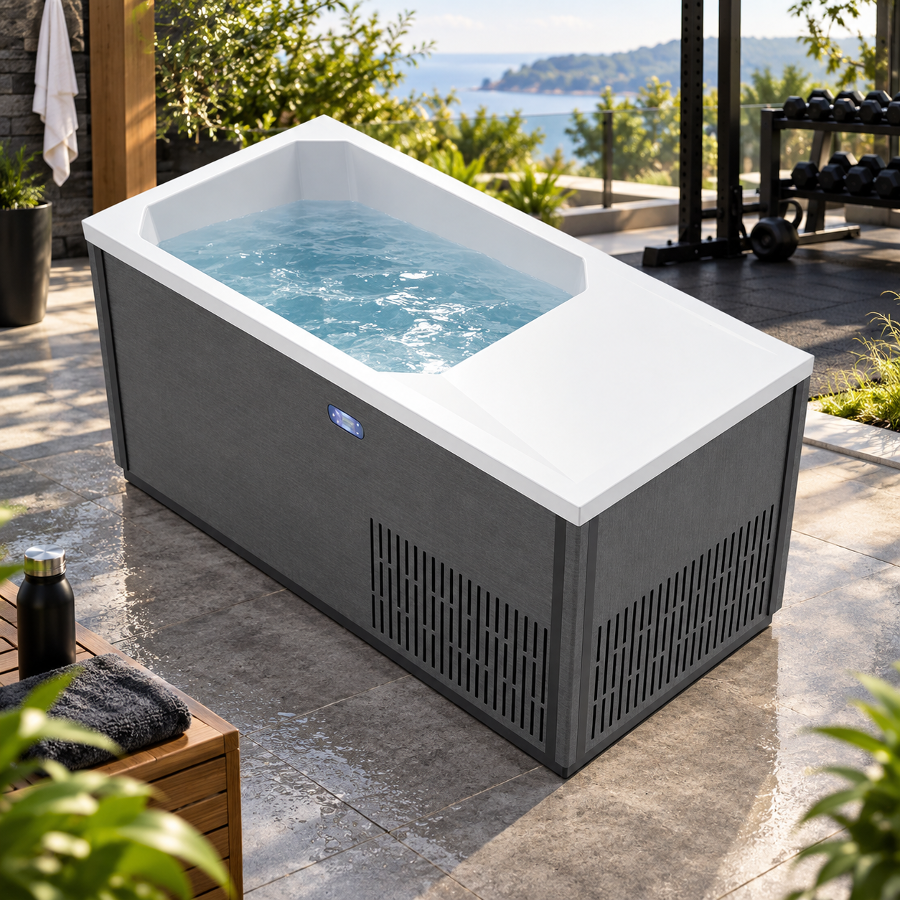
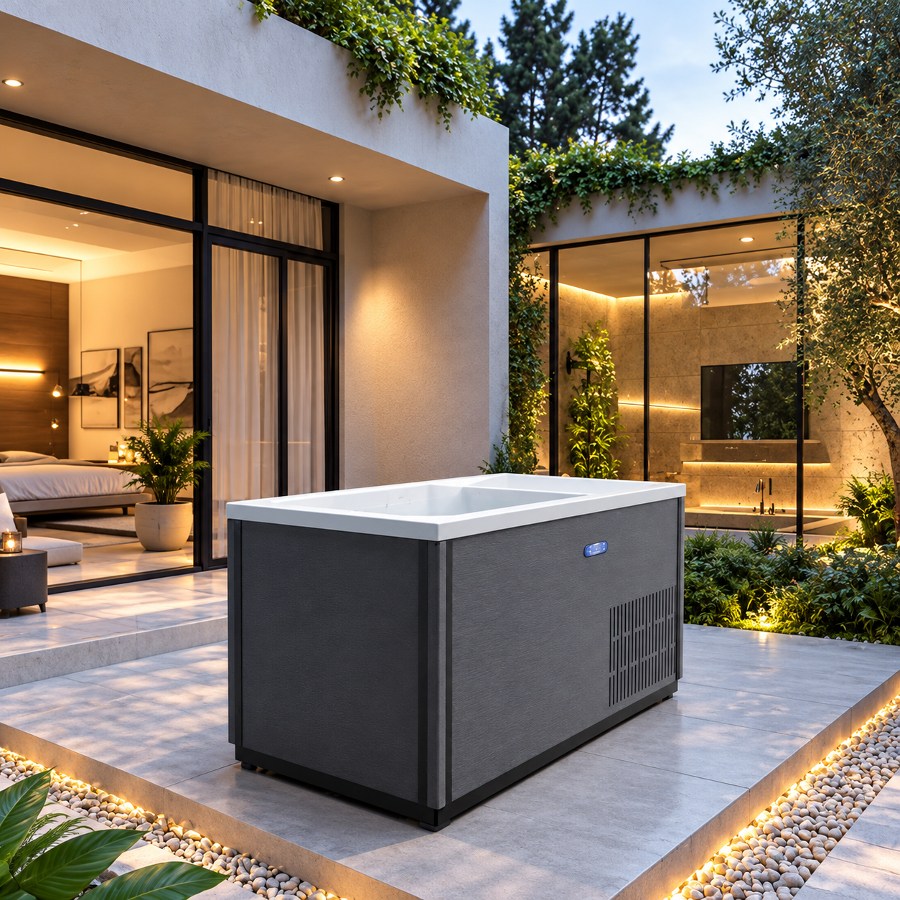
At Victoria Star, sanitary ware manufacturing combines structural production with dedicated hydrotherapy engineering. Manufactured by Foshan Gaoming Shiyi Sanitary Ware Technology Co., Ltd., the Outdoor Cold Plunge Tub C02 is engineered for private recovery suites, athletic facilities, and luxury hospitality settings. The following factory parameters detail the physical footprint and power specifications of the C02 model:
Specification Parameter
Factory Value (Metric / Imperial)
Facility Planning Note
External Dimensions
1695 mm × 830 mm × 850 mm (approx. 66.7" × 32.7" × 33.5")
Verify doorways, corridors, and turning clearances against metric submittal drawings before ordering
Water Volume Capacity
320 Liters (~84.5 US Gallons)
Controlled volume allows straightforward chemical balance and prompt draining
Net Weight (Dry)
140 KG (~308 lbs)
Base dry weight for freight receiving and positioning logistics
Gross Shipping Weight
180 KG (~396 lbs)
Packaged crate weight for freight handling and loading docks
Operating Weight (Estimated)
~540 KG (Tub + Water + 80 KG Bather)
Have a qualified professional assess structural subfloor loading and support conditions
Integrated Control System
900 W Heat Pump System
Factory-installed thermal control system regulating operating water temperatures
Circulation Pump
54 W Brushless Pump
Factory specification lists a 54 W brushless pump; request operational duty ratings and sound data for facility planning
Total Power Supply
0.954 KW
Published total electrical draw; confirm voltage and circuit supply via product documentation
Shell Construction
Acrylic (White / Porcelain)
Smooth, non-porous interior basin surface built for regular maintenance
Cabinet Color Options
Platinum, Midnight Composite Panels
Slatted composite exterior panels engineered for exterior weather resistance
Included Thermal Accessory
Insulated Cover (1 PC)
Factory-supplied insulated cover intended to cover the basin during idle facility hours
4.2 Engineering Features and Multi-Setting Application Scenarios
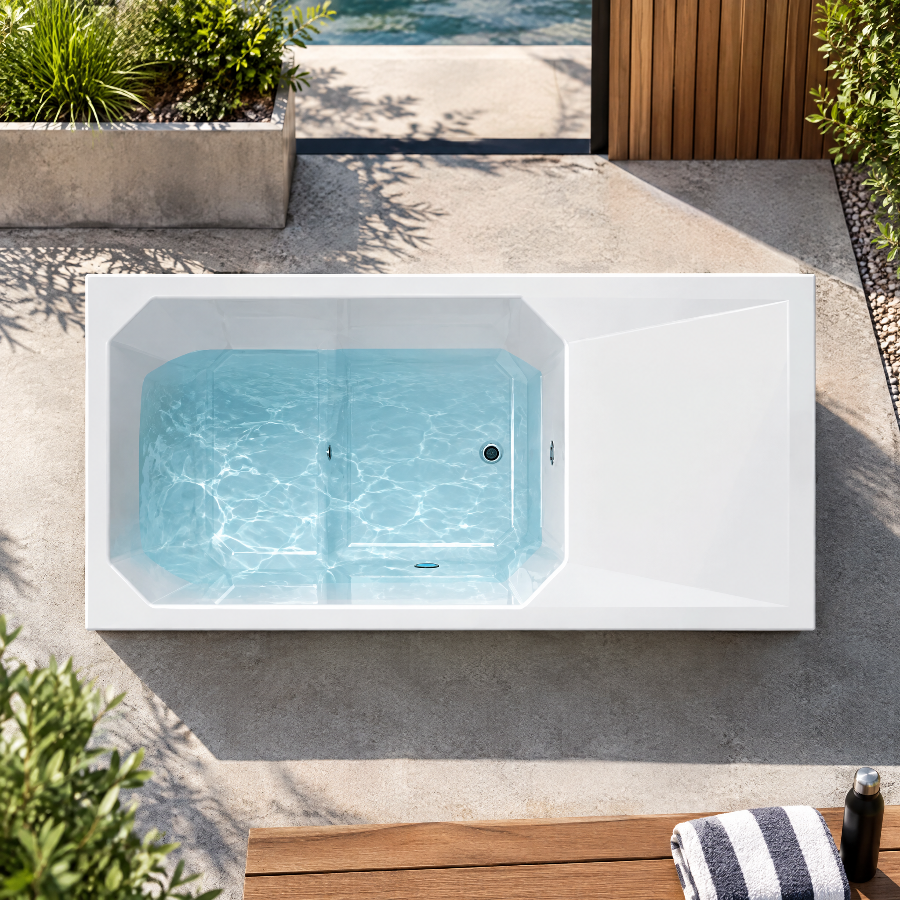
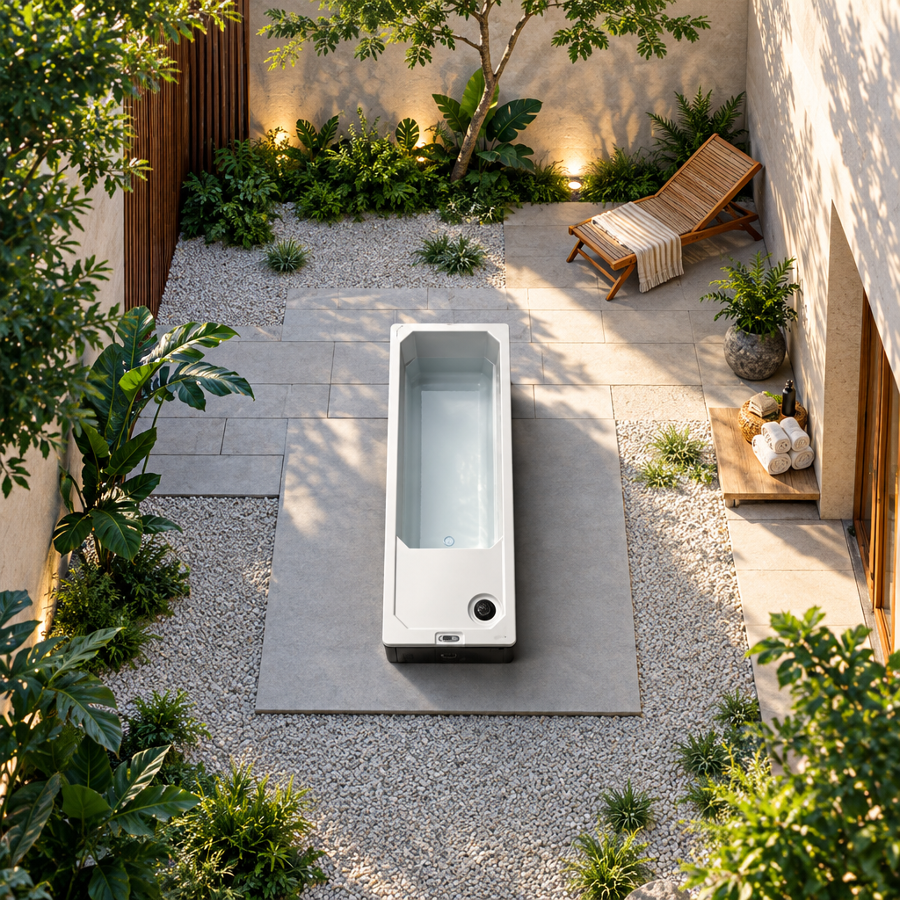
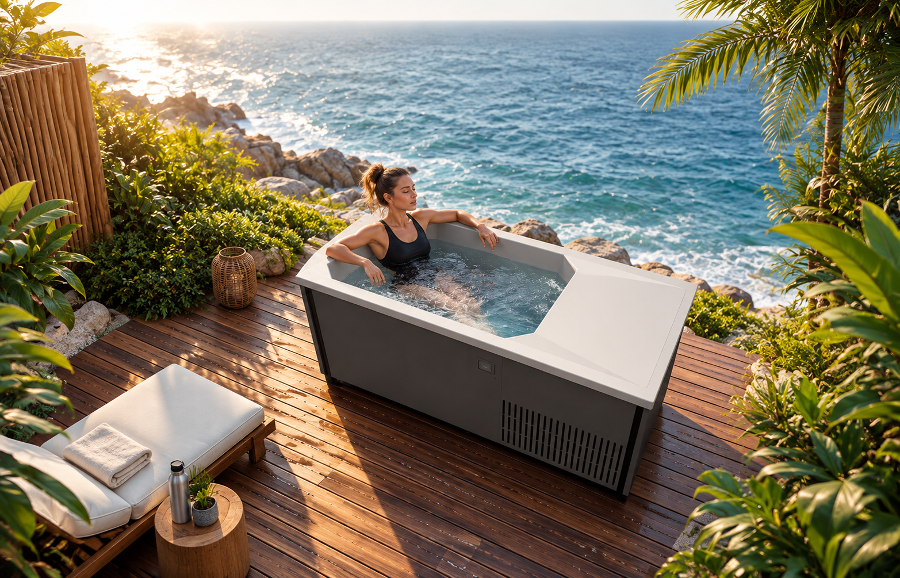
The C02 features a 320-liter basin formed from white porcelain-finish acrylic. It incorporates an integrated interior step that assists bathers when stepping into and resting within the basin. A built-in digital control interface allows staff to adjust temperature settings directly on the tub cabinet.
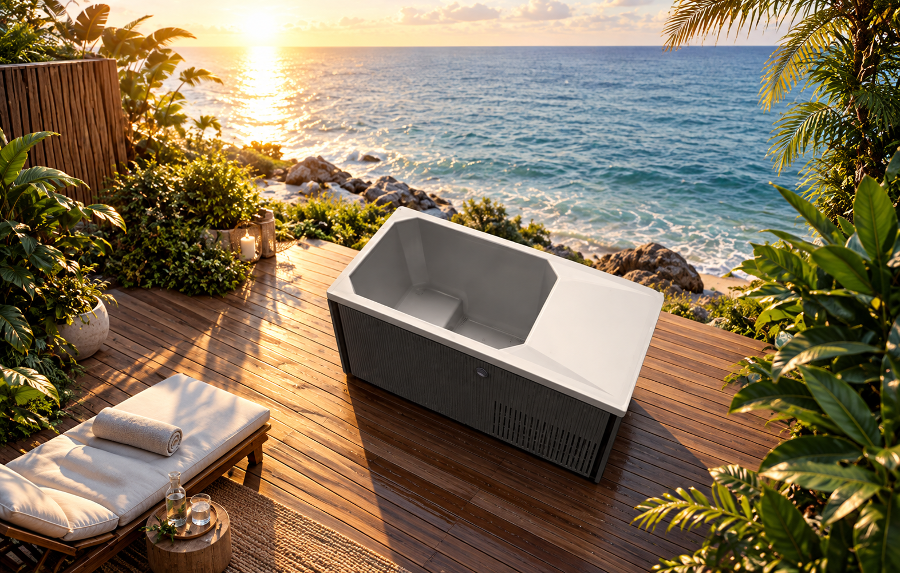
Vented exterior composite cabinet panels allow airflow across internal mechanical components. This design supports flexible installation across outdoor wellness patios, dedicated treatment suites, or private athletic rooms. The manufacturer notes common recovery uses, including post-exercise cold immersion to alleviate muscle soreness, stimulate blood circulation, and support general relaxation.
4.3 Facility Due-Diligence Checklist for the C02
When assessing the C02 for commercial environments, operators should review specific facility details:
Sanitation System Integration: Factory specifications list the 900W heat pump and 54W brushless pump. They do not document integrated UV-C, ozone, or secondary fine-micron filtration. Buyers must consult local health codes to determine whether external secondary treatment equipment is required.
Cooling Capacity and Recovery: The integrated heat pump provides regulated temperature control. Commercial facilities with frequent, back-to-back sessions should request documented recovery performance data from the manufacturer under their specific operating ambient conditions.
Ventilation Clearance: Slatted composite panels provide mechanical airflow. Operators should consult the manufacturer installation manual to maintain necessary perimeter clearances, preventing heat buildup within the equipment compartment.
5. Site Preparation, Facility Integration, and Operational Safety
5.1 Structural Load, Flooring, and Environmental Site Planning
Water mass creates significant structural weight that requires careful architectural assessment. A 320-liter plunge tub holds approximately 320 kg of water. Combined with the 140 kg dry shell weight and an estimated 80 kg occupant, the total static load reaches approximately 540 kg over an approximate 1.4-square-meter area.
Facilities must ensure supporting subfloors accommodate this concentrated weight, especially when installing on elevated interior levels or exterior wood decking. Surrounding floor surfaces should feature slip-resistant finishes suitable for wet commercial areas, and local building and accessibility standards must be verified during planning.
5.2 Electrical Service and Plumbing Installation Prerequisites
Electrical safety requires strict attention whenever powered equipment operates adjacent to wet hydrotherapy zones. The C02 lists a total power demand of 0.954 kW. However, the exact operating voltage, phase, circuit sizing, and ground-fault protection (such as GFCI or RCD breakers) must be determined from official product electrical documentation and verified by a licensed electrician.
Gravity-fed floor drains should be situated near the plunge basin to handle overflow, splash-out, and scheduled servicing. Installing dedicated supply shut-off valves and clear drainage connections simplifies operational maintenance and routine plumbing inspections.
5.3 Client Safety Protocols, Immersion Briefings, and Staff Supervision
Cold water immersion produces substantial physiological responses that warrant structured staff oversight. Facilities should maintain client intake procedures to identify individuals with cardiovascular concerns, circulatory issues, or related medical conditions. Commercial cold plunge tubs serve recovery and wellness purposes and are not medical devices.
Staff supervision and a written safety protocol may help manage operational risks, but cannot eliminate cold-immersion hazards. Cold water immersion triggers an immediate cardiovascular response, including involuntary hyperventilation and elevated blood pressure. Staff should advise clients with underlying health conditions or cardiovascular concerns to seek appropriate medical guidance before undertaking cold therapy sessions. Providing an adjacent, warm transition area assists clients in rewarming comfortably.
6. How to Compare Commercial Cold Plunge Options (Objective Buyer’s Rubric)
Finding the best commercial cold plunge requires evaluating engineering specifications rather than relying on promotional descriptions. Prospective buyers should review equipment using these measurable criteria:
Cooling Output Relative to Volume: Compare compressor output and heat extraction rates against basin capacity to estimate pull-down speed.
Acoustic Levels During Active Chilling: Review decibel ratings during active compressor cycles to ensure operational noise remains acceptable in quiet treatment spaces.
Basin Cleanability and Drainage: Inspect internal curves, step transitions, and drain placements to confirm that staff can drain and wipe down surfaces quickly.
Component Standardization: Ensure circulation pumps, valves, and mechanical fittings utilize standard sizes that can be serviced without proprietary delays.
6.2 Common Pitfalls in Commercial Cold Plunge Sourcing
A common issue involves using lightweight consumer ice barrels in multi-user commercial spaces. These units frequently lack heavy-duty heat exchangers capable of handling chemical sanitizers, resulting in premature equipment failure. Similarly, light plastic fittings can develop leaks when exposed to continuous circulation pressures.
Another frequent problem is neglecting mechanical ventilation in enclosed therapy rooms. When heat pump exhaust vents are obstructed, expelled warm air recirculates into the intake louvers. This condition reduces cooling performance, increases power consumption, and places unnecessary thermal stress on the compressor.
7.1 What makes a cold plunge legally compliant for commercial wellness facilities?
Commercial compliance is determined by local public health authorities and applicable municipal pool and spa regulations. Depending on the jurisdiction, rules may specify required filtration turnover rates, continuous sanitizer levels, flow meters, and accessible safety cut-offs. Facility owners should confirm with local environmental health officials whether plan review or submission is required before opening to paying bathers.
7.2 Is a 320-liter capacity tub large enough for commercial athletic facilities?
A 320-liter basin provides a compact footprint that accommodates individual adult bathers in an upright seated position using the integrated step. Compact volumes require less energy to chill and can be emptied and refilled faster than large communal tanks. Prospective buyers should review detailed interior basin dimensions to confirm comfort and fit for their intended clientele.
7.3 Does the Victoria Star C02 require external commercial filtration equipment?
The C02 technical documentation specifies a 900W heat pump and a 54W brushless circulation pump for chilling and water movement. For public commercial installations with multi-bather throughput, facility operators should review municipal health requirements. Many facilities install an auxiliary external filtration loop with inline cartridge filters and secondary sanitizers to satisfy local public commercial codes.
7.4 What electrical infrastructure is required for commercial cold plunge chillers?
The C02 documentation indicates a total power draw of 0.954 kW. However, the required voltage, phase configuration, circuit breaker amperage, and mandated ground-fault protection (such as GFCI or RCD devices) must be confirmed via the manufacturer’s technical wiring schematic and local electrical codes with the assistance of a licensed electrician.
7.5 How should commercial operators handle water turnover between back-to-back users?
Operational protocols depend on whether the facility uses continuous mechanical filtration with residual sanitizers or a scheduled drain-and-refill procedure. In recirculating systems, turnover and temperature recovery rates depend on the installed treatment setup, ambient room temperature, and bather load. Operators should establish scheduling intervals based on measured chiller recovery times and local health department guidelines.
8. Strategic Investment in Commercial Cold Immersion
Adding cold immersion equipment enhances a facility’s wellness services and creates valuable recovery programming. Operating a professional recovery space requires finding equipment that balances thermal capacity, hygiene management, and user safety. Selecting the best commercial cold plunge involves assessing verified mechanical capacity, interior ergonomics, and proper site integration. By matching equipment specifications to daily client volume and sanitation codes, business owners can operate a dependable cold therapy service that delivers consistent value.
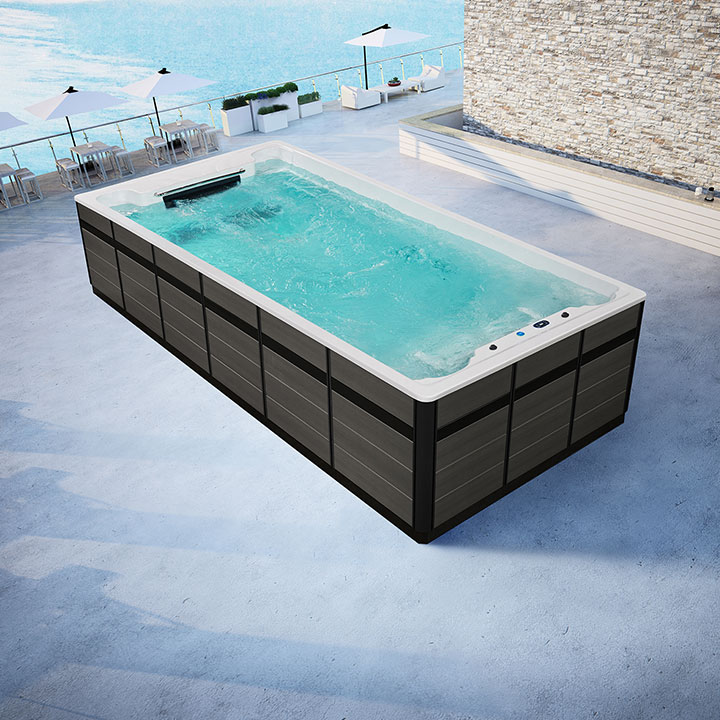
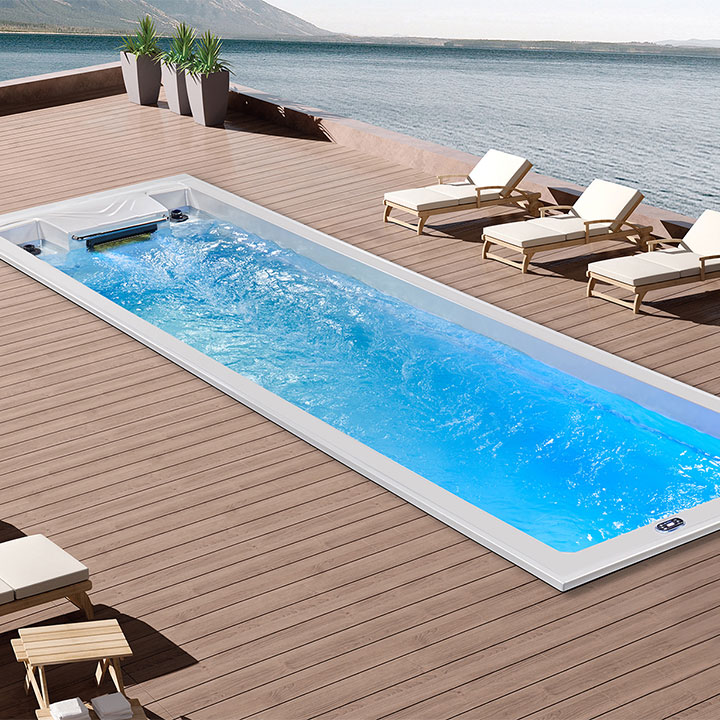
Victoria Star Swim Spa offers the perfect balance between exercise and relaxation, whether you want to swim for fitness or relax in the spacious seating.
Victoria Star Swim Spa offers the perfect balance between exercise and relaxation, whether you want to swim for fitness or relax in the spacious seating.