DIY Cold Plunge Plumbing: What to Know Before You Build
Home / News / DIY Cold Plunge Plumbing: What to Know Before You Build
September 30, 2026
Cold plunge tubs are having a moment, and a lot of people searching for diy cold plunge plumbing are trying to figure out whether a backyard build can actually replace a manufactured unit. The honest answer is: it depends on what you’re plumbing for. A static, fill-and-drain tub needs almost none of the complexity that a filtered, chilled system requires, and understanding that difference will save you money, time, and a garage full of returned fittings.
This guide walks through the real plumbing decisions involved in a cold plunge setup, where DIY makes sense, and where a pre-engineered system like the Outdoor Cold Plunge Tub C02 starts to look like the more practical choice.
Why Plumbing Complexity Depends on Your Setup Type
Not every cold plunge needs pipes at all. A simple barrel or stock tank filled with a garden hose and ice can work for occasional use, and it requires zero plumbing beyond a drain valve. The moment you want consistent temperature, filtration, or daily use without scrubbing the tub, plumbing becomes unavoidable.
There are three broad tiers of complexity:
Fill-and-drain only: a bulkhead fitting and a hose bib. No pump, no filter, no circulation.
Circulation with filtration: a pump, a filter housing, and PVC or flexible tubing routed in a loop.
Circulation with active chilling: the above, plus a chiller or heat pump plumbed into the loop with dedicated inlet and outlet lines.
Most people underestimate how much the third tier changes the project. A chiller adds electrical load, condensate drainage, and often a second pump just to keep water moving efficiently through the heat exchanger.
Core Components Every DIY System Needs
Before cutting any PVC, it helps to lay out what a functioning circulation loop actually requires. Skipping one of these pieces is the most common reason DIY builds fail within the first few months.
Bulkhead fittings at the tub wall, sized to match your pump’s suction and return ports.
A pump rated for continuous duty, since cold plunge pumps often run for hours at a time.
A filter housing, typically cartridge-style, to keep skin oils and debris out of the loop.
PVC or reinforced PVC tubing, sized to avoid excessive head loss over the run length.
Shutoff valves on both suction and return lines, so the filter can be serviced without draining the tub.
A drain assembly, ideally at the lowest point of the shell, for full water changes.
None of this is exotic. It’s the same basic logic used in small pond or spa plumbing. The difference with cold plunge is water temperature: cold water is more viscous than warm water, which means pumps have to work slightly harder to move the same volume.
Where DIY Plumbing Runs Into Trouble
The failure points in homemade cold plunge plumbing are predictable, and almost all of them trace back to underestimating one of three things: leaks, insulation, or chilling capacity.
Bulkhead fittings are the number one leak source. If the shell isn’t rigid enough around the fitting, or the gasket compresses unevenly, water finds its way out slowly, often behind a cabinet panel where it isn’t noticed for weeks. This is one reason manufactured shells use reinforced mounting points around plumbing penetrations rather than a flat wall.
Insulation is the second issue. A plumbed loop that isn’t insulated will bleed heat into the water even in a chiller-equipped system, forcing the equipment to run longer and harder than it should. Foam pipe insulation on exposed runs is inexpensive and worth doing from day one, not as an afterthought.
The third, and most expensive, mistake is undersizing the chilling system. A garage-built plunge without a properly matched heat pump or chiller will struggle to hold temperature once ambient air climbs above 80°F. This is precisely the gap that purpose-built systems are designed to close.
What a Pre-Engineered System Solves Automatically
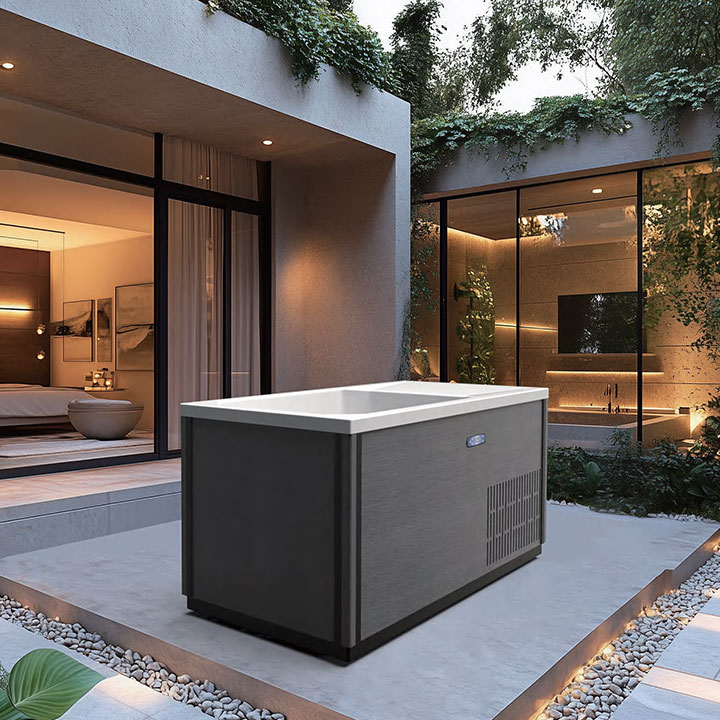
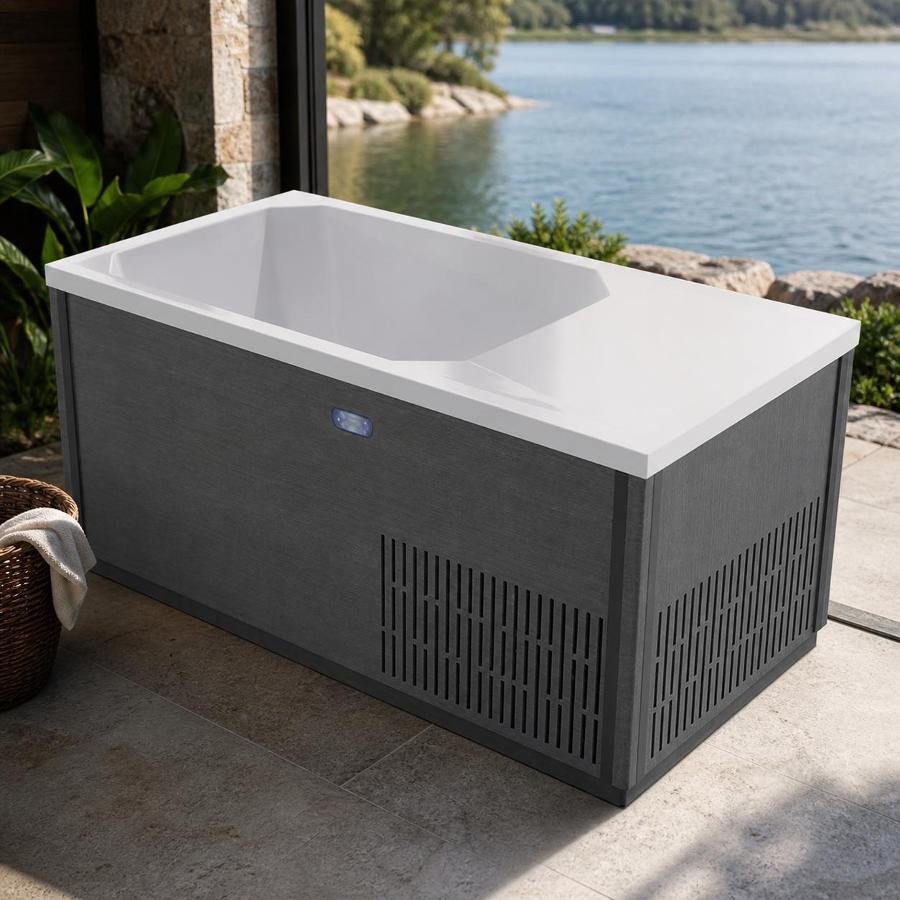
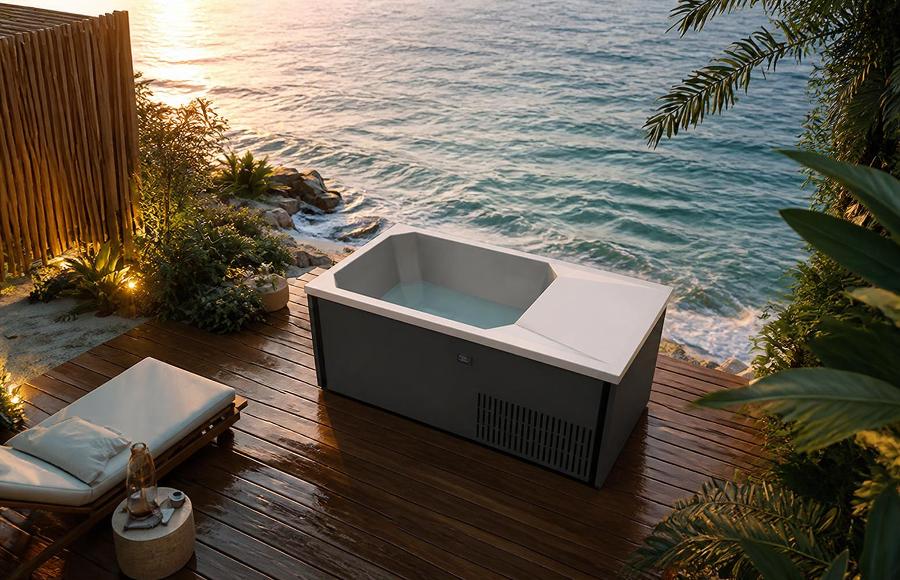
This is where a unit like the Outdoor Cold Plunge Tub C02 changes the calculation. Instead of sourcing a pump, chiller, and filter separately and hoping they’re compatible, the C02 arrives with an integrated 900W heat pump system and a 54W brushless pump already matched to a 320-liter shell.
That matters because pump-and-heater sizing is the single hardest calculation for a DIY builder to get right. Undersize the heat pump and the tub never reaches target temperature on hot days. Oversize it and you’re paying for capacity you don’t use. The C02’s control system is pre-balanced for its own volume, which removes that guesswork entirely.
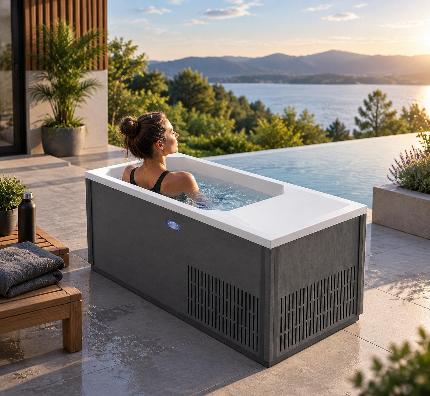
The tub also addresses the leak and insulation issues structurally. Its porcelain acrylic shell is a single rigid unit, and the exterior cabinet uses vented composite panels rather than an open frame, which keeps plumbing runs protected from weather while still allowing airflow around the heat pump components.
Comparing DIY Plumbing vs an Integrated System
Factor
DIY Plumbed Tub
Outdoor Cold Plunge Tub C02
Pump sizing
Manual calculation, trial and error
Pre-matched 54W brushless pump
Temperature control
Requires separate chiller sourcing
Integrated 900W heat pump system
Leak risk at fittings
Higher, depends on shell rigidity
Reinforced acrylic shell construction
Water capacity
Variable, DIY shell dependent
320 L engineered volume
Setup time
Days to weeks
Delivered assembled
Control interface
None unless separately installed
Digital control panel included
The table above isn’t meant to say DIY is a bad idea. For hobbyists who enjoy the build process, plumbing your own system is a satisfying weekend project. But if the goal is reliable daily cold therapy without ongoing maintenance headaches, the tradeoffs shift toward a system where the plumbing has already been engineered around a known volume and known equipment load.
Matching the Right Approach to Your Actual Goal
Choosing between a DIY build and a manufactured tub comes down to what you’re actually trying to achieve.
If you want occasional cold exposure and don’t mind manual water changes, a simple stock tank with a drain valve is sufficient, and plumbing stays minimal.
If you want filtered water you don’t have to dump every few days, you’re committing to a pump-and-filter loop, which means budgeting for continuous-duty equipment.
If you want consistent cold temperature regardless of season, you need active chilling, and this is where matched systems like the C02’s integrated heat pump save the most engineering effort.
If the tub will see daily use for post-workout recovery, reliability matters more than novelty, and a tested shell-and-plumbing combination reduces the risk of downtime.
According to the product’s stated design, the cold immersion cycle is intended to support blood circulation and help reduce post-exercise muscle soreness, which is consistent with how cold water immersion is generally used in recovery routines. The tub’s ergonomic interior step is also built into the shell itself, something that’s difficult to replicate cleanly in a DIY basin without compromising structural rigidity.
Where These Tubs Fit in Practice
The C02, at 1695 mm by 830 mm by 850 mm and weighing 140 KG empty, is sized for a single outdoor installation point rather than frequent relocation. That makes it suited to a few specific settings:
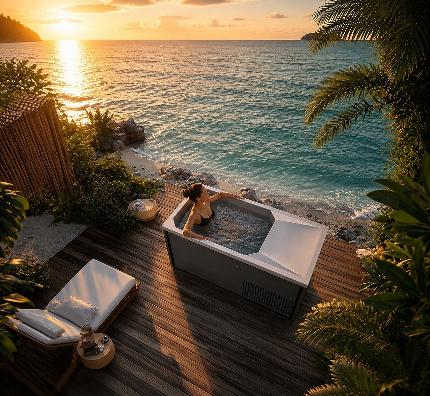
Home backyard patios and private wellness courtyards, where a fixed plumbing connection is only run once.
Athletic training facilities where multiple users need a consistent, ready-to-use cold immersion station.
Boutique spas and wellness centers where daily uptime matters more than build cost.
In each of these cases, the plumbing question shifts from "how do I build this" to "how do I connect this to power and a water source," which is a much simpler installation problem.
Frequently Asked Questions
Do I need a dedicated chiller for a DIY cold plunge, or will ice work? Ice can maintain temperature for occasional short sessions, but it isn’t practical for daily use. A dedicated heat pump or chiller, like the 900W system integrated into the C02, is necessary for consistent year-round temperature without constant ice runs.
Can I use standard pool pump fittings for cold plunge plumbing? Standard PVC pool fittings generally work fine, since cold water plumbing doesn’t require different materials from pool circulation systems. The main consideration is sizing the pump to your loop length and filter resistance, not the fitting type itself.
How often does the water need to be drained in a filtered system? With proper filtration and a cover to limit contamination, filtered systems can go weeks between full drains, compared to a few days for a fill-and-drain setup with no filtration at all.
Is a 320-liter tub big enough for full-body immersion? Yes, a 320 L capacity, as used in the C02, is generally sufficient for a seated full-body plunge for one adult, particularly with an integrated entry step that reduces the water displacement needed for comfortable seating.
Whether you go the DIY plumbing route or choose an integrated tub, the underlying goal is the same: reliable access to cold water immersion without constant maintenance friction. DIY cold plunge plumbing rewards patience and mechanical comfort, but it also carries real risk of leaks, undersized equipment, and inconsistent temperatures if the loop isn’t planned carefully. For those who’d rather skip the trial and error, a pre-engineered option built around a matched pump, heat pump, and shell removes most of that risk from day one.
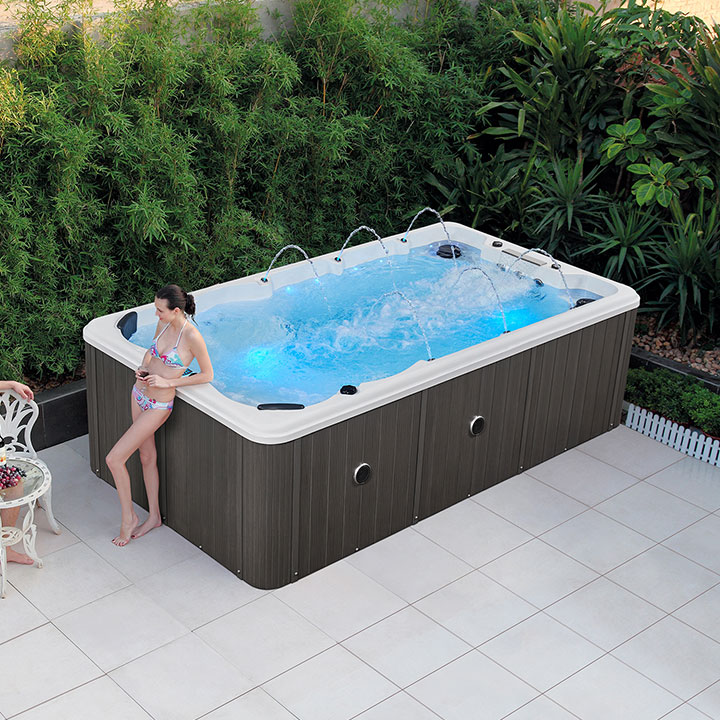
Victoria Star Swim Spa offers the perfect balance between exercise and relaxation, whether you want to swim for fitness or relax in the spacious seating.
Victoria Star Swim Spa offers the perfect balance between exercise and relaxation, whether you want to swim for fitness or relax in the spacious seating.