Designing a Cold Plunge Therapy Lounge for Recovery and Daily Wellness
Home / News / Designing a Cold Plunge Therapy Lounge for Recovery and Daily Wellness
September 28, 2026
A cold plunge therapy lounge is no longer a niche setup reserved for elite athletes. It has become a practical wellness space that homeowners, trainers, and spa operators build to support muscle recovery, mental clarity, and cardiovascular health. The idea is simple: create a dedicated area where cold water immersion happens on a routine basis, without the friction of filling tubs with ice or hauling equipment outdoors. This article breaks down what makes a cold plunge therapy lounge functional, what technical features actually matter, and how to choose a setup that fits your space and goals.
What Problem Does a Cold Plunge Therapy Lounge Solve
Athletes and fitness enthusiasts have long known that cold exposure reduces post-exercise soreness. The challenge has always been access. Ice baths made from stock tanks or coolers require constant restocking, offer no temperature control, and rarely fit into a backyard or gym corner without looking improvised.
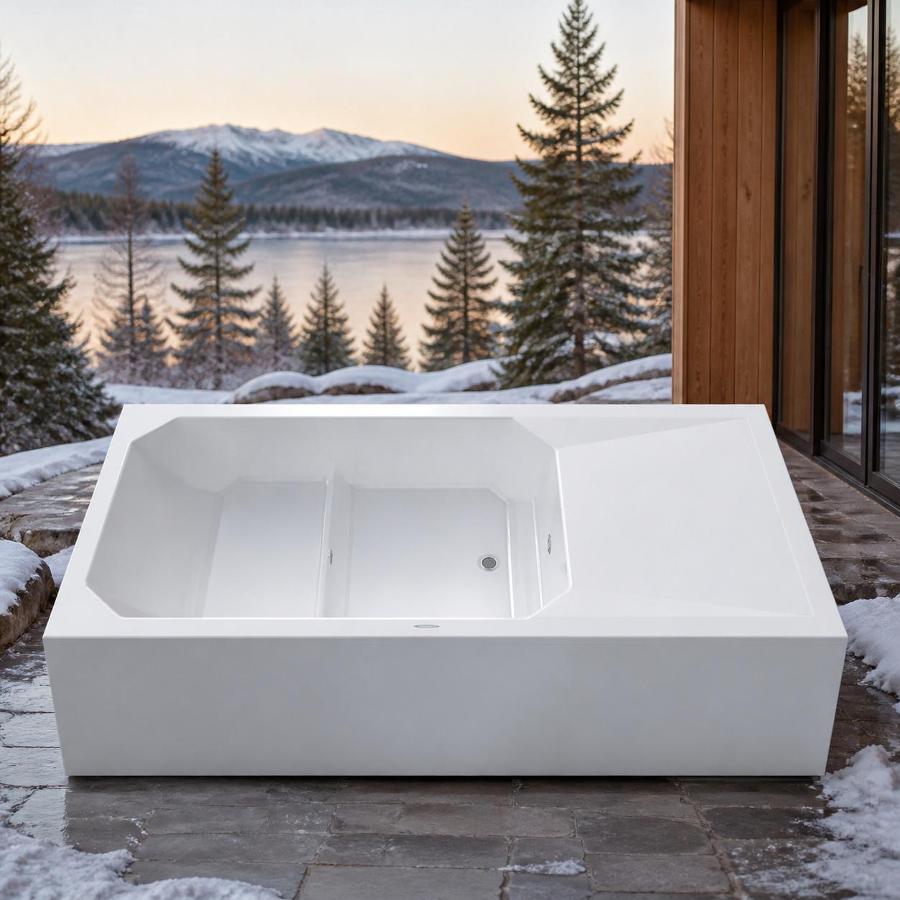
A dedicated lounge changes that equation. Instead of a one-time ice bath, you get a fixed, repeatable cold therapy station. Equipment like the Outdoor Cold Plunge Tub C02 addresses this directly, using an integrated 900W heat pump system paired with a 54W brushless pump to maintain low water temperatures without manual ice refills. That shift, from improvised to engineered, is what separates a hobby habit from a sustainable recovery practice.
Why Cold Water Immersion Works for Recovery
Cold exposure triggers a fairly well understood physiological response. When skin and tissue contact cold water, blood vessels constrict, a process called vasoconstriction. This limits blood flow to inflamed areas and helps reduce swelling after intense exercise.
Once you exit the water, vessels dilate again, pushing oxygen-rich blood back into the muscles. This constriction-dilation cycle is the mechanism behind claims that cold plunging supports circulation and speeds recovery. According to the product’s stated benefits, this cycle also helps alleviate post-exercise muscle soreness by limiting the inflammatory response before it escalates.
There’s a mental health angle too. Cold exposure is associated with a release of endorphins, the body’s natural mood-lifting compounds. Many users describe a noticeable calm after a plunge session, distinct from the discomfort of the first thirty seconds in the water. It’s a strange trade: brief shock for sustained clarity.
Core Equipment That Defines a Functional Lounge
Not every cold tub is built the same way, and the differences matter once you’re using it several times a week. A therapy lounge setup typically revolves around three components: the shell, the temperature control system, and the surrounding cabinet structure.
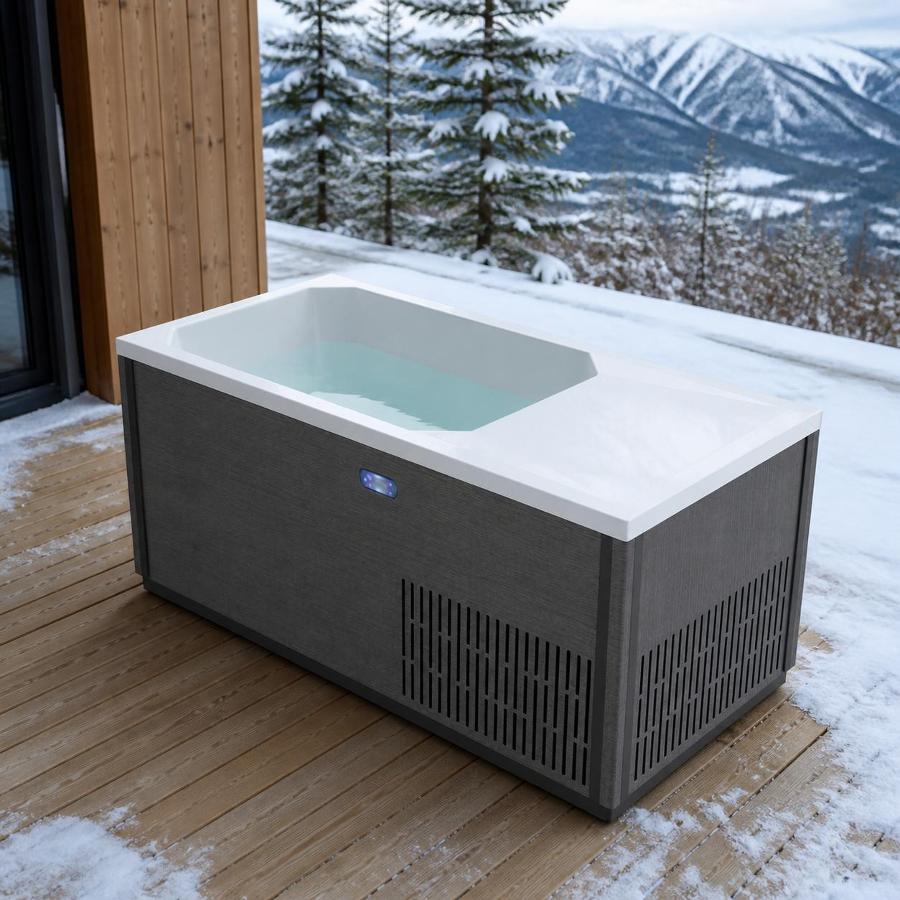
The shell material affects both comfort and longevity. Porcelain acrylic, for example, offers a smooth, non-porous surface that resists staining and is easier to clean than fiberglass alternatives. The Outdoor Cold Plunge Tub C02 uses this finish for its interior basin, paired with a white or porcelain-colored acrylic shell rated for outdoor exposure.
Temperature regulation is the real differentiator between a bucket of ice and a proper therapy tub. A dedicated heat pump system, like the 900W unit built into the C02, maintains consistent low temperatures across sessions. That means you’re not guessing at water temperature or waiting hours for enough ice to melt into a workable chill.
Sizing and Capacity Considerations
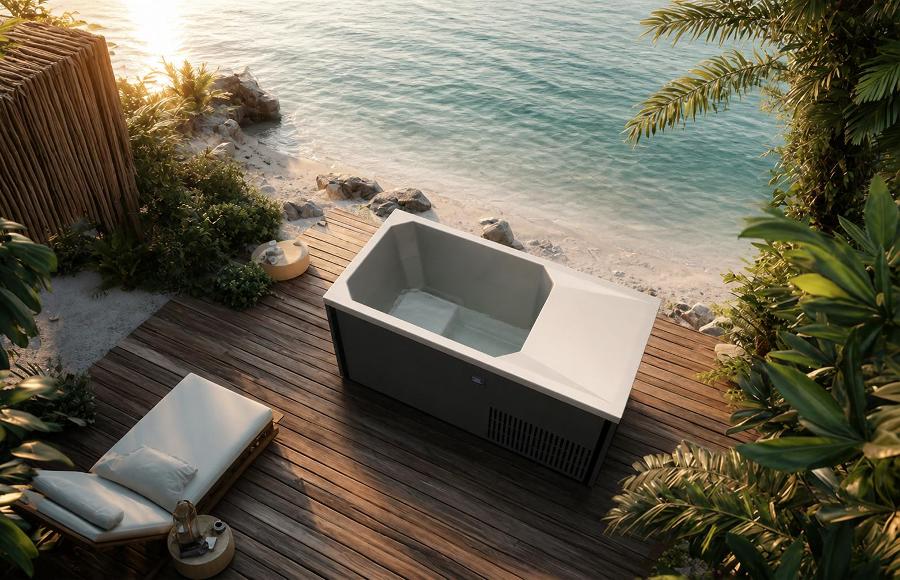
Capacity affects both comfort and running cost. A tub that’s too small limits movement and full-body immersion, while an oversized unit takes longer to cool and consumes more energy per session. The C02 model holds 320 liters, with exterior dimensions of 1695 mm by 830 mm by 850 mm, translating to roughly 67 by 33 by 34 inches.
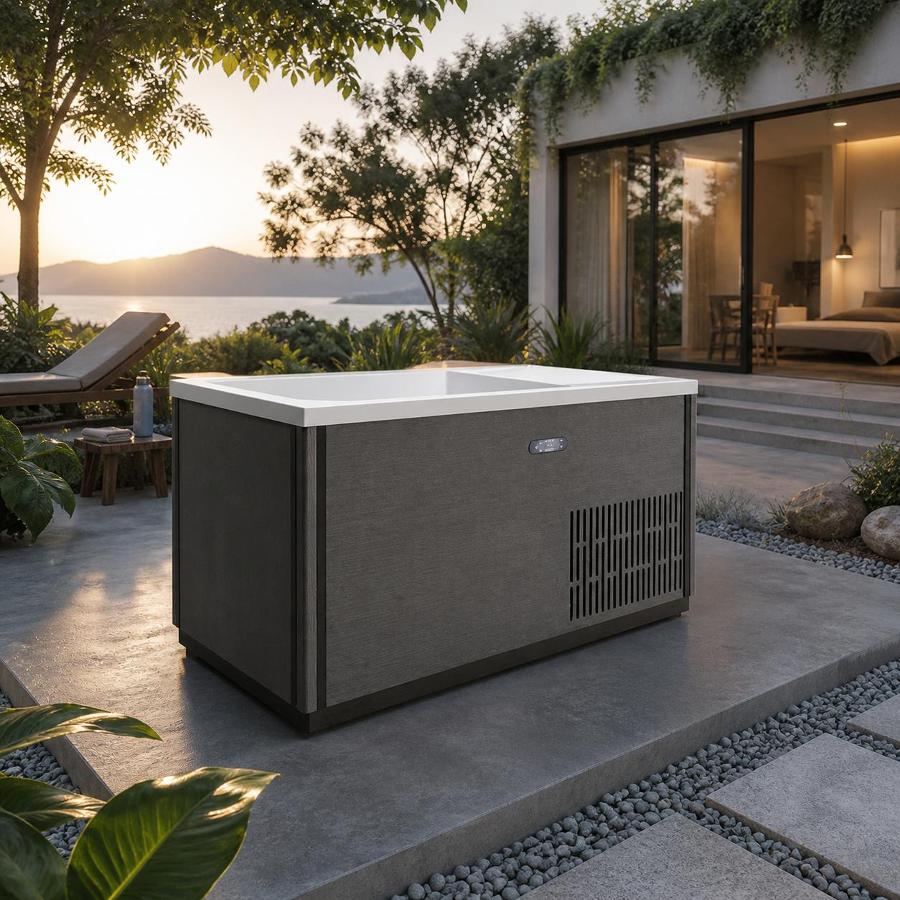
That footprint is worth comparing against your available space before installation. A dedicated corner of a patio, a covered deck section, or a private courtyard all work, provided there’s clearance for the cabinet’s ventilation slats and access to a nearby power connection for the pump system.
Specification
Detail
Water Capacity
320 L
Dimensions (L x W x H)
1695 x 830 x 850 mm
Net Weight
140 KG
Gross Weight
180 KG
Heater Output
900 W
Pump Output
54 W (brushless)
Power Draw
0.954 KW
Shell Finish
Acrylic, White / Porcelain
Placement and Design Choices for Outdoor Settings
Where you place a plunge tub shapes how often you’ll actually use it. Convenience matters more than most people expect; a tub tucked far from the house tends to get used less than one positioned near a shower or changing area.
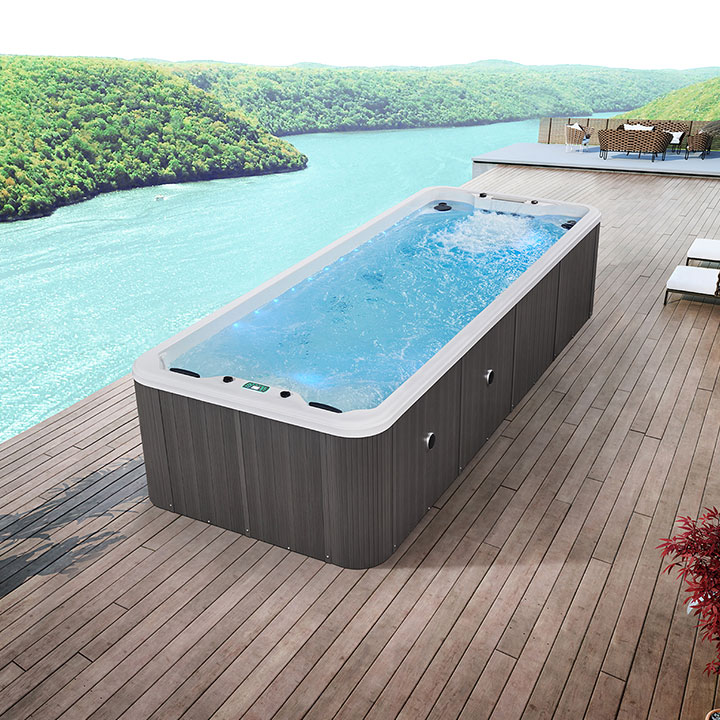
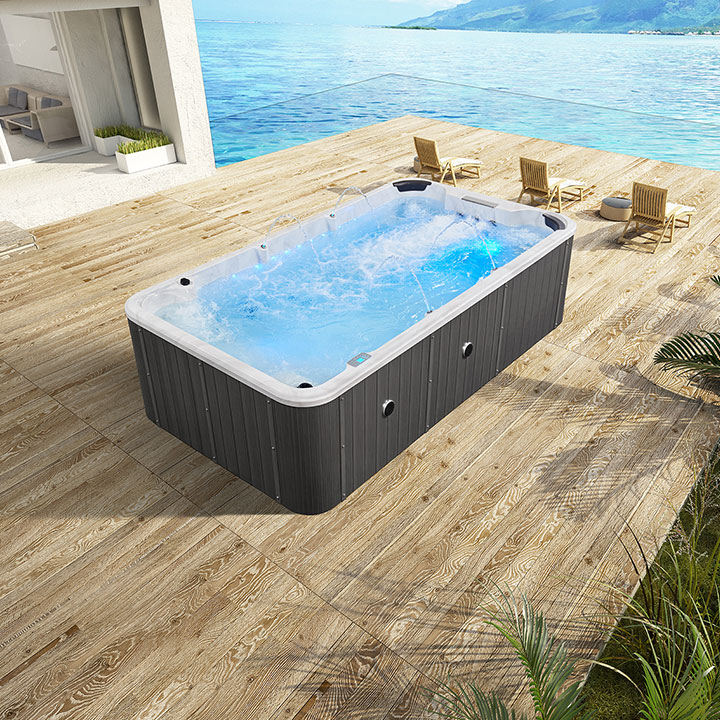
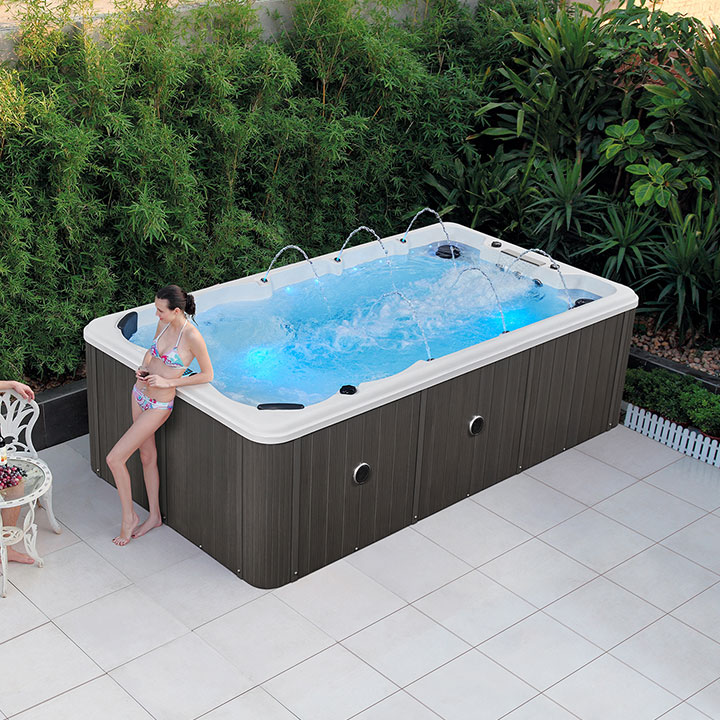
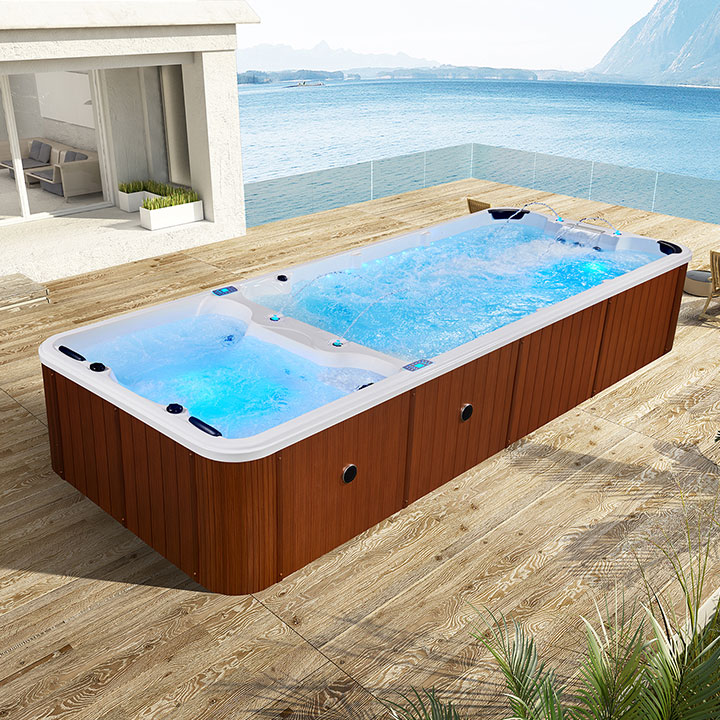
Exterior finish also plays a role in how the unit blends into a backyard or resort setting. Cabinet options like Platinum and Midnight, finished with a brushed wood-grain composite texture, are designed to sit comfortably against concrete patios, timber decking, or gravel-lined terraces without looking like mechanical equipment.
For commercial settings such as boutique spas or athletic recovery centers, this same design flexibility allows the tub to fit into a wellness-focused aesthetic rather than resembling gym equipment. Consider these placement factors before finalizing a layout:
Proximity to changing areas or showers, since quick access improves consistent use
Drainage and water disposal, since the tub will require periodic draining and refilling
Weather exposure, since cabinet materials should tolerate rain, humidity, and temperature swings
Power access, since the heat pump and pump system need a stable electrical connection
Comparing Application Scenarios
Not every buyer has the same use case, and the right setup depends heavily on how often the tub will be used and by how many people. Home users generally prioritize compact footprint and quiet operation, while commercial operators weigh throughput and cleaning cycles more heavily.
Private backyard or courtyard use: prioritizes aesthetics, low noise, and ease of access from indoor living spaces.
Athletic training facilities: prioritizes recovery speed between sessions and durability under frequent use.
Commercial spas and wellness centers: prioritizes hygiene, consistent temperature control, and a design that fits a broader treatment space.
Resort and hospitality settings: prioritizes visual integration with outdoor scenery and guest-facing presentation.
A cold plunge therapy lounge built for a busy training facility will likely see more daily cycles than one installed in a private courtyard, so drainage frequency and pump durability become more relevant considerations for commercial buyers.
Common Questions About Cold Plunge Setups
Does a cold plunge tub need a separate chiller unit? Not necessarily. Some setups rely on ice alone, but tubs with an integrated heat pump system, like the 900W unit in the C02, handle temperature regulation internally without needing a standalone chiller.
How long does a typical cold plunge session last? Session length varies by individual tolerance and goals. Many users start with shorter immersions and gradually extend duration as they acclimate, though specific timing should align with personal comfort and any relevant health guidance.
Can an outdoor cold plunge tub be used year-round? This depends on climate and the tub’s cabinet construction. Weather-resistant exterior panels and a functioning heat pump system support outdoor use across varying conditions, though extreme climates may require additional insulation or covered placement.
What’s the difference between a cold plunge lounge and a standard ice bath? An ice bath is typically a temporary, manually filled setup, while a therapy lounge refers to a fixed installation with integrated temperature control, seating, and a dedicated space designed for repeated use.
Choosing the Right Setup for Your Space
Selecting equipment for a cold plunge therapy lounge comes down to matching capacity, power requirements, and finish options to your actual usage pattern. A single-user backyard setup has very different demands than a facility serving multiple athletes daily.
Start by estimating how often the tub will be used and by how many people, since that determines whether a 320L capacity is sufficient or whether a larger commercial unit makes more sense. From there, factor in available outdoor space, power supply capacity, and the finish that suits your surroundings, whether that’s a coastal resort deck or a quiet residential courtyard.
For us at Victoria Star, the goal has been building outdoor wellness equipment that fits naturally into everyday routines rather than sitting unused after the first few tries. A well-placed, properly powered cold plunge therapy lounge, whether it’s a compact backyard installation or a larger commercial recovery station, works best when the equipment itself removes friction from the habit rather than adding to it.
Victoria Star Swim Spa offers the perfect balance between exercise and relaxation, whether you want to swim for fitness or relax in the spacious seating.
Victoria Star Swim Spa offers the perfect balance between exercise and relaxation, whether you want to swim for fitness or relax in the spacious seating.