Convert Hot Tub to Cold Plunge: What Actually Changes
Home / News / Convert Hot Tub to Cold Plunge: What Actually Changes
September 30, 2026
Homeowners who want to convert hot tub to cold plunge setups usually start with a simple question: can the same shell just run cold instead of hot? The honest answer is more complicated, and it matters for anyone weighing a renovation against buying a purpose-built unit.
A hot tub is engineered around heat retention, jet propulsion, and warm water chemistry. Cold plunge use asks the opposite of that system. Understanding where the two diverge helps you decide whether conversion is worth the effort or whether a dedicated cold tub solves the problem faster.
Why Hot Tubs Resist Cold Conversion
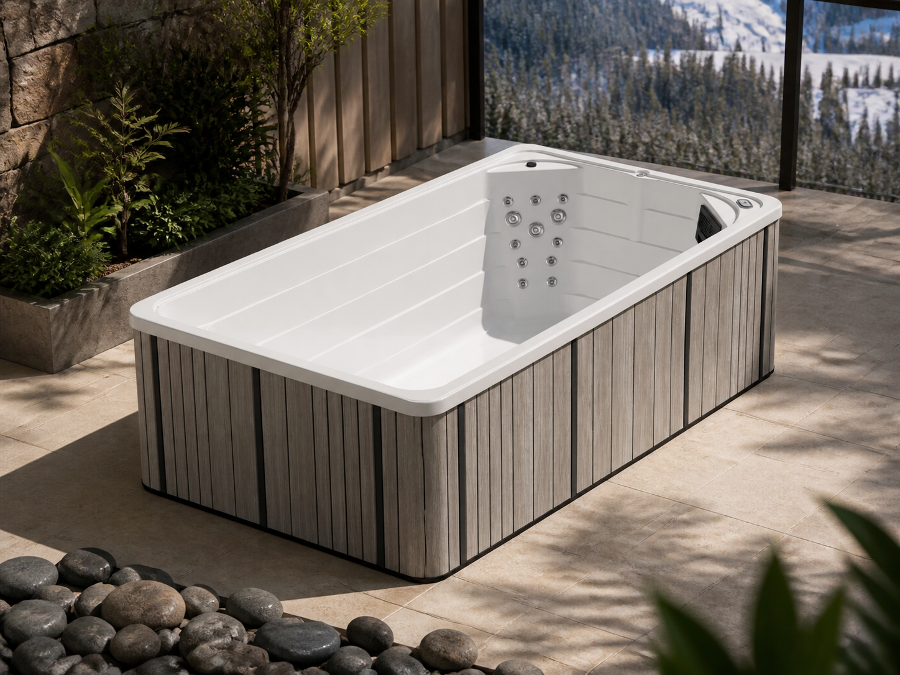
Hot tub shells are usually acrylic or fiberglass, insulated to hold heat rather than shed it. That insulation works against you once the goal flips to sustained cold water. The foam backing and thick shell walls slow down cooling, so a standard tub can take hours to reach a workable plunge temperature, especially in warm climates.
Jet pumps present another obstacle. Most hot tub pumps are built to circulate heated water at moderate flow, not to support the rapid, consistent chill a cold plunge protocol needs. Retrofitting a chiller into a jet system designed for warmth often means rewiring plumbing lines that were never meant to carry near-freezing water.
There is also a practical filtration issue. Cold water holds bacteria differently than warm water, and sanitizer behaves at a different rate. A hot tub’s filtration cycle, tuned for 100°F conditions, will not automatically manage water quality at 50°F without adjustment.
The Real Choice: Retrofit or Replace
For some owners, a DIY retrofit still makes sense, particularly if the existing tub is structurally sound and the household is comfortable with plumbing work. But the calculation changes once you account for chiller cost, insulation removal, and the risk of voiding a manufacturer warranty on equipment never rated for cold operation.
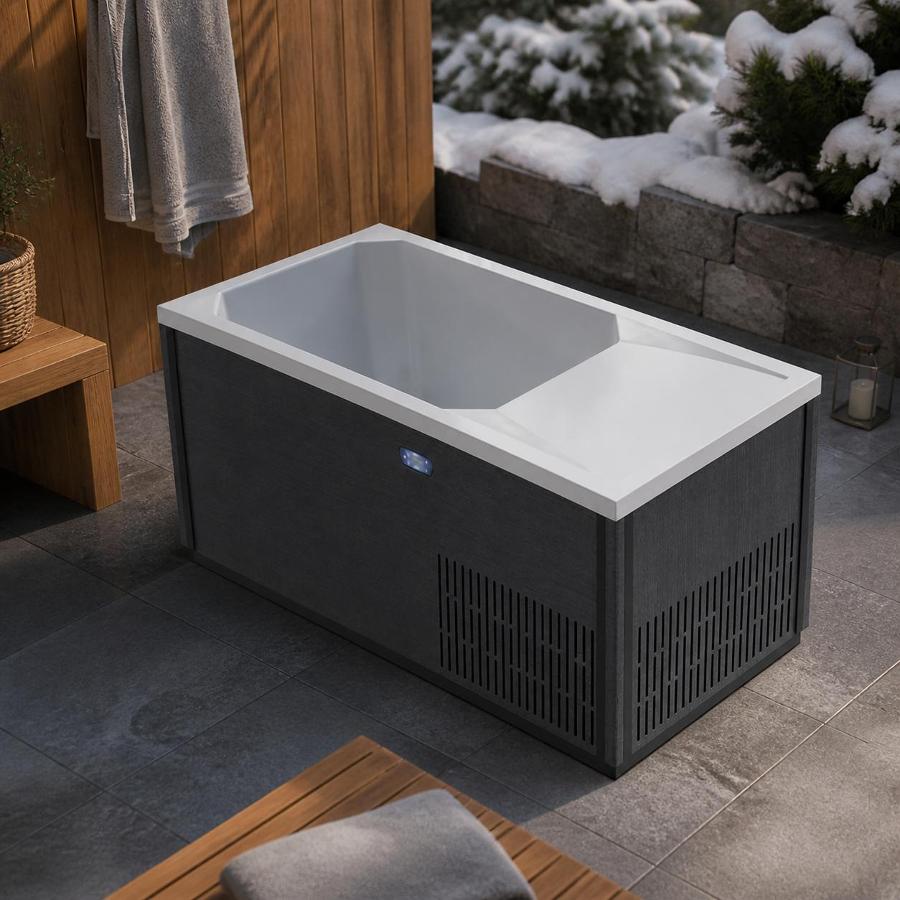
A dedicated cold plunge tub sidesteps that entire problem. Instead of forcing warm-water hardware into a cold-water job, the tub is built from the ground up for low-temperature immersion. The Outdoor Cold Plunge Tub C02 is one example of this approach, built around a 900W heat pump control system and a 54W brushless pump sized specifically for cold water regulation rather than adapted from a spa configuration.
That distinction matters more than it sounds. A system designed for cold operation manages temperature swings more predictably, which reduces the guesswork that comes with a converted unit.
What a Purpose-Built Cold Plunge Solves
Cold water immersion has a fairly well-documented physiological pattern: blood vessels constrict on contact with cold, then dilate again once the body warms. According to the product’s own specifications, this cycle is the mechanism the C02 is designed to support, encouraging circulation and helping deliver oxygen to tissue that’s been stressed by exercise.
That same vasoconstriction response is why athletes and casual gym-goers reach for cold plunges after intense training. The cold reduces local inflammation and, per the manufacturer’s description, helps ease the muscle soreness that shows up a day or two after a hard session.
There’s a mental health angle worth separating from the physical one. Cold exposure is associated with a rush of endorphins, and many users report the immersion itself, uncomfortable as it is in the first thirty seconds, leaves them calmer afterward. This isn’t unique to any one product, but it’s a large part of why cold plunge routines have moved from elite sports facilities into ordinary backyards.
Sizing and Specs: What to Compare Before Buying
If you’re deciding between converting a hot tub and buying new, put the numbers side by side. Below is what the C02 offers as a reference point for a purpose-built unit.
Specification
Outdoor Cold Plunge Tub C02
Water Capacity
320 L
Dimensions (Metric)
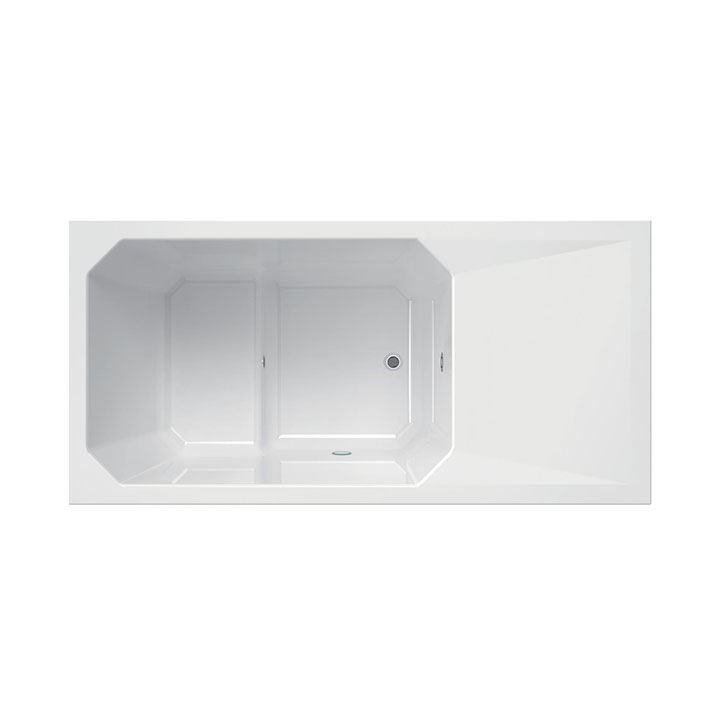
1695 mm × 830 mm × 850 mm
Heater/Heat Pump Output
900 W
Pump
54 W brushless
Power Supply
0.954 KW
Shell Material
Porcelain acrylic
Cabinet Colors
Platinum, Midnight
Net Weight
140 KG
Insulated Cover
1 included
A converted hot tub rarely matches this on paper, mainly because the pump and control system were never rated for the load a cold-water heat pump places on them. Comparing wattage and capacity side by side makes the mismatch obvious pretty quickly.
Interior Design Details That Matter for Daily Use
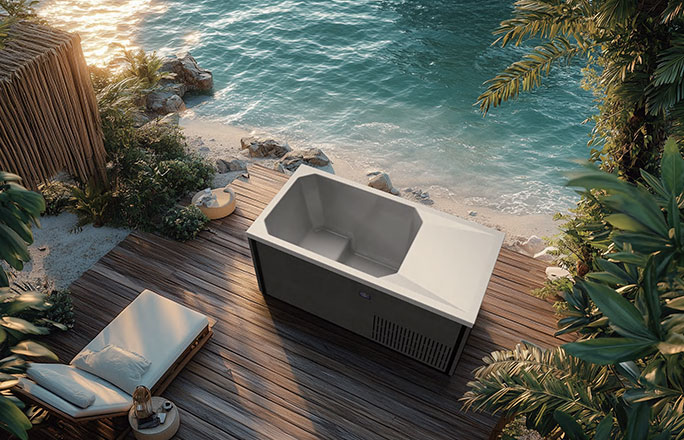
Beyond the mechanical side, day-to-day comfort depends on the shell itself. The C02 uses a high-gloss porcelain acrylic interior, chosen for its smooth finish rather than the textured surfaces common in older hot tub basins. An integrated entry step also makes a difference that’s easy to underestimate until you’re stepping into cold water at 6 a.m. half-awake.
The exterior cabinet uses vented composite panels, available in Platinum or Midnight, which allow airflow around the heat pump housing without exposing internal components to weather. That ventilation detail is one reason purpose-built cold tubs handle outdoor placement better than a converted spa cabinet, which was sealed for heat retention rather than airflow.
Where These Tubs Actually Get Installed
Application matters as much as specification. According to the manufacturer, this class of tub is used across a fairly wide range of settings:
Home backyard patios, decks, and private wellness courtyards
Professional sports training facilities and athlete recovery centers
Commercial wellness centers and boutique day spas
Luxury resort villas and coastal hospitality relaxation zones
That range reflects a broader trend: cold plunge has moved out of clinical training rooms and into everyday recovery routines. A backyard deck installation, for instance, benefits from the same weather-resistant cabinet construction that a coastal resort would need.
Frequently Asked Questions
Can I really convert hot tub to cold plunge equipment without buying new hardware? It’s possible in theory, but you’ll likely need to replace the pump, add a chiller, and re-evaluate the insulation and filtration system. For many owners, the retrofit cost approaches or exceeds the price of a purpose-built cold tub.
How cold does a cold plunge tub typically run compared to a hot tub? Cold plunge use generally targets water well below body temperature, while hot tubs are kept near 100°F. The gap is wide enough that most spa heaters and pumps aren’t built to operate at the opposite end of that range.
Is a heat pump system necessary for a cold plunge tub? A heat pump-based control system, like the one used in the C02, helps regulate and maintain a consistent low temperature rather than relying on ambient cooling alone, which is especially useful in warmer climates.
Do cold plunge tubs need the same filtration approach as hot tubs? Filtration cycles designed for warm water don’t automatically translate to cold water use, since sanitizer activity and bacterial behavior shift with temperature. This is one of the less obvious reasons a straight conversion can fall short.
Making the Decision That Fits Your Space
If you already own a spa nearing the end of its life and enjoy hands-on projects, attempting to convert hot tub to cold plunge use might be a reasonable weekend experiment. But for anyone prioritizing consistent temperature control, appropriate insulation, and equipment actually rated for cold water, a dedicated tub removes the uncertainty.
For us at Victoria Star, that’s the reasoning behind building cold plunge units like the C02 as standalone products rather than positioning them as hot tub add-ons. The 900W heat pump, 54W brushless pump, and 320L capacity are sized for cold-water performance from the start, not adapted after the fact. Whether you’re setting up a backyard recovery routine or outfitting a training facility, that distinction is usually what separates a satisfying cold plunge experience from a frustrating one, and it’s worth weighing carefully before you decide to convert hot tub to cold plunge equipment on your own.
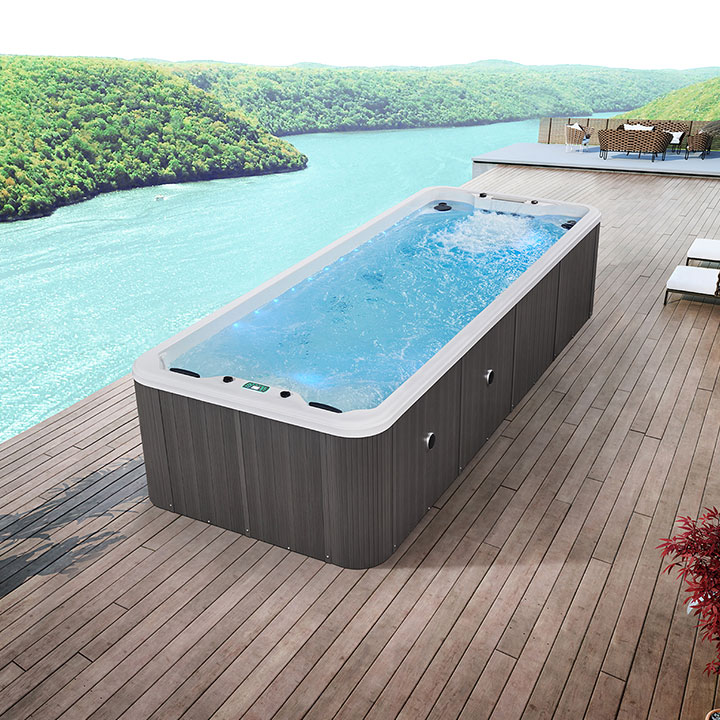
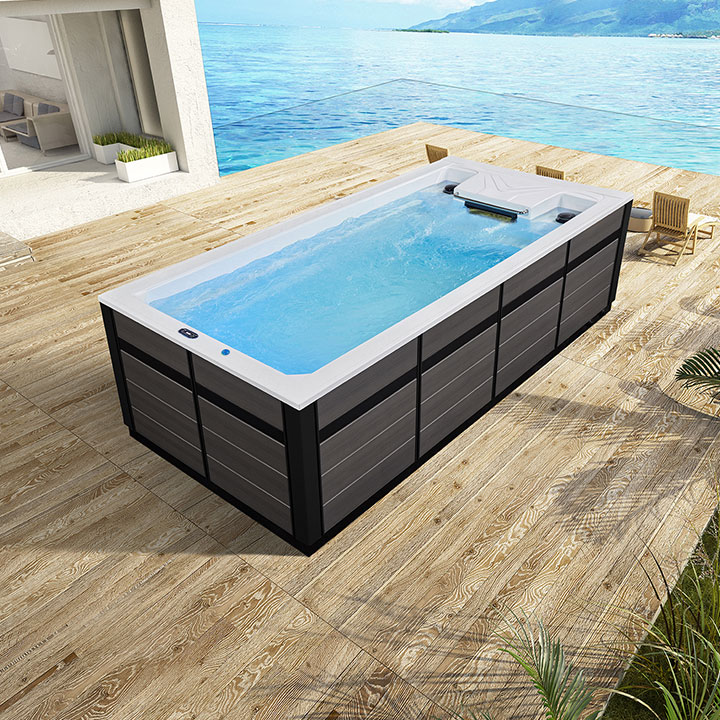
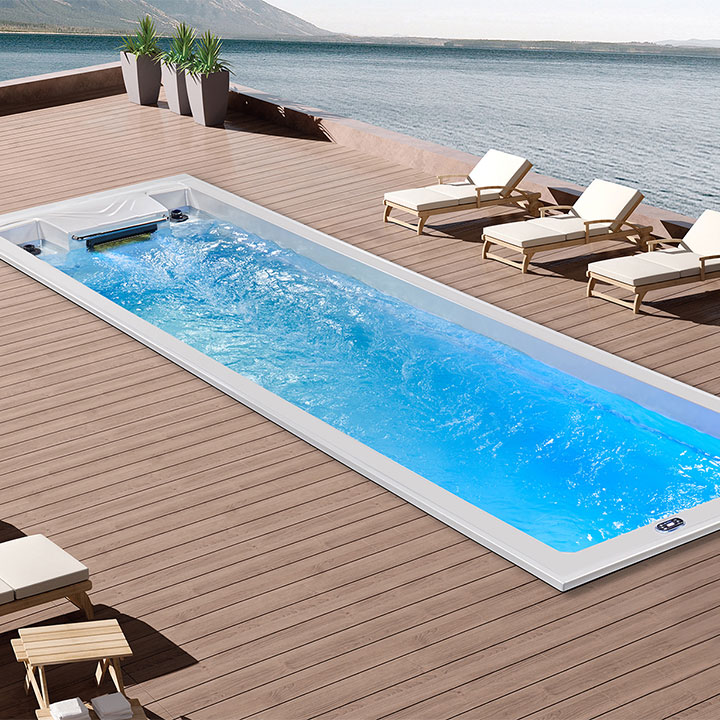
Victoria Star Swim Spa offers the perfect balance between exercise and relaxation, whether you want to swim for fitness or relax in the spacious seating.
Victoria Star Swim Spa offers the perfect balance between exercise and relaxation, whether you want to swim for fitness or relax in the spacious seating.