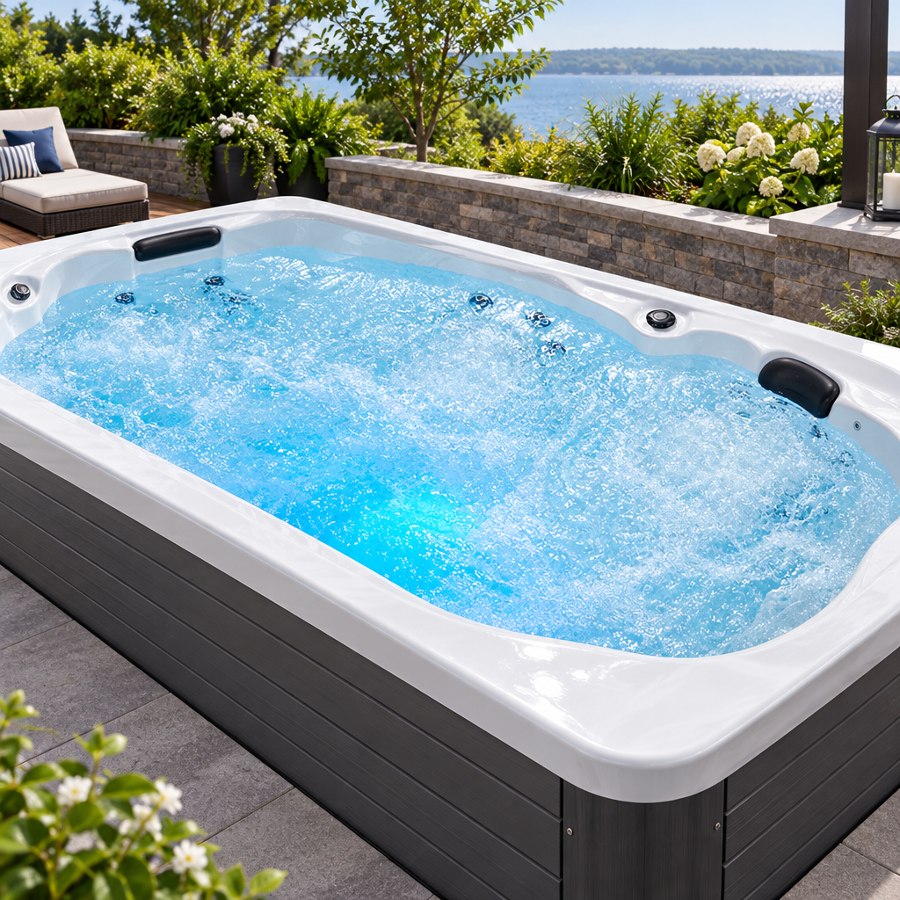
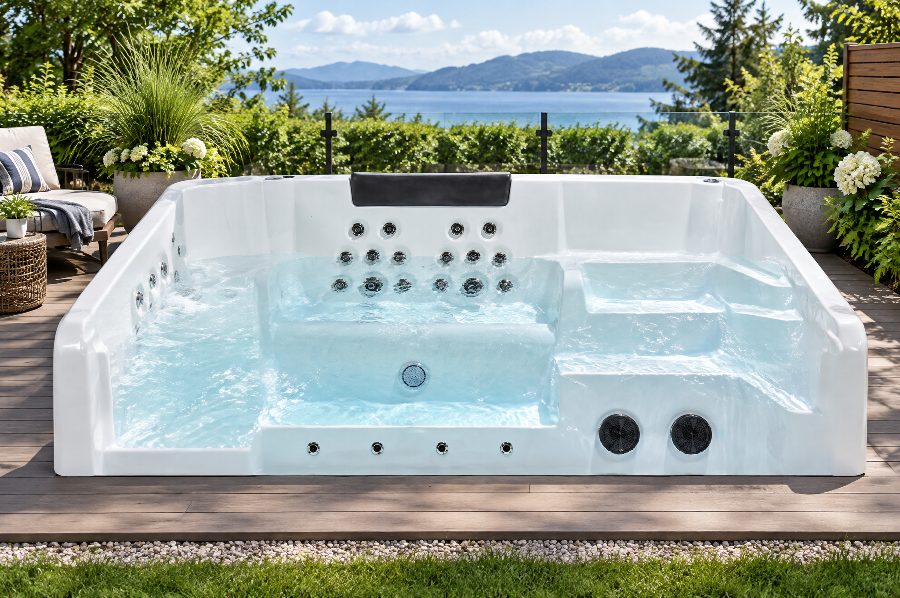
Comprehensive Guide to Selecting a 4 Person Outdoor Jacuzzi for Your Space
Home / News / Comprehensive Guide to Selecting a 4 Person Outdoor Jacuzzi for Your Space
November 07, 2026
Investing in a 4 person outdoor jacuzzi transforms an ordinary patio or backyard into a dedicated sanctuary for recuperation and social connection. Finding the right outdoor spa requires balancing comfort, mechanical performance, and spatial limitations. Many prospective buyers underestimate the logistical planning required, ending up with crowded seating layouts, inadequate wiring, or complex maintenance routines. Navigating the market demands evaluating engineering specifications, foundation requirements, and operational costs before committing your budget.
Whether you desire quiet evening hydrotherapy or active aquatic conditioning, matching your expectations to practical realities ensures lasting satisfaction. Modern four-person vessels range from compact thermal soaking tubs to advanced swim spas equipped with countercurrent fitness lanes. Understanding how shell architecture, jet distribution, and sanitation systems interact enables you to choose a unit that serves your lifestyle across every season.
Understanding the Four-Person Outdoor Spa Landscape
Decoding Common Industry Terms: Hot Tubs, Spas, and Swim Spas
Colloquial terminology often blurs the lines between hot tubs, jetted spas, and brand names. A hot tub or spa is a heated vessel designed for immersion, commonly equipped with hydrotherapy jets; construction materials and layouts vary by model. Consumers sometimes use Jacuzzi, a brand name, colloquially to describe portable jetted spas regardless of the actual manufacturer.
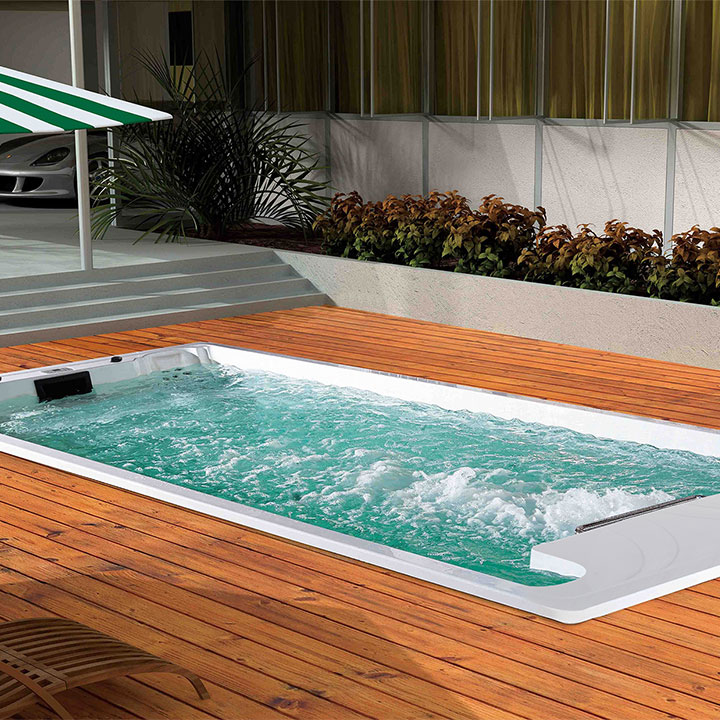
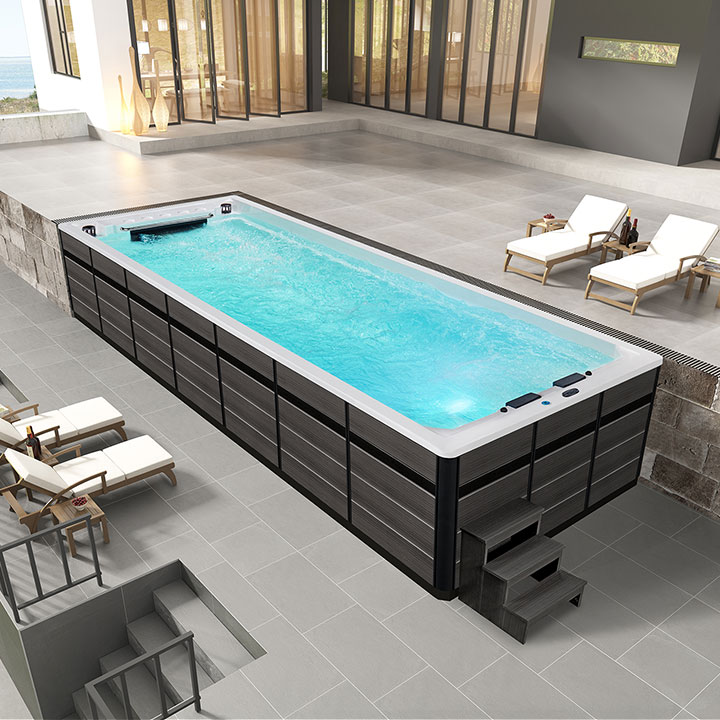
Swim spas introduce a distinct category, extending the traditional soaking basin into an elongated vessel fitted with high-velocity countercurrent pumps. These hybrid units permit low-impact lap swimming, aquatic calisthenics, and dedicated hydrotherapy massage within a single footprint. Recognizing these functional distinctions prevents costly purchase mismatches when planning your exterior layout.
What Stated Seating Capacity Actually Means in Practice
When evaluating seating capacity, verify the actual interior layout rather than relying solely on manufacturer claims. A standard compact tub might advertise four seats, yet force bathers to interlock feet in a tight central well. If multiple occupants possess broader shoulders or longer legs, nominal capacity quickly feels restrictive.
True bathing comfort depends on interior ergonomics, footwell depth, and seat contours. Sculpted bucket seats isolate individuals and prevent floating, whereas open bench seats offer flexible positioning at the expense of targeted jet patterns. Evaluating interior dimensions alongside outer measurements ensures everyone enjoys adequate personal space during group hydrotherapy sessions.
Site Evaluation: Preparing Your Backyard or Patio
Measuring True Clearance Beyond Tub Footprints
Planning an exterior installation requires accounting for far more than the physical perimeter of the shell. Mechanical components demand clear access panels for maintenance technicians, while thermal covers require adequate rear clearance when folded back on mechanical lifters. Failing to allocate perimeter space makes routine servicing unnecessarily disruptive.
Provide adequate unobstructed access around mechanical service doors for routine maintenance.
Allocate overhead clearance away from low-hanging tree branches, roof gutters, and electrical utility lines.
Leave adequate walkway width for bathers entering or exiting the spa safely on wet exterior decking.
Position the vessel to preserve natural sightlines while shielding bathers from dominant prevailing winds.
Foundation Engineering and Structural Weight Capacities
Water is heavy, weighing roughly one kilogram per liter, and an occupied spa exerts considerable downward pressure. Placing a large unit onto soft soil, unreinforced patio pavers, or standard timber decking risks severe structural settlement and cracked shells. A completely level, non-yielding base remains mandatory for maintaining frame integrity and even water distribution.
Foundation design must account for the combined weight of filled water, the vessel structure, and maximum bather load. Consult the manufacturer’s installation requirements and, when necessary, engage a local structural professional to evaluate soil conditions and determine appropriate slab thickness and reinforcement. Ground preparation must be finalized before delivery day.
Assessing Ingress Pathways and Delivery Logistics
Moving an unyielding acrylic shell into a residential garden presents significant logistical challenges. Spas rarely arrive fully disassembled; they are rigid structures moved via specialized dollies or hoisted over structures via mobile cranes. Careful pathway surveying eliminates expensive complications during delivery.
Measure the exact width and height of all garden gates, side alleys, and door openings along the path.
Note immovable obstructions such as exterior air conditioning compressors, gas meters, or roof eaves.
Identify surface transitions, stairs, and tight 90-degree turns that could trap a vertical transport dolly.
Secure crane permits if the only viable pathway requires lifting the unit over your house or garage.
Core Engineering Specifications to Evaluate
Shell Construction, Cabinet Materials, and Heat Retention
When evaluating outdoor spa durability, verify the manufacturer’s specifications regarding shell construction, cabinet materials, and insulation. Exposure to rain, snow, and intense solar radiation affects exterior components over time. Effective insulation reduces the electrical consumption needed to maintain target water temperatures in cold climates.
For the M-300, the manufacturer describes a porcelain-colored acrylic shell and exterior synthetic cabinetry available in Platinum or Midnight tones. Prospective buyers should confirm construction details, material grades, and thermal insulation specifications directly with the manufacturer before purchase.
Pump Configurations, Horsepower Ratings, and Flow Rates
Marketing materials often place an exaggerated emphasis on total jet counts while glossing over hydraulic architecture. A tub packed with dozens of massage orifices will deliver weak, disappointing hydrotherapy if driven by an undersized pump. True massage efficacy stems from a balanced ratio between total water flow volume and targeted nozzle restriction.
Equipping a vessel with multiple high-output water pumps allows zoned hydrotherapy without starving individual seats of pressure. Additionally, integrating an independent, low-wattage circulation pump ensures continuous, whisper-quiet water filtration and chemical mixing. This separation prevents premature wear on primary massage pumps while keeping operating acoustics pleasantly muted.
Electrical Supply Demands and Dedicated Hookup Requirements
Heating thousands of liters of cold water while simultaneously running multiple high-flow water pumps requires substantial electrical capacity. Verify the specific electrical requirements listed on the unit’s nameplate and in the manufacturer’s installation manual. Have a licensed electrician assess your panel capacity and install the appropriate dedicated circuit, overcurrent protection, and wiring per the applicable electrical code in your jurisdiction.
High-output units running multiple motors and heating elements may require substantial dedicated circuits. Installing proper wire gauges guarantees steady voltage, protecting sensitive electronic logic boards and pump windings from damaging brownout conditions.
Water Sanitization Systems: Filtration, Ozone, and UV Clarification
Warm water creates an ideal breeding ground for microbial contaminants, body oils, and suspended debris. A robust sanitization system relies on mechanical filtration paired with active oxidation. Traditional cartridge filters strain out particulate matter, while sand filtration handles bather debris loads. The M-300 manufacturer lists cartridge and sand filtration as part of its water-treatment system; users should confirm the cleaning, backwashing, and replacement procedures in the product manual.
Some systems integrate ozone generation and germicidal ultraviolet lighting into the plumbing loop as supplementary treatment. The manufacturer describes ozone and UV as supplementary water-treatment components. They should not be treated as substitutes for maintaining the sanitizer residual required by the applicable guidance and product instructions.
Selecting the Right Format: Traditional Hot Tub vs. Multi-Functional Swim Spa
The Case for a Dedicated Four-Person Hydrotherapy Spa
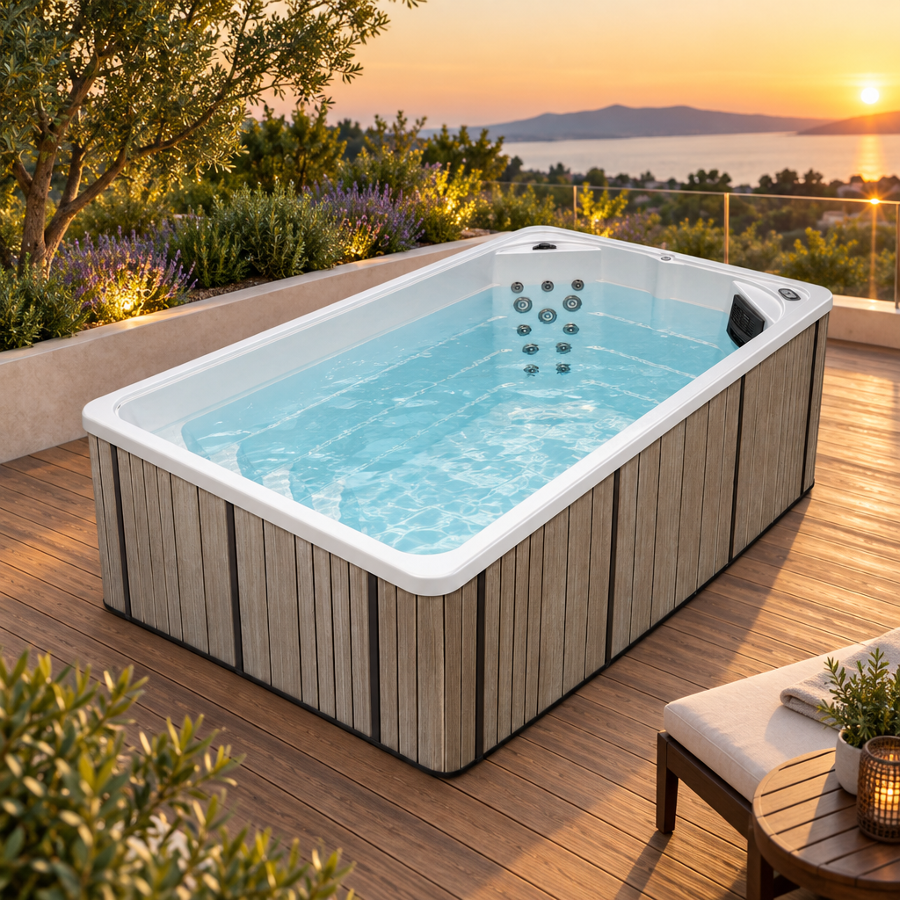
Traditional four-person hot tubs prioritize hydrotherapy, social relaxation, and compact site integration. With footprints typically measuring around two meters square, they tuck conveniently onto modest patios and smaller garden terraces. A smaller water volume may reduce heating and drainage demands, but actual performance and installation cost depend on the heater, insulation, site, and local requirements.
These dedicated spas suit buyers who view their spa strictly as a restful retreat for family conversations, evening unwind sessions, or targeted joint relief. When backyard dimensions prohibit sprawling additions, a conventional four-seater provides an intimate, deeply therapeutic environment without demanding complex excavation or specialized crane logistics.
The Hybrid Alternative: Compact Swim Spas with Four Dedicated Seats
Homeowners wanting both fitness functionality and social hydrotherapy increasingly turn toward compact swim spas. These hybrid units merge countercurrent swim training with ergonomic bucket seats. Bathers can complete vigorous cardiovascular workouts or physical therapy routines against adjustable river currents, then transition seamlessly into jetted lounge seating for recovery.
While demanding a larger ground footprint and greater water volume, a multi-functional four-seat swim spa consolidates backyard recreation. When properly installed, insulated, and maintained according to manufacturer guidelines, certain swim spa models may extend usable seasons beyond traditional outdoor pools. For wellness-oriented households, the expanded utility often justifies the larger operational footprint.
Operational Factor
Traditional 4-Person Hot Tub
Compact 4-Seat Swim Spa
Primary Function
Hydrotherapy & Passive Soaking
Aquatic Fitness & Group Massage
Foundation Needs
Consult manufacturer and structural engineer
Consult manufacturer and structural engineer
M-300 Example Water Capacity
—
3,680 Liters
M-300 Example Power Supply
—
14.05 kW
Product Spotlight: Analyzing the Victoria Star M-300 Four-Seat Swim Spa
Factory Dimensional Specifications and Bathing Capacity
For buyers seeking an all-in-one aquatic fitness and hydrotherapy installation, the M-300 model illustrates how modern engineering merges swimming capability with four-person ergonomics. Manufactured by Foshan Gaoming Shiyi Sanitary Ware Technology Co., Ltd. under the Victoria Star brand, the M-300 fits within residential environments where full-length lap pools prove physically impossible.
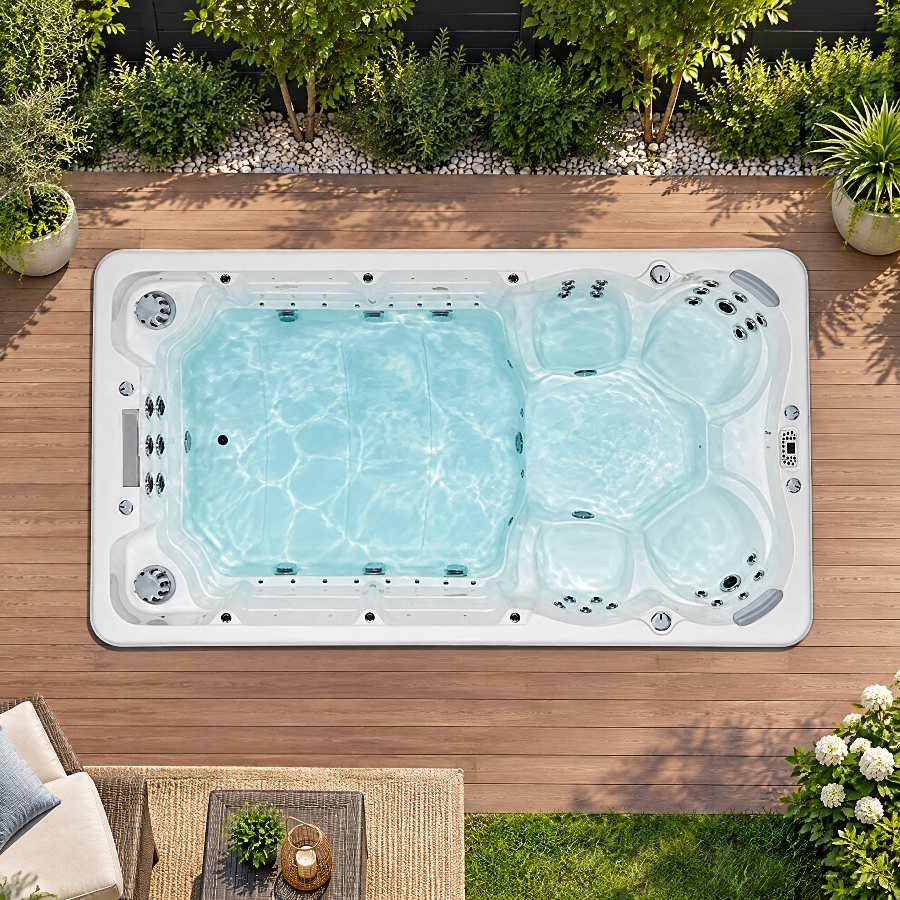
According to published manufacturer specifications, the M-300 measures 3,760 mm in length, 2,080 mm in width, and 1,110 mm in depth, holding approximately 3,680 liters of water. Built with a porcelain-colored acrylic shell and exterior synthetic cabinetry available in Platinum or Midnight tones, it features four contoured hydrotherapy seats and a dedicated countercurrent swim area.
Hydrotherapy and Countercurrent Propulsion Layout
Mechanical delivery in the M-300 relies on an internal network powered by three separate 3 HP water pumps alongside a dedicated 1 HP circulation pump. The manufacturer equips the vessel with 51 strategically positioned hydrotherapy massage jets configured across the ergonomic seats to soothe lumbar fatigue and promote systemic circulation after exercise.
Water movement for fitness comes from high-flow countercurrent nozzles positioned for swim training. This pump arrangement separates quiet daily filtration cycles from powerful hydrotherapy and swimming modes. Dual 3,000-watt heating elements sustain stable operating temperatures, supported by an overall rated power supply of 14.05 kW.
Integrated Control and Environmental Features
Operational management of the M-300 is handled through a digital KL2020BT touchscreen interface, allowing users to calibrate jet output, filtration cycles, and water warmth. Water cleanliness is maintained via a multi-stage purification assembly that the manufacturer describes as combining ozone disinfection, germicidal UV treatment, cartridge filtration, and sand filtration units.
For evening leisure, the unit incorporates integrated multi-color underwater LED lighting paired with illuminated laminar fountain streams and waterfall features. These water features enrich the sensory environment, transforming standard backyard sessions into soothing, visually captivating retreats.
Practical Installation Steps and Safety Verification
Step-by-Step Pre-Delivery Planning Checklist
Executing a smooth spa installation requires careful coordination between site preparation, contractor schedules, and equipment arrival. Following an organized sequence prevents unexpected delays and site hazards.
Confirm local zoning bylaws, property line setbacks, and safety enclosure or fencing mandates.
Obtain structural approvals and prepare a flat, level, adequately reinforced foundation per manufacturer specifications and local structural evaluation.
Run subterranean conduit housing the electrical supply cables from your main panel to the spa site.
Have a licensed electrician install appropriate disconnect devices and overcurrent protection per the unit’s installation manual and applicable electrical code.
Verify that all delivery gates, side pathways, and overhead corridors remain free of obstacles.
Position the spa, complete mechanical electrical hookups, and inspect plumbing unions before filling.
Safe Water Chemistry Benchmarks and Routine Sanitization
Maintaining balanced water chemistry is critical for bather health, skin comfort, and equipment longevity. Neglected chemistry causes calcium scaling on heaters or acidic pitting of mechanical seals. Follow the manufacturer’s water-care instructions and applicable public health guidance.
CDC guidance for controlling Legionella and other pathogens in hot tubs recommends maintaining free chlorine levels between 3 and 10 parts per million, or bromine levels between 4 and 8 ppm, and an operational pH range of 7.2 to 7.8 in those contexts. Residential spa owners should follow their specific product manual and applicable local guidance, as requirements may differ. Water temperatures should never exceed 104°F (40°C) to reduce the risk of scalding and other heat-related health hazards.
Electrical Bonding, Disconnects, and GFCI Protection
Water and electricity present severe risks if safety protocols are bypassed. Spa electrical equipment and nearby receptacles generally require GFCI protection, but the exact arrangement must be determined from the listed equipment, manufacturer instructions, and the electrical code adopted in your jurisdiction. This protective device must be tested regularly to ensure proper trip functionality.
Have a licensed electrician determine the required disconnect devices, GFCI protection, and equipment bonding based on the applicable electrical code adopted in your jurisdiction and the manufacturer’s installation instructions. Requirements may vary by location and installation type, so professional assessment ensures compliance and safety.
Long-Term Cost Management and Ownership Realities
Anticipating Initial and Hidden Delivery Costs
When budgeting for your spa, the sticker price represents only a portion of total project expenditures. Site development costs frequently match or exceed transportation expenses depending on your garden topography. Factoring these line items into your financial plan avoids unpleasant surprises.
Site excavation, ground leveling, and preparing an adequately reinforced foundation.
Upgrading household electrical infrastructure and hiring a certified electrical contractor.
Specialized delivery equipment, including flatbed transport and heavy-lift crane hire for tight lots.
Insulated thermal covers, mechanical cover lifters, and safety access steps.
Routine Maintenance Schedules and Part Longevity
Sustaining water clarity and mechanical reliability requires consistent preventive maintenance. Follow the manufacturer’s maintenance manual for specific guidance on cleaning and replacing filter cartridges. Maintenance frequency and filter lifespan depend on usage intensity, bather load, and water volume.
Because total dissolved solids inevitably accumulate from sweat, minerals, and dissolved sanitizers, plan to drain and refill your spa according to manufacturer guidance and based on usage patterns and water volume. Routinely treating the exterior synthetic cabinet and applying protective treatments to covers preserves finishes, ensuring your 4 person outdoor jacuzzi remains a dependable backyard asset for years to come.
FAQs
Can a four-person outdoor jacuzzi comfortably fit four tall adults at once?
Verify the actual interior layout rather than relying solely on stated capacity. Open bench layouts offer generous elbow room, while deeply sculpted bucket seats isolate bathers comfortably. If your household includes tall individuals, inspect footwell dimensions to ensure leg space remains uncluttered when all seats are occupied.
What kind of electrical setup is required for a four-person outdoor spa or swim spa?
Electrical requirements vary by model. Consult the unit’s nameplate and installation manual for voltage, amperage, and circuit specifications. High-performance models such as the Victoria Star M-300, with its 14.05 kW rating, require professional installation by a licensed electrician who will verify adequate panel capacity and install the appropriate dedicated circuit and overcurrent protection per applicable code.
How often does the water in an outdoor four-seater need to be completely changed?
Drain and refill frequency depends on usage intensity, bather load, and water volume. Follow the manufacturer’s recommendations and applicable guidance, which emphasize adjusting schedules based on these factors. Replacing the water restores chemical balance and protects mechanical pumps from mineral buildup.
Does secondary sanitization (Ozone or UV) eliminate the need for chlorine or bromine?
Secondary systems like ozone generators and ultraviolet lamps can reduce organic matter and microbial loads. However, they do not replace standard sanitizers entirely. Bathers must still maintain an appropriate residual level of free chlorine or bromine to ensure continuous sanitation throughout the entire water volume.
What is the primary difference in ground preparation between a conventional hot tub and a small swim spa?
Foundation requirements differ based on total weight, which includes water capacity, vessel structure, and maximum occupancy. A conventional hot tub with lower water volume exerts less load than a swim spa holding over 3,500 liters. Consult the manufacturer’s installation specifications and, when necessary, have a local structural professional evaluate soil conditions and determine appropriate foundation design and reinforcement.
Conclusion
Investing in a 4 person outdoor jacuzzi elevates your daily routine, providing an exceptional blend of restorative hydrotherapy, physical conditioning, and social connection right outside your back door. Achieving an ideal installation requires assessing your usable outdoor space, preparing an appropriate foundation per manufacturer guidance and local structural evaluation, verifying electrical infrastructure with a licensed professional, and selecting an ergonomic layout tailored to your family’s needs. By adhering to reputable water chemistry standards and safety guidelines, your exterior spa will remain an inviting, high-performance wellness sanctuary through every season.
Victoria Star Swim Spa offers the perfect balance between exercise and relaxation, whether you want to swim for fitness or relax in the spacious seating.
Victoria Star Swim Spa offers the perfect balance between exercise and relaxation, whether you want to swim for fitness or relax in the spacious seating.