Cold Shower Benefits: What the Science Actually Supports
Home / News / Cold Shower Benefits: What the Science Actually Supports
October 01, 2026
Cold shower benefits get thrown around a lot on social media, often with more enthusiasm than evidence. Somewhere between the biohacking hype and the legitimate physiology, there’s a real story about why cold exposure affects the body the way it does, and who actually stands to gain from it. This piece separates the two, then looks at when a dedicated cold plunge setup makes more sense than standing under a chilly showerhead.
Why Cold Exposure Triggers a Physical Response
The moment cold water hits skin, the body reacts before the brain fully processes it. Peripheral blood vessels constrict, a reflex called vasoconstriction, redirecting blood toward the core to protect vital organs. That’s the same mechanism behind the flushed cheeks you get on a winter walk.
This constriction is temporary. Once you’re out of the cold, vessels dilate again, and blood rushes back to the extremities. That push-pull cycle is often cited as the basis for the circulation benefits people associate with cold showers. It’s a real vascular response, not a marketing invention, though its long-term cardiovascular impact is still being studied rather than settled.
Cold exposure also activates the sympathetic nervous system, the "fight or flight" branch, which triggers a burst of norepinephrine. That’s part of why a cold shower can feel jolting rather than relaxing in the moment, even if the aftereffect is a sense of alertness.
The Muscle Recovery Argument
Athletes have used cold water immersion for muscle recovery for decades, and the logic tracks with basic physiology. Cold temperatures constrict blood vessels and slow local metabolic activity, which can blunt the inflammatory response that follows intense exercise. Less swelling around stressed muscle tissue often means less perceived soreness the next day.
This is where the difference between a cold shower and a true cold plunge becomes relevant. A shower cools the skin surface for a few minutes at inconsistent temperatures. A dedicated plunge, by contrast, submerges the entire limb or body at a controlled, consistent temperature for a set duration, which is closer to what recovery protocols in sports science actually study.
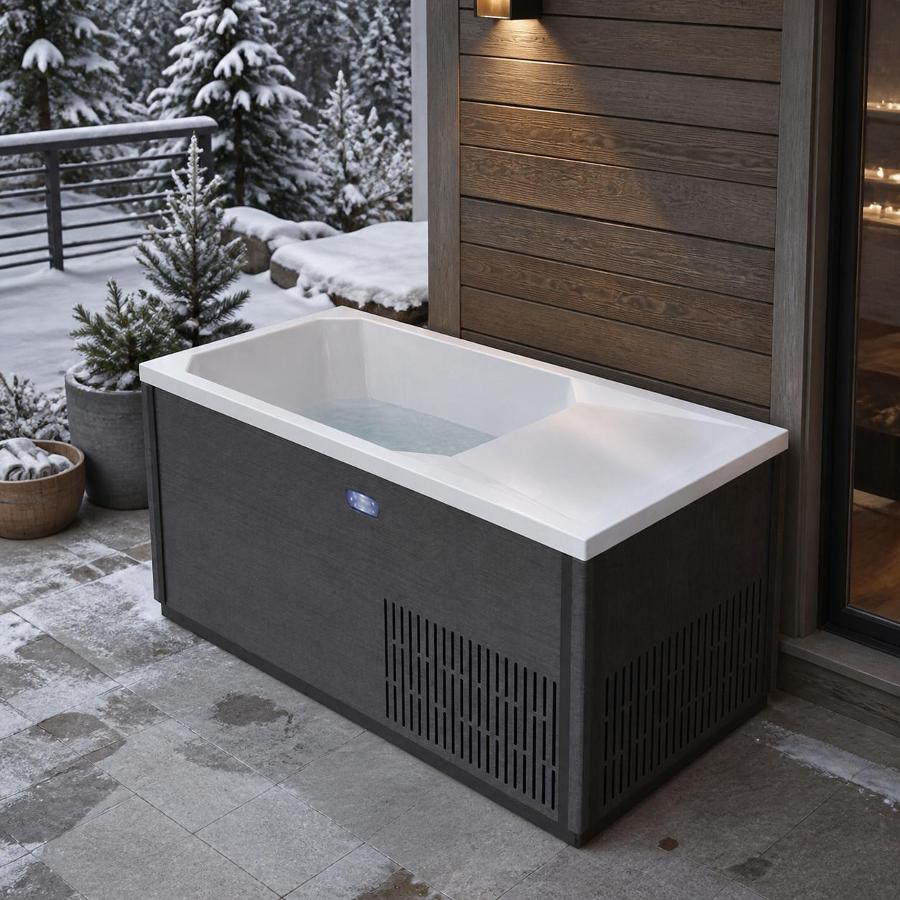
Products built specifically for this purpose reflect that distinction. According to its product specifications, the Outdoor Cold Plunge Tub C02 uses cold water immersion at a controlled temperature to support the same vasoconstriction and inflammation-reduction process, but with the consistency a shower can’t replicate.
Mood, Stress, and the Endorphin Question
The mental health angle is probably the most talked-about of all cold shower benefits, and there’s a reasonable physiological basis for it. Cold exposure prompts a release of endorphins and catecholamines, the same class of chemicals involved in what runners call a "second wind." That can translate into a short-term mood lift and a subjective sense of mental clarity right after exposure.
It’s worth being precise here: cold exposure is not a treatment for anxiety or depression, and claims that frame it that way overreach the evidence. What’s more defensible is that many people report feeling calmer and more focused after a brief cold exposure, likely tied to the adrenaline spike settling into a steadier baseline once the initial shock passes.
For those who use cold immersion regularly as a stress-management tool rather than a one-off shock, consistency tends to matter more than intensity. A tub-based system that holds a steady, repeatable temperature makes that kind of routine easier to sustain than gambling on however cold the tap happens to run that morning.
Circulation Benefits, Explained Without Overselling Them
It helps to separate two claims that often get merged into one:
Short-term circulation response: vasoconstriction followed by vasodilation, which does increase blood flow rhythmically during and after exposure.
Long-term cardiovascular improvement: a much bigger claim, and one where the research is still developing rather than conclusive.
The honest takeaway is that cold exposure reliably produces the first effect. It’s a mechanical vascular reaction, easy to observe and well documented. The second claim, that repeated cold exposure meaningfully improves cardiovascular health over months or years, deserves more caution and shouldn’t be treated as settled science.
That distinction matters when choosing how seriously to build cold exposure into a routine. If the goal is the immediate circulatory boost, a few minutes of consistent cold immersion, whether shower or plunge, is enough to trigger it.
Shower vs. Dedicated Cold Plunge: What Actually Differs
Factor
Cold Shower
Dedicated Cold Plunge Tub
Temperature control
Depends on plumbing, inconsistent
Regulated via heat pump system
Full-body immersion
Partial, standing exposure
Full submersion including torso and legs
Session consistency
Varies daily
Repeatable, same temperature each time
Duration comfort
Limited by discomfort and water flow
Seated, ergonomic immersion for longer sessions
Best suited for
Quick daily habit, low cost
Structured recovery or therapy routines
Neither option is wrong, they just serve different needs. A shower is accessible and free, which makes it a reasonable entry point for anyone curious about cold exposure. A dedicated system becomes worthwhile once the goal shifts from casual experimentation to a structured recovery or wellness practice.
When a Cold Plunge Tub Makes More Sense
Three groups tend to outgrow the shower routine fairly quickly:
Athletes and active trainees who need consistent post-workout immersion rather than a rushed, unpredictable rinse.
People managing chronic soreness or inflammation who benefit from longer, controlled exposure at a stable temperature.
Wellness-focused households building a repeatable routine rather than an occasional cold shock.
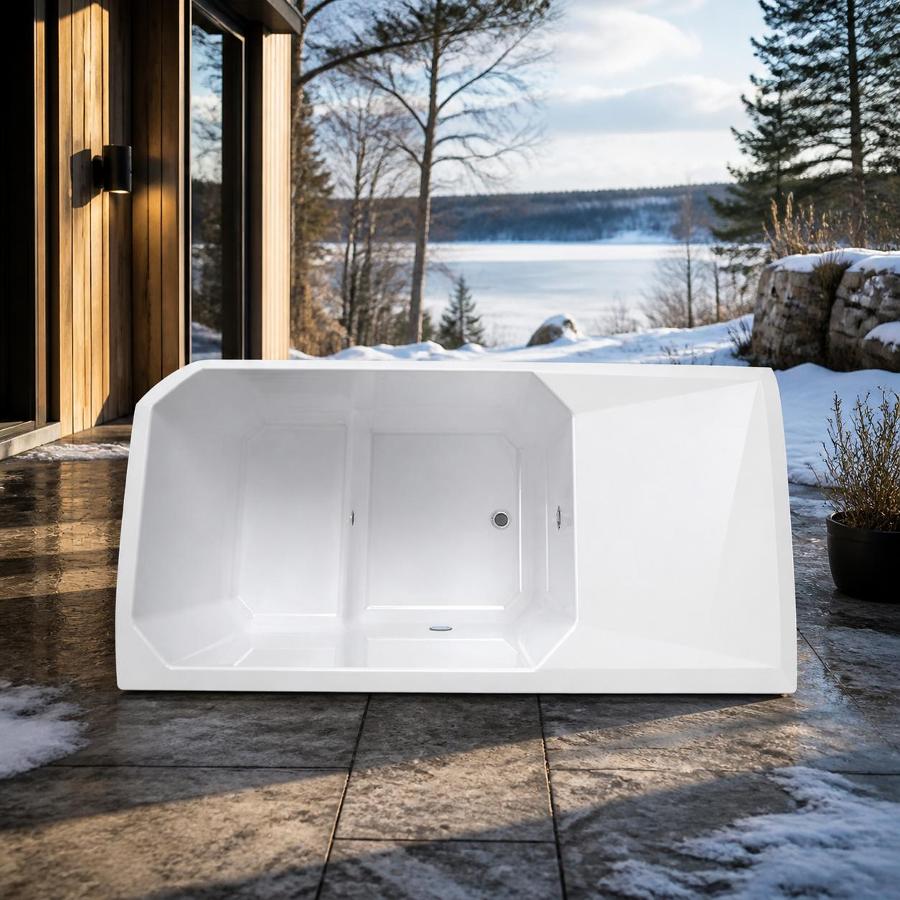
For this segment, equipment matters. The Outdoor Cold Plunge Tub C02 is equipped with an integrated 900W heat pump system paired with a 54W brushless pump, which per its specifications keeps water at a set low temperature rather than relying on whatever comes out of the tap. Its 320-liter capacity allows full submersion with an ergonomic interior step, which changes the experience from standing under cold spray to sitting immersed at a consistent depth.
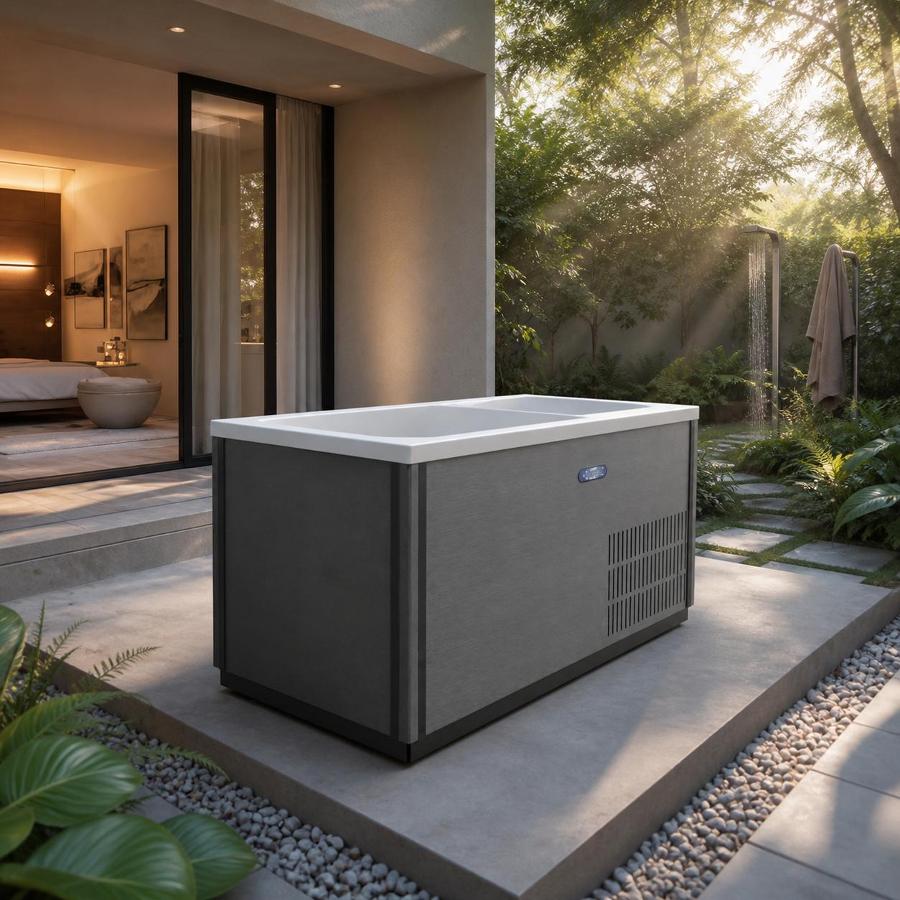
The tub’s porcelain acrylic shell and weather-resistant composite cabinet are built for outdoor placement, whether that’s a backyard patio, a training facility, or a spa setting. That outdoor-ready construction is part of why cold plunge tubs are increasingly showing up in athletic recovery centers and boutique wellness studios, not just private homes.
Common Questions About Cold Exposure
Does a cold shower need to be freezing to work? No. Most of the circulatory and mood-related responses occur well above freezing, generally in the range used by contrast therapy protocols. Extreme cold isn’t required and can be uncomfortable without added benefit.
How long should a cold immersion session last? Shorter sessions, often just a few minutes, are enough to trigger the vasoconstriction response. Longer isn’t automatically better, and prolonged exposure without supervision carries its own risks.
Is a cold plunge tub necessary, or is a shower enough? For casual use, a shower is a reasonable starting point. For structured recovery, consistent temperature and full immersion, which a shower can’t reliably provide, matter more.
Are cold showers safe for everyone? People with cardiovascular conditions or circulatory disorders should consult a physician before starting any cold exposure routine, since the vasoconstriction response places acute stress on the heart and vessels.
Building Cold Exposure Into a Realistic Routine
The appeal of cold shower benefits isn’t that they’re dramatic, it’s that they’re accessible. Anyone with a working shower can test the response tomorrow morning. But accessibility has a ceiling. Once the goal becomes structured recovery, mood regulation, or a repeatable wellness habit, the inconsistency of tap water starts working against the routine rather than supporting it.
That’s the gap a purpose-built system fills. For us at Victoria Star, that’s the reasoning behind designing the Outdoor Cold Plunge Tub C02 around a dependable heat pump system rather than ambient water temperature. It doesn’t replace the shower as an entry point, it extends the practice for people who’ve already decided cold exposure belongs in their routine long-term. Whether someone sticks with a quick cold shower or moves toward a dedicated tub, the underlying physiology, and the real cold shower benefits behind it, stay grounded in the same vascular and nervous system responses the body has relied on all along.
Victoria Star Swim Spa offers the perfect balance between exercise and relaxation, whether you want to swim for fitness or relax in the spacious seating.
Victoria Star Swim Spa offers the perfect balance between exercise and relaxation, whether you want to swim for fitness or relax in the spacious seating.