Cold Plunge While Pregnant: What the Research and Common Sense Say
Home / News / Cold Plunge While Pregnant: What the Research and Common Sense Say
September 28, 2026
Why Pregnant Women Are Curious About Cold Plunge Therapy
Cold plunge while pregnant is one of the more debated questions in the wellness world right now. Athletes and new parents alike are drawn to cold water immersion for recovery, and pregnancy does not switch off that curiosity. Hormonal swelling, joint aches, and disrupted sleep push many expecting mothers to search for relief anywhere they can find it. Cold therapy has a reputation for calming inflammation, so it is a natural question to ask whether that benefit extends to pregnancy too.
The honest answer is more nuanced than a simple yes or no. Cold exposure changes how blood vessels behave, and pregnancy already involves major shifts in circulation and blood volume. That overlap is exactly why medical guidance matters more here than in almost any other wellness trend.
How Cold Water Immersion Affects the Body
Cold plunge therapy works through vasoconstriction, the narrowing of blood vessels in response to low temperature. When the body is submerged in cold water, blood is redirected away from the skin and extremities toward the core to protect vital organs. Once the person exits the water, vessels dilate again, which many people describe as a rush of warmth and clarity.
This vascular cycling is the mechanism behind claims about reduced inflammation and muscle soreness. It is also the reason cold plunges carry real cardiovascular demand. Blood pressure and heart rate shift quickly during immersion, sometimes within seconds. For a healthy, non-pregnant adult, this is generally a manageable stress response. During pregnancy, the cardiovascular system is already working harder to support a growing fetus, so adding a sudden vascular shock is a different equation entirely.
What Medical Guidance Generally Recommends
Most obstetric guidance leans toward caution rather than outright rejection of cold exposure. The core concerns center on a few specific risks:
Sudden blood pressure changes that could reduce blood flow to the placenta
Increased fall risk when entering or exiting cold water, especially in later trimesters
Shock response triggering rapid, shallow breathing that limits oxygen intake
Individual variation in how each pregnancy tolerates thermal stress
Because these risks are not uniform across every pregnancy, providers tend to recommend an individualized conversation rather than a blanket rule. A woman with a low-risk, uncomplicated pregnancy and prior cold exposure experience faces a different risk profile than someone with hypertension or a history of preterm labor.
Comparing Cold Plunge to Other Pregnancy-Safe Wellness Practices
Practice
General Safety During Pregnancy
Primary Concern
Cold plunge (unsupervised)
Requires medical clearance
Rapid blood pressure and circulation changes
Hot tub or spa above 100°F
Generally discouraged
Core temperature elevation, neural tube risk in first trimester
Cool showers
Typically low risk
Minimal, gradual temperature change
Prenatal swimming in temperate water
Often recommended
Low impact, joint relief, stable temperature
This comparison matters because pregnant women are frequently warned away from hot tubs, which can create the assumption that cold water must be the safer alternative. That assumption is not automatically true. Both extremes place stress on the cardiovascular system, just through different mechanisms. Gradual, moderate temperature exposure tends to be the common thread across the practices considered lower risk.
Why Temperature Control Matters More Than Intensity
One detail that gets lost in cold plunge discussions is that not all cold exposure is equal. A quick, controlled dip in cool water is a very different physiological event than a prolonged immersion at near-freezing temperatures. This is where equipment design starts to matter, even outside of pregnancy-specific questions.
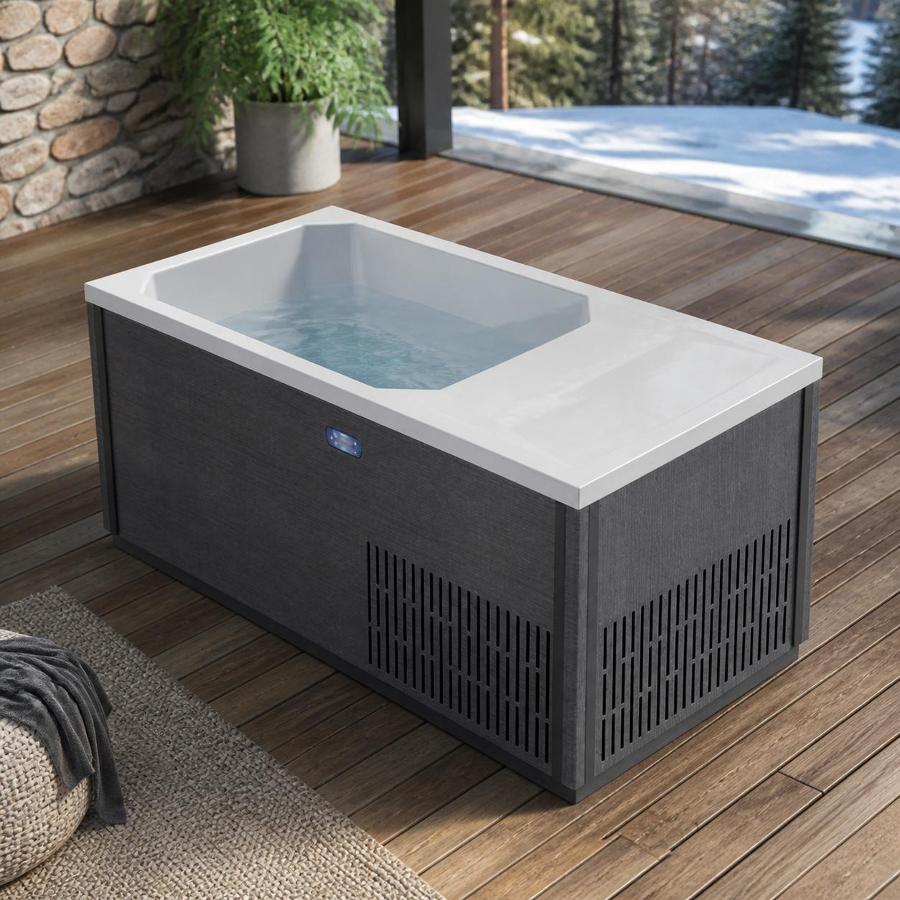
Modern cold plunge tubs, including systems like the Outdoor Cold Plunge Tub C02, are built with heat pump control systems rather than relying on ice alone. According to the product’s technical documentation, this model uses a 900W heat pump paired with a 54W brushless pump to regulate temperature with more precision than a barrel of ice water. That distinction is worth pausing on, because precision control changes the conversation from "how cold can it get" to "how consistently can the temperature be maintained."
For any household considering cold therapy, consistent and predictable temperature control reduces the guesswork that makes cold exposure risky in the first place. Sudden extreme cold is a bigger physiological shock than a steady, moderate chill.
What a Well-Designed Cold Plunge Setup Looks Like
Setting aside the pregnancy question for a moment, it helps to understand what separates a well-built cold plunge unit from a makeshift one. The product specifications for the C02 model offer a useful reference point for the category as a whole.
Water capacity of 320 liters, enough for full-body immersion without excessive water waste
Porcelain acrylic shell for a smooth, non-abrasive interior surface
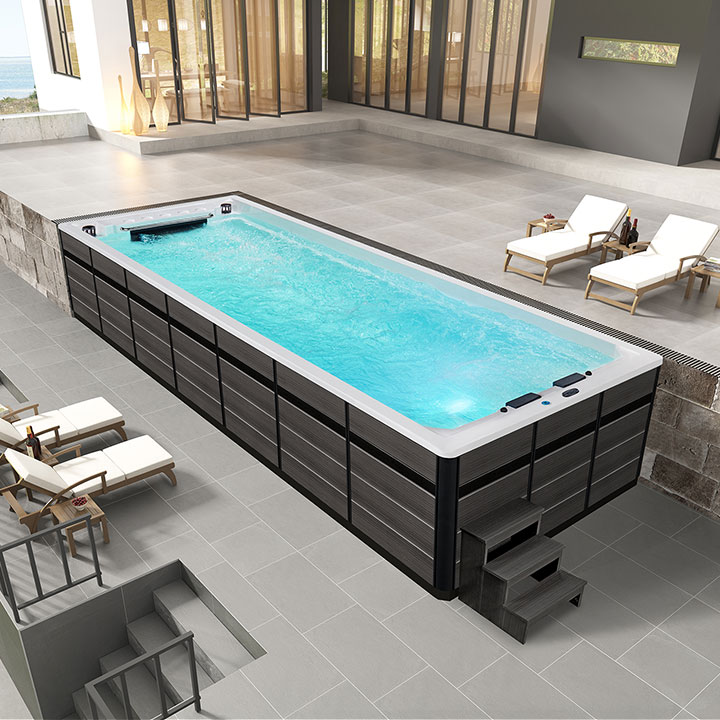
Integrated seating step for a more stable, ergonomic entry and exit
Weather-resistant composite cabinet available in Platinum or Midnight finishes
Insulated cover included to help maintain set temperature between uses
That integrated step is a small but meaningful detail. Fall risk during entry and exit is one of the more practical, everyday concerns with cold plunge use, pregnancy or otherwise. A stable step reduces the chance of an awkward, slippery entry, which matters even more for anyone dealing with a shifted center of gravity.
Application Settings Where Cold Plunge Tubs Are Commonly Used
Cold plunge tubs have moved well beyond elite sports facilities. Based on the product documentation, these units are now installed across a range of settings:
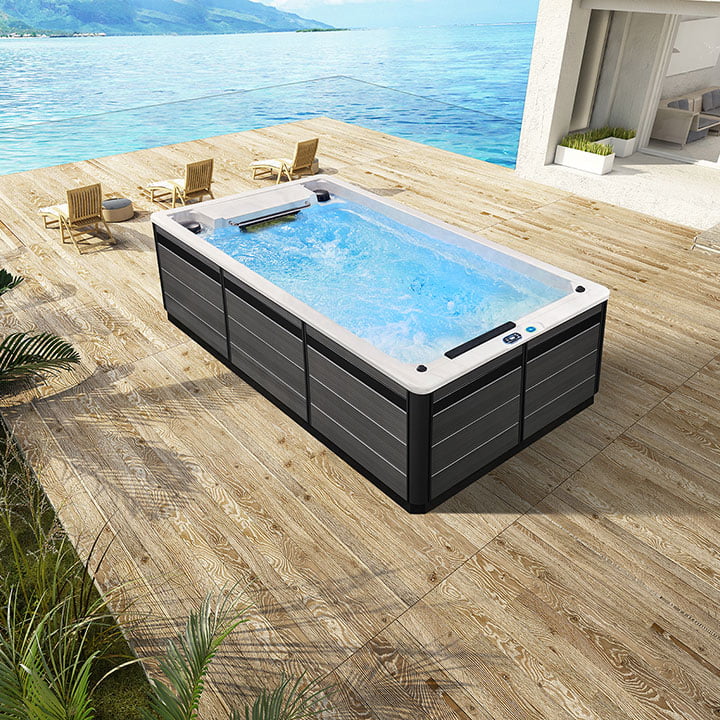
Private backyard patios and outdoor decks for daily personal use
Professional athletic training facilities and recovery centers
Commercial wellness studios and boutique day spas
Luxury resort villas and coastal hospitality properties
The spread across these settings shows how cold therapy has shifted from a niche recovery tool into a broader wellness category. That popularity is precisely why the pregnancy question comes up so often. When a wellness practice becomes part of everyday routine, people naturally want to know if it still fits during a major life change like pregnancy.
Practical Guidance for Expecting Mothers Curious About Cold Therapy
For anyone still weighing whether cold plunge while pregnant fits into their routine, a few practical steps make the decision safer and more informed:
Talk to an obstetrician before starting or continuing cold plunge sessions, especially past the first trimester
Avoid unsupervised solo sessions, since sudden lightheadedness or a vasovagal response needs immediate assistance
Keep sessions brief if cleared by a provider, rather than extending exposure time
Choose a unit with stable entry points and consistent temperature control rather than ice-only setups
Stop immediately if experiencing dizziness, tightness in the chest, or unusual shortness of breath
None of these steps guarantee complete safety, because pregnancy physiology varies too much for blanket promises. What they do offer is a more measured way to approach a wellness practice that carries real cardiovascular weight.
Common Questions About Cold Plunge and Pregnancy
Is a short cold shower the same risk as a full cold plunge? No. A shower involves far less surface area contact and a more gradual temperature shift, which places much less demand on the cardiovascular system compared to full-body immersion.
Does trimester matter for cold exposure risk? Generally yes. Many providers express more caution in the first trimester due to early fetal development, and again in the third trimester due to balance and circulation changes, though every pregnancy is different.
Can moderate cold water immersion help with pregnancy-related swelling? Some women report relief from ankle and leg swelling with brief, cool water exposure, but this should be discussed with a provider rather than assumed safe as a default practice.
Is a heat pump-controlled tub safer than an ice bath for general use? Heat pump systems, like the one used in the C02 model, allow for more consistent and predictable temperature regulation compared to ice alone, which can help avoid unpredictable extreme cold exposure.
Making a Careful, Informed Decision
Cold plunge while pregnant is not a question with a universal answer, and that is exactly why medical consultation matters more than internet trends. The cardiovascular mechanics behind cold exposure are well understood, but pregnancy adds enough physiological variables that a personalized recommendation from a provider is the only reliable path forward. For households that already own or are considering a cold plunge setup, understanding the equipment itself, including features like heat pump temperature control and stable entry steps, helps separate a thoughtful wellness routine from unnecessary risk. Whether or not cold plunge fits into a particular pregnancy, the underlying goal stays the same: supporting recovery and well-being without introducing avoidable strain during a time when the body is already working hard.
Victoria Star Swim Spa offers the perfect balance between exercise and relaxation, whether you want to swim for fitness or relax in the spacious seating.
Victoria Star Swim Spa offers the perfect balance between exercise and relaxation, whether you want to swim for fitness or relax in the spacious seating.