Cold Plunge While Fasting: What Happens to Your Body
Home / News / Cold Plunge While Fasting: What Happens to Your Body
September 28, 2026
Combining a cold plunge while fasting sounds like doubling down on discomfort for the sake of discipline. But the two practices actually interact in ways worth understanding before you step into freezing water on an empty stomach. Fasting shifts your metabolism, and cold exposure stresses your circulatory system. Stack them together and you’re asking your body to manage two demanding states at once.
This isn’t inherently dangerous for most healthy adults, but it does change how your body responds compared to a normal cold plunge. Knowing what’s happening beneath the surface helps you decide whether this combination fits your recovery routine or your risk tolerance.
Why People Combine Fasting and Cold Exposure
Intermittent fasting and cold immersion both tap into overlapping physiological pathways. Fasting depletes glycogen stores and nudges the body toward fat oxidation. Cold exposure triggers vasoconstriction, the narrowing of blood vessels near the skin, which redirects blood flow toward the body’s core.
Some people chase this pairing because they’ve heard it amplifies fat metabolism or sharpens mental focus. There’s a kernel of physiological logic here. Both practices activate the sympathetic nervous system, releasing norepinephrine, a hormone tied to alertness and energy mobilization. Layering cold onto a fasted state can feel like a shortcut to that wired, clear-headed sensation.
The catch is that "feeling sharp" and "being safe" aren’t the same thing. Your body under a caloric deficit has less metabolic reserve to buffer sudden cold stress.
What Actually Happens Physiologically
During a fast, blood glucose drops and the liver starts converting fat into ketones for fuel. This is a slower, less immediately available energy source than glucose. Cold immersion demands rapid energy to fuel shivering thermogenesis, the muscle-based heat production your body uses to maintain core temperature.
When you’re fasted, that rapid-response fuel is harder to access. The result can be:
A faster drop in blood sugar, sometimes triggering lightheadedness or shakiness
Reduced tolerance for extended immersion, since energy reserves run thinner
A stronger stress response, since cortisol rises alongside norepinephrine during both fasting and cold exposure
Slower rewarming afterward, particularly if you skip a post-plunge meal
None of this means the combination is off-limits. It means your margin for error shrinks, and paying attention to duration and water temperature matters more than usual.
Blood Circulation and Muscle Recovery Benefits
Cold water immersion has a well-documented effect on vascular behavior. As blood vessels constrict in cold water and dilate again during rewarming, the alternating cycle stimulates circulation and helps deliver oxygen to tissue that’s been under physical stress. This is the same mechanism athletes rely on for post-exercise recovery, independent of whether they’re fasted.
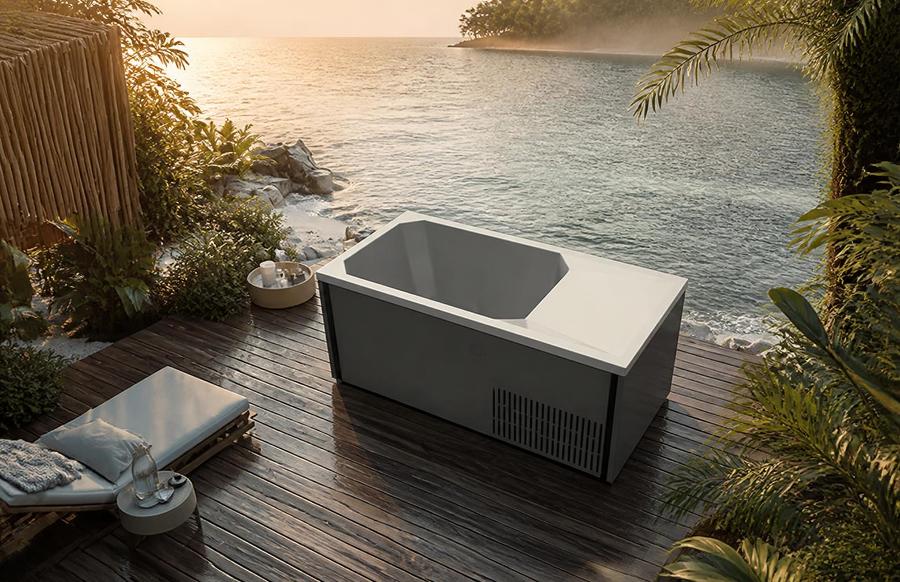
Products designed for this purpose, like the Outdoor Cold Plunge Tub C02, use consistent low-temperature water to support that vasoconstriction and dilation cycle, which according to the product’s design intent helps reduce inflammation and ease muscle soreness after intense training. The tub holds 320 liters and runs on an integrated 900W heat pump paired with a 54W brushless pump, keeping water temperature stable regardless of ambient conditions outdoors.
Whether you’re fasted or not, this circulatory stimulation is the primary reason athletes use cold plunges at all. Fasting doesn’t enhance this mechanism. It just changes how much energy you have on hand to tolerate the exposure.
Mental Clarity Versus Physical Risk
There’s a psychological angle that gets less attention than the physiological one. Cold exposure triggers a rush of endorphins, the body’s natural mood-lifting chemicals released in response to stress. People often describe a fasted cold plunge as producing an unusually sharp, almost meditative mental state.
That sensation is real, but it’s worth separating from physical safety. A clear head doesn’t mean your blood sugar is stable. Athletes and wellness practitioners who plunge while fasted typically do so briefly, in controlled settings, and with close attention to how their body responds mid-session.
If dizziness, nausea, or unusual fatigue shows up during a fasted plunge, that’s a signal to exit the water, not push through it.
Who Should Be Cautious
Not everyone reacts to this combination the same way. Some populations face meaningfully higher risk when mixing fasting with cold immersion:
People with blood sugar regulation issues, including diabetes, should avoid fasted cold exposure entirely without medical guidance.
Anyone with cardiovascular conditions should be cautious, since cold immersion already places acute stress on heart rate and blood pressure.
Pregnant individuals should skip this combination given the added metabolic and thermoregulatory demands.
Beginners to cold plunging should establish comfort with regular, fed-state sessions before experimenting with fasted ones.
Anyone feeling unusually fatigued or under-recovered should postpone the fasted plunge and try it fed instead.
If none of these apply to you, the practice is generally manageable in short sessions, but "generally manageable" still means starting conservatively.
How to Approach It Safely
If you’re set on trying a cold plunge while fasting, structure matters more than intensity. A few practical adjustments reduce the risk without eliminating the experience:
Keep sessions short, especially the first few times, rather than testing your limits on day one
Choose a moderate water temperature instead of the coldest setting available
Stay near the end of your fasting window rather than the beginning, when glycogen is already lowest
Have a meal ready immediately afterward to support glucose recovery and rewarming
Never plunge alone during a fasted session, particularly if you’re new to either practice individually
Water temperature consistency plays a bigger role here than people expect. Fluctuating temperatures force your body to work harder to regulate itself, which compounds the energy demand during a fast. A tub with a dependable heat pump system, like the integrated 900W unit in the C02 model, helps maintain a steady low temperature so you’re not managing unpredictable thermal swings on top of an already depleted energy state.
Setting Up a Home Cold Plunge Routine
For people who plunge regularly, whether fasted or not, a dedicated setup at home removes a lot of friction compared to public ice baths or gym facilities. Consistency in water temperature and easy access both matter for people trying to build a sustainable recovery habit.
The C02 tub, for instance, holds 320 liters and includes an ergonomic interior step for easier entry and exit, along with a digital control interface for adjusting temperature settings. Its acrylic shell and weather-resistant cabinet panels are built for outdoor placement, whether that’s a backyard patio, a training facility, or a quieter courtyard setup.
Specification
Detail
Water Capacity
320 L
Heater Output
900 W (integrated heat pump)
Pump
54 W brushless
Dimensions
1695 mm × 830 mm × 850 mm
Shell Material
Porcelain acrylic
Cabinet Colors
Platinum, Midnight
Insulated Cover
Included
A stable, well-insulated tub matters more during fasted sessions specifically because your body has less buffer for temperature inconsistency. If the water drifts warmer or colder unpredictably, you lose the controlled exposure that makes cold therapy effective in the first place.
Frequently Asked Questions
Is it safe to do a cold plunge while fasting? For most healthy adults, brief sessions are generally tolerable, but people with blood sugar or cardiovascular conditions should avoid it or consult a doctor first.
Does fasting make cold plunging more effective for fat loss? There’s no established evidence that combining the two accelerates fat loss beyond what either practice does independently. The circulatory and recovery benefits of cold immersion remain the same regardless of fasting state.
How long should a fasted cold plunge last? Shorter than a typical fed-state session. Many people limit fasted plunges to a few minutes and extend duration only after building tolerance.
Should I eat immediately after a fasted cold plunge? Yes, having a meal ready afterward supports blood sugar recovery and helps your body rewarm more efficiently.
Can beginners try a cold plunge while fasting? It’s better to start with fed-state sessions first. Once you understand how your body responds to cold immersion generally, a fasted session becomes a smaller variable to manage.
Fasting and cold exposure both ask something demanding of your body, and doing them together isn’t a shortcut to better results, it’s a more advanced variation that requires more attention. If you’re going to try a cold plunge while fasting, keep sessions brief, stay near the end of your fast, and use a tub with reliable temperature control so the water itself isn’t adding unpredictability to an already taxed system. Done thoughtfully, it can fit into a recovery routine. Done carelessly, it just adds risk without adding benefit.
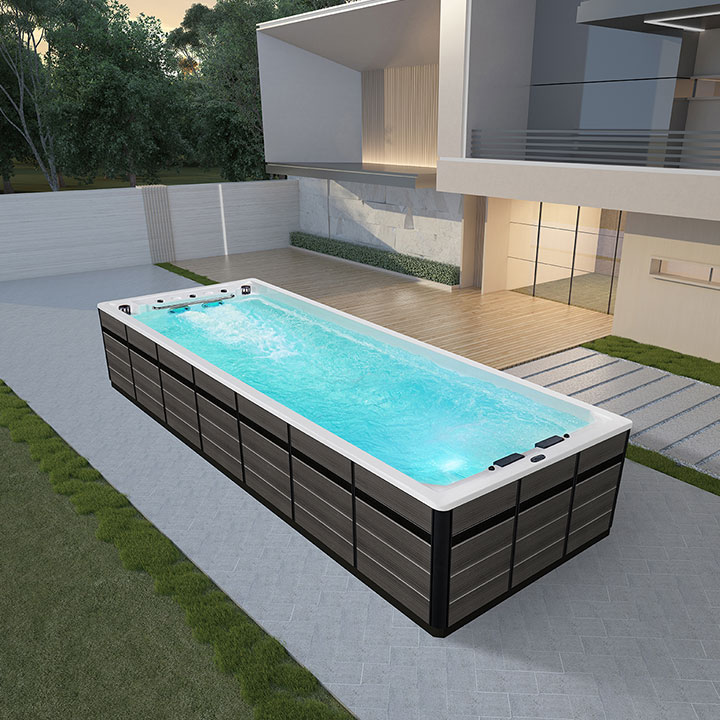
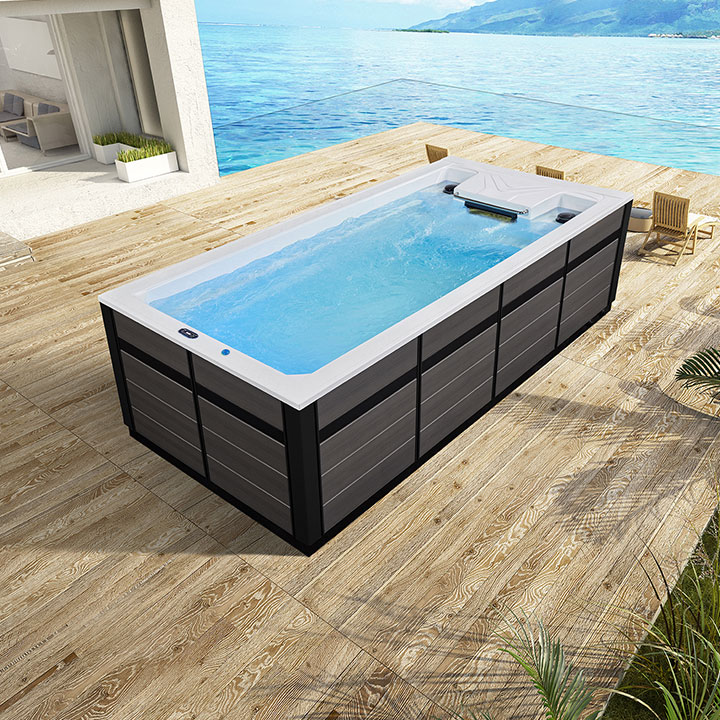
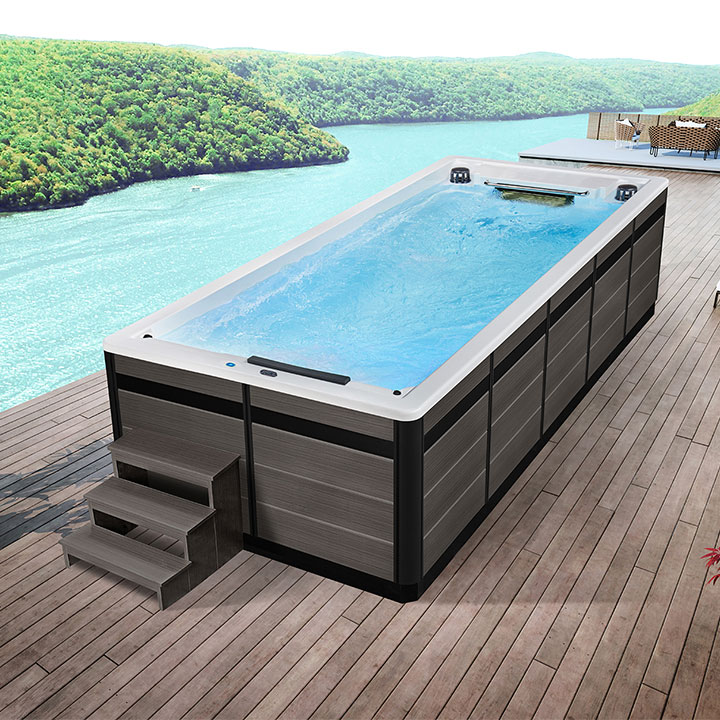
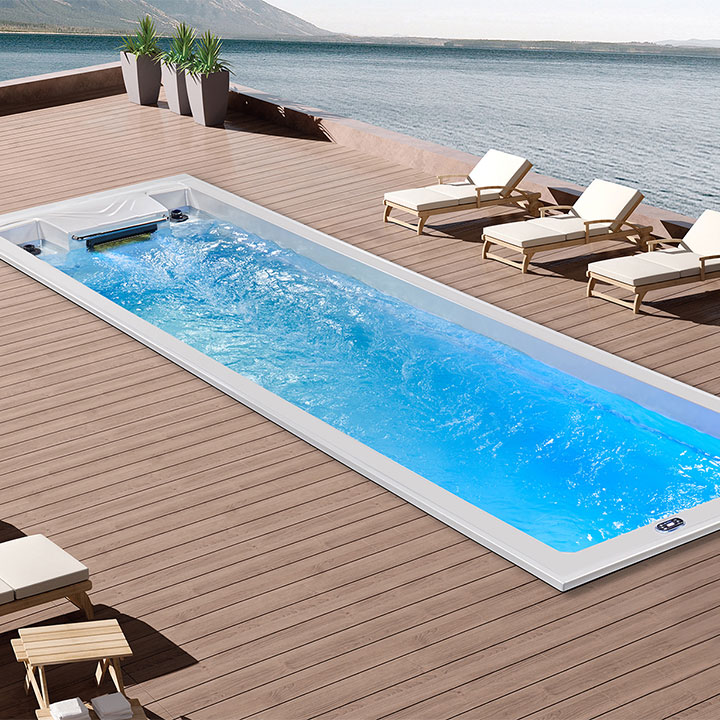
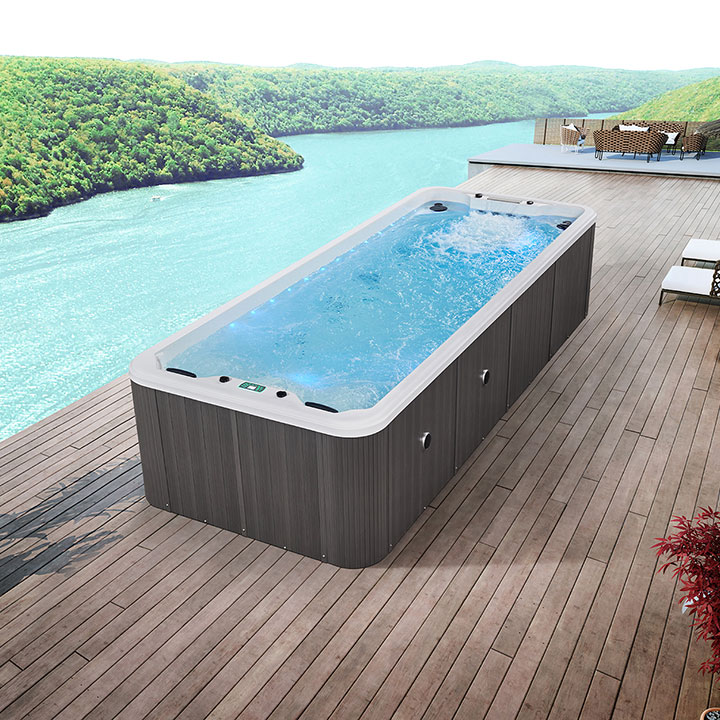
Victoria Star Swim Spa offers the perfect balance between exercise and relaxation, whether you want to swim for fitness or relax in the spacious seating.
Victoria Star Swim Spa offers the perfect balance between exercise and relaxation, whether you want to swim for fitness or relax in the spacious seating.