Cold Plunge Weight Loss: What the Research Actually Supports
Home / News / Cold Plunge Weight Loss: What the Research Actually Supports
September 28, 2026
Cold plunge weight loss has become one of the most searched wellness topics among people chasing faster recovery and a leaner body. The idea sounds almost too simple: sit in cold water, burn more calories, and watch the scale move. But the physiology behind cold immersion is more nuanced than social media clips suggest, and understanding it matters before you buy a tub or commit to a daily routine.
This article breaks down what cold plunging can realistically do for metabolism, fat tissue, and overall recovery, and where the claims start to outpace the evidence.
How Cold Exposure Affects Your Metabolism
When skin temperature drops suddenly, the body works to defend its core temperature. This triggers thermogenesis, a process where the body generates heat through shivering and non-shivering mechanisms. Non-shivering thermogenesis is largely driven by brown adipose tissue, a type of fat that burns calories to produce warmth rather than storing energy like white fat does.
Cold exposure has been shown in research to activate brown fat and modestly increase energy expenditure during and shortly after immersion. The effect is real, but it’s smaller than most people expect. A single cold plunge session burns some extra calories, but the amount is modest and shouldn’t be equated with the calorie cost of a structured workout. Anyone hoping cold water alone will replace diet and exercise is setting up for disappointment.
Why Cold Plunge Weight Loss Claims Get Overstated
Part of the confusion comes from mixing up two different outcomes: short-term calorie burn and long-term fat loss. They are not the same thing, and treating them as interchangeable is where most of the hype breaks down.
Weight loss requires a sustained calorie deficit over weeks and months. Cold plunging can contribute a small piece of that equation through increased thermogenesis, but it doesn’t create the deficit on its own. Influencers often present a handful of cold sessions alongside dramatic before-and-after photos, without mentioning the training volume, diet changes, or sleep improvements that likely did the heavier lifting.
Cold exposure increases short-term energy expenditure, but the magnitude is modest.
Fat loss still depends primarily on total calories consumed versus burned.
Consistency over months matters more than the temperature of any single session.
The Recovery Benefits That Actually Matter More
Where cold plunging earns its reputation isn’t weight loss, it’s recovery. Cold water immersion causes blood vessels near the skin to constrict, which reduces blood flow to inflamed tissue after intense exercise. When you step out and warm back up, vessels dilate again, pushing fresh oxygenated blood through the muscles you just worked.
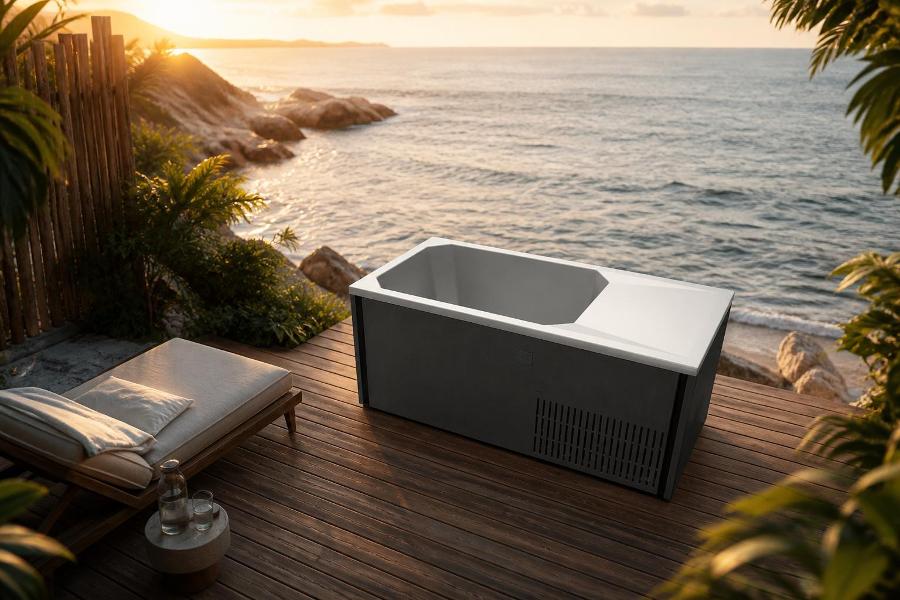
This vasoconstriction and dilation cycle is the same mechanism referenced in products like the Outdoor Cold Plunge Tub C02, which according to its product information is designed to support circulation and ease post-exercise soreness rather than marketed as a fat-burning device. That distinction matters. A tub designed for recovery can still support a weight loss goal indirectly, by helping you train harder and more often without being sidelined by soreness.
Athletes who recover faster train more consistently. Consistent training, not the cold water itself, is usually the real driver behind any body composition change people notice after adopting a cold plunge habit.
What Happens to Your Body During Immersion
Understanding the sequence of physiological responses helps set realistic expectations. Cold immersion doesn’t just numb you, it sets off a cascade that affects circulation, hormones, and mood.
Skin receptors detect the temperature drop and signal the nervous system within seconds.
Blood vessels near the surface constrict, redirecting blood toward the body’s core.
The body may initiate shivering thermogenesis if the temperature or duration is significant enough.
Cold exposure stimulates release of endorphins, which can improve mood and reduce perceived stress.
Upon exiting, vessels dilate and circulation increases, often described as a rebound flushing effect.
That endorphin response is worth pausing on. Stress and poor sleep are both linked to weight gain through cortisol and appetite dysregulation. If cold plunging helps someone manage stress more effectively, that’s a legitimate indirect pathway toward better weight management, even though it has nothing to do with calories burned in the tub itself.
Choosing Equipment That Supports a Real Routine
If cold therapy is going to be part of a long-term routine rather than a one-time experiment, the equipment needs to make consistency easy. A bathtub full of ice bags works for a week. It rarely survives a winter.
Feature
Why It Matters for Long-Term Use
Integrated heat pump / chiller
Maintains a stable target temperature without manual ice refills
Insulated cover
Reduces heat gain and keeps water cold between sessions
Weather-resistant cabinet
Withstands outdoor exposure across seasons
Ergonomic interior step
Makes entry and exit safer, especially for daily users
Adequate water capacity
Allows full-body immersion rather than partial submersion
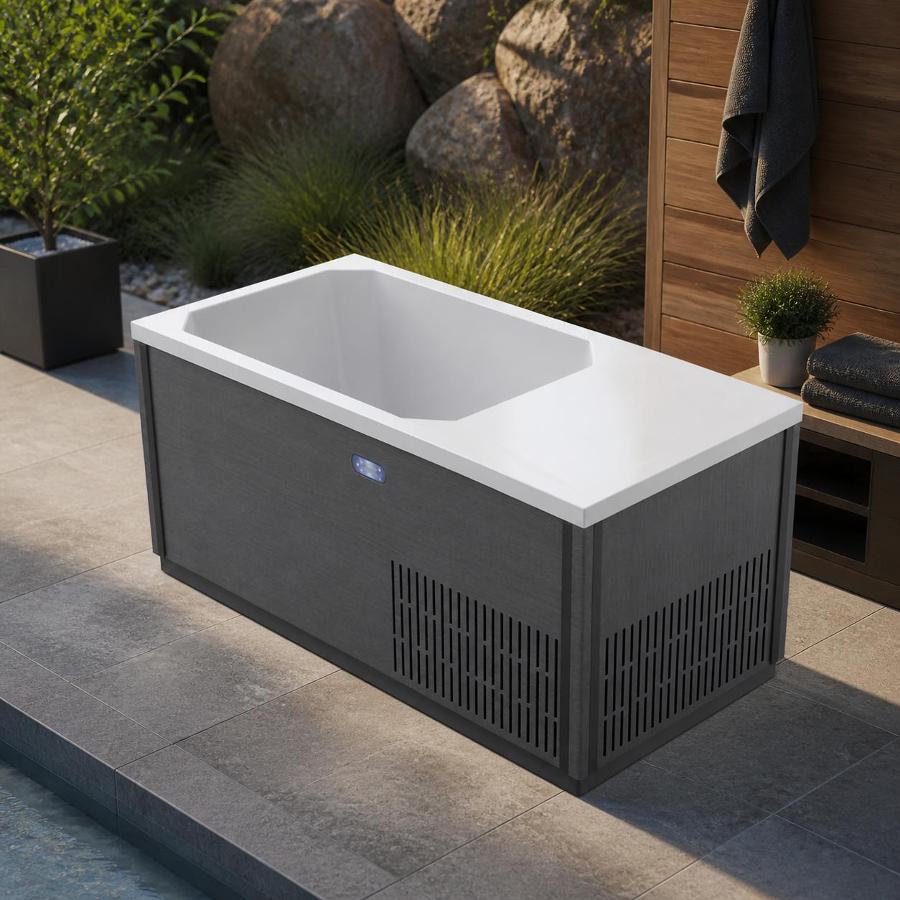
The Outdoor Cold Plunge Tub C02 illustrates how these design choices come together in practice. According to its product specifications, it uses a 900W heat pump system paired with a 54W brushless pump to regulate water temperature, so users aren’t dependent on bagged ice or manual monitoring. The manufacturer’s specifications list the unit’s water capacity at 320 liters, which comfortably supports full immersion for most adults.
The tub’s porcelain acrylic interior shell is finished to be smooth against the skin, while the exterior cabinet is available in Platinum or Midnight tones with vented composite panels designed to handle outdoor conditions. An insulated cover is included, which helps retain temperature between sessions and reduces the heating cycle’s workload.
Where a Cold Plunge Fits in Different Settings
Not everyone installing a cold plunge tub is training for competition. The use cases vary widely, and matching the setup to the setting affects how much value someone actually gets out of daily use.
Home backyards and private courtyards: Convenient access encourages the short, frequent sessions that build a sustainable habit.
Athletic training facilities: Faster recovery between sessions supports higher training volume over a season.
Wellness centers and boutique spas: Clients often combine cold immersion with other services as part of a broader stress-reduction offering.
Resort and hospitality settings: Ocean-view or courtyard installations position cold plunging as a relaxation amenity rather than a clinical treatment.
In each scenario, the underlying value proposition is the same: better circulation, reduced soreness, and a mental reset. Weight loss, if it happens, tends to be a downstream effect of training harder and recovering better, not a direct result of the cold exposure itself.
Frequently Asked Questions
Does cold plunging burn a significant number of calories? It increases energy expenditure through thermogenesis, but the amount burned in a typical session is modest compared to structured exercise. It shouldn’t be treated as a replacement for a workout.
How long should a cold plunge session last? Durations vary by individual tolerance and goals, and specific protocols should be discussed with a qualified health professional, especially for anyone with cardiovascular conditions.
Can cold plunging replace diet changes for weight loss? No. Sustainable weight loss depends on a consistent calorie deficit achieved through diet and activity. Cold exposure can support the process indirectly through recovery and stress reduction, but it isn’t a substitute.
What temperature range do most home cold plunge tubs operate in? This depends on the specific unit’s heat pump and chiller capabilities. According to its product information, the C02 model uses a 900W heat pump control system paired with a 54W brushless pump to regulate water temperature.
Is a heated recovery cycle necessary after cold immersion? Many users prefer a gradual warm-up rather than an abrupt transition, since the vasodilation that follows cold exposure is part of the circulation benefit people are seeking.
Setting Realistic Expectations for Cold Plunge Users
Cold plunge weight loss, as a standalone strategy, doesn’t hold up under closer inspection. The metabolic boost is measurable but small, and the bigger prize is what cold immersion does for recovery, circulation, and mental clarity. Those benefits, stacked over months of consistent training, are what actually move the needle on body composition.
For anyone weighing whether a dedicated tub is worth it, the decision should hinge on how it fits into daily recovery, not on unrealistic fat-loss promises. A well-built unit like the Outdoor Cold Plunge Tub C02, backed by its integrated heat pump system and durable outdoor-rated cabinet, is designed to make consistent cold therapy practical at home. For us at Victoria Star, that consistency, not any single cold plunge session, is what turns a wellness trend into a genuine part of someone’s long-term routine, and where any realistic cold plunge weight loss benefit ultimately comes from.
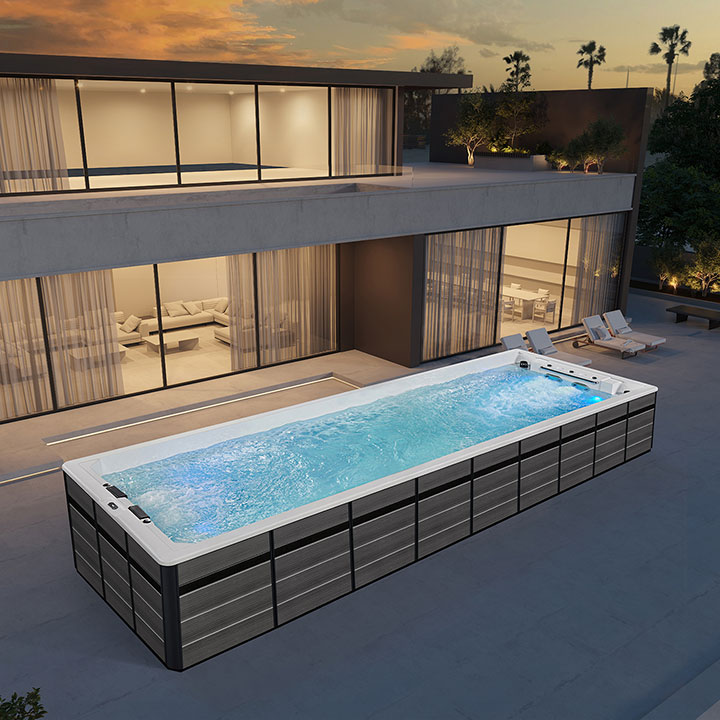
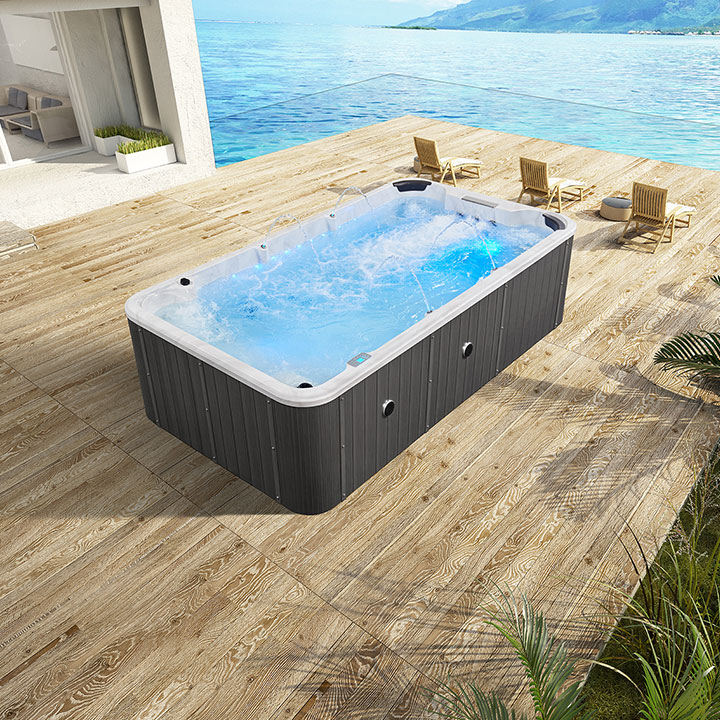
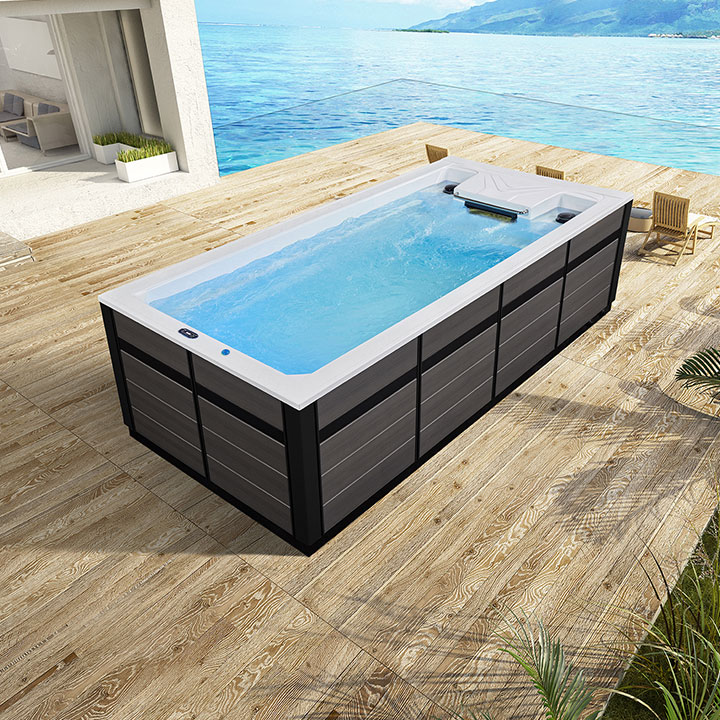
Victoria Star Swim Spa offers the perfect balance between exercise and relaxation, whether you want to swim for fitness or relax in the spacious seating.
Victoria Star Swim Spa offers the perfect balance between exercise and relaxation, whether you want to swim for fitness or relax in the spacious seating.