Cold Plunge Waiver: What Home and Facility Owners Need to Know
Home / News / Cold Plunge Waiver: What Home and Facility Owners Need to Know
October 01, 2026
Adding a cold plunge tub to a backyard, gym, or wellness studio raises a question many buyers overlook until it is too late: who is liable if something goes wrong during immersion. A cold plunge waiver addresses exactly that gap. It is a written agreement between the facility or equipment owner and the user, acknowledging the physical risks of cold water therapy before anyone steps in. This guide covers why waivers matter, what they should contain, and how equipment choice affects the risk you are actually signing up for.
Why Cold Plunge Waivers Exist
Cold water immersion is not a passive spa treatment. Dropping body temperature quickly triggers a cardiovascular response, and for some users that response can include irregular heart rhythms or a gasp reflex that leads to accidental water inhalation. Facilities offering this service, and even private owners hosting guests, carry legal exposure if someone experiences a medical event during a session.
A waiver does not eliminate risk. It documents that the participant understood the risk and chose to proceed anyway. Courts generally uphold these agreements when the language is clear, the risks are specifically named, and the signer had a real opportunity to ask questions first. Vague boilerplate copied from a generic gym waiver rarely holds up the same way.
This matters more for commercial operators than for someone plunging alone in their own backyard, but the underlying physiology is the same either way. Anyone bringing friends, clients, or paying customers into cold water should treat the waiver as part of the setup process, not an afterthought bolted on after an incident.
What a Solid Waiver Should Include
A generic liability release is not enough for cold immersion specifically. The agreement needs to name the actual risks involved so a signer cannot later claim they were not informed. At minimum, a cold plunge waiver should cover the following points.
Medical disclosure. A section asking the participant to confirm they have no heart conditions, uncontrolled blood pressure, Raynaud’s syndrome, or pregnancy-related restrictions that cold exposure could aggravate.
Risk acknowledgment. Plain language describing cold shock response, the possibility of hyperventilation, and the danger of extended immersion beyond recommended time limits.
Time and temperature guidance. A statement that the facility has explained recommended session length and water temperature, and that exceeding those limits is at the user’s own risk.
Emergency protocol. Confirmation that the participant knows how to exit the tub quickly and who to alert if they feel dizzy, numb, or short of breath.
Signature and date. Without this, the document has no enforceable weight regardless of how thorough the content is.
Facilities that skip the medical disclosure section are taking on risk they do not need to carry. A signature means little if the person signing never had the chance to flag a preexisting condition.
Waivers Alone Do Not Replace Good Equipment Design
Here is the part many buyers miss: a waiver shifts legal responsibility, but it does not reduce the actual chance of an accident. That comes down to the tub itself. A unit with a shallow, slippery entry step invites falls. A control panel with no clear temperature readout invites accidental overexposure. The equipment design and the waiver work together, not as substitutes for one another.
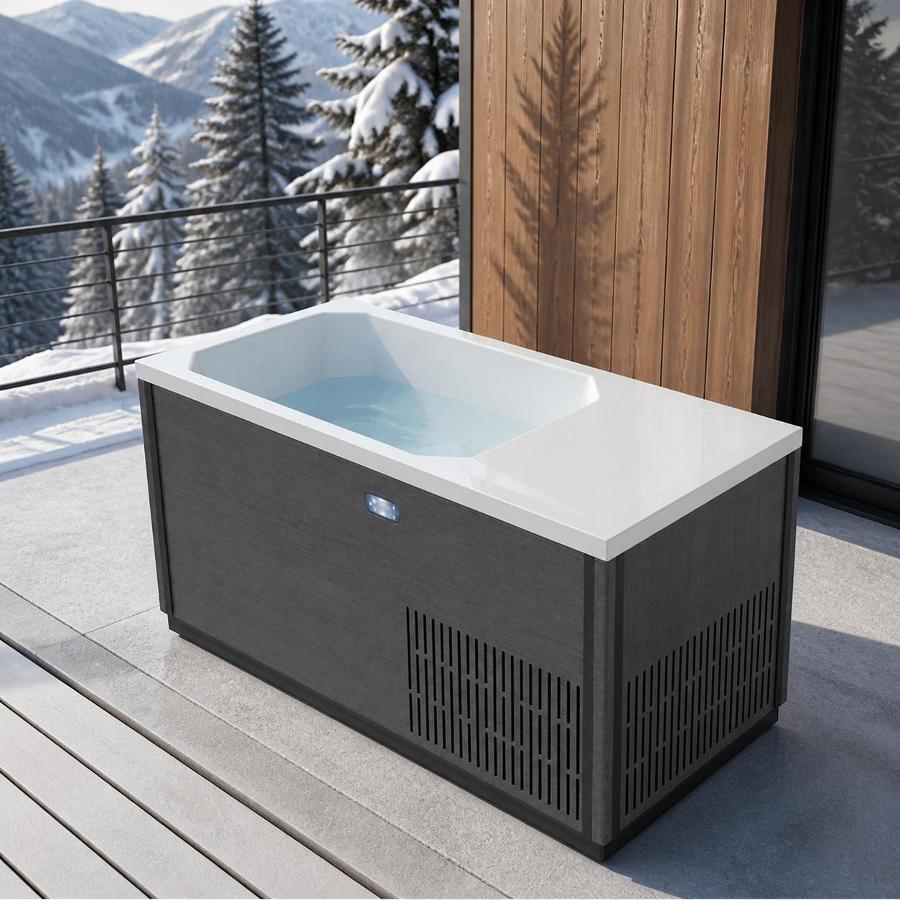
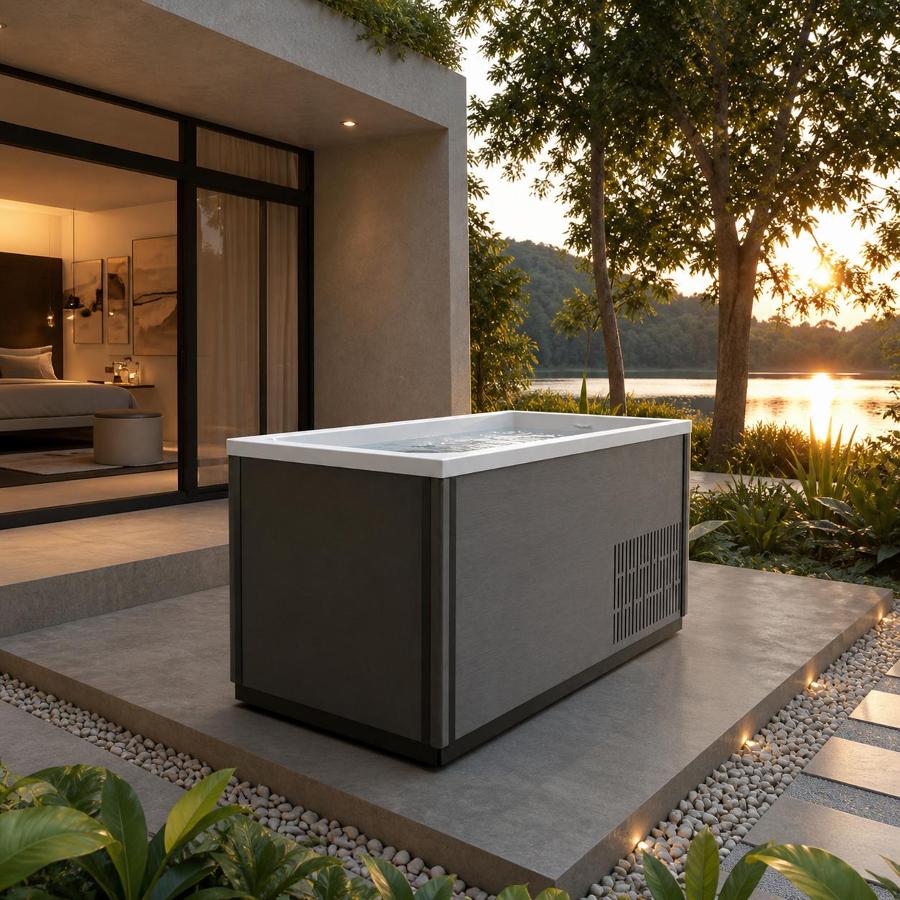
This is where the physical build of a cold plunge tub earns its place in the conversation. Take the Outdoor Cold Plunge Tub C02 as an example of how design choices reduce user error before a waiver even becomes relevant. It includes an ergonomic interior seating step, which gives users a stable, marked point to sit or stand rather than guessing at footing on a smooth basin floor.
The unit’s exterior digital control interface also matters here. Users and facility staff can read the water temperature directly rather than estimating it, which supports the "time and temperature guidance" section of the waiver mentioned above. A waiver that promises supervised temperature control means little if the equipment provides no visible readout to check.
How Temperature Regulation Ties Back to Risk
Cold water immersion therapy is understood to work through vasoconstriction, meaning blood vessels narrow in response to cold, followed by dilation once the body warms again. This cycle is thought to support circulation and may help reduce the muscle inflammation associated with intense exercise. The colder the water and the longer the exposure, the more pronounced the cardiovascular demand becomes, which is precisely why consistent, controlled temperature matters more than raw cold.
The C02 tub uses an integrated 900W heat pump system paired with a 54W brushless pump to maintain and regulate water temperature. This setup is designed to hold a consistent low temperature rather than letting it drift, which reduces the chance of a session unintentionally becoming colder or warmer than intended. Consistency here is a safety factor as much as a comfort one, since unpredictable temperature swings are harder for a user to prepare for mentally and physically.
Specification
Detail
Water Capacity
320 L
Heater Output
900 W
Pump
54 W brushless
Power Supply
0.954 KW
Shell Material
Porcelain acrylic
Cabinet Colors
Platinum, Midnight
Net Weight
140 KG
Where This Applies: Home vs. Commercial Settings
The waiver conversation looks different depending on where the tub lives. A private backyard installation carries lighter formal requirements, but homeowners hosting guests still benefit from a simple written acknowledgment, especially if alcohol or extended sessions are involved. Commercial and semi-commercial settings carry heavier obligations.
Private residential patios: Lower legal exposure, but a basic informal waiver protects against liability if a guest has an undisclosed condition.
Athletic training facilities: Higher exposure due to repeated use by multiple athletes; waivers should be renewed periodically and paired with staff trained in emergency response.
Commercial wellness centers and ice therapy studios: Highest exposure, since paying customers expect a duty of care; waivers here should be reviewed by legal counsel and updated whenever equipment or protocols change.
Resort and hospitality relaxation zones: Similar to commercial studios, with the added complexity of guests who may be unfamiliar with cold immersion entirely and need clearer verbal explanation alongside the written form.
Equipment built for durability outdoors matters across all four settings. The C02’s weather-resistant exterior cabinet and vented composite panels are intended to handle repeated outdoor exposure, which reduces the chance of mechanical failure becoming a safety incident during use.
Frequently Asked Questions
Does a cold plunge waiver protect against every possible lawsuit? No. Waivers reduce liability but do not eliminate it, particularly in cases of gross negligence, such as failing to maintain equipment or ignoring a disclosed medical condition.
Should home users bother with a waiver if they only use the tub themselves? Solo use does not require a waiver, but anyone inviting guests, especially in a rental property or shared living situation, should have a basic acknowledgment on file.
Does the type of tub affect what should be in the waiver? Yes. A tub with a heat pump control system, like the C02, allows for documented temperature settings, which supports more specific waiver language around session guidance.
How often should a commercial facility update its waiver? Whenever equipment, staffing, or protocols change, and at minimum on an annual basis to reflect current legal standards in the operator’s jurisdiction.
Choosing Equipment That Supports Safer Practice
Buyers evaluating a cold plunge tub for a home patio, training facility, or spa setting should weigh the waiver conversation alongside the physical specifications of the unit itself. A tub with a stable entry step, a visible digital control interface, and a reliable heat pump system gives both the operator and the user more confidence that sessions will run within intended limits.
The Outdoor Cold Plunge Tub C02, built with a 320-liter porcelain acrylic basin and a dedicated heat pump control system, is one example of equipment designed with this kind of practical use in mind, suited to backyard retreats, training centers, and boutique spas alike.
Whether the setting is a private courtyard or a commercial recovery studio, pairing solid equipment with a clearly written cold plunge waiver gives everyone involved a documented, informed starting point before the first session begins.
Victoria Star Swim Spa offers the perfect balance between exercise and relaxation, whether you want to swim for fitness or relax in the spacious seating.
Victoria Star Swim Spa offers the perfect balance between exercise and relaxation, whether you want to swim for fitness or relax in the spacious seating.