Cold Plunge vs Sauna: Which One Fits Your Recovery Routine
Home / News / Cold Plunge vs Sauna: Which One Fits Your Recovery Routine
September 26, 2026
Anyone comparing cold plunge vs sauna therapy is usually chasing the same goal: faster recovery and a calmer nervous system. Both practices have been used for generations, yet they work through opposite mechanisms. Understanding that difference matters more than picking a trend, because your body responds to heat and cold in distinct ways.
This guide breaks down what each therapy actually does, where the science holds up, and how to decide which one belongs in your weekly routine. Some people benefit from both, alternating between the two. Others find one suits their body and schedule better than the other.
What Cold Plunge Therapy Actually Does
Cold water immersion works by constricting blood vessels, a response called vasoconstriction. When you step into water typically between 50-59°F, your body redirects blood flow toward vital organs and away from the extremities.
This constriction is believed to help reduce localized inflammation after intense training. Athletes have relied on ice baths for decades, particularly after high-impact sessions like sprinting or heavy resistance work. The theory is straightforward: less swelling around stressed muscle tissue may translate into less soreness the following day.
There’s also a mental component that often gets overlooked. Cold exposure triggers a surge of alertness, partly tied to the release of endorphins and catecholamines. Many people describe a clearer, calmer headspace immediately after stepping out, even though the plunge itself feels far from relaxing in the moment.
What Sauna Therapy Actually Does
Sauna sessions push your body in the opposite direction. Heat dilates blood vessels, increases heart rate, and induces sweating, mimicking some of the cardiovascular responses seen during moderate exercise. This is why sauna use is sometimes described as passive cardiovascular conditioning.
The heat also relaxes muscle tissue rather than constricting it. That’s useful for chronic tightness or stiffness that isn’t tied to a specific workout, like tension built up from long hours at a desk. Sweating supports the body’s natural detox pathways, though it’s worth noting that the liver and kidneys still do the heavy lifting there.
Saunas tend to feel more immediately pleasant than cold plunges, which is part of why they’re easier to stick with as a long-term habit for some people.
Cold Plunge vs Sauna: Direct Comparison
Factor
Cold Plunge
Sauna
Primary mechanism
Vasoconstriction
Vasodilation
Typical temperature
50-59°F (10-15°C)
150-195°F (65-90°C)
Best timing
Post-workout, within a few hours
Anytime, including rest days
Session length
3-10 minutes
10-20 minutes
Immediate sensation
Sharp, alerting
Warm, sedating
Common use case
Acute muscle recovery
Chronic tension, relaxation
Neither option is objectively superior. They solve different problems, which is why the comparison isn’t really about winning, it’s about matching the tool to the need.
Why Timing Changes the Outcome
One detail that gets lost in most cold plunge vs sauna discussions is timing relative to exercise. Cold immersion immediately after strength training may blunt some of the muscle-building adaptations you’re working for, since inflammation plays a role in muscle repair. Sports scientists have flagged this tradeoff for athletes focused on hypertrophy.
Sauna use, on the other hand, doesn’t carry that same concern. It can be scheduled almost anywhere in your week without interfering with strength gains. This is a practical reason some coaches suggest saving cold plunges for recovery days or lighter training weeks, while keeping sauna sessions more flexible.
If your primary goal is endurance performance rather than muscle size, the calculus shifts again. In that case, cold exposure is less likely to interfere with your training adaptations.
Building a Contrast Therapy Routine
Alternating between hot and cold, often called contrast therapy, is common in physical therapy clinics and professional training rooms. The idea is that cycling vasoconstriction and vasodilation may stimulate circulation more than either extreme alone.
A simple approach some facilities follow:
Start with 10-15 minutes in the sauna to raise core temperature and loosen tissue.
Move directly into a cold plunge for 2-4 minutes.
Repeat the cycle two to three times, always finishing on cold for an alerting effect, or on heat for a calming one.
Rehydrate throughout, since both heat and cold sessions place real demand on the cardiovascular system.
This isn’t a requirement, and plenty of people get real benefit from doing just one or the other consistently. But if you have access to both, contrast cycling is worth testing over a few weeks to see how your body responds.
Choosing Equipment for Home Use
Once someone decides cold therapy fits their routine, the next question is usually about setup. A dedicated cold plunge tub removes the guesswork of ice bags and coolers, which is a real barrier for people trying to stay consistent.
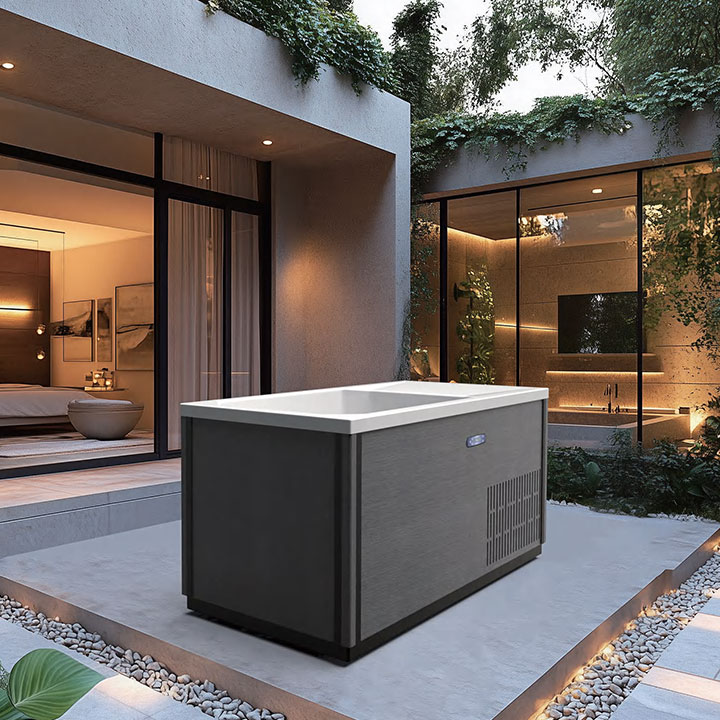
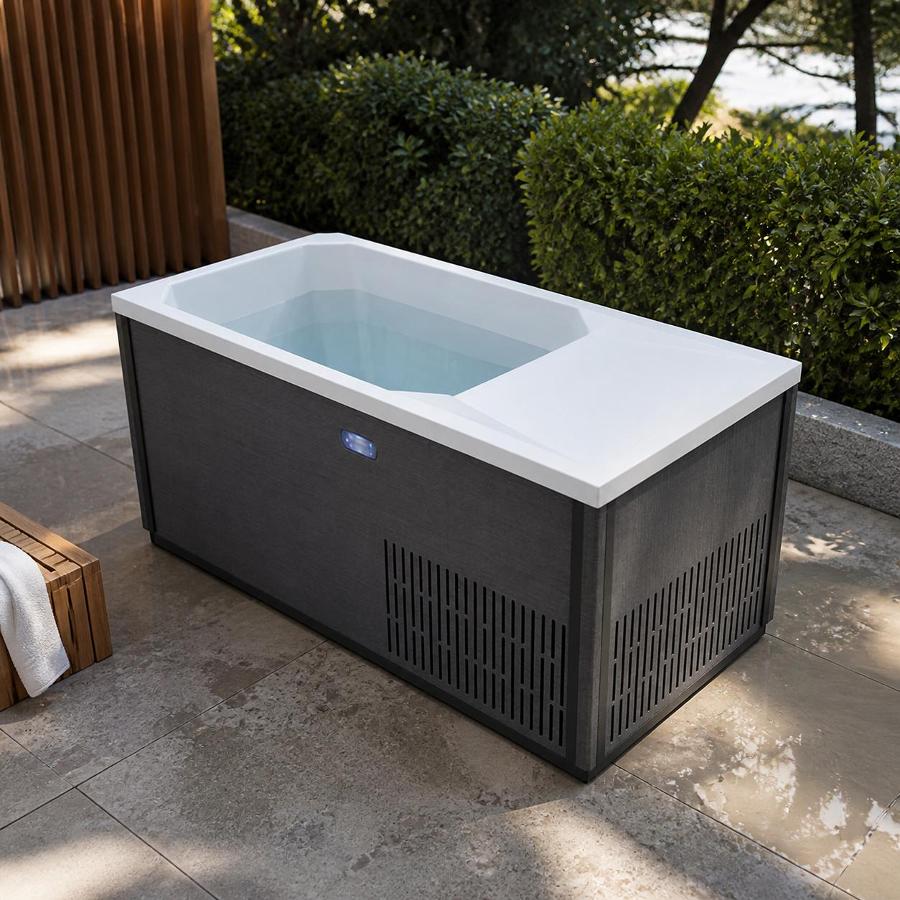
The Outdoor Cold Plunge Tub C02 is one example built specifically for this purpose. According to the product specifications, it runs on an integrated 900W heat pump paired with a 54W brushless pump, which the manufacturer states maintains a stable low-temperature immersion without manual ice refills. That consistency matters, because water temperature that drifts warmer over a session reduces the vasoconstriction effect you’re going after.
The tub holds 320 liters and includes an ergonomic interior step, which makes entry and exit easier, especially for daily users rather than occasional athletes. Its shell is a high-grade porcelain acrylic, chosen for a smooth interior surface, while the exterior cabinet is weather-resistant composite with vented panels, suited to year-round outdoor placement on a patio or deck.
At 1695 mm long and roughly 830 mm wide, the footprint fits comfortably on most backyard patios or training facility floors without requiring major structural changes. For facilities weighing cold plunge vs sauna installations side by side, space and plumbing requirements often become the deciding factor as much as the therapy itself.
Common Questions About Cold Plunge and Sauna Use
Can you do a cold plunge and sauna on the same day? Yes, many people do, though spacing sessions apart rather than jumping directly from a hard workout into a cold plunge followed by heat is usually more comfortable on the cardiovascular system.
Is cold plunge better than sauna for weight loss? Neither is a substitute for diet or exercise. Cold exposure may modestly increase calorie expenditure through thermogenesis, but the effect is small compared to structured training.
How cold does a cold plunge tub need to be to work? Most protocols reference the 50-59°F range, though individual tolerance varies. A tub with reliable temperature control, like a heat pump system, makes it easier to stay in that window consistently.
Do I need a professional facility, or can I use a home unit? Home units, including compact backyard tubs, can deliver the same core mechanism, cold water immersion, as a commercial ice bath. The main differences are capacity, insulation quality, and how precisely the temperature holds over repeated use.
Which One Should You Start With
If your main complaint is muscle soreness after training, start with cold immersion. If it’s general stress, poor sleep, or chronic muscle tightness unrelated to a specific workout, a sauna is probably the better entry point.
Budget and space also play a practical role. A quality cold plunge setup, like the C02 model with its integrated heat pump control, tends to require less structural work than a sauna install, which usually needs dedicated ventilation and electrical capacity.
For us, working with clients who eventually want both, we’ve noticed cold plunge tubs are often the first purchase simply because they’re easier to place outdoors on an existing patio.
There’s no wrong side to land on in the cold plunge vs sauna debate. Each therapy earns its place through a different physiological pathway, and the right choice depends on what your body is actually asking for that week, not which one trends louder online.
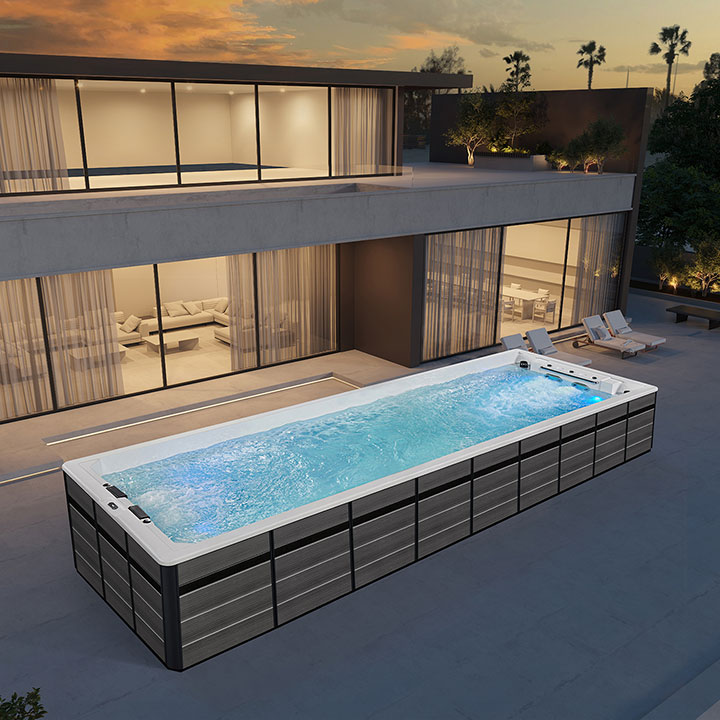
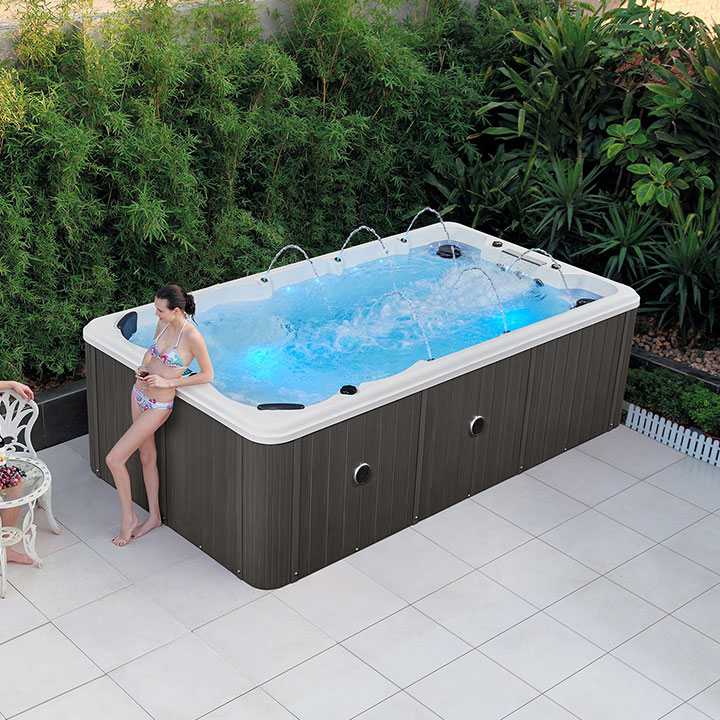
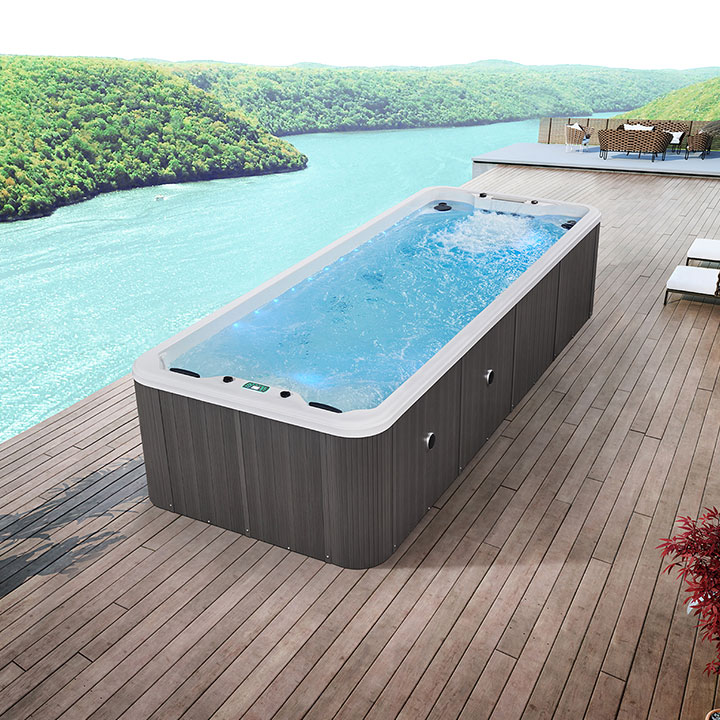
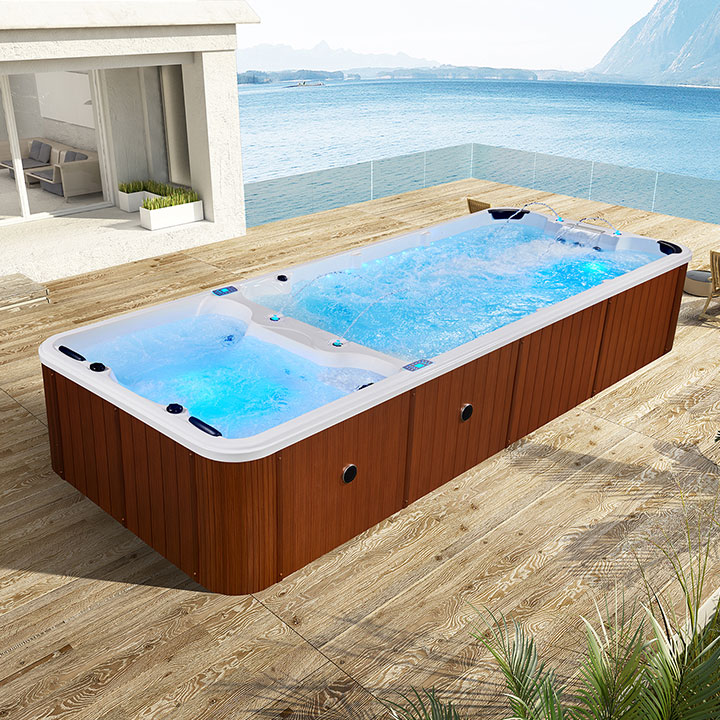
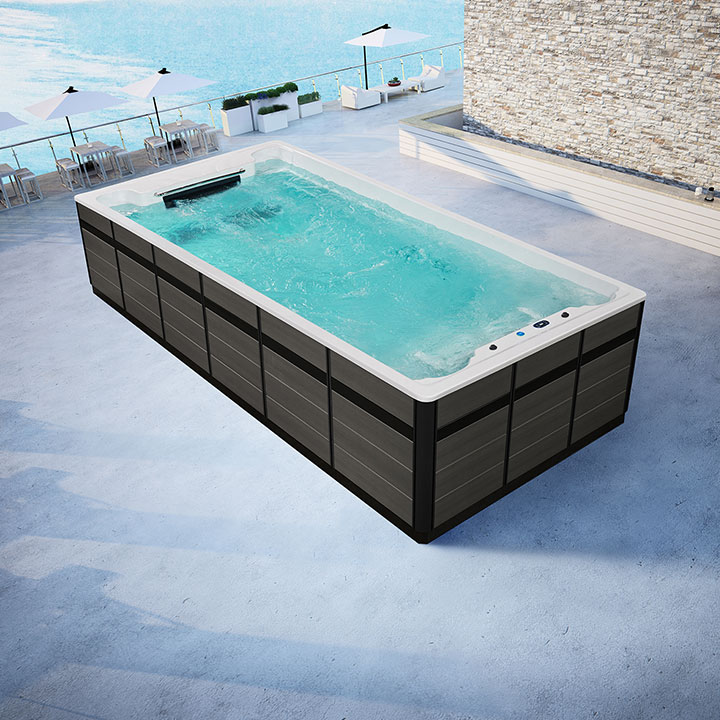
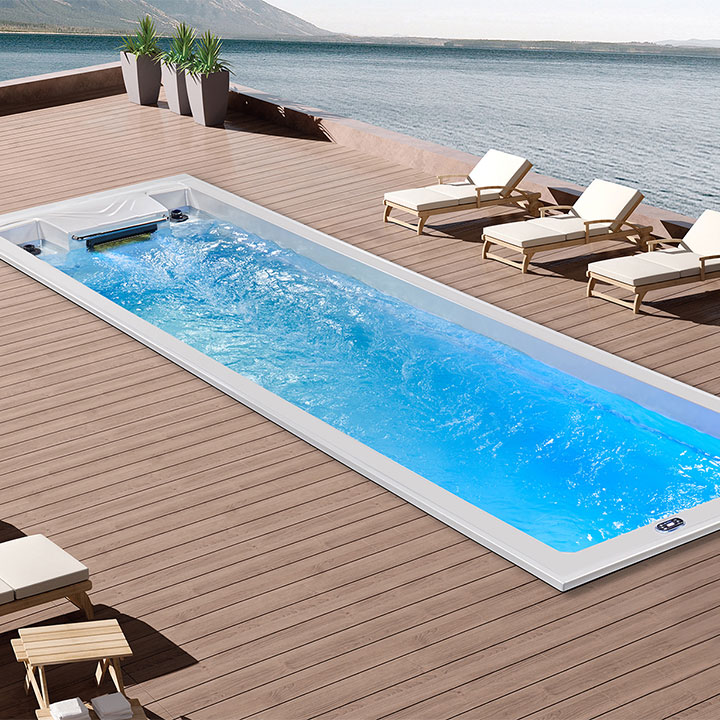
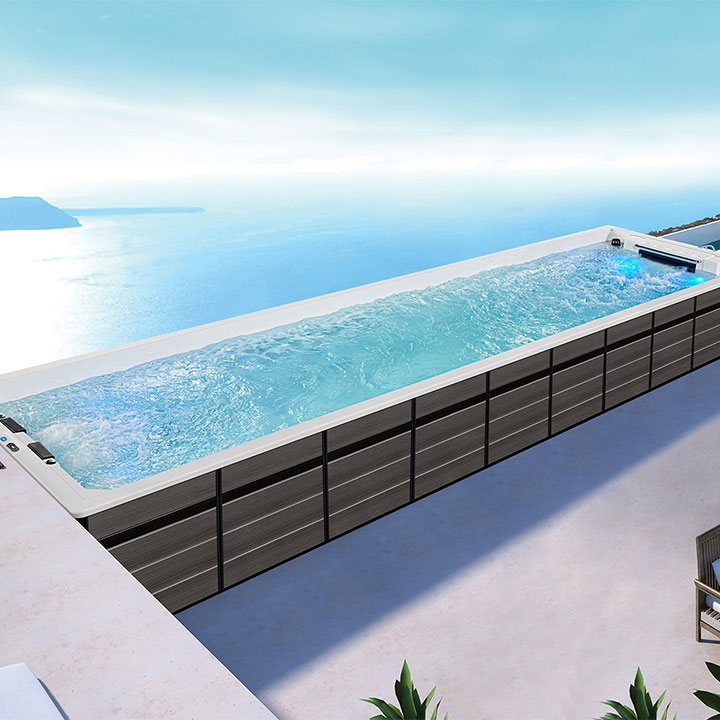
Victoria Star Swim Spa offers the perfect balance between exercise and relaxation, whether you want to swim for fitness or relax in the spacious seating.
Victoria Star Swim Spa offers the perfect balance between exercise and relaxation, whether you want to swim for fitness or relax in the spacious seating.