Cold Plunge vs Cryotherapy: Which Recovery Method Fits Your Routine
Home / News / Cold Plunge vs Cryotherapy: Which Recovery Method Fits Your Routine
October 01, 2026
Athletes and weekend warriors keep asking the same question after a hard session: cold plunge vs cryotherapy, which one actually works better? Both methods expose the body to extreme cold, but they do it in different ways and for different reasons. Understanding the mechanics behind each helps you decide where to invest your recovery time and money.
What Sets Cold Plunge and Cryotherapy Apart
A cold plunge involves full-body immersion in water, typically kept between 39°F and 59°F. Cryotherapy, on the other hand, uses cold air chambers that drop temperatures far lower, sometimes below -200°F, for a much shorter exposure window.
The core difference comes down to medium and duration. Water conducts heat away from the body faster than air, so a cold plunge session usually lasts two to ten minutes. Cryotherapy sessions run two to four minutes because the air, despite its extreme temperature, transfers cold less efficiently against skin.
This distinction matters more than most people realize. Water immersion cools the body’s core temperature more thoroughly, while air-based cryotherapy tends to target surface-level skin receptors without penetrating as deep into muscle tissue.
How Cold Water Immersion Affects the Body
Cold plunge therapy works primarily through vasoconstriction, the narrowing of blood vessels in response to cold. This process reduces blood flow to inflamed areas temporarily, which can help manage swelling after intense exercise.
Once you exit the water and begin warming up, blood vessels dilate again, pushing a fresh wave of oxygenated blood back into the muscles. This constriction and dilation cycle is often cited as one reason cold plunges get used for post-workout recovery.
There’s also a mental component worth mentioning. Cold exposure triggers a release of endorphins, which many people describe as a mood lift or a sense of mental clarity right after the session ends.
Muscle Recovery: Comparing the Two Approaches
Both methods aim to reduce muscle soreness, but the pathways differ slightly. Cold plunges rely on sustained water pressure and temperature to cool deeper tissue layers, which is why longer sessions are common practice among athletes.
Cryotherapy chambers cool the skin’s surface rapidly, and some users report faster perceived relief immediately after stepping out. However, because air doesn’t conduct cold as efficiently as water, the deeper muscle tissue may not cool as significantly during a standard cryo session.
Factor
Cold Plunge
Cryotherapy
Medium
Water
Cold air
Typical Temperature
39°F to 59°F
Below -200°F
Session Duration
2 to 10 minutes
2 to 4 minutes
Depth of Cooling
Deeper tissue penetration
Primarily surface-level
Setup Location
Home, gym, or facility
Specialized cryo facility
Equipment Investment
One-time tub purchase
Pay-per-session typically
This table isn’t meant to declare a winner. It’s meant to show that each method serves a slightly different physiological purpose, and your choice depends on what you’re trying to achieve.
Setting Up a Cold Plunge at Home
For people who want consistent access without booking appointments, a home cold plunge tub removes the biggest barrier: convenience. Sessions become part of a daily or weekly rhythm rather than an occasional treat.
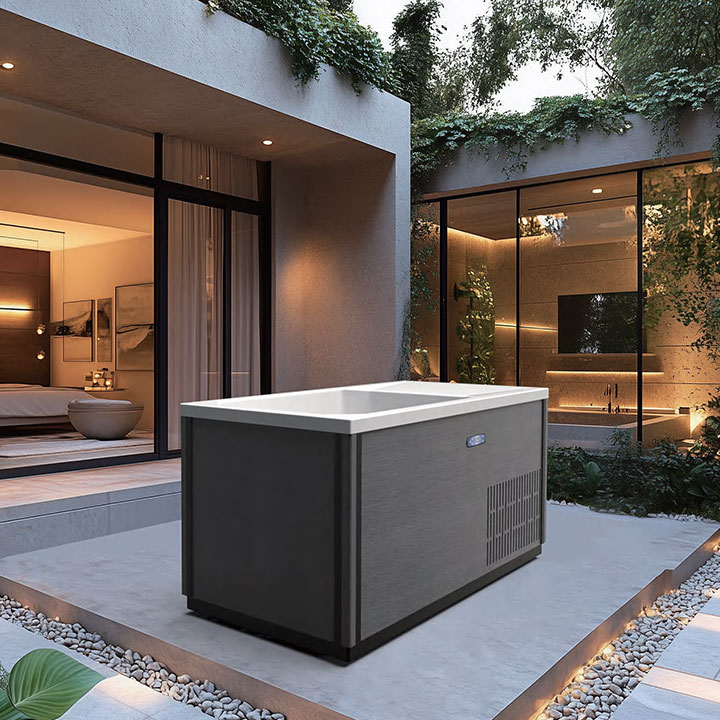
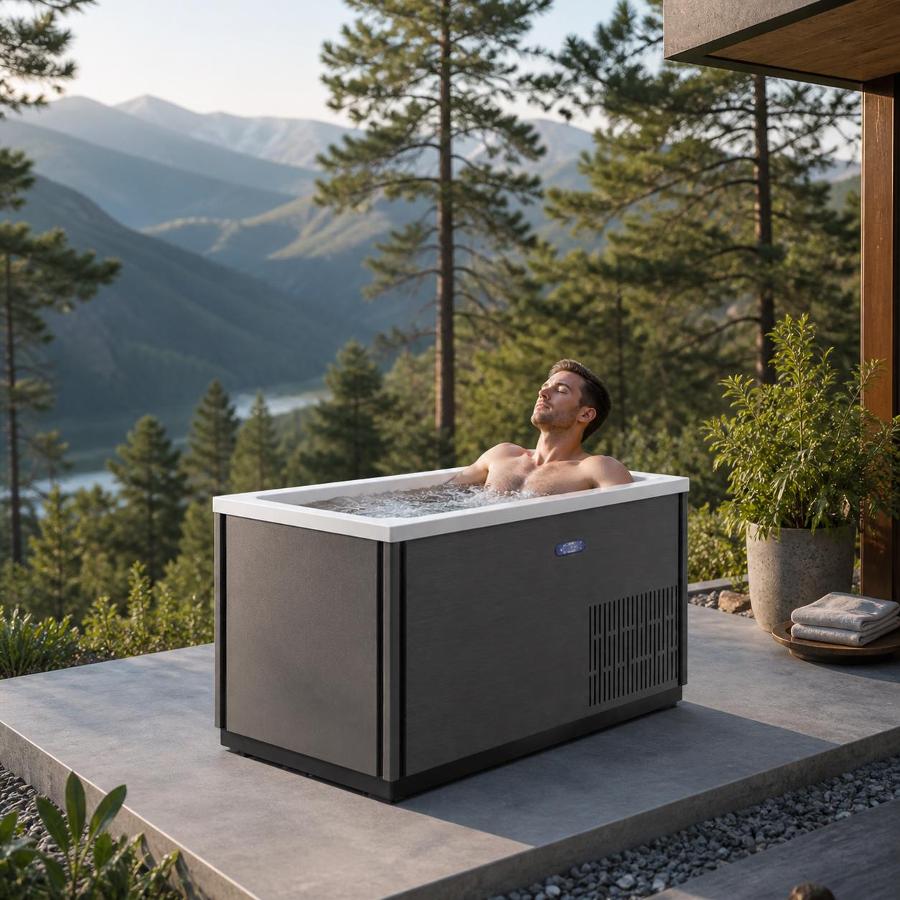
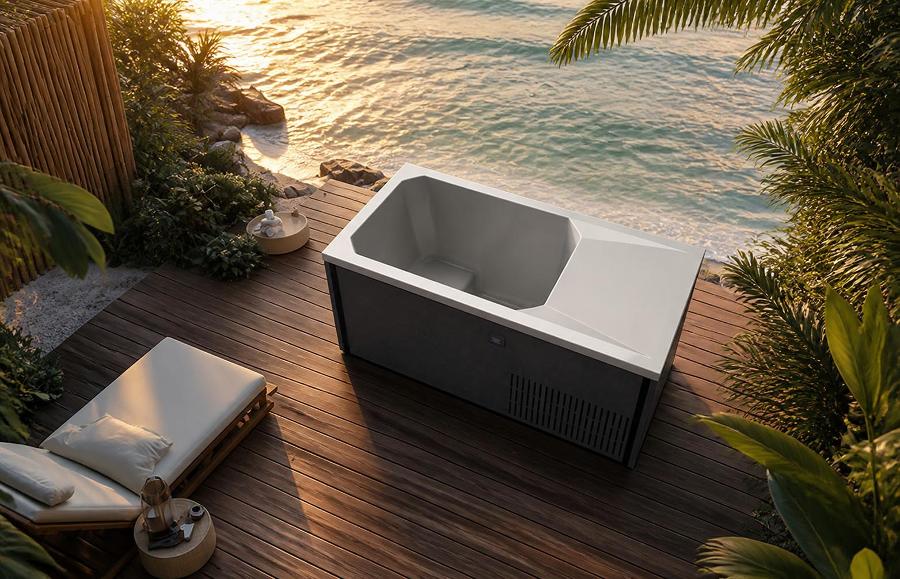
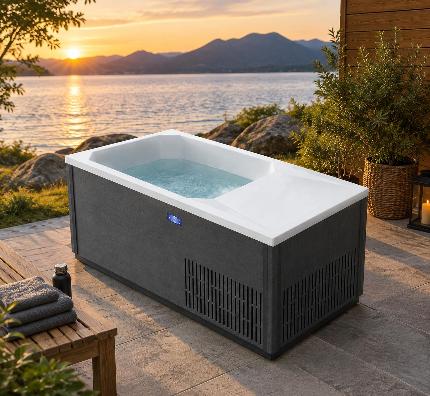
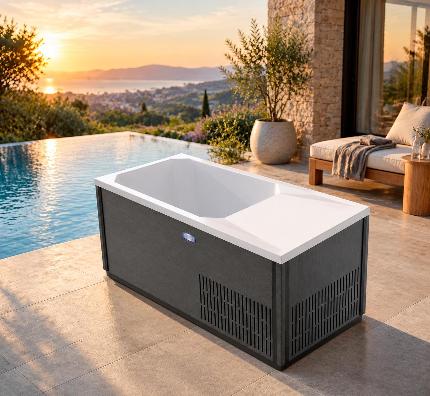
Modern tubs like the Outdoor Cold Plunge Tub C02 use an integrated heat pump system, in this case a 900W unit paired with a 54W brushless pump, to maintain consistent low temperatures without needing constant ice refills. That kind of setup matters because temperature drift can undermine the whole point of the session.
The tub holds 320 liters of water, enough for full immersion, and includes an ergonomic interior step so getting in and out doesn’t turn into a balancing act. According to the product’s technical documentation, the shell is made from a porcelain-finish acrylic, chosen for its smooth interior surface and resistance to daily wear.
Here’s what typically matters most when comparing home cold plunge tubs:
Temperature control consistency, since fluctuating water defeats the purpose
Interior comfort features like steps or seating, especially for longer sessions
Exterior durability if the unit stays outdoors year-round
Power draw and running cost over months of regular use
Included accessories, such as an insulated cover for heat retention between sessions
Why Location and Setting Actually Matter
It’s easy to overlook, but where you place a cold plunge tub affects how often you actually use it. A tub tucked in a spare corner gets used far less than one positioned somewhere pleasant.
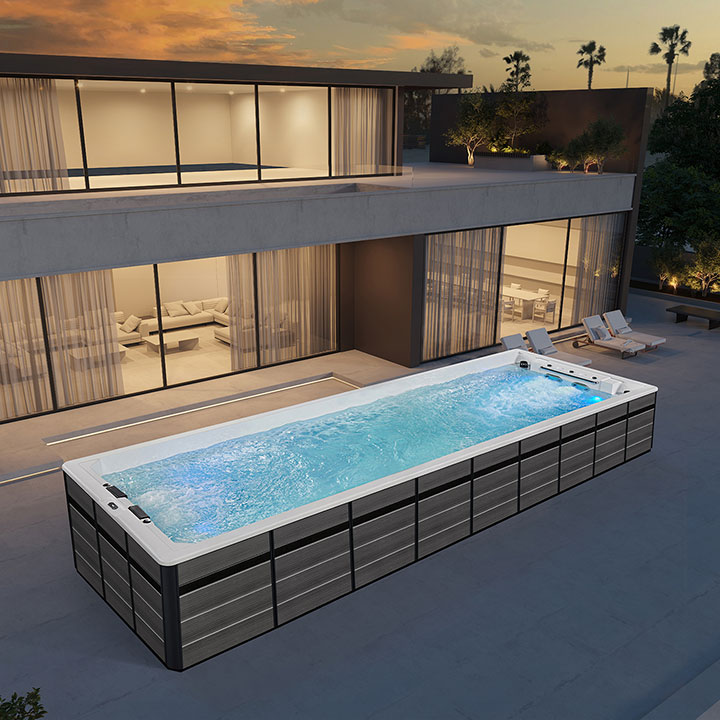
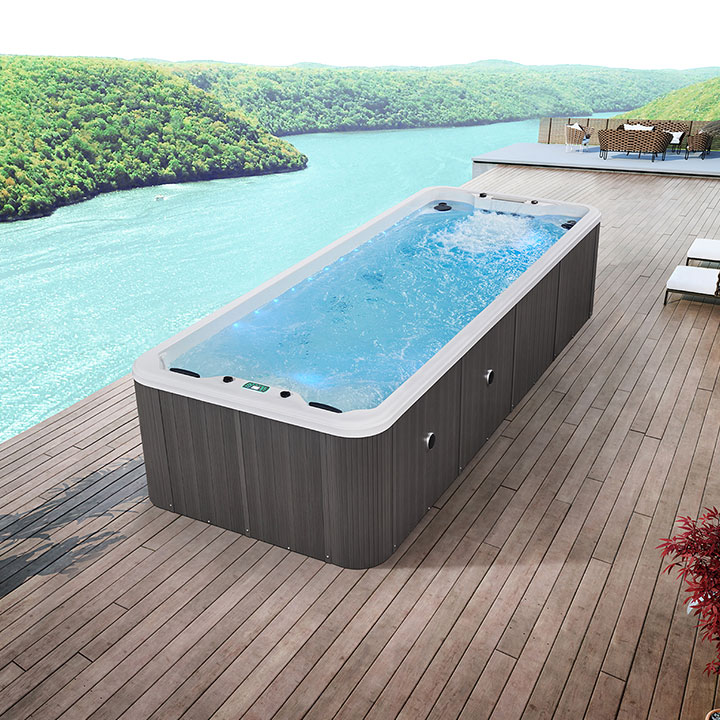
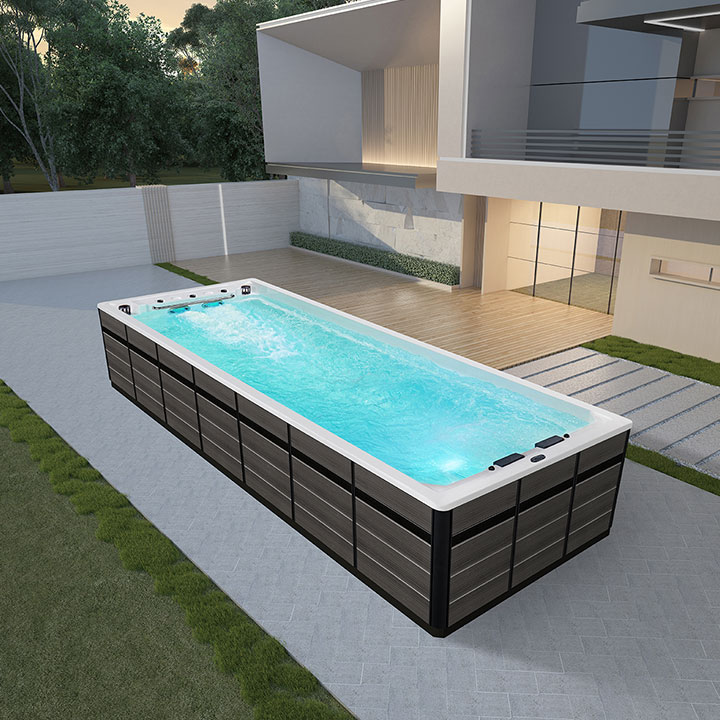
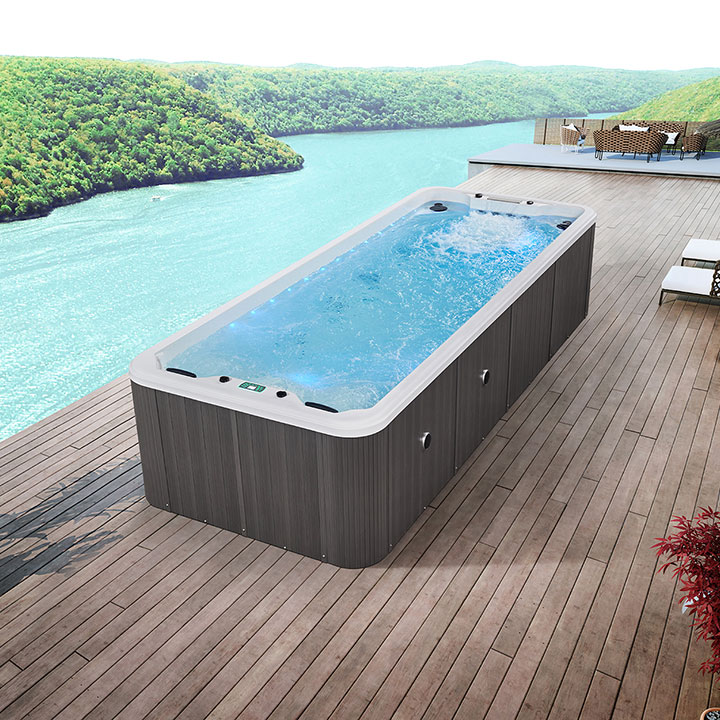
Backyard patios, coastal decks, and quiet courtyards all work well because they turn a recovery task into something closer to a ritual. This isn’t just aesthetic preference. Behavioral consistency drives results more than any single feature of the equipment itself.
Facilities built specifically for wellness, including sports recovery centers and boutique spas, apply the same logic at a larger scale. The C02 model’s weather-resistant composite cabinet panels, available in platinum or midnight tones, were designed with this kind of continuous outdoor exposure in mind.
Cardiovascular Response During Cold Exposure
Beyond muscle recovery, cold water immersion places a temporary load on the cardiovascular system. Blood vessels constrict, heart rate can shift, and the body works to preserve core temperature during exposure.
Over repeated sessions, some people report improved circulation, though individual cardiovascular responses vary and anyone with heart conditions should consult a physician before starting. This isn’t a claim unique to any single product; it applies broadly to cold immersion practices regardless of the equipment used.
Cryotherapy chambers produce a related but distinct response, since the body reacts to rapid surface cooling rather than sustained water pressure. Neither method should be treated as a substitute for medical treatment, and both work best as a complement to an existing training or recovery routine.
Choosing Between a Cold Plunge and Cryotherapy Session
The right choice usually comes down to three practical questions: how often you plan to use it, what budget you’re working with, and whether you prefer water or air-based cooling.
If you want frequent, low-cost access over time, a home tub often makes more financial sense than repeated cryo facility visits
If you’re located near a cryotherapy studio and only need occasional sessions, pay-per-visit pricing might suit your schedule better
If deeper tissue cooling matters for your specific recovery goals, water immersion typically achieves that more effectively than air chambers
If convenience and short session times are the priority, cryotherapy’s brief exposure window can fit tighter schedules
None of these points make one method universally superior. They simply clarify which option aligns with your lifestyle and recovery goals.
Frequently Asked Questions
Is cold plunge water temperature the same as cryotherapy air temperature? No. Cold plunge water typically ranges from 39°F to 59°F, while cryotherapy chambers often drop below -200°F using cold air rather than water.
Which method cools muscles more deeply, cold plunge or cryotherapy? Water conducts cold more efficiently than air, so cold plunge sessions generally reach deeper tissue layers compared to standard cryotherapy exposure.
Can I install a cold plunge tub outdoors year-round? Many modern tubs, including models with weather-resistant composite cabinets, are built for continuous outdoor placement, though local climate extremes should still be considered.
Do I need a heat pump system for a home cold plunge? An integrated heat pump helps maintain consistent low temperatures without manual ice refills, which is particularly useful for regular, scheduled use.
Final Thoughts on Picking Your Recovery Method
Deciding between cold plunge vs cryotherapy isn’t about finding a universal winner. It’s about matching the method to your body’s needs, your schedule, and how consistently you’ll actually follow through. Water immersion offers deeper, sustained cooling and the flexibility of home use, while cryotherapy delivers brief, intense surface-level exposure through specialized facilities. For those leaning toward a home setup, tubs like the Outdoor Cold Plunge Tub C02 combine a 900W heat pump, a spacious 320-liter basin, and weather-resistant construction to support a consistent, at-home cold plunge vs cryotherapy comparison built around real daily use rather than occasional visits.
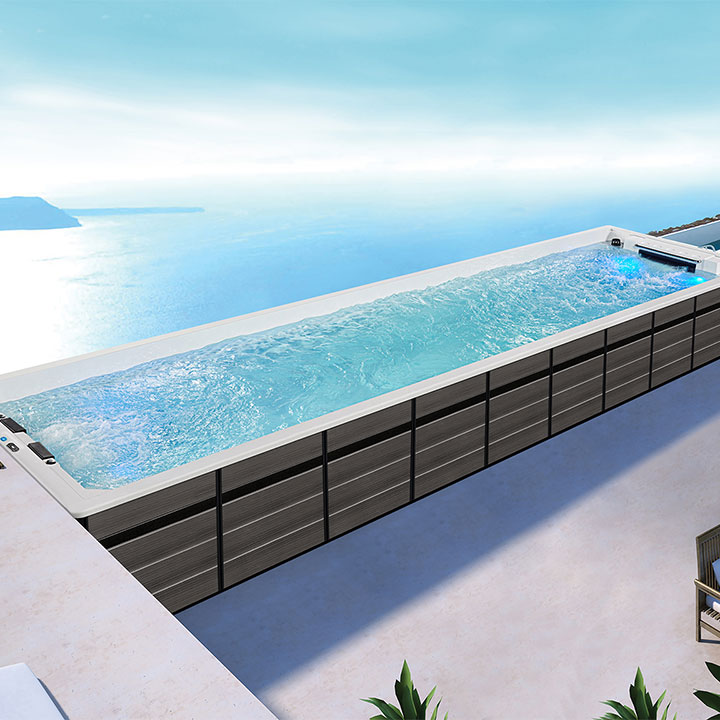
Victoria Star Swim Spa offers the perfect balance between exercise and relaxation, whether you want to swim for fitness or relax in the spacious seating.
Victoria Star Swim Spa offers the perfect balance between exercise and relaxation, whether you want to swim for fitness or relax in the spacious seating.