Cold Plunge Therapy Guide: Are Cold Plunges Good for You and Worth the Investment?
Home / News / Cold Plunge Therapy Guide: Are Cold Plunges Good for You and Worth the Investment?
November 04, 2026
Stepping into near-freezing water feels like an unnatural shock to the central nervous system, yet millions of people deliberately submerge themselves each morning. You might wonder, are cold plunges good for you or simply an uncomfortable wellness fad popularized by social media influencers? Understanding the physiological mechanics of cold water immersion helps separate legitimate physical conditioning from temporary hyperbole. While cold water induces powerful biochemical reactions, its actual value depends on your personal health goals, systemic tolerance, and overall physical condition.
Cold exposure operates as a hormetic stressor, presenting a controlled challenge that prompts physiological adaptation. When you drop below the surface, peripheral blood vessels constrict almost instantly, driving circulation inward to preserve core internal temperature. This immediate circulatory shift alters neurotransmitter production, perceived pain signals, and muscular inflammation profiles. Examining how these bodily mechanisms respond under laboratory settings reveals what cold water immersion can realistically accomplish for your daily recovery routine.
The Core Science: How Cold Water Immersion Affects Human Physiology
Acute Vascular Responses and the Peripheral Shunt
Submerging your limbs into water below 15°C triggers immediate cutaneous vasoconstriction, which rapidly narrows peripheral vascular beds. Smooth muscle tissue lining your arterioles contracts, shifting blood volume away from the skin surface toward internal organs. Think of this mechanism like a protective domestic plumbing valve diverting flow to keep essential core machinery warm during a severe winter freeze. This acute circulatory redistribution can temporarily raise central blood pressure and changes blood flow near the skin and immersed tissues.
After exposure, peripheral blood flow may change as the skin rewarms, but the magnitude and pattern vary by body region, temperature, and exposure time. Cold exposure changes local blood flow and can reduce pain perception and some measures of post-exercise soreness, though the precise mechanisms behind these effects remain under investigation.
Neurochemical Shifts: Norepinephrine and Systemic Alertness
Sudden thermal drops stimulate cutaneous cold receptors, sending rapid electrical impulses across peripheral sensory nerves directly into the central brainstem. This sensory influx triggers an immediate release of norepinephrine from the sympathetic nervous system and the locus coeruleus. Cold exposure increases sympathetic arousal and can raise norepinephrine. Some people feel more alert afterward, but sustained improvements in cognition or attention are not established and individual responses vary.
Cold exposure can increase sympathetic arousal and norepinephrine, but evidence for sustained dopamine elevation and improved cognition after cold plunges is limited. The neurochemical changes primarily reflect an acute stress response rather than a guaranteed cognitive enhancement. Such neuroendocrine modulation accounts for why some regular practitioners report feeling composed and alert, though individual responses vary widely.
Quantified Health Outcomes: What Recent Clinical Research Actually Shows
Post-Exercise Muscle Soreness and Markers of Structural Damage
Athletes frequently turn to cold water immersion to soothe severe delayed onset muscle soreness following intense training sessions. Clinical evaluations demonstrate that post-workout cold immersion meaningfully reduces subjective sensations of muscle tenderness over a 24 to 48-hour recovery window. In tandem with reduced perceived discomfort, researchers sometimes observe modest reductions in blood creatine kinase, an indirect marker associated with exercise-related muscle damage. Diminishing these acute soreness signals enables athletes to maintain greater training compliance throughout multi-day competitions.
However, lowering muscle soreness does not necessarily equate to complete functional recovery or instantaneous restoration of maximal mechanical power. While subjective pain scores improve noticeably, objective performance metrics like vertical jump height or dynamic torque output may take longer to return to pre-exercise baselines. Cold water immersion excels at easing daily discomfort, but it should not be treated as a magical substitute for adequate caloric intake, proper hydration, and sound sleeping habits.
Systemic Inflammation versus Long-Term Muscular Hypertrophy
Understanding the nuanced distinction between systemic inflammatory relief and muscular adaptation is essential for anyone engaged in regular strength training. Resistance training creates mechanical and metabolic signals that can increase mTORC1-related protein-synthesis activity. Muscle damage and inflammation may accompany some training protocols, but they are not required for muscle hypertrophy. Repeated, immediate cold immersion after resistance training may attenuate some signaling and long-term hypertrophy adaptations in certain protocols.
Training Target
Timing Relative to Workout
Primary Physiological Mechanism
Expected Outcome
Pure Strength & Hypertrophy
Consider separating from lifting
May preserve natural anabolic signaling and muscle protein synthesis
Avoids potential blunting of muscle growth and structural remodeling
High-Volume Endurance
10 to 30 minutes post-session
Accelerates core cooling and may reduce perceived fatigue
May aid cardiovascular comfort and perceived readiness for next session
Tournament Congestion
Immediate post-competition
May reduce localized tissue swelling and tenderness
Prioritizes acute perceived recovery over long-term structural adaptation
Frequent or immediate cold immersion after resistance training may reduce some long-term strength or hypertrophy adaptations, especially in certain protocols. If muscle growth is the priority, consider separating cold immersion from lifting rather than applying a fixed delay that has not been universally established. Conversely, endurance athletes with closely spaced events may use cold immersion when rapid perceived recovery is more important than maximizing every long-term training adaptation.
Mental Resilience, Perceived Stress, and Immune System Limits
Some practitioners report that controlled cold exposure helps them practice calm breathing during an intense but brief stress response. Evidence that it builds generalized mental resilience remains limited. Submerging into cold water triggers an initial gasp reflex and a strong psychological urge to jump out immediately. Slow, controlled breathing may help manage the initial hyperventilation and improve comfort, but cold plunges should not be presented as a proven treatment for anxiety or a guaranteed way to build psychological resilience. This mental conditioning forms part of the psychological appeal for thousands of active plungers.
Clinical evidence regarding long-term immune system modulation remains modest. Although brief thermal drops stimulate transient elevations in circulating leukocytes and natural killer cell activity, these temporary fluctuations do not make you impervious to seasonal viruses. Cold therapy serves as a behavioral training tool for some individuals seeking to cultivate calm composure under stress, yet it cannot replace medical therapies for clinical mood disorders or chronic immune issues.
Assessing the Risks: Who Should Avoid Sudden Cold Water Exposure?
The Cold Shock Response and Hyperventilation Hazards
Sudden total body immersion into cold water triggers an involuntary gasp reflex, often followed by rapid, uncontrollable hyperventilation. If your head dips underwater during this initial shock reflex, involuntary aspiration of water can happen within a fraction of a second. This response can sharply increase breathing, heart rate, and systemic blood pressure, which may be dangerous for susceptible individuals. Navigating this initial shock requires entering the water smoothly while actively regulating your respiratory rhythm.
Unprepared individuals may experience lightheadedness, disorientation, or peripheral numbness if they attempt prolonged exposure too early in their practice. As your body directs blood volume inward, surface nerves in the fingers and toes experience transient sensory blunting. Entering cold water safely demands a controlled environment with firm footing, eliminating the physical hazards of slippery, natural embankments or open, unmonitored currents.
Cardiovascular Contraindications and Pre-Existing Vascular Fragility
The combined surge in sympathetic nerve activity and systemic peripheral resistance causes an abrupt spike in heart rate and systolic blood pressure. For a healthy cardiovascular system, this transient stress test resembles a brief sprint uphill on a steep running track. However, for individuals managing pre-existing cardiac conditions, this sudden cardiac workload can heighten the risk of arrhythmias, myocardial ischemia, or severe vasospasms. Anyone with high blood pressure, coronary artery disease, or structural heart irregularities must seek medical evaluation before beginning cold immersion.
Uncontrolled arterial hypertension or diagnosed systemic peripheral vascular pathology
History of cardiac arrhythmias, ischemic heart disease, or past myocardial events
Diagnosed Raynaud’s phenomenon, where digital vasospasm causes painful tissue ischemia
Pregnancy, especially for anyone new to cold-water immersion or experiencing pregnancy complications; discuss cold exposure with the obstetric care team because maternal blood pressure and fetal heart-rate responses require individualized assessment
Neuropathic disorders that reduce localized sensory perception or impair internal thermoregulation
Protocol Design: Finding the Right Balance Between Exposure Time and Temperature
Temperature Thresholds: Why Colder Does Not Always Mean Better
A common mistake among newcomers is assuming that colder water automatically delivers faster, superior therapeutic benefits. Many studies use approximately 10°C to 15°C, but the ideal temperature and duration remain uncertain and should be adjusted conservatively to the user’s health status and tolerance. Near-freezing water generally increases cold stress and discomfort, while no universally superior temperature has been established for routine recovery. Starting within an accessible, moderate temperature range lets your body build steady cold tolerance safely.
When water temperature is stable, sessions are easier to monitor and compare. The body’s vascular and thermoregulatory responses still vary with temperature, exposure time, and individual acclimation. Near-freezing temperatures can intensify cold shock and make breathing harder to control, which increases discomfort and safety risk.
Immersion Duration, Breathing Techniques, and Acclimation Steps
Prepare mentally beside the tub by practicing four-second nasal inhalations paired with extended, smooth six-second oral exhalations.
Step deliberately into the water up to your upper chest while sustaining your measured exhalation pattern without pausing.
Keep your face and airway above the waterline. Do not submerge your face or hold your breath, because facial cold exposure and breath-holding can add diving-response and cardiovascular stress.
Remain still initially while monitoring your breathing, balance, and symptoms.
Step out smoothly using stable access steps once your allotted session target is reached, avoiding sudden twisting movements.
Beginners should use short, supervised exposures at a moderate temperature and stop immediately for dizziness, chest discomfort, uncontrolled breathing, confusion, or marked numbness. There is no universally safe duration for everyone. Consistency yields far better long-term results than attempting excessively long immersions right away.
Post-Plunge Rewarming: Passive Heating versus Active Movement
How you manage the post-immersion period shapes the overall physiological benefits of your plunge session. After exiting, dry off, put on warm clothing, and rewarm gradually. Do not use extreme heat or continue the session if you have persistent shivering, confusion, weakness, or impaired coordination; seek medical help when symptoms are significant.
Dry your skin thoroughly with a clean cotton towel, slip into warm, layered clothing, and drink a mug of warm herbal tea. Light calisthenics, such as slow bodyweight squats or a brisk walk across the room, gently stimulate natural blood flow without overtaxing fatigued joints. This natural warming protocol leaves you feeling refreshed and alert.
Translating Science into Practice: Equipment Requirements for Controlled Cold Immersion
The Reality of Ice Management versus Integrated Heat Pump Systems
Ice-based setups require repeated temperature checks and manual ice management, and their temperature can vary with ambient conditions and the amount of ice added. Beyond the hassle of hauling heavy ice bags, maintaining a consistent temperature throughout your session demands dedicated attention. Maintaining consistent cold requires equipment that can actively regulate temperature rather than relying solely on passive cooling.
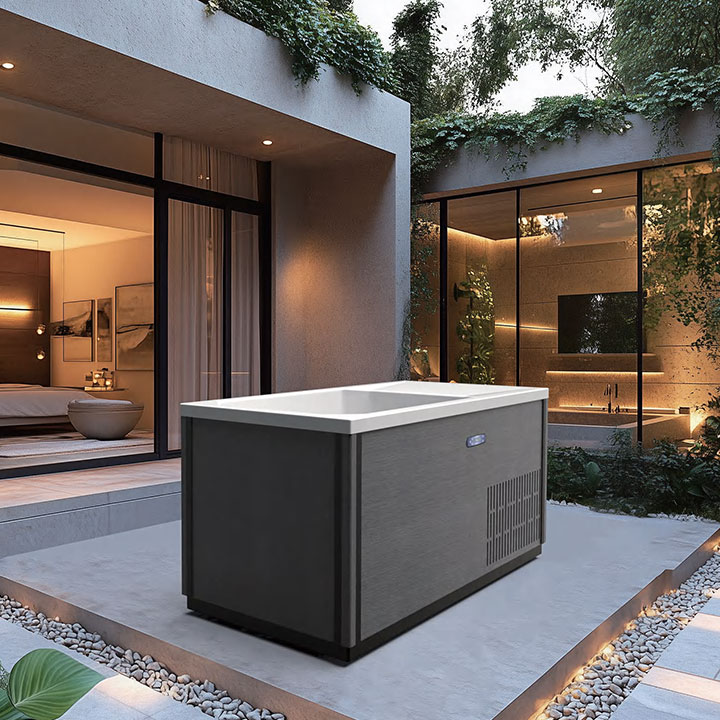
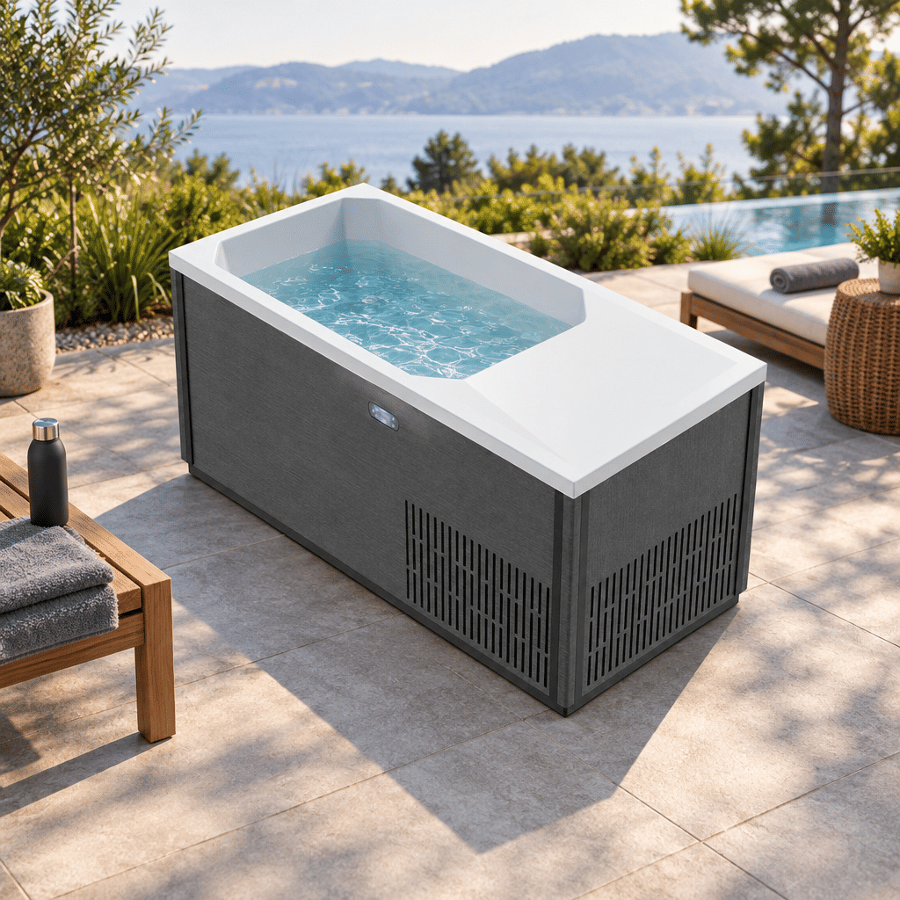
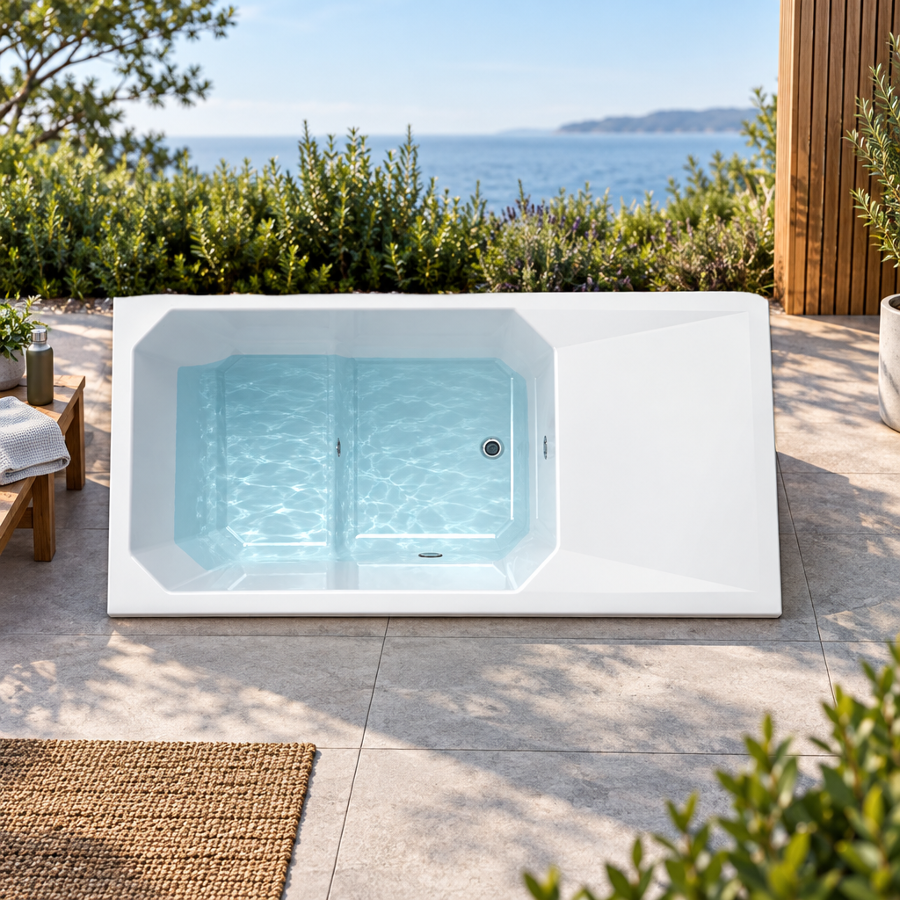
For those seeking a reliable setup, dedicated systems like the Outdoor Cold Plunge Tub C02 may reduce reliance on manually added ice through purpose-built mechanical design. The C02 is specified with an integrated 900W heat-pump system and 54W brushless pump, which may reduce reliance on manually added ice. Confirm the unit’s actual temperature range, filtration, sanitation requirements, and cooling performance with the manufacturer. Drawing a modest total power supply of 0.954 KW, this integrated layout aims to keep water chilled, ensuring your tub is ready whenever you need to plunge.
Material Durability, Structural Ergonomics, and Water Management
Outdoor durability and cleaning performance depend on the tub’s material, construction, UV exposure, and water-care routine. In contrast, the C02 is specified with a white acrylic or porcelain shell and an exterior composite cabinet, available in Platinum or Midnight finishes. Measuring 1695 mm by 830 mm by 850 mm, the 320-liter basin includes an integrated step that may assist entry and positioning. Users should confirm that the tub’s dimensions provide a stable seated posture with the airway comfortably above the water.
Water cleanliness is another critical factor when maintaining an ambient cold bath across multiple weeks of continuous home use. Standing cold water accumulates exfoliated skin cells, ambient outdoor dust, and body oils, requiring proper water-care procedures. Before purchase, confirm the tub’s filtration and sanitation system, then follow the manufacturer’s water-care schedule. The 140 kg tub plus approximately 320 kg of water creates an estimated operating load of about 460 kg, before accounting for users or accessories. Verify the finished load and foundation requirements with the installer. Professional tubs demand a stable, level foundation alongside an included insulated cover to prevent thermal loss between sessions.
Evaluating Placement Scenarios: Backyards, Training Facilities, and Wellness Retreats
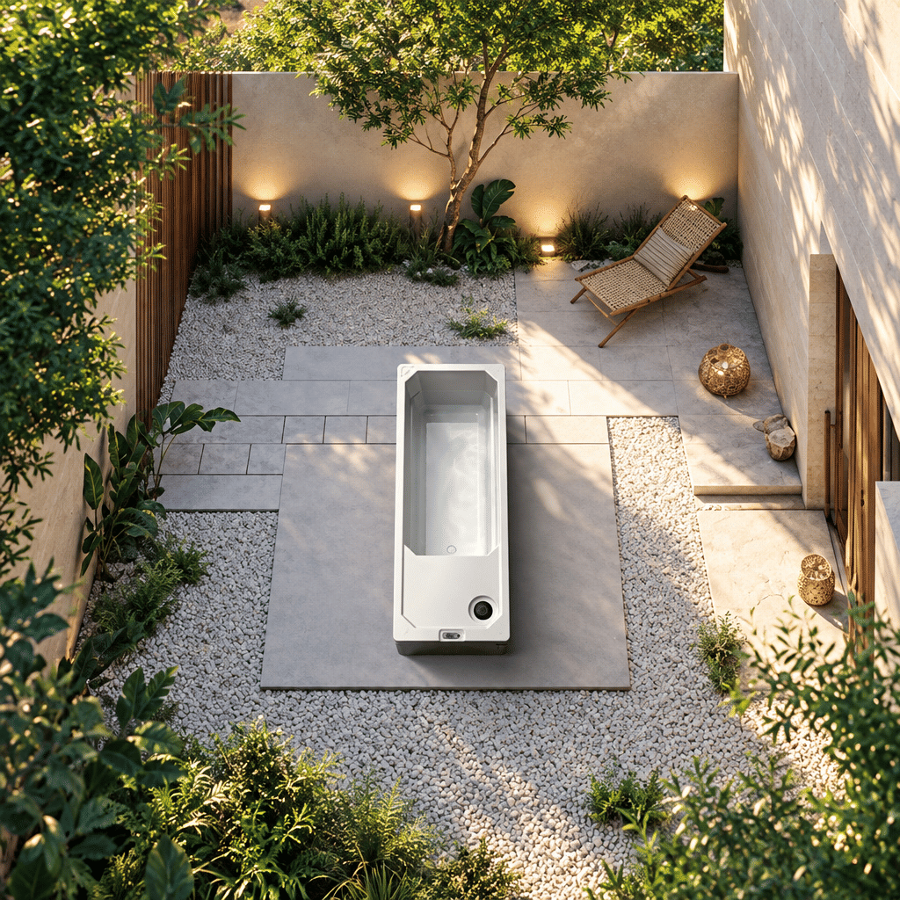
Different functional settings require tailored considerations for plumbing accessibility, electrical delivery, and daily physical foot traffic. Private backyard patios demand quiet mechanical operation so you can plunge in peace without disturbing household members or close neighbors. In athletic training facilities and commercial spas, tubs require rugged exterior cabinetry that withstands heavy daily turnover, wet foot traffic, and frequent sanitization cycles.
At Victoria Star, our manufacturing background in luxury hot tubs and swim spas guides how we balance hydrotherapy features with durable residential design. For us, building tubs with integrated digital controls and reliable mechanical layouts ensures that incorporating cold therapy into your daily life remains straightforward and rewarding. Whether placed on a private coastal deck or in a dedicated boutique gym, having dependable equipment lets you focus entirely on your physical recovery.
Frequently Asked Questions (FAQs)
Are cold plunges good for you if you do them every single day?
Some healthy adults may tolerate frequent cold plunges, but evidence does not establish a universally safe daily schedule. Frequency should remain conservative and should be reduced or stopped if symptoms occur; people with medical conditions should obtain individualized advice. However, daily immersion may not suit athletes focusing primarily on maximal muscular hypertrophy, as constant exposure can blunt natural muscle repair signaling. Alternating plunge days or aligning sessions with cardiovascular and active recovery days often provides the best functional balance.
Should you take a cold plunge immediately after heavy resistance training?
If your main fitness goal is building muscle size and raw strength, you should consider the timing of cold immersion carefully. Cold immersion may blunt some of the anabolic signaling pathways that drive long-term muscle fiber growth. Consider separating your cold water session from strength workouts, or save your plunge for scheduled rest days.
How cold does the water need to be to trigger physiological adaptation?
Water temperatures do not need to sit near freezing to produce genuine biological effects. Many studies use approximately 10°C to 15°C, but the ideal temperature and duration remain uncertain and should be adjusted conservatively to the user’s health status and tolerance. Starting within this moderate range allows you to adapt comfortably while minimizing extreme cardiovascular stress.
Can cold plunges replace traditional active recovery and sleep?
Cold water immersion serves as a supplemental recovery tool rather than a replacement for foundational lifestyle habits. A cold tub cannot replace the tissue repair that happens during deep, restorative sleep, nor can it provide the nutrient delivery achieved through balanced sports nutrition. Treat cold therapy as an effective addition to, rather than a substitute for, good sleep, clean nutrition, and low-intensity movement.
What key maintenance is needed for a residential outdoor cold plunge tub?
Maintaining an outdoor cold tub requires keeping water clear, maintaining mechanical water flow, and preventing heat gain. Using a dedicated insulated cover keeps falling leaves, rainwater, and direct sunlight from affecting the system. Before purchase, confirm the tub’s filtration and sanitation system, then follow the manufacturer’s water-care schedule to ensure your water stays clear and ready for daily use.
Conclusion: Making an Informed, Objective Decision for Your Routine
Evaluating whether are cold plunges good for you requires balancing validated physiological responses against personal physical objectives. Controlled cold water immersion can deliver benefits: it may reduce pain perception after exercise, reduce some post-workout soreness, and provide a training stimulus for managing acute physical stress. However, achieving these effects requires consistent temperature regulation, respect for your body’s cardiovascular limits, and sensible timing relative to your resistance training workouts. A purpose-built tub such as the C02 may make temperature management and repeated use more convenient, but its health value still depends on appropriate exposure, individual risk factors, maintenance, and realistic expectations.
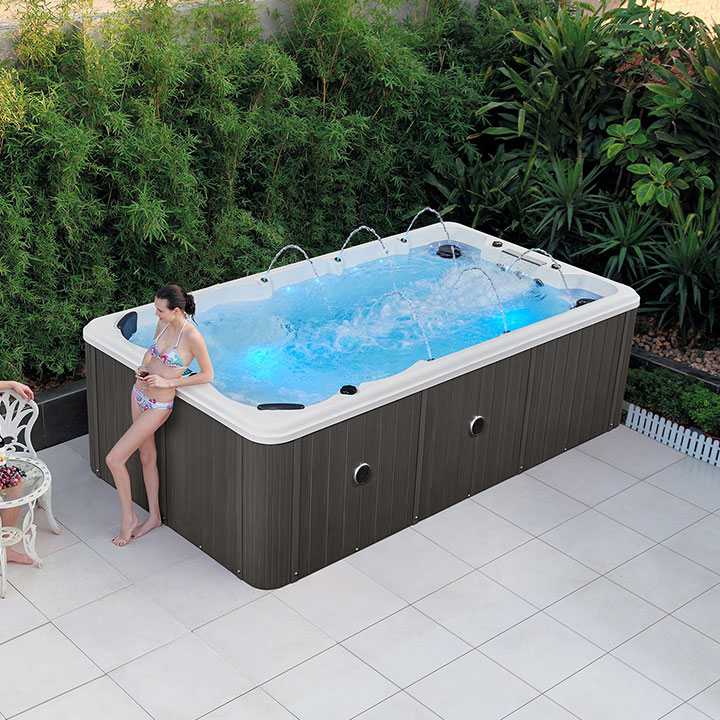
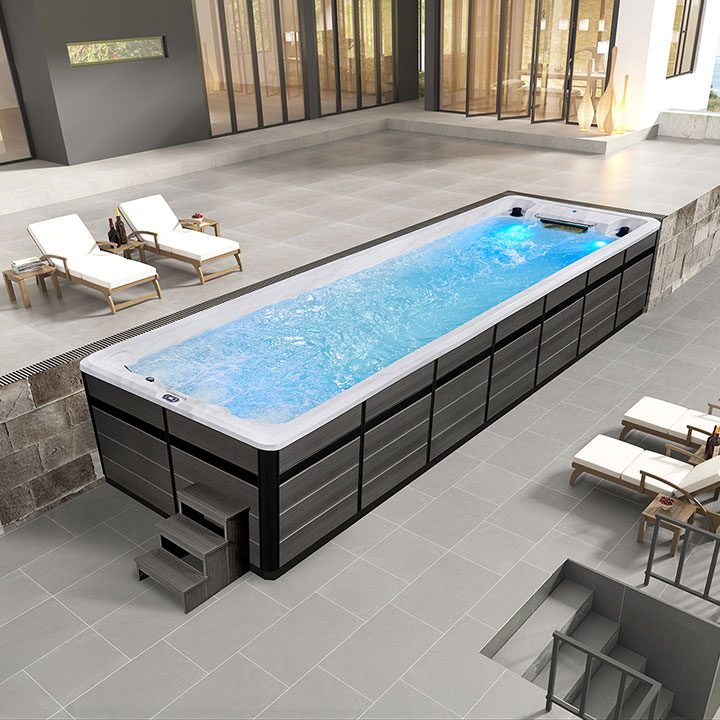
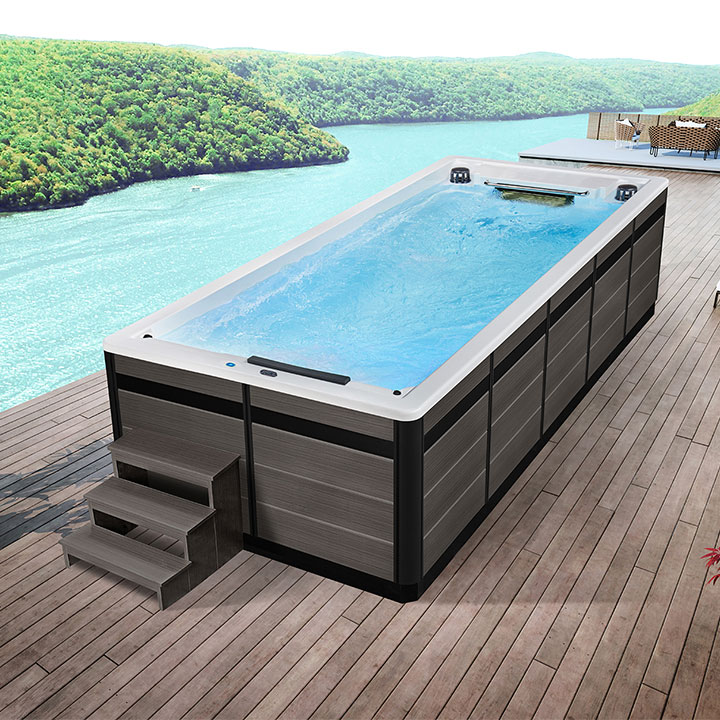
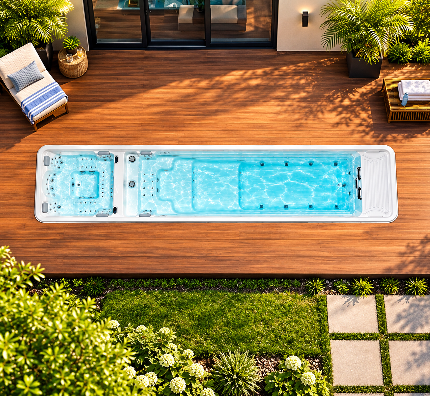
Victoria Star Swim Spa offers the perfect balance between exercise and relaxation, whether you want to swim for fitness or relax in the spacious seating.
Victoria Star Swim Spa offers the perfect balance between exercise and relaxation, whether you want to swim for fitness or relax in the spacious seating.