Cold Plunge Sleep Benefits: How Cold Water Immersion Affects Rest
Home / News / Cold Plunge Sleep Benefits: How Cold Water Immersion Affects Rest
October 01, 2026
Anyone who has tried cold water immersion knows the shock hits first, then something quieter follows. Cold plunge sleep benefits are one of the more surprising reasons people stick with the habit past the first uncomfortable week. The link between a chilly soak and a deeper night’s rest isn’t magic, it’s physiology, and understanding it changes how you use the practice.
Most people start cold plunging for muscle recovery or mental toughness. Sleep improvement often shows up as a side effect nobody warned them about, and it tends to be the reason they keep going long after the novelty fades.
Why Cold Exposure Affects the Nervous System
Cold water hits the skin and the body reacts fast. Blood vessels constrict, heart rate shifts, and the sympathetic nervous system fires up in a burst of alertness. That’s the opposite of what you want right before bed.
The interesting part happens afterward. Once you’re out of the water and warming up, the parasympathetic system takes over. This is the "rest and digest" mode, the same state your body needs to wind down for sleep. Athletes have described this rebound effect for years, though the exact timing varies by person.
Body temperature plays a bigger role here than most people realize. Core temperature naturally drops in the evening as part of the sleep cycle, signaling to the brain that it’s time to slow down. A cold plunge, especially one taken a few hours before bed, can help nudge that temperature curve in the right direction rather than fighting against it.
Timing the Plunge for Better Rest
Not every hour of the day works the same way for cold exposure. Morning plunges tend to sharpen focus and energy, which is great for starting the day but counterproductive if your goal is winding down. Evening sessions, done with enough buffer before bedtime, are where most people report the sleep-related payoff.
A practical approach looks like this:
Plan the plunge for late afternoon or early evening, roughly three to four hours before your target bedtime.
Keep the session short, often two to ten minutes depending on tolerance and water temperature.
Follow with a warm shower or simply let the body rewarm naturally, avoiding another jolt of stimulation.
Wind down afterward with dim lighting and reduced screen time to support the temperature drop already in motion.
This sequencing matters because the goal isn’t to shock the body right before sleep. It’s to let the rebound relaxation response land during the window when you actually want to feel calm.
Muscle Recovery and Its Connection to Rest Quality
Sore, tense muscles make it harder to fall asleep and easier to wake up during the night. Cold water immersion is widely used in athletic recovery because it constricts blood vessels and helps reduce inflammation after intense training. That physical relief often translates into fewer restless nights.
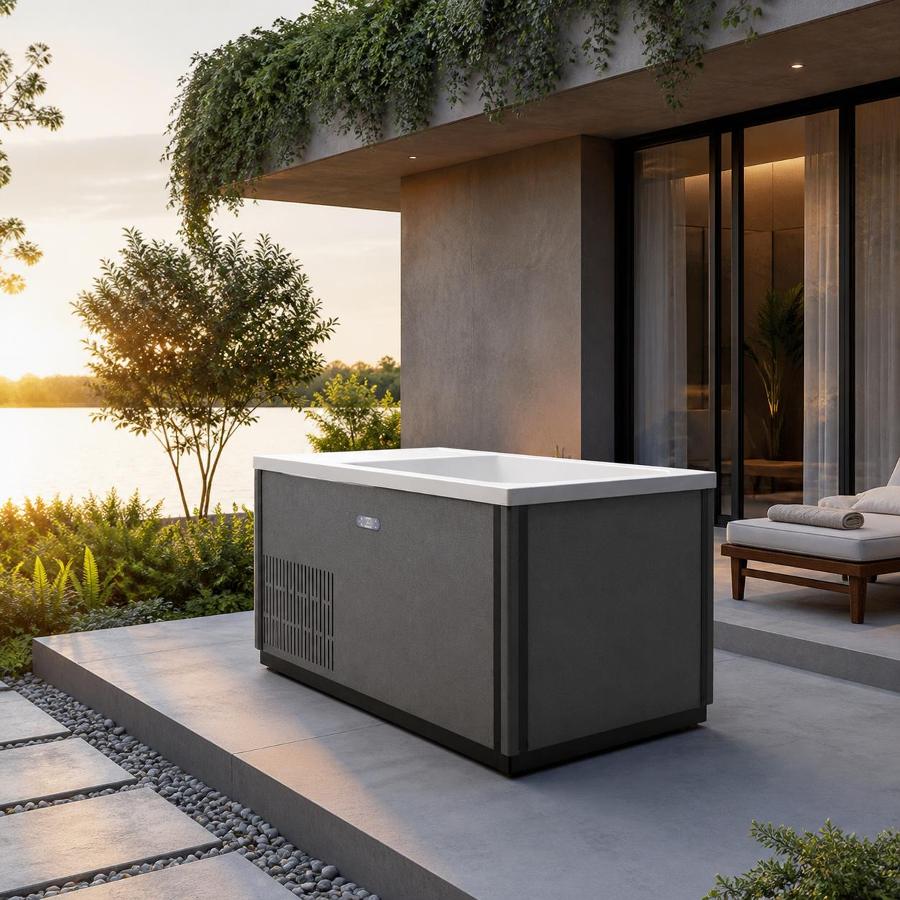
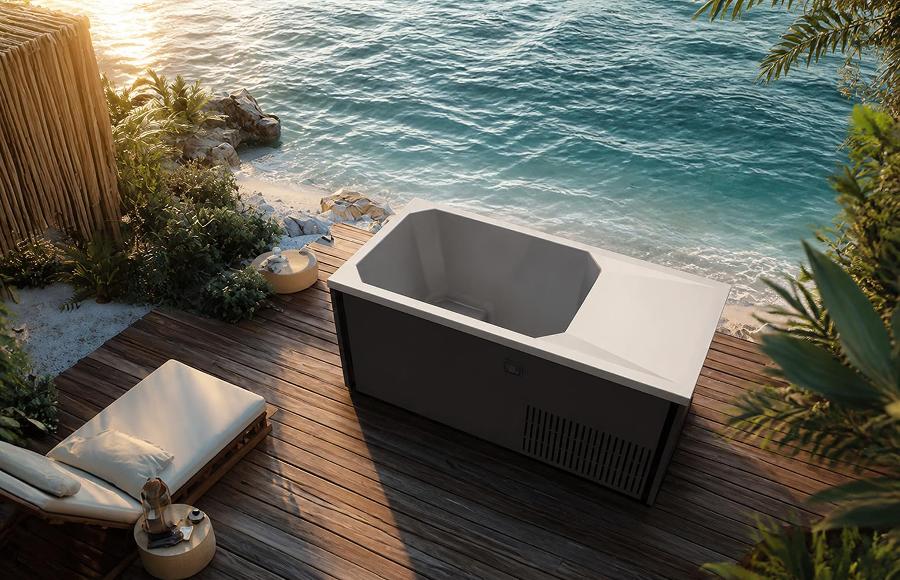
The Outdoor Cold Plunge Tub C02 is built around this recovery use case. According to the product’s design specifications, it uses cold water immersion to constrict blood vessels, reduce inflammation, and ease post-exercise soreness. For someone training hard and struggling to sleep because of aching legs or shoulders, that physical reset can matter as much as anything psychological.
There’s also a circulation angle worth noting. The vascular constriction and dilation cycle triggered by cold exposure is described in the product materials as a way to stimulate blood flow and improve oxygen delivery to tissues. Better circulation doesn’t sedate you, but it does support a body that’s less irritated and more ready to settle down.
The Mental Clarity Piece
Sleep isn’t only physical. Racing thoughts and low-grade stress keep plenty of people staring at the ceiling long after the lights go off. Cold exposure has a documented association with endorphin release, which is why so many people describe a sense of calm or clarity right after stepping out of the water.
This mental shift is one of the reasons cold plunge sleep benefits get mentioned so often in recovery and wellness circles. It’s not that the cold erases stress. It interrupts the mental loop long enough for the nervous system to reset, which for many people is the missing piece before bed.
Consider how this plays out in daily life. A stressful workday leaves the mind in overdrive. A short cold session in the early evening acts almost like a hard reset button, not because it numbs anything, but because it forces total attention onto the present moment. That kind of forced presence is hard to manufacture any other way.
What to Look for in an Outdoor Cold Plunge Setup
Not every tub is built the same way, and the mechanics behind temperature control matter more than people expect. A unit that can’t hold a stable low temperature will undercut the whole routine.
Feature
Why It Matters for Sleep-Focused Use
Heat pump control system
Maintains consistent low temperatures without constant manual adjustment
Insulated cover
Reduces heat loss between sessions, keeping water ready for evening use
Ergonomic seating step
Supports longer, more relaxed sessions instead of rushed, uncomfortable dips
Weather-resistant cabinet
Handles outdoor exposure so the tub stays reliable through seasonal changes
Digital control interface
Allows precise temperature settings for consistent, repeatable routines
The Outdoor Cold Plunge Tub C02 reflects this kind of thinking in its build. It runs on an integrated 900W heat pump system paired with a 54W brushless pump, which according to the manufacturer’s specifications is designed for reliable temperature regulation with relatively low energy consumption. The 320-liter capacity and acrylic porcelain shell give it enough room for a full-body plunge without feeling cramped, and the included insulated cover helps retain water temperature between uses.
For anyone building an evening recovery routine around cold exposure, having equipment on hand that regulates temperature automatically removes a layer of friction. You’re not waiting on ice deliveries or guessing at water temperature with a thermometer every time.
Where an Outdoor Tub Fits Into Daily Life
Placement and setting influence whether a habit sticks. A tub tucked into a private backyard corner gets used far more consistently than one that requires driving to a gym or studio.
Application scenarios for a unit like this typically include:
Home patios and backyard decks, where evening access removes the biggest barrier to consistency
Professional training facilities, where athletes need fast turnaround between sessions
Boutique wellness centers and spas offering structured recovery programs
Resort and hospitality settings, where guests want a self-contained relaxation feature
A backyard setup in particular supports the sleep-focused use case better than most commercial options, simply because it’s available on your own schedule. Three hours before bed doesn’t work if the facility closes at six.
Common Questions About Cold Plunging and Sleep
Does cold plunging make you tired right away, or does it wake you up? Immediately after immersion, most people feel more alert due to the sympathetic nervous system response. The calming, sleep-supportive effect tends to arrive later, once the body has rewarmed and the parasympathetic system takes over.
How cold does the water need to be for a noticeable effect? There’s no single universal number, since tolerance and goals vary by person. What matters more than hitting an exact degree is consistency and a controlled system that can hold a stable low temperature session after session.
Can you plunge right before bed instead of a few hours earlier? Most people find better results with a buffer window, since the initial alertness response needs time to fade before the calming rebound sets in. Experimenting with timing over a few weeks usually reveals what works best individually.
Is an outdoor tub harder to maintain than an indoor setup? Not necessarily, provided the unit is built for outdoor conditions. A weather-resistant cabinet and a reliable heat pump system, like the setup used in the Outdoor Cold Plunge Tub C02, are designed to handle temperature swings and outdoor exposure without extra upkeep.
Building a Routine Around the Science
Cold plunge sleep benefits aren’t guaranteed from a single session, and anyone expecting instant results might get discouraged too early. The nervous system rebound, the circulation improvements, and the muscle recovery all compound with regular use rather than appearing overnight.
For us, the goal with a product like this outdoor tub is giving people a dependable way to build that consistency at home, without needing a facility membership or a constant supply of ice. A reliable heat pump, a well-insulated cover, and a shell designed for comfortable seating all remove the small frictions that make people quit before the benefits show up.
Sleep quality responds to routine more than intensity. A short, cold, well-timed session in your own backyard, repeated a few times a week, tends to do more for rest than an occasional extreme plunge chased for bragging rights. That’s really the core of what makes cold plunge sleep benefits worth pursuing in the first place: not the shock, but the steady rhythm it helps the body find afterward.
Victoria Star Swim Spa offers the perfect balance between exercise and relaxation, whether you want to swim for fitness or relax in the spacious seating.
Victoria Star Swim Spa offers the perfect balance between exercise and relaxation, whether you want to swim for fitness or relax in the spacious seating.