Cold Plunge Pregnancy: What the Research and Guidelines Actually Say
Home / News / Cold Plunge Pregnancy: What the Research and Guidelines Actually Say
September 26, 2026
Why This Question Comes Up So Often
Cold plunge pregnancy questions surface constantly in prenatal forums and wellness communities. Many women used cold immersion for recovery before conceiving and wonder if the habit needs to stop. The short answer involves more nuance than a flat yes or no, and it depends heavily on trimester, water temperature, and individual health history.
Pregnancy changes how the body regulates heat and blood flow. Blood volume increases by roughly 30 to 50 percent, and the cardiovascular system works harder even at rest. Introducing a sudden cold stimulus into that already-adjusted system is not automatically dangerous, but it is not automatically safe either. That ambiguity is exactly why so many expecting mothers search for clearer answers.
What Cold Water Immersion Actually Does to the Body
Cold plunging triggers vasoconstriction, meaning blood vessels narrow to preserve core temperature. This is followed by vasodilation once the body warms back up. Outside of pregnancy, this cycle is often used to reduce muscle inflammation and support circulation after intense training.
The physiological logic is straightforward. Cold exposure pulls blood away from the skin and extremities toward the core. For an athlete recovering from a hard session, this can ease soreness. For a pregnant woman, the same vasoconstriction affects a circulatory system that is also supplying a placenta, which is why caution is warranted rather than outright panic.
Medical Guidance on Cold Plunge Pregnancy Safety
Most obstetric guidance does not center on cold plunging specifically, since it is a relatively recent wellness trend compared to established prenatal exercise research. However, general obstetric advice on temperature extremes offers a useful proxy.
Avoid prolonged exposure to water below roughly 50°F (10°C), especially in the first trimester when organ development is most sensitive.
Limit immersion time to short intervals, generally under two to three minutes, rather than extended sessions.
Stop immediately if you feel dizziness, numbness, shortness of breath, or unusual cramping.
Always consult an OB-GYN before starting or continuing cold exposure practices during pregnancy.
Because there is limited large-scale clinical data specific to cold plunging during pregnancy, most physicians default to a conservative stance. That is not because the practice is proven harmful, but because the research gap itself is the risk factor worth respecting.
Trimester-Specific Considerations
Pregnancy is not a single static condition, and cold exposure risk shifts across its three stages. Treating all forty weeks the same way ignores how differently the body behaves at each phase.
Trimester
Key Physiological Factors
General Caution Level
First
Organogenesis, higher miscarriage sensitivity to temperature extremes
Reduced mobility, higher fall risk near cold water, increased fatigue
Moderate to high caution
During the first trimester, many providers recommend avoiding cold plunging altogether until more is known about the specific pregnancy. By the second trimester, some women who were already experienced cold plungers continue shorter, milder sessions under medical supervision. The third trimester introduces a different problem entirely: balance and mobility near a tub edge, which has nothing to do with temperature and everything to do with practical safety.
For women who want circulation and recovery benefits without the temperature uncertainty, there are adjacent options that carry less ambiguity. Warm water immersion, kept below 100°F (38°C), is generally considered safer than either extreme.
Lukewarm foot baths for swelling relief in the third trimester.
Gentle prenatal swimming in temperature-controlled pools.
Light contrast therapy using cool (not ice-cold) compresses on specific muscle groups rather than full-body immersion.
Postpartum cold plunging once cleared by a physician, often after the six-week checkup.
This last point matters more than it might seem. A significant number of cold plunge pregnancy searches are actually postpartum questions in disguise. Recovery from childbirth shares some overlap with athletic recovery, and once cleared medically, many women return to cold immersion as part of their broader wellness routine.
Choosing Equipment for a Cautious, Controlled Return to Cold Therapy
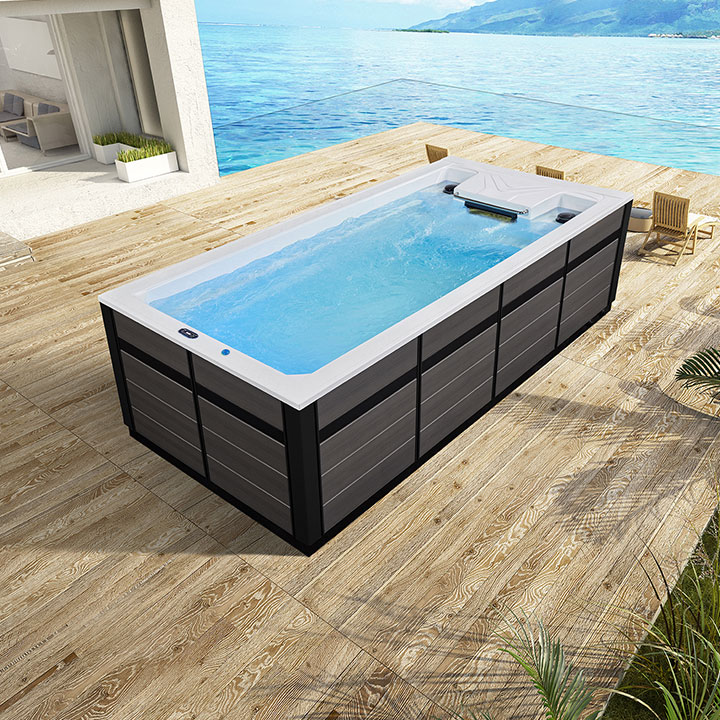
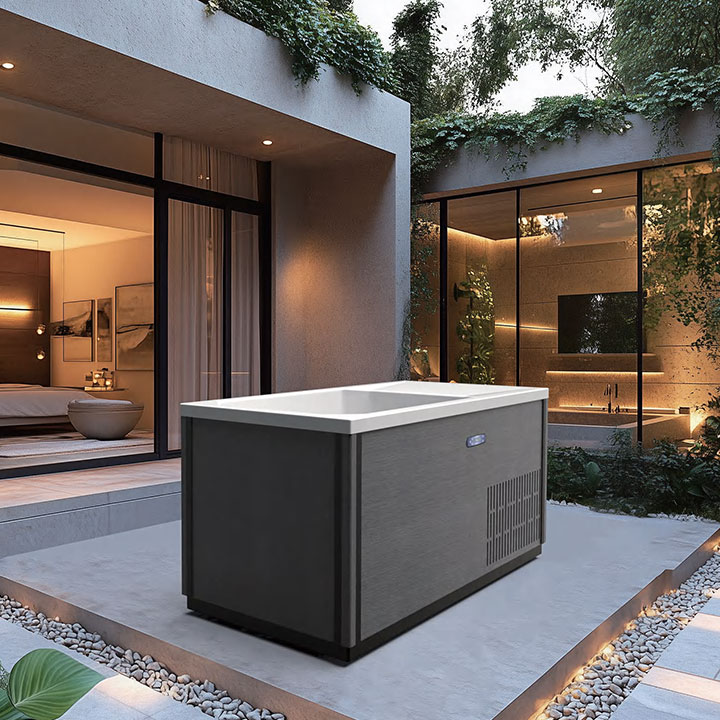
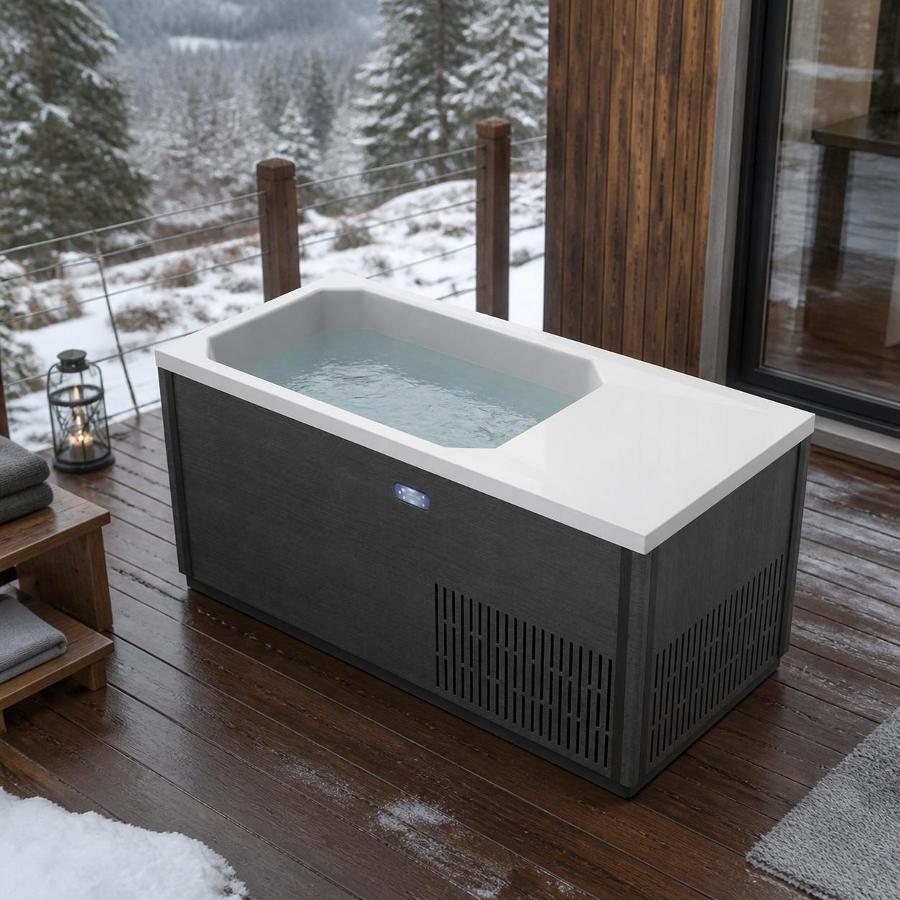
Once cold plunging becomes appropriate again, either postpartum or for a partner and family member using the same setup, equipment quality determines how consistent and controllable the practice can be. This is where a dedicated cold plunge tub differs meaningfully from an improvised ice bath in a stock tank.
According to the product information, the Outdoor Cold Plunge Tub C02 uses an integrated 900W heat pump system paired with a 54W brushless pump to regulate temperature. That kind of control matters for anyone easing back into cold exposure, since it can reduce the guesswork of exactly how cold the water actually is.
A few design details are worth noting for households balancing cold therapy with family safety:
320-liter capacity with an integrated entry step, which reduces slip risk compared to climbing over a high rim.
Porcelain acrylic interior shell that stays smooth and easy to clean, an important detail for shared household use.
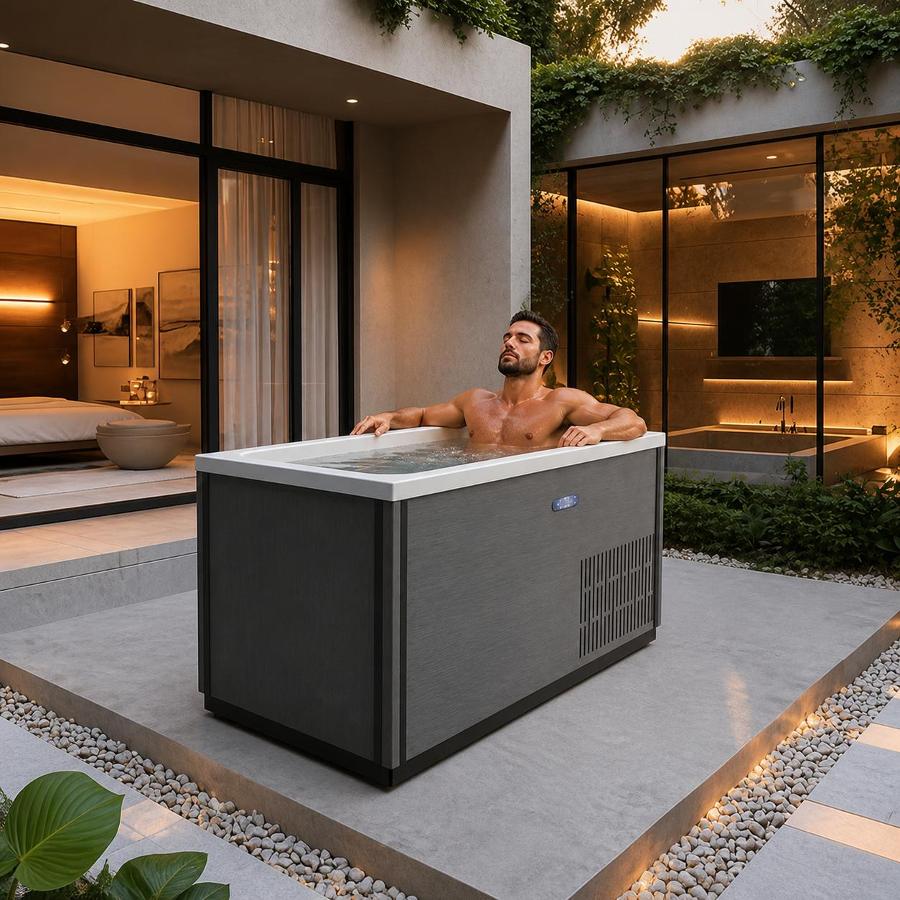
Weather-resistant cabinet available in Platinum or Midnight, suited to year-round outdoor placement on a patio or deck.
Digital control interface that allows precise temperature targeting rather than relying on ambient ice melt.
Where a Cold Plunge Tub Fits in a Household Wellness Routine
Most homes that invest in cold plunge equipment are not building it around a single use case. A tub installed for post-workout recovery often ends up serving multiple people across different life stages, which is part of why temperature control matters more than novelty features.
Athletic training facilities and recovery centers use this kind of unit for the same circulatory logic described earlier: vasoconstriction followed by rebound blood flow to reduce inflammation after exertion. Boutique spas and resort villas apply it similarly, just framed around relaxation rather than performance. In a private backyard, the same tub might rotate between a partner’s post-run recovery session and, once medically cleared, a new parent easing back into a routine they paused during pregnancy.
Common Questions About Cold Plunging and Pregnancy
Is any cold plunging safe during pregnancy? There is no universal answer. Some providers permit brief, mild cold exposure in the second trimester for women with prior experience, while others advise avoiding it entirely. This decision should be made individually with an OB-GYN.
Can cold plunging cause a miscarriage? There is no strong clinical evidence directly linking brief cold water immersion to miscarriage. The caution around the first trimester comes from general guidance on avoiding extreme temperature shocks during organogenesis, not from documented cold plunge cases specifically.
When can I resume cold plunging after giving birth? Many providers suggest waiting until after the standard six-week postpartum checkup, and longer if there were complications such as a cesarean delivery. Always confirm timing directly with a physician.
Does water temperature matter more than duration? Both matter. A brief dip in extremely cold water and a longer soak in mildly cool water carry different physiological loads, so guidance typically addresses both variables together rather than either alone.
Making an Informed Decision
Cold plunge pregnancy questions rarely have a single correct answer because pregnancy itself is not a single condition. What is reasonable in week 20 may be unreasonable in week 6, and what works for one woman’s cardiovascular baseline may not suit another’s. The most reliable approach combines individualized medical guidance with equipment that offers precise, controllable temperature rather than guesswork.
For households planning ahead, whether that means pausing cold plunging during pregnancy or preparing to resume it safely afterward, having a well-regulated setup like the C02 tub, for us and similar systems, means the practice can be adjusted rather than abandoned entirely. That flexibility, more than any single feature, is what makes cold water therapy sustainable across the different stages of a family’s health journey.
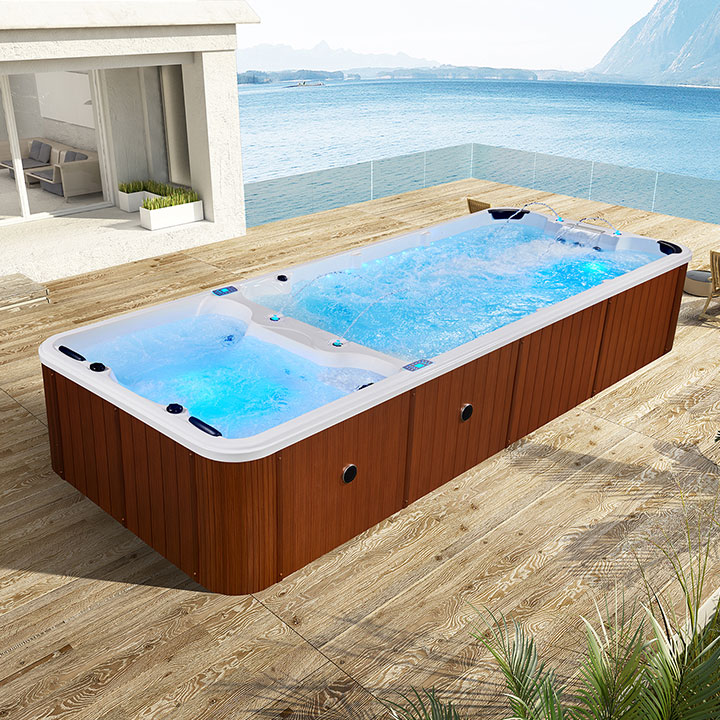
Victoria Star Swim Spa offers the perfect balance between exercise and relaxation, whether you want to swim for fitness or relax in the spacious seating.
Victoria Star Swim Spa offers the perfect balance between exercise and relaxation, whether you want to swim for fitness or relax in the spacious seating.