Cold Plunge Meditation: Using Ice Baths to Train Mind and Body
Home / News / Cold Plunge Meditation: Using Ice Baths to Train Mind and Body
September 29, 2026
Cold plunge meditation pairs breath control with cold water immersion, turning a physical stressor into a mental training ground. Athletes and wellness seekers alike have started treating the tub not just as recovery equipment, but as a seat for focused practice. The appeal is simple: a few minutes of stillness inside cold water forces the nervous system to respond, and how you respond becomes the meditation itself.
This article looks at why cold exposure and mindfulness overlap so naturally, what happens physiologically when you sit still in cold water, and how equipment choices shape the experience.
Why Cold Water Demands Your Full Attention
Warm baths invite drifting thoughts. Cold water does the opposite. The moment skin hits low temperatures, the body triggers a gasp reflex and a spike in heart rate, and there’s no ignoring it.
That reaction is exactly why cold plunge meditation works as a practice. You can’t meditate on autopilot in cold water. Attention snaps to the breath almost involuntarily, which is the entire goal of most meditation traditions anyway.
Practitioners often describe the first thirty seconds as the hardest part. The mind wants out. Staying put, breathing slowly through the discomfort, is where the mental training actually happens.
The Physiology Behind the Practice
Cold immersion constricts blood vessels near the skin, a response the body uses to preserve core heat. This vasoconstriction reduces blood flow to inflamed tissue, which is part of why cold water immersion therapy has long been used for post-exercise muscle soreness.
As the body adjusts and vessels alternate between constriction and dilation, circulation gets a kind of workout. According to product literature on cold plunge systems like the Outdoor Cold Plunge Tub C02, this cycling helps stimulate blood flow and increase oxygen delivery to body tissues.
There’s also a mood component worth noting separately from the muscular one. Cold exposure is associated with a release of endorphins, the body’s natural stress-response chemicals. That’s part of why people report mental clarity and lowered stress after a session, not just physical relief.
Breath Work Is the Actual Meditation
Sitting in cold water without a breathing strategy is just discomfort. Adding structured breath work is what turns it into meditation.
A common approach:
Enter the water slowly, exhaling as you submerge to counter the gasp reflex.
Settle into slow nasal breathing, aiming for a longer exhale than inhale.
Focus attention on one physical sensation, like the water line on your skin, rather than the urge to escape.
Hold for a set duration, often two to five minutes for beginners.
Exit slowly, and let the body’s warming response happen naturally rather than rushing to a heater or towel.
This structure matters because it gives the mind a job. Without a breathing anchor, the nervous system just panics. With one, the same physical stimulus becomes trainable.
Setting Up a Space That Supports the Practice
Cold plunge meditation works best when the environment doesn’t add friction. A tub tucked into a noisy garage between the recycling bins isn’t going to encourage a daily habit. Placement and quiet matter more than people expect going in.
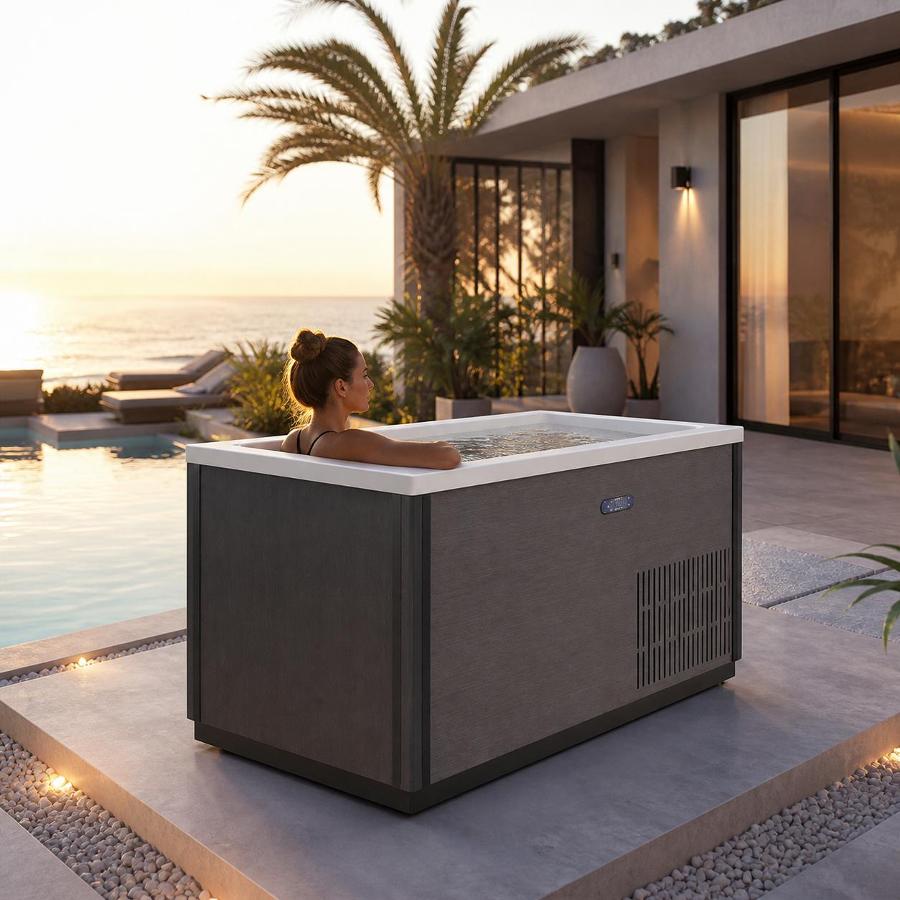
Outdoor courtyard setups tend to work well for this reason. A private patio, deck, or garden nook gives the practice a sense of ritual, separate from the rest of the day. Some setups position the tub facing greenery or open sky, which helps during the settling phase before entry.
Temperature consistency also plays a role in whether the practice sticks. Water that fluctuates between sessions makes it hard to build a routine, since the body has to recalibrate its response every time. This is where mechanical reliability, not just tub design, starts to matter for anyone building a regular habit.
What to Look for in Cold Plunge Equipment
Not every cold plunge tub is built the same way, and the differences show up most in daily use rather than on a spec sheet. A few practical considerations:
Feature
Why It Matters for Meditation Practice
Temperature control system
Consistent cold water means consistent sessions, without guessing how cold the water actually is
Interior seating step
Lets you settle into a stable position instead of adjusting constantly, which breaks focus
Insulated cover
Keeps water temperature stable between sessions and reduces energy use
Exterior cabinet material
Weather resistance matters for outdoor installs left exposed to sun and rain
Capacity
Enough water volume to fully submerge without excessive temperature swing when you enter
The Outdoor Cold Plunge Tub C02 from Victoria Star reflects several of these considerations directly. It uses an integrated 900W heat pump system paired with a 54W brushless pump to manage low-temperature immersion, according to its product specifications. The 320-liter porcelain acrylic basin includes a built-in entry step, which helps with settling into a seated position rather than treading water while trying to breathe slowly.
Its cabinet is available in Platinum or Midnight tones with a composite finish designed for outdoor exposure, and an insulated cover comes included to help maintain water temperature between sessions.
Common Questions About Cold Plunge Meditation
Do I need to be freezing cold for meditation benefits? No. The mental training comes from staying present through discomfort, not from extreme temperatures. Many practitioners work with moderately cold water and gradually adjust as tolerance builds.
How long should a session last? Beginners often start with one to two minutes, working up to five as comfort increases. Duration matters less than consistency of breath control during the session.
Is cold plunge meditation the same as cold water immersion therapy? They overlap but aren’t identical. Cold water immersion therapy typically focuses on physical recovery, like reduced muscle inflammation. Cold plunge meditation adds an intentional breathing and attention practice on top of that same physical exposure.
Can I meditate in a cold plunge tub daily? Many people do, though individual tolerance and health conditions vary. Those with cardiovascular concerns should check with a physician before starting a cold immersion routine.
Does the tub need a heat pump if I want cold water? Yes, somewhat counterintuitively. A heat pump based control system, like the one used in the C02 model, actually regulates and maintains low temperatures consistently, rather than just heating water. This prevents the water from drifting too warm between uses.
Building the Habit Over Time
Cold plunge meditation isn’t something that clicks on day one for most people. The first few sessions tend to feel like pure endurance, with breath work taking a back seat to just getting through it.
That changes with repetition. As the body’s stress response becomes more familiar, there’s more mental bandwidth available to actually focus on breath and sensation rather than survival. This is the same pattern seen in other exposure-based practices, from cold showers to breath-hold training.
A stable setup helps this progression along. Reliable equipment removes variables, so the only thing changing session to session is your own response, not the water temperature or the environment around it.
For anyone building a home wellness routine around this practice, an outdoor tub with dependable temperature control, like the C02 from Victoria Star, offers a consistent foundation for daily cold plunge meditation. What starts as a physical recovery tool for sore muscles can become a genuine mental training practice, one slow breath at a time.
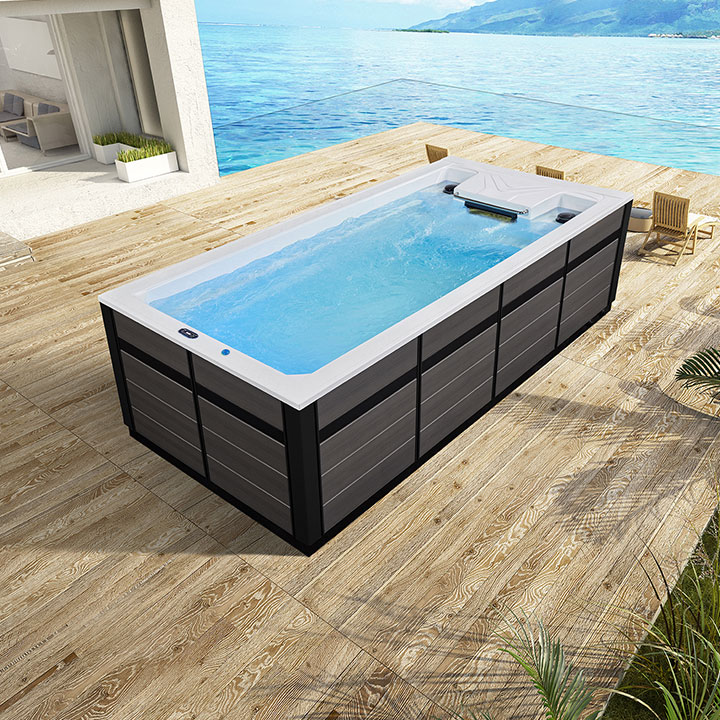
Victoria Star Swim Spa offers the perfect balance between exercise and relaxation, whether you want to swim for fitness or relax in the spacious seating.
Victoria Star Swim Spa offers the perfect balance between exercise and relaxation, whether you want to swim for fitness or relax in the spacious seating.