Cold Plunge Infrared Sauna: Building a Complete Home Recovery Routine
Home / News / Cold Plunge Infrared Sauna: Building a Complete Home Recovery Routine
September 27, 2026
Anyone who has tried a cold plunge infrared sauna combination knows the appeal isn’t complicated. You get the shock of cold water immersion, then the deep, penetrating warmth of infrared heat, and the contrast does something that neither therapy accomplishes alone. This pairing has moved from elite training facilities into backyards, and for good reason. It gives people a way to manage soreness, stress, and recovery on their own schedule, without a gym membership or a drive across town.
Why Contrast Therapy Works Better Than Either Extreme Alone
Heat opens things up. Cold shuts them down. That push and pull is the entire point of contrast therapy, and it’s why pairing a cold plunge with an infrared sauna tends to outperform using just one or the other.
Cold water immersion causes blood vessels to constrict, which limits swelling and helps flush metabolic waste out of tired muscles. Infrared heat does the opposite: it dilates vessels and increases circulation, delivering oxygen and nutrients back into tissue that needs to repair. Alternating between the two creates a kind of vascular pumping action, cycling blood flow in a way that neither extreme achieves in isolation.
There’s also a mental component worth naming directly. Cold exposure triggers a jolt of alertness and, according to product literature on cold plunge systems, can stimulate natural endorphin release that lowers stress and sharpens focus. Follow that with the slow, radiant heat of an infrared session, and the nervous system gets a chance to downshift. It’s less like flipping a switch and more like tuning an instrument.
What a Cold Plunge Actually Does to the Body
Before setting up a home system, it helps to understand what’s happening physiologically, since the marketing language around "recovery" can get vague fast.
Cold water immersion works primarily through vasoconstriction. Submerging in water typically in the range of 50 to 59°F narrows blood vessels near the skin and in the extremities. This is the same principle behind icing a sprained ankle, just applied to the whole body. The practical benefits people report include:
Reduced muscle inflammation after intense training sessions, since constricted vessels limit the pooling of inflammatory fluid around damaged tissue.
Faster perceived recovery between workouts, allowing athletes to train again sooner without the lingering stiffness of delayed-onset soreness.
Improved circulation over time, as repeated cycles of constriction and rebound dilation train the vascular system to respond more efficiently.
A noticeable mood lift, tied to the endorphin response that many cold plunge users describe as clarifying rather than purely uncomfortable.
None of this requires an ice-covered mountain lake. A properly engineered outdoor tub with temperature control gets you there in your own yard, which is really the whole point of bringing this therapy home.
Choosing Equipment That Can Actually Hold a Cold Temperature
Here’s where a lot of home setups fall short. A cold plunge isn’t just a tub filled with ice, at least not sustainably. Ice runs out, and refilling a tub daily is not a routine most people stick with for long. The equipment needs a way to actively chill and hold temperature on its own.
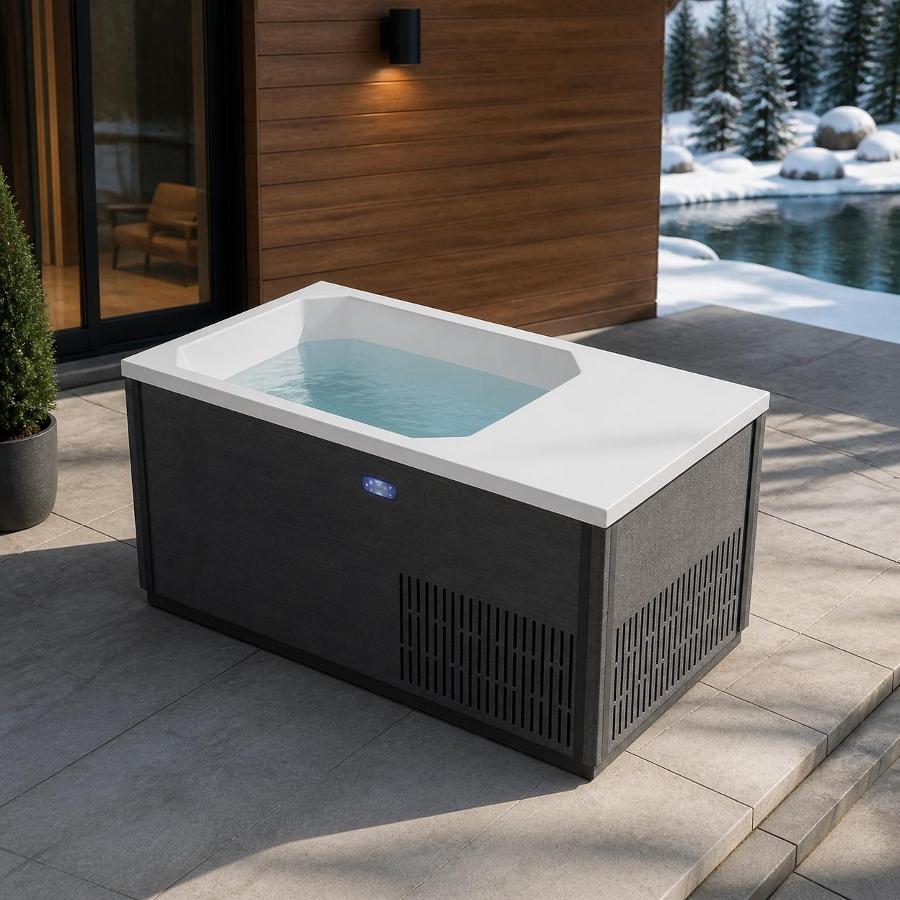
Take the Outdoor Cold Plunge Tub C02 as an example of what that looks like in practice. It runs on an integrated 900W heat pump system paired with a 54W brushless pump, which together manage precise low-temperature immersion without requiring manual ice delivery. That combination matters because a heat pump system, unlike a simple chiller, can regulate temperature more efficiently across seasons, which keeps daily energy draw modest.
The tub holds 320 liters of water, enough for a full-body plunge without feeling cramped, and its acrylic shell is finished in a porcelain white that stays smooth and easy to clean over years of use. A weather-resistant composite cabinet, available in Platinum or Midnight tones, houses the mechanical components and protects them from rain, sun, and temperature swings outdoors.
Matching the Tub to Where It Will Actually Live
Placement changes what matters most in a cold plunge unit. A tub sitting on a covered patio has different demands than one bolted to a concrete slab beside a training facility door.
Home backyard installations benefit most from a compact footprint and a quiet pump, since the tub often sits near living spaces or bedroom windows.
Athletic training facilities need faster recovery turnaround between users, which puts more emphasis on heat pump responsiveness and consistent chilling capacity.
Commercial wellness centers and boutique spas tend to prioritize finish quality and a clean control interface, since guests interact with the unit directly.
Resort and hospitality settings often place the tub where it becomes part of the view, so exterior cabinet color and overall proportions matter as much as function.
The C02 model measures 1695mm by 830mm by 850mm and weighs 140kg empty, light enough for most standard patios and decks to support without additional structural reinforcement, though a level, stable base is still worth confirming before installation.
Building the Infrared Sauna Side of the Routine
An infrared sauna doesn’t heat the air the way a traditional steam sauna does. Instead, infrared panels emit radiant energy that penetrates the skin directly, warming the body from within rather than heating the surrounding room to extreme temperatures. This is why infrared cabins can run at a lower ambient temperature, often in the 120 to 140°F range, while still producing a deep sweat.
For people building a home wellness space, this matters practically. Lower cabin temperatures mean sessions can run longer without becoming unbearable, and the equipment itself tends to draw less power than a traditional sauna heater working to raise an entire room’s air temperature.
When people talk about a "cold plunge infrared sauna" routine, the sequencing usually goes one of two ways. Some prefer sauna first, letting the body warm thoroughly before the cold plunge delivers its full contrast effect. Others plunge first thing in the morning for alertness, then use the sauna in the evening to unwind. There’s no single correct order; it depends on whether the goal is muscle recovery, stress relief, or simply a consistent daily habit.
Comparing Core Specifications Before You Buy
Specifications tell you more about long-term satisfaction than marketing copy ever will. Here’s what the C02 tub offers, laid out plainly.
Specification
Detail
Water Capacity
320 L
Heater Output
900 W (integrated heat pump)
Pump
54 W brushless
Power Supply
0.954 kW
Net Weight
140 kg
Dimensions
1695 × 830 × 850 mm
Shell Material
White porcelain acrylic
Cabinet Colors
Platinum, Midnight
Insulated Cover
Included
That 0.954 kW total draw is worth sitting with for a moment. It’s roughly in line with a large space heater, which means most homes can run the unit on a standard outdoor-rated circuit without an electrical overhaul. That’s a meaningful difference from industrial chiller systems that sometimes require dedicated high-voltage lines.
Placement, Drainage, and the Details People Forget
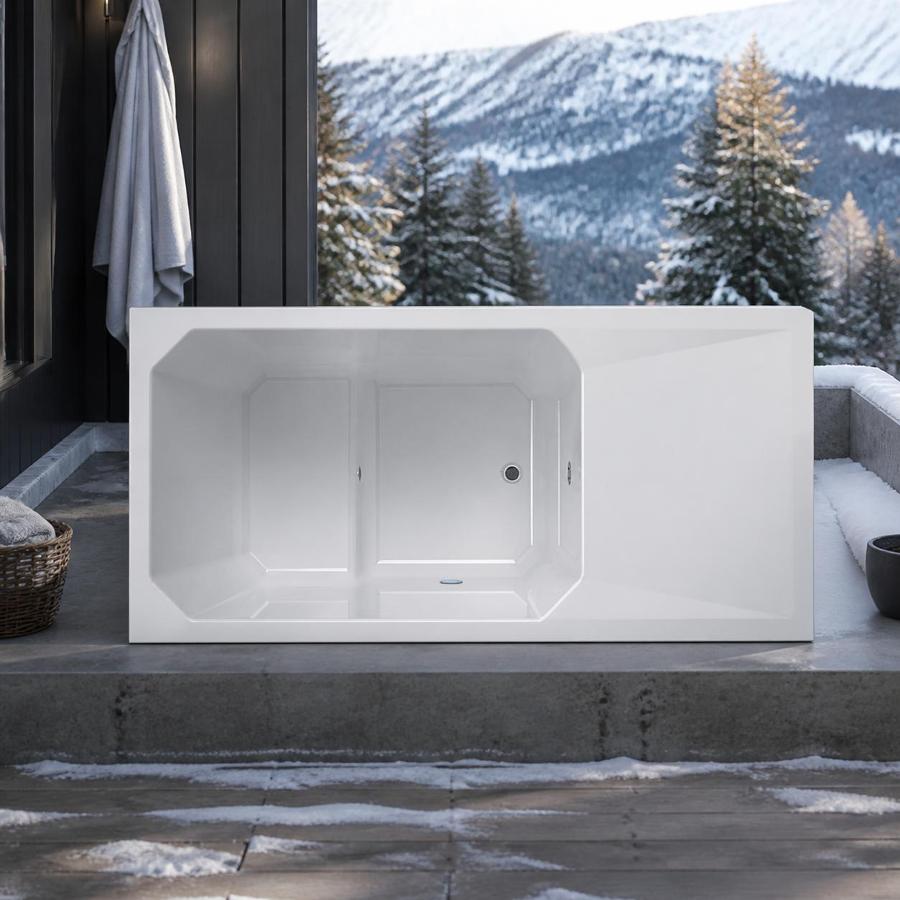
The interior of the C02 includes an integrated seating step, which sounds minor until you’ve tried to lower yourself into cold water without one. That step also helps shorter users stay comfortably submerged to shoulder depth rather than floating awkwardly.
A recessed drain fitting and suction vents sit along the basin floor, which simplifies water changes and filtration maintenance. Composite cabinet panels are vented, allowing the heat pump components underneath to breathe rather than trap heat, which extends the working life of the mechanical parts. None of this is dramatic, but it’s the kind of detail that separates a tub built for daily use from one built to look good in a single photo.
Common Questions People Ask Before Committing
Is a home cold plunge safe to use every day? Most healthy adults tolerate daily short sessions well, generally a few minutes at a time. Anyone with cardiovascular conditions or who is pregnant should talk to a doctor first, since sudden cold exposure does place stress on the heart.
Do I need both a cold plunge and an infrared sauna, or is one enough? Either works on its own. The combination is popular because the contrast amplifies circulation benefits, but a single cold plunge still delivers muscle recovery and mood benefits by itself.
How much maintenance does a heat pump cold tub actually require? Water filtration and periodic sanitization are necessary, similar to a small spa. The heat pump and pump components are largely self-contained, so maintenance mostly involves water care rather than mechanical upkeep.
Can this type of tub be used year-round outdoors? The weather-resistant cabinet and heat pump system are designed for outdoor placement across seasons, though extreme climates may still benefit from a sheltered location.
Making the Routine Stick
The equipment only matters if the habit survives past the first few weeks, and that’s usually a question of friction. A cold plunge infrared sauna setup that’s inconvenient to reach, slow to reach temperature, or annoying to maintain gets used less over time, no matter how good it looks in a showroom.
That’s the practical argument for choosing a unit with active temperature control rather than one that depends on manual ice runs. It’s also why placement close to the parts of daily life where recovery actually happens, near a home gym, off a bedroom, beside a training facility door, tends to matter more than any single spec on a sheet.
For us, that combination of function and daily usability is the real measure of a wellness product. If you’re planning a home recovery space built around a cold plunge infrared sauna pairing, look closely at how the equipment handles temperature, drainage, and outdoor durability before anything else. The rest, the color, the finish, the view from the deck, is what makes the routine feel worth returning to every day.
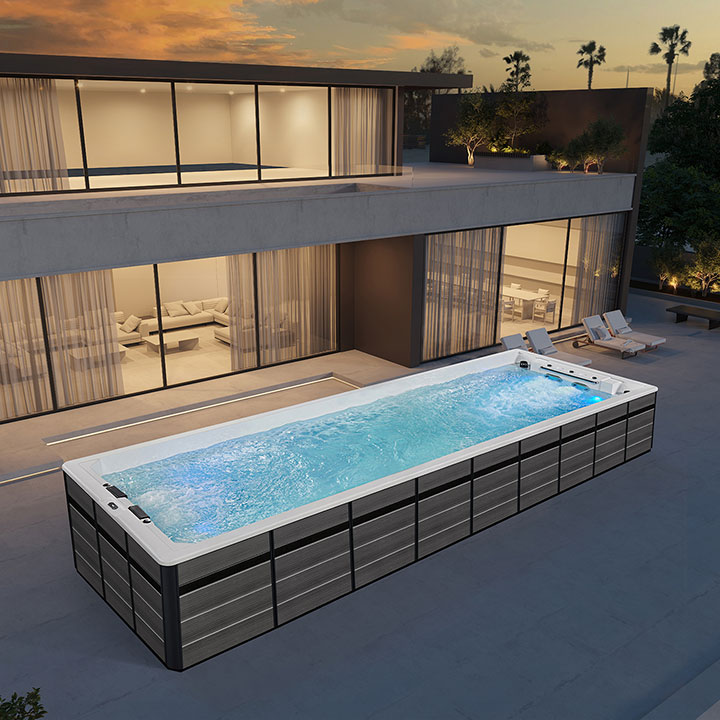
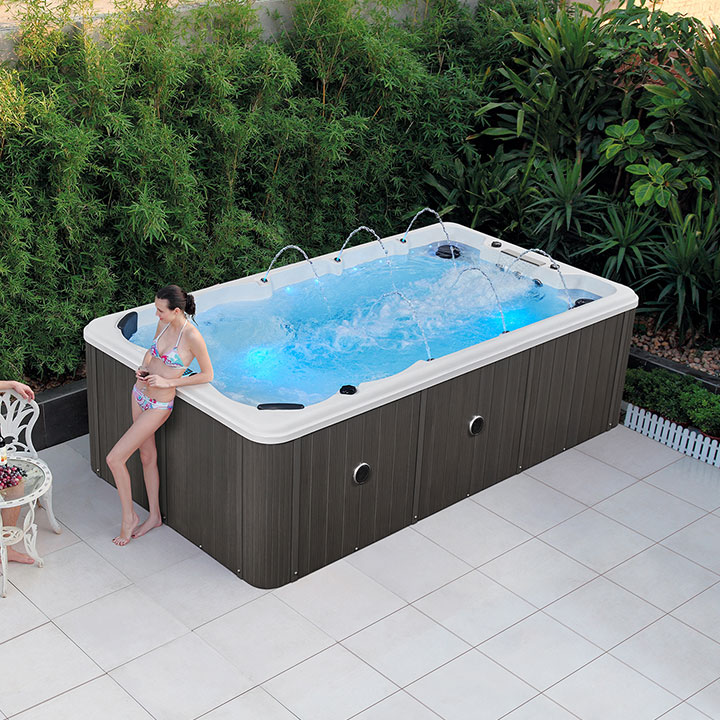
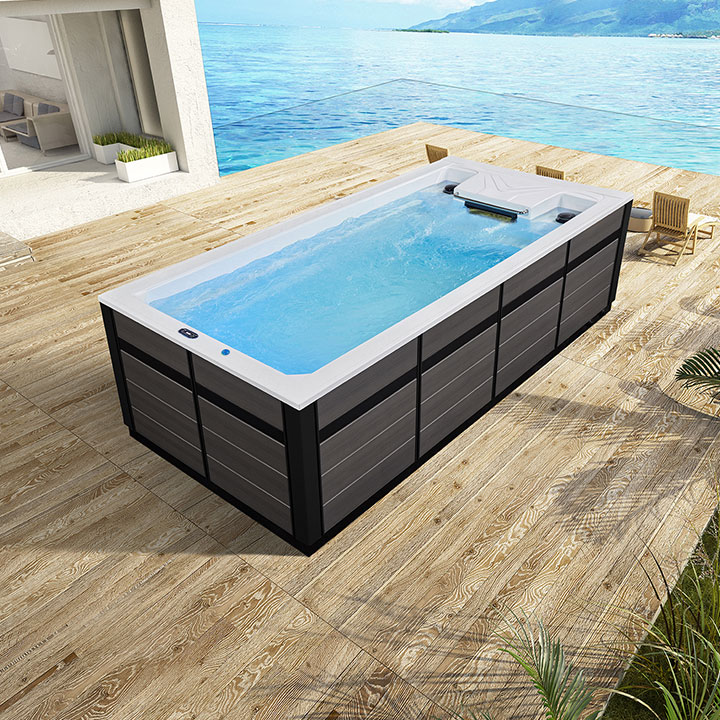
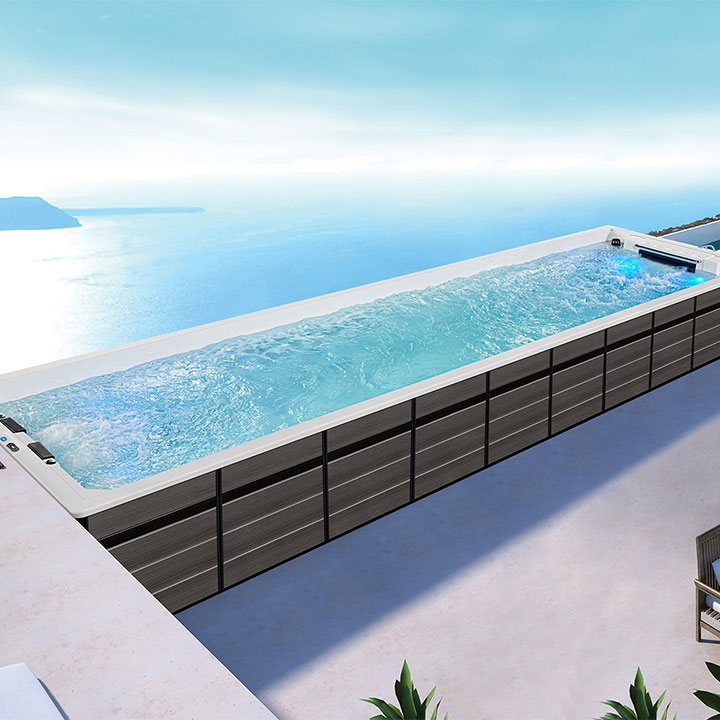
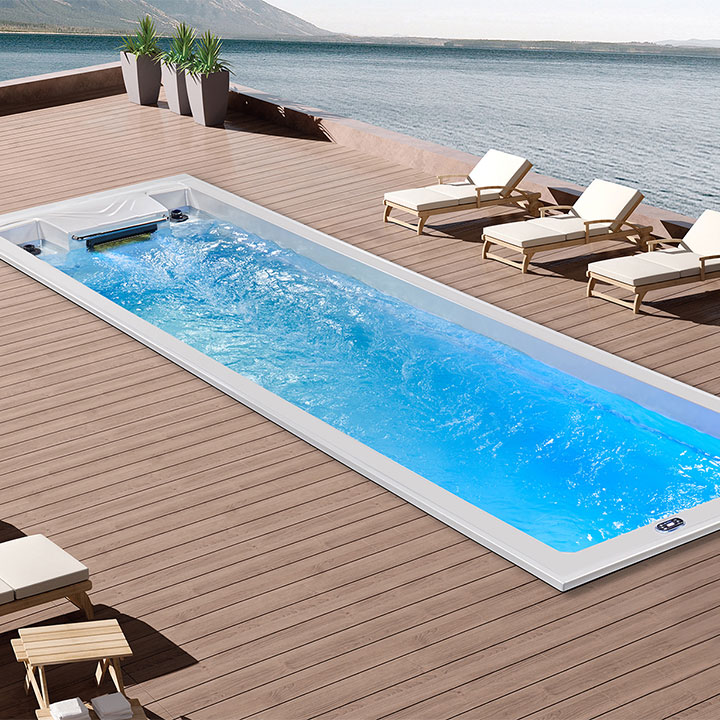
Victoria Star Swim Spa offers the perfect balance between exercise and relaxation, whether you want to swim for fitness or relax in the spacious seating.
Victoria Star Swim Spa offers the perfect balance between exercise and relaxation, whether you want to swim for fitness or relax in the spacious seating.