Cold Plunge in Winter: What Actually Happens to Your Body in the Cold
Home / News / Cold Plunge in Winter: What Actually Happens to Your Body in the Cold
September 27, 2026
Stepping into a cold plunge in winter feels different than doing it in July. The air is already working against you, and that changes how your body responds, how long you should stay in, and what kind of setup actually makes sense for someone who wants to do this consistently through the colder months. Most guides treat cold plunging as one uniform practice regardless of season, which is a mistake. Winter cold plunging has its own logic, its own risks, and its own equipment considerations that deserve a straight answer instead of vague wellness talk.
Why Winter Changes the Cold Plunge Equation
When ambient temperature drops, your baseline body heat loss increases before you even touch the water. A plunge that felt manageable at 55°F outside air in autumn can feel far more punishing at 30°F, even if the water temperature itself hasn’t changed. This matters because the shock response, the sudden gasp reflex and spike in heart rate, gets amplified by the temperature differential between skin and air during entry and exit.
There’s also a practical issue nobody mentions enough: unheated outdoor tubs left exposed to freezing weather can develop ice on the surface or drop below usable temperature entirely. That’s less a training variable and more a maintenance headache. Anyone planning to plunge regularly through winter needs a way to keep water in a controlled range, not just whatever the weather decides.
What Cold Exposure Actually Does Physiologically
Cold water immersion triggers vasoconstriction, meaning blood vessels near the skin narrow to preserve core temperature. This is the mechanism behind claims about reduced inflammation and muscle soreness after intense training. As blood is redirected toward the core, then rushes back to the extremities once you exit and warm up, you get a natural cycle of constriction and dilation.
That cycle is worth understanding in plain terms:
Vessels tighten during immersion, limiting blood flow to muscles and skin.
Upon exit, vessels dilate again, increasing circulation and oxygen delivery to tissue.
The contrast between these two states is what’s generally credited with easing post-exercise soreness.
Cold exposure also prompts a release of endorphins, which explains why many people report feeling calmer or mentally sharper afterward, even though the seconds inside the tub are anything but relaxing.
Choosing Equipment Built for the Season, Not Against It
A cold plunge in winter without temperature control is a gamble. Manual filling with a garden hose and letting nature do the cooling might work in mild climates, but in freezing conditions, water can swing from usable to dangerously cold, or freeze solid overnight. This is where a tub with an integrated heat pump system earns its place, not to warm the water for comfort, but to hold it steadily within a safe, consistent range regardless of what’s happening outside.
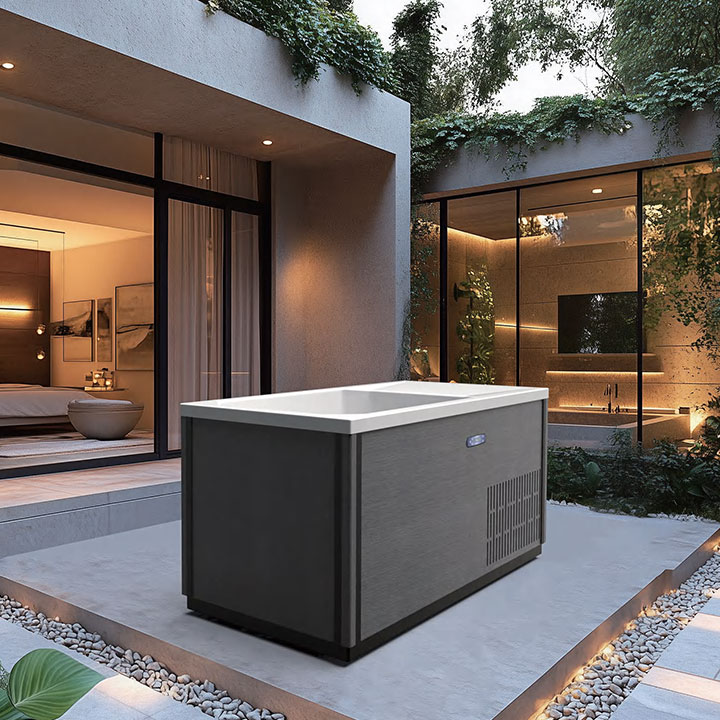
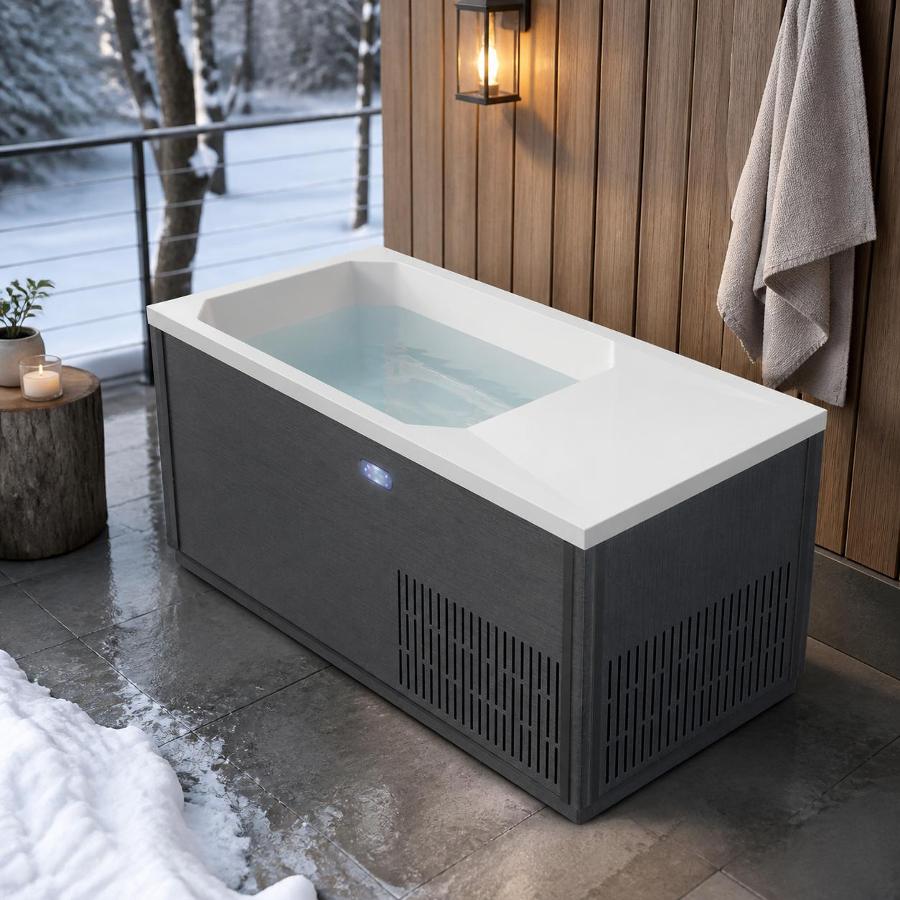
The Outdoor Cold Plunge Tub C02 addresses this directly. It runs on a 900W heat pump control system paired with a 54W brushless pump, which according to the manufacturer’s specifications keeps temperature regulation stable while using relatively low energy. For someone plunging three or four times a week through January, that consistency matters more than any single feature on a spec sheet.
Technical Specifications Worth Comparing
Before choosing any cold plunge tub for winter use, it helps to look at the numbers side by side rather than taking marketing claims at face value.
Specification
Detail
Water Capacity
320 L
Heater Output
900 W (heat pump)
Pump
54 W brushless
Power Supply
0.954 KW
Dimensions
1695 mm × 830 mm × 850 mm
Net Weight
140 KG
Shell Material
Acrylic, White / Porcelain finish
Cabinet Colors
Platinum, Midnight
Cover
Insulated cover included
The insulated cover isn’t a throwaway accessory. In winter, it reduces heat loss between sessions and keeps debris, snow, and ice out of the basin, which directly reduces how hard the heat pump has to work to bring temperature back to range.
Where People Actually Install These Tubs
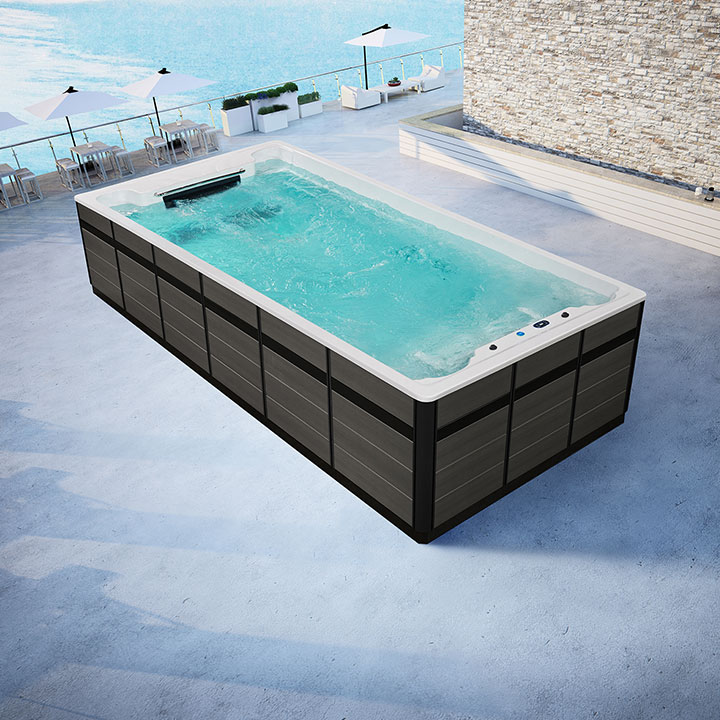
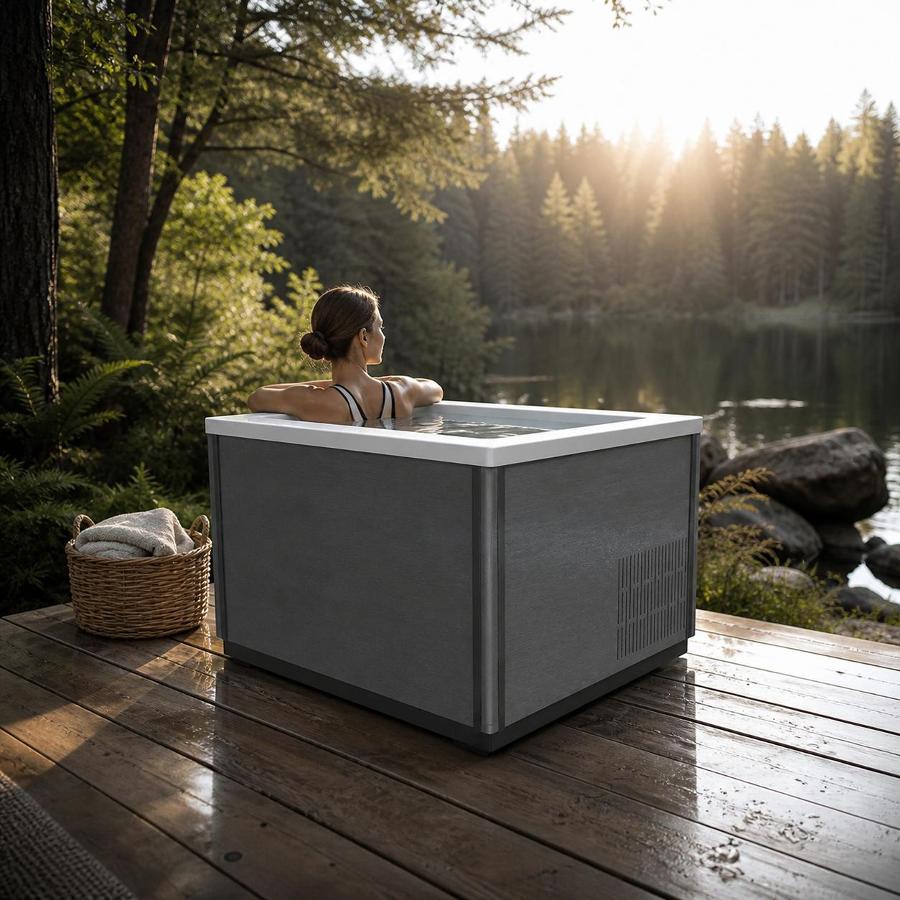
Application matters as much as specification. A tub destined for a windswept rooftop deck faces different demands than one tucked into a sheltered courtyard. Based on common placement patterns for products like the C02, typical settings include:
Private backyard patios and decks, where proximity to the house matters for post-plunge warmup.
Professional athletic training facilities, where recovery protocols run on a tight schedule.
Boutique wellness centers and ice therapy studios, where multiple clients rotate through daily.
Resort villas and coastal properties, where the tub is part of a broader relaxation environment.
Each of these settings shares one requirement: reliable access to cold water on demand, without waiting hours for temperature to drop naturally after each use.
The Interior Matters More Than People Expect
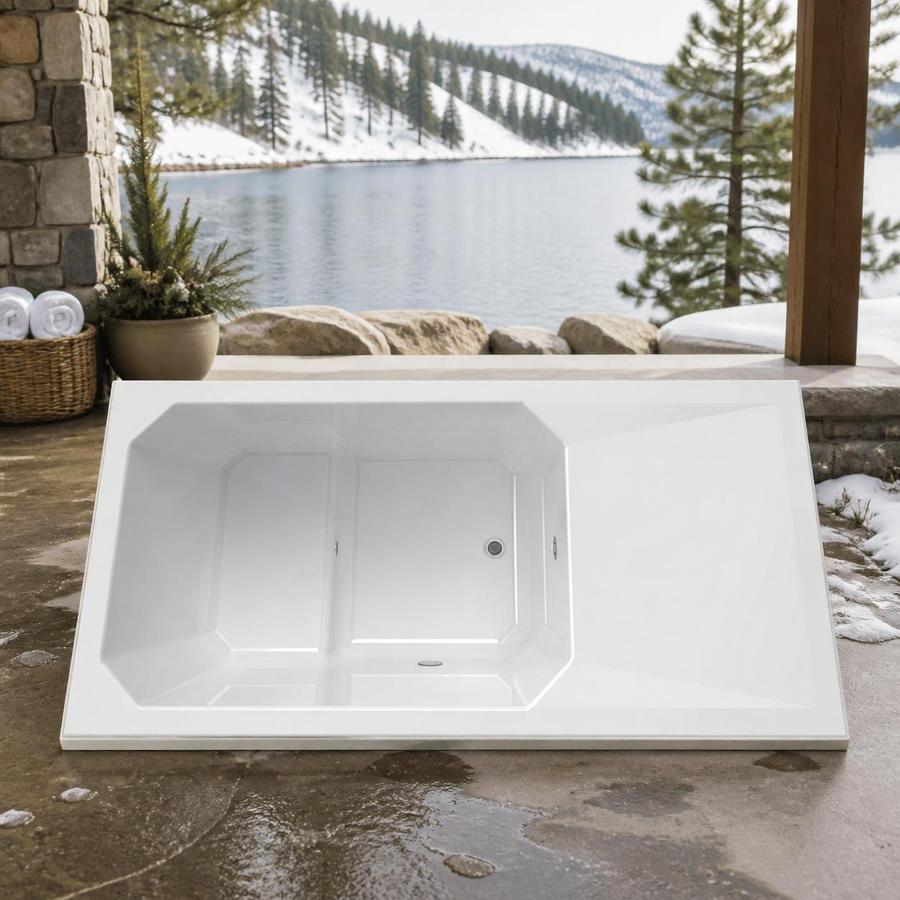
Cold makes muscles stiff, which makes basic mobility, like stepping in and out of a tub, trickier than it sounds. An ergonomic interior with a built-in step reduces the awkward scramble that happens when your hands are numb and your balance is already compromised by the cold. The C02’s spacious 320-liter basin includes an integrated resting step for this reason, along with a recessed drain fitting and suction vents that keep the interior functional rather than just decorative.
The exterior cabinet plays a different role. Vented composite panels allow airflow around the heat pump components, which supports consistent operation even when temperatures outside are working against the system. Weather resistance here isn’t a bonus feature, it’s the baseline requirement for anything left outdoors through winter.
How to Approach Your First Winter Sessions
Jumping straight into extended cold exposure during winter is where most people either quit early or push too far. A more measured approach tends to work better:
Start with short immersions, often under a minute, and gauge your body’s reaction before extending duration.
Keep a warm robe or towel within arm’s reach, since air temperature after exit can feel harsher in winter than the water itself.
Avoid plunging immediately after consuming alcohol or on an empty stomach, since cold stress adds strain to systems already under load.
Track how you feel over several sessions rather than judging the practice on one cold morning.
This isn’t about toughness. It’s about giving your circulatory system time to adapt to a stimulus that, frankly, most bodies aren’t naturally prepared for.
Frequently Asked Questions
Is a cold plunge in winter more effective than in summer? Effectiveness in terms of the physiological response, vasoconstriction and the subsequent rebound, doesn’t change much with season. What changes is the added strain from cold air during entry and exit, which is why temperature-controlled equipment matters more in winter.
Do I need a heated system if I only plunge occasionally? If sessions are infrequent, manual temperature management might work in milder regions. But in areas where outdoor water can freeze, a heat pump system prevents the tub from becoming unusable for stretches of the season.
How cold should the water be for recovery benefits? Manufacturer guidance and general practice both point toward consistency rather than extremes. A steady, controlled cold range delivered reliably is more useful than chasing the lowest possible number.
Can these tubs be used commercially? Based on the application scenarios outlined for products like the C02, commercial use in training facilities, spas, and wellness centers is a common and intended use case, alongside residential backyard setups.
Making the Practice Sustainable Through the Cold Months
A cold plunge in winter only becomes a habit if the friction is low. That means water that’s ready when you are, a step that doesn’t turn entry into a balancing act, and a cabinet built to handle whatever the season throws at it. For us at Victoria Star, that combination of dependable temperature control, a 320-liter ergonomic basin, and a weather-resistant exterior is what separates a tub used twice and forgotten from one that becomes part of a genuine winter recovery routine. Whether it’s set on a backyard deck, a resort terrace, or beside a coastal training facility, the goal stays the same: consistent, safe cold exposure, without the season working against you.
Victoria Star Swim Spa offers the perfect balance between exercise and relaxation, whether you want to swim for fitness or relax in the spacious seating.
Victoria Star Swim Spa offers the perfect balance between exercise and relaxation, whether you want to swim for fitness or relax in the spacious seating.