Cold Plunge in the Morning or at Night: Which Timing Actually Works Better
Home / News / Cold Plunge in the Morning or at Night: Which Timing Actually Works Better
September 28, 2026
Most people who buy a cold plunge tub ask the same question within the first week. Should the cold plunge happen in the morning or at night, and does the timing actually change the results? The honest answer is that both windows offer real benefits, but they trigger different physiological responses, so the right choice depends on what you’re trying to fix.
This matters more than it seems. A plunge session designed to wake you up can backfire badly if you do it two hours before bed. Understanding the mechanics behind cold exposure helps you place it correctly in your daily routine instead of guessing.
Why Timing Changes the Effect of Cold Water Immersion
Cold water immersion works primarily through vasoconstriction, the narrowing of blood vessels in response to low temperature. This process reduces inflammation and helps clear metabolic waste from tired muscles. It also triggers a release of endorphins and norepinephrine, which is where the timing debate really begins.
Norepinephrine is a stimulating hormone. It sharpens focus and raises alertness almost immediately after immersion. That’s a fantastic effect at 7 a.m. It’s a much less welcome effect at 10 p.m., right before you’re trying to wind down for sleep.
So the science isn’t really arguing about whether cold plunging works. It’s about matching a stimulating physiological event to the right part of your day.
Morning Cold Plunges: Built for Alertness and Circulation
A cold plunge first thing in the morning does something coffee can’t fully replicate. The sudden temperature drop forces blood vessels to constrict, then rebound once you step out, pushing oxygen-rich blood back through your tissues. This cycle of constriction and dilation is one of the more reliable ways to feel physically switched on within minutes.
There’s also a mental clarity component that shows up often in anecdotal reports from regular plungers. The shock of cold water demands your attention, and that forced presence tends to carry into the rest of the morning.
Common reasons people choose morning sessions include:
Faster wake-up than caffeine alone, without the afternoon crash
Circulation benefits that support an active day of training or physical work
A structured start to the day that reduces morning procrastination
Mood elevation from endorphin release, useful before high-pressure mornings
Athletes in particular gravitate toward early sessions. If a workout is scheduled a few hours later, the circulatory boost from a morning plunge can serve as a light primer for the muscles and joints involved.
Evening Cold Plunges: Recovery Without the Adrenaline Spike
Night sessions serve a completely different purpose. Most people who plunge in the evening aren’t chasing alertness. They’re targeting muscle recovery after a training session that happened earlier in the day, and they want the inflammation-reducing effects of cold immersion without disrupting sleep.
This is where timing precision actually matters. If you plunge right before bed, the norepinephrine spike can leave you wired instead of relaxed. Most experienced users leave a buffer of at least one to two hours between the plunge and lights-out, letting the initial stimulating effect fade before they try to sleep.
Used correctly, an evening plunge can:
Reduce muscle soreness accumulated from a full day of training or physical labor
Lower localized inflammation before the body enters its overnight repair cycle
Provide a mental reset after a stressful workday, separate from physical fitness goals
Neither window is objectively superior. It comes down to whether you need a stimulant effect or a recovery effect, and how your schedule accommodates the post-plunge alertness window.
Table: Morning vs Evening Cold Plunge Comparison
Factor
Morning Session
Evening Session
Primary benefit
Alertness, circulation, mood lift
Muscle recovery, inflammation reduction
Hormonal response
Norepinephrine spike aids wakefulness
Same spike requires a buffer before sleep
Best paired with
Pre-workout or start-of-day routine
Post-training or end-of-workday recovery
Risk if mistimed
Minimal, aligns with natural wake cycle
Can delay sleep onset if done too late
Ideal buffer
None needed
1-2 hours before bedtime
What Actually Determines the Right Choice for You
Rather than following a universal rule, it helps to work backward from your goal. Someone training for a marathon has different needs than someone using cold exposure purely for stress management.
A practical way to decide:
Identify whether your primary goal is energy or recovery.
If energy is the goal, schedule the plunge within the first hour of waking.
If recovery is the goal, plunge within a few hours after physical exertion, but not immediately before sleep.
Track how your body responds for two weeks before locking in a permanent schedule.
Adjust water temperature and session length based on comfort, not competition with other plungers.
This is also where having a plunge tub at home changes the equation entirely. Ice therapy studios and gyms operate on fixed hours, which forces your routine around their schedule rather than your body’s actual needs. A private setup removes that constraint completely.
Why an Outdoor Setup Makes Timing Flexibility Realistic
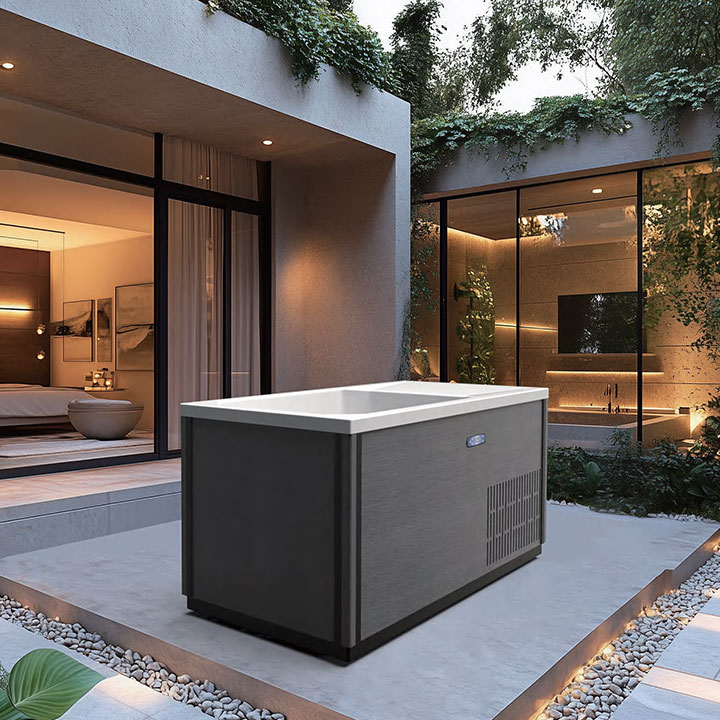
A dedicated cold plunge tub for the backyard or patio solves the scheduling problem at its root. When the equipment is available at 5 a.m. or 11 p.m., timing becomes a personal decision rather than a logistical one.
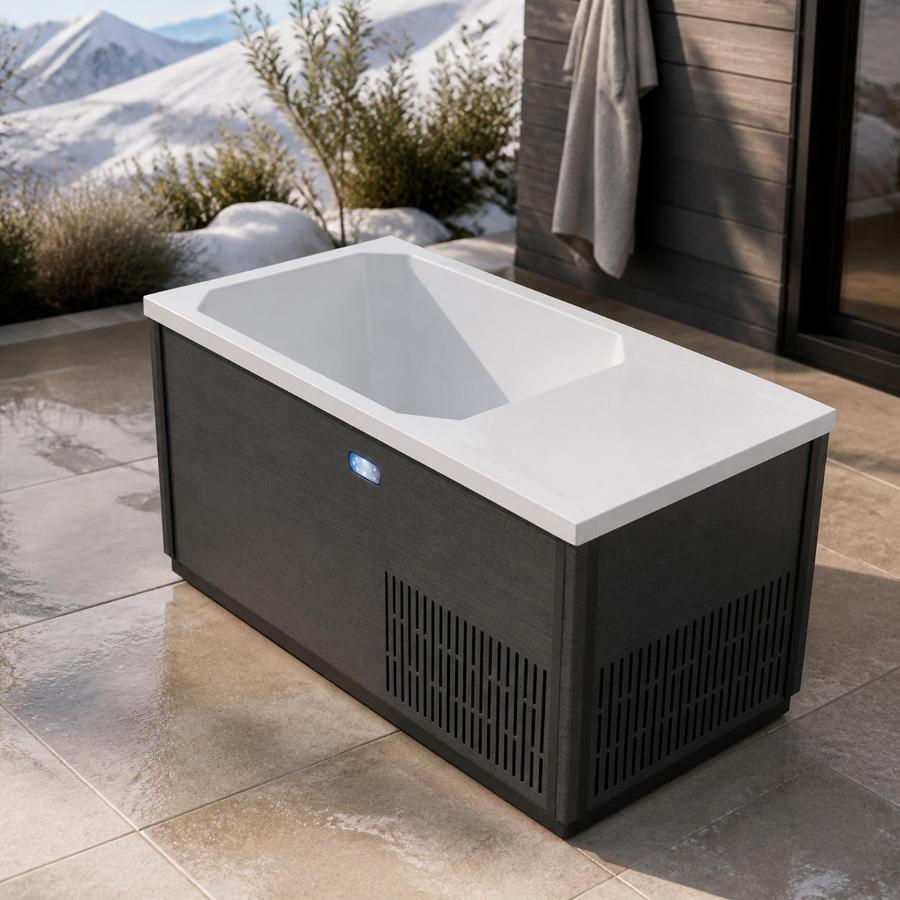
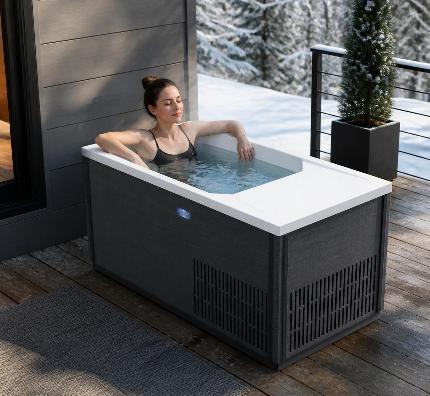
The Outdoor Cold Plunge Tub C02 was designed with this kind of flexibility in mind. According to its product specifications, it uses an integrated 900W heat pump system paired with a 54W brushless pump for temperature regulation. With a 320-liter capacity, it holds enough water to support full-body immersion for both quick morning resets and longer evening recovery sessions.
The tub’s porcelain acrylic shell is worth mentioning specifically because interior surface quality affects how the unit feels against skin during longer soaks, which matters more for evening recovery sessions where people tend to stay in longer.
For households running the tub twice a day, the ergonomic interior step also reduces the friction of entry and exit, which sounds minor until you’re doing it in the dark before sunrise.
Common Questions About Cold Plunge Timing
Does cold plunging in the morning burn more calories than at night? There isn’t strong evidence supporting a meaningful difference in calorie burn based on time of day. The variation comes from water temperature and immersion duration, not the clock.
Is it bad to cold plunge right before bed? It can be, for some people. The norepinephrine release after cold exposure tends to increase alertness, which may interfere with falling asleep if the session happens too close to bedtime.
How long should a cold plunge session last? Most users stay in for a few minutes at a time, gradually increasing duration as tolerance builds. Session length should be adjusted based on personal comfort rather than a fixed target.
Can I switch between morning and evening sessions depending on the day? Yes. Many people alternate based on their training schedule that day, using morning sessions before workouts and evening sessions afterward for recovery.
What water temperature is typical for a home cold plunge tub? This varies by personal tolerance and goals, and it’s worth adjusting gradually rather than starting at the lowest setting available on your unit.
Bringing It Back to Your Daily Routine
The debate over cold plunge in the morning or at night isn’t really about finding a universal winner. It’s about recognizing that cold exposure produces a stimulating hormonal response, and that response is useful at some hours and disruptive at others.
For energy, focus, and a genuinely different way to start the day, morning works well. For reducing soreness and calming an overworked body after training, evening sessions tend to fit better, provided there’s enough buffer before sleep. What actually makes this workable long-term is having equipment that doesn’t force your hand. Whether that means stepping into a cold plunge tub at sunrise on a quiet patio or unwinding with one after dark following a hard training day, the flexibility to choose is what turns cold therapy from an occasional experiment into a sustainable habit.
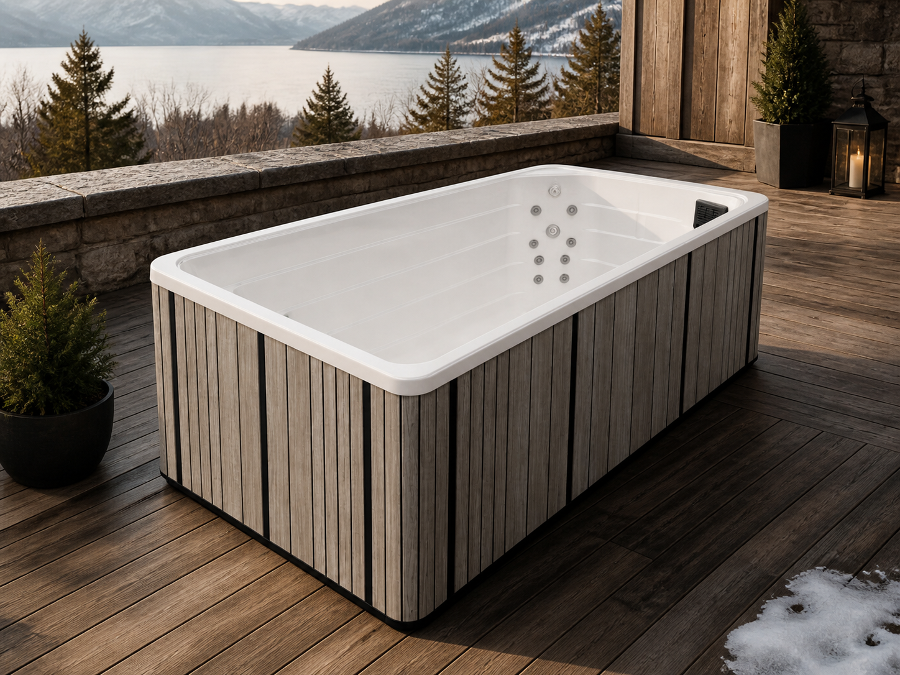
Victoria Star Swim Spa offers the perfect balance between exercise and relaxation, whether you want to swim for fitness or relax in the spacious seating.
Victoria Star Swim Spa offers the perfect balance between exercise and relaxation, whether you want to swim for fitness or relax in the spacious seating.