Cold Plunge in Ocean: What It Does and How to Bring It Home
Home / News / Cold Plunge in Ocean: What It Does and How to Bring It Home
September 29, 2026
A cold plunge in ocean water has become something of a ritual for athletes, surfers, and anyone chasing that jolt of clarity only cold immersion seems to deliver. There’s a reason the practice has stuck around long after the novelty wore off. It works on the body in ways that are measurable, not just anecdotal, and it’s cheap in theory if you happen to live near a coastline. The catch is that the ocean doesn’t care about your schedule, your recovery window, or the weather forecast. That inconsistency is exactly why more people are looking at ways to recreate the experience closer to home.
Why People Keep Coming Back to Cold Water
The appeal isn’t just about toughness or bragging rights. Cold water immersion triggers a physiological chain reaction: blood vessels constrict, circulation shifts, and the nervous system responds almost instantly. Athletes use it to manage soreness after heavy training. Others use it simply to reset a stressed-out nervous system before the workday even starts.
What makes ocean plunges appealing in the first place is the sensory experience layered on top of the physical one. Salt air, moving water, the unpredictability of waves. It’s immersive in a way a sterile clinical setting never could be. But that same unpredictability is a problem when consistency matters for recovery.
The Practical Problem With Ocean Cold Plunges
Anyone who has tried to make ocean plunges part of a regular recovery routine runs into the same obstacles. Water temperature swings with the seasons, tides shift daily, and access depends entirely on geography. A surfer in Southern California has a very different relationship with cold water than someone landlocked in Denver.
There are a few recurring friction points worth naming directly:
Temperature is out of your control. Ocean water might be ideal for cold therapy in winter and far too mild in summer, depending on your region.
Access isn’t guaranteed. Storms, tides, water quality advisories, and simple distance from the coast all interrupt consistency.
Safety is a real variable. Currents, marine life, and unpredictable conditions mean ocean plunging isn’t something to do casually or alone.
None of this makes the ocean a bad place for cold exposure. It just means relying on it exclusively for a structured recovery practice is difficult to sustain.
Bringing the Cold Plunge Experience Home
This is where dedicated cold plunge tubs have found their footing. Instead of waiting for the right tide or driving to the coast, people are installing systems that replicate the core benefit of a cold plunge in ocean water, precise, repeatable cold immersion, in a backyard, on a deck, or inside a training facility.
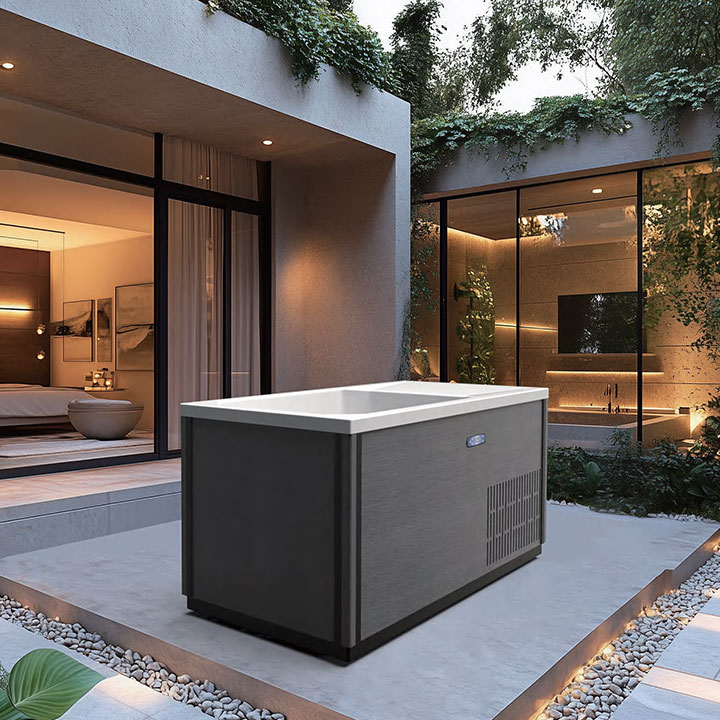
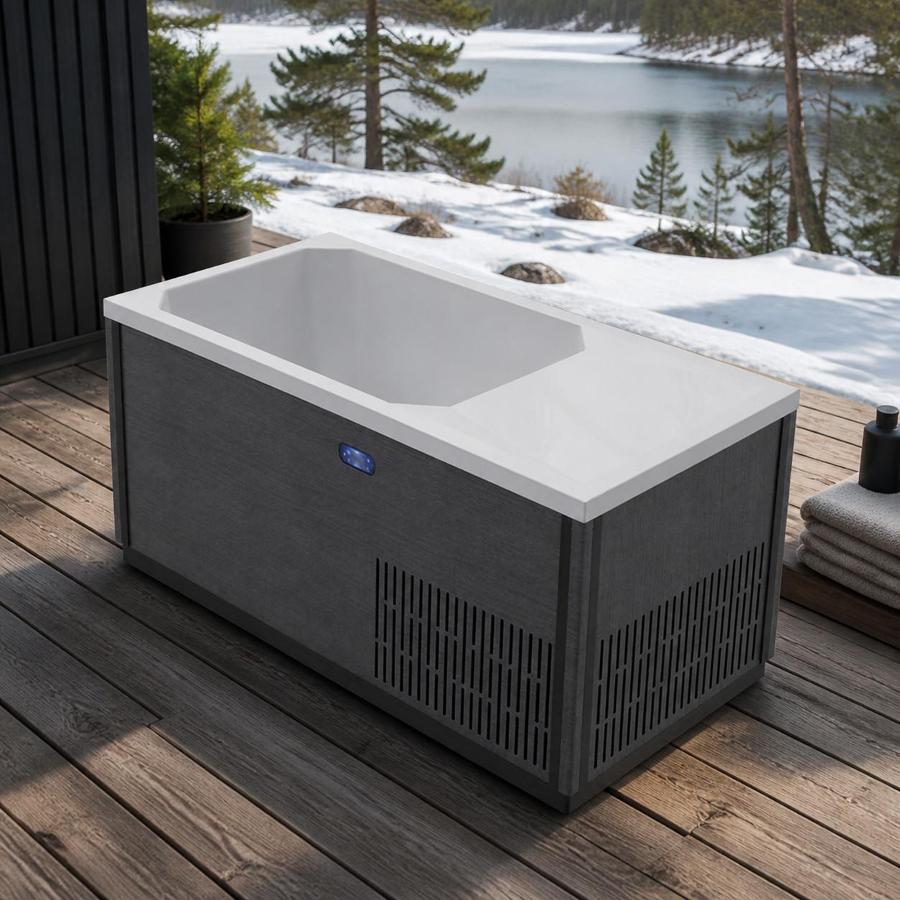
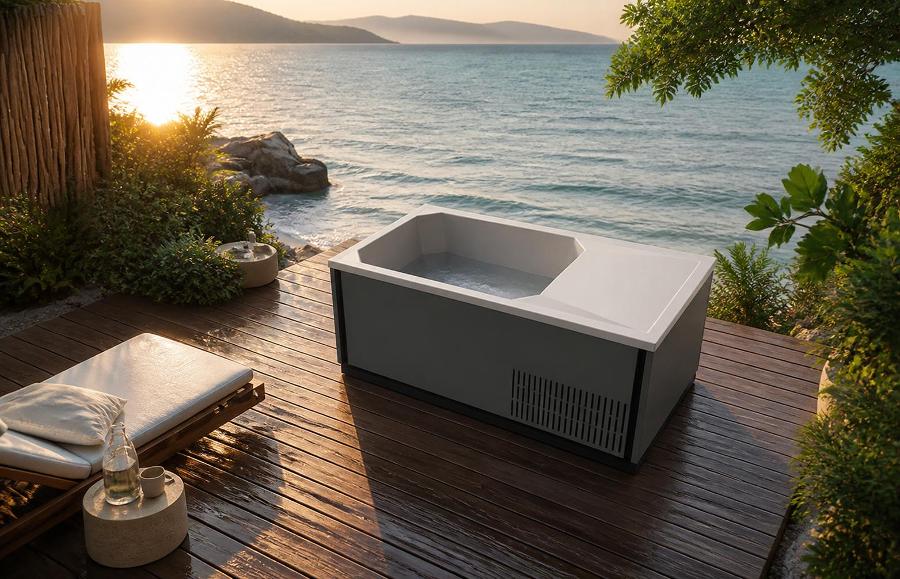
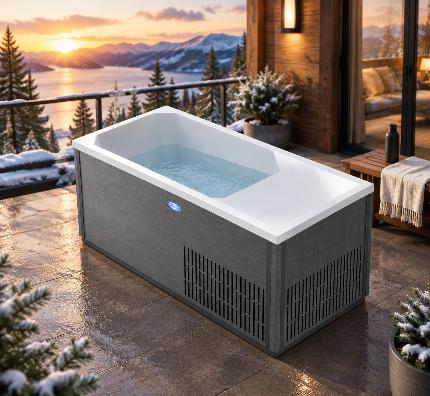
The Outdoor Cold Plunge Tub C02 was engineered with that consistency problem in mind. It pairs a 320-liter basin with an integrated 900W heat pump system and a 54W brushless pump, allowing the water temperature to be regulated rather than left to chance. That single feature addresses the biggest gap between ocean plunging and a home setup: control.
How Cold Immersion Actually Helps Recovery
It’s worth separating what’s well understood from what’s still marketing noise in this space. Cold water immersion is widely associated with a few specific physiological responses, and the C02’s design is built around supporting them rather than reinventing them.
Vascular response. Cold exposure causes blood vessels to constrict and then dilate once the body warms again, a cycle believed to help move blood and oxygen through tissue more efficiently.
Inflammation management. Many athletes use cold immersion after intense training specifically to help reduce the swelling and soreness that follows muscle exertion.
Mental state shift. Cold exposure is commonly reported to trigger a release of endorphins, which many users describe as a noticeable lift in mood and mental clarity immediately afterward.
These aren’t unique claims specific to one product. They’re the same underlying mechanisms that make an ocean cold plunge appealing in the first place. The difference is that a controlled tub lets you access them on your own schedule, at a temperature you’ve actually chosen.
What to Look for in a Home Cold Plunge Setup
Not every cold plunge tub on the market is built the same way, and the differences matter more than they might seem at first glance. Here’s what tends to separate a tub that holds up from one that becomes a maintenance headache.
Feature
Why It Matters
Heat pump control
Allows precise, repeatable temperature settings instead of relying on ambient conditions
Shell material
Porcelain acrylic resists staining and holds up better to daily use than lower-grade plastics
Cabinet construction
Weather-resistant panels with ventilation prevent moisture buildup in outdoor installations
Water capacity
Larger basins accommodate full-body immersion more comfortably for taller users
Interior ergonomics
A built-in step or seating ledge makes entry and exit safer, especially in cold conditions
The C02 checks these boxes with a 320L capacity, a porcelain acrylic shell, and vented composite cabinet panels finished in Platinum or Midnight tones. The unit measures 1695 mm by 830 mm by 850 mm and weighs 140 kg empty, which is a reasonable footprint for a backyard patio or a corner of a training facility without demanding major structural changes.
Where These Tubs Actually Get Used
Cold plunge tubs aren’t confined to elite training centers anymore, though that’s still one of their most natural homes. According to the product’s application data, installations span a wider range than most people expect:
Home backyard patios and private wellness courtyards
Professional sports training facilities and athlete recovery centers
Commercial wellness centers and boutique day spas
Luxury resort villas and coastal hospitality relaxation zones
That last category is worth pausing on. Resorts positioned along coastlines increasingly install these tubs even when the ocean is a few steps away. The reasoning tracks: guests want the sensory payoff of a cold plunge in ocean-adjacent surroundings without the tide schedule dictating when they can use it.
Choosing Between Ocean Plunging and a Dedicated Tub
The honest answer is that these aren’t really competitors. They serve overlapping but distinct needs, and the right choice depends on how you plan to use cold exposure.
If consistency matters more than scenery, a tub with heat pump control gives you a fixed temperature every session, which is important for anyone tracking recovery over time.
If you live far from the coast, a home setup removes the travel barrier entirely, which often means the difference between doing the practice regularly or not at all.
If safety is a concern, a contained tub eliminates the variables that come with open water, like currents and unpredictable depth.
If the sensory experience is the primary draw, nothing fully replaces an actual ocean plunge, and that’s fine. Many people use both, alternating between the ocean when conditions allow and a home tub the rest of the time.
Frequently Asked Questions
Is a cold plunge tub as effective as ocean cold plunging? The underlying physiological response, vascular constriction and dilation, is the same regardless of the water source. What changes is consistency. A tub with heat pump control lets you replicate the temperature range you’d get from a cold ocean session without depending on weather or tides.
What temperature is typically used for cold plunge therapy? Preferences vary by individual and experience level. A heat pump system like the one in the C02 allows the water to be adjusted to a consistent temperature, so users can find a range that suits their tolerance and gradually adjust over time.
Can these tubs be used outdoors year-round? The C02 is built with a weather-resistant exterior cabinet and vented composite panels designed for outdoor installation, according to the product specifications. Local climate and maintenance habits still play a role in long-term durability.
How much space does an outdoor cold plunge tub need? The C02 measures 1695 mm by 830 mm by 850 mm, roughly comparable to a large deep freezer footprint, making it suitable for most patios, decks, or dedicated recovery corners without extensive structural modification.
For us, the goal behind building tubs like the C02 has always been closing that gap between wanting the benefits of a cold plunge in ocean settings and actually having reliable access to them. Whether someone is training seriously, managing stress, or just curious about cold exposure, having a controlled, repeatable option at home makes the practice something that fits into daily life instead of depending on a coastline.
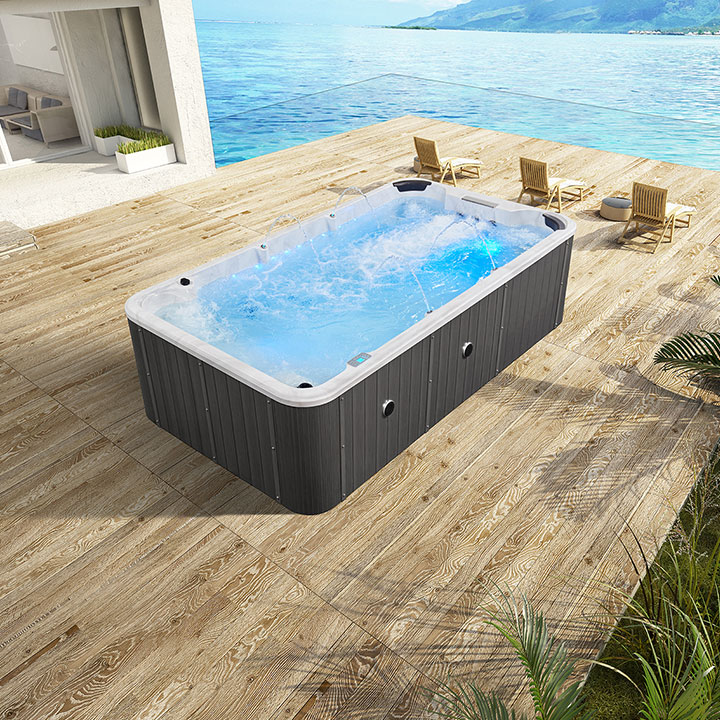
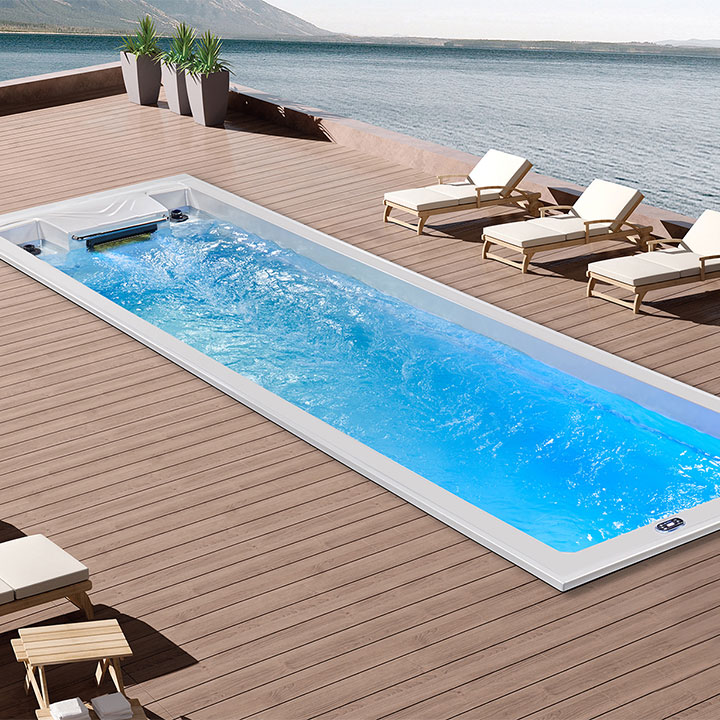
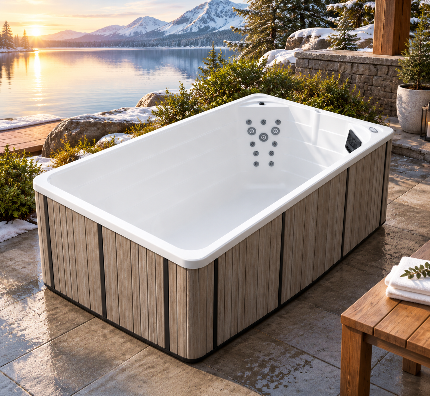
Victoria Star Swim Spa offers the perfect balance between exercise and relaxation, whether you want to swim for fitness or relax in the spacious seating.
Victoria Star Swim Spa offers the perfect balance between exercise and relaxation, whether you want to swim for fitness or relax in the spacious seating.