Cold Plunge in Lake vs. Backyard Ice Bath: What Actually Works
Home / News / Cold Plunge in Lake vs. Backyard Ice Bath: What Actually Works
September 26, 2026
Jumping into a cold plunge in lake water sounds simple enough. Walk in, grit your teeth, get out. But anyone who has tried it in early spring knows the reality is messier than the idea. Water temperature swings by the hour, currents shift without warning, and there’s no dial to turn if things go wrong. That unpredictability is exactly why so many athletes and wellness enthusiasts are rethinking where they take their cold exposure.
Why Lake Water Feels Different Every Time
A lake is a living system, not a controlled environment. Wind, depth, and time of day all push the surface temperature around, sometimes by several degrees within a single afternoon. Swimmers who plan a cold plunge in lake conditions often find the water colder near the shore in the morning and warmer by midday once sunlight has worked on the surface layer.
This variability isn’t necessarily bad. Natural water exposure connects people to seasonal rhythms, and there’s something genuinely calming about submerging in open water surrounded by trees or open sky. The problem is consistency. If someone is trying to build a recovery habit around a specific temperature range, a lake rarely gives them the same conditions twice.
The Hidden Risks of Open Water Cold Exposure
Cold shock response is a real physiological event, and it happens faster in open water than most people expect. Sudden immersion in cold water can trigger involuntary gasping, a spike in heart rate, and in some cases dangerous arrhythmias. Add in currents, uneven lake beds, or limited visibility, and the risk profile climbs quickly.
There’s also the logistics problem. Getting to a lake, checking conditions, and finding a safe entry point takes time that most people don’t have on a daily basis. For athletes trying to recover after training, or for anyone managing chronic soreness, that friction often means the habit just doesn’t stick.
Why Controlled Cold Therapy Has Gained Ground
This is where dedicated cold plunge equipment enters the conversation, not as a replacement for nature but as a practical alternative for repeatable results. A tub with regulated temperature control removes the guesswork. The water is the same today as it was yesterday, which matters more than people initially assume when they’re trying to track how their body responds over weeks or months.
Cold water immersion, whether in a lake or a tub, works through the same basic mechanism: exposure to cold causes blood vessels near the skin to constrict, which can help manage inflammation and reduce the sensation of muscle soreness after intense exercise. The physiological response doesn’t change based on location. What changes is the ability to control the dose.
What a Purpose-Built Cold Plunge Tub Offers
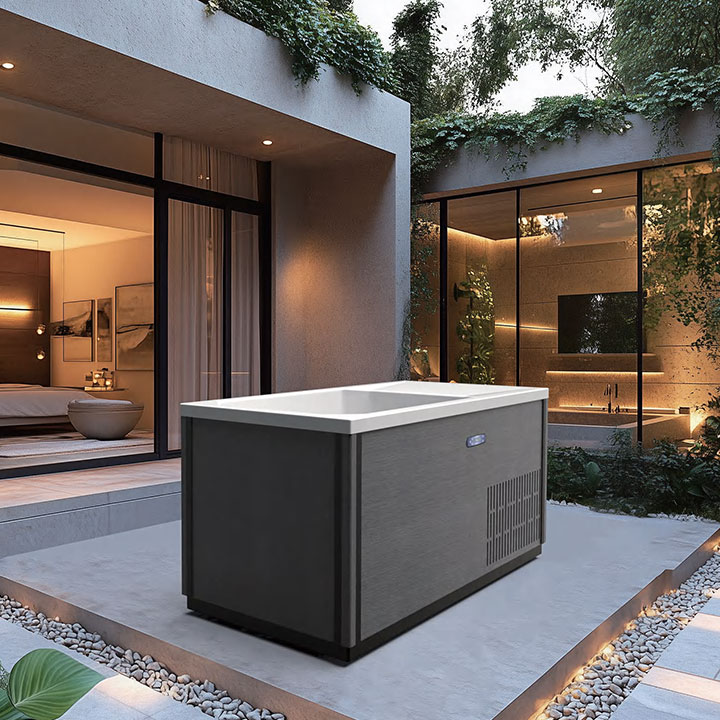
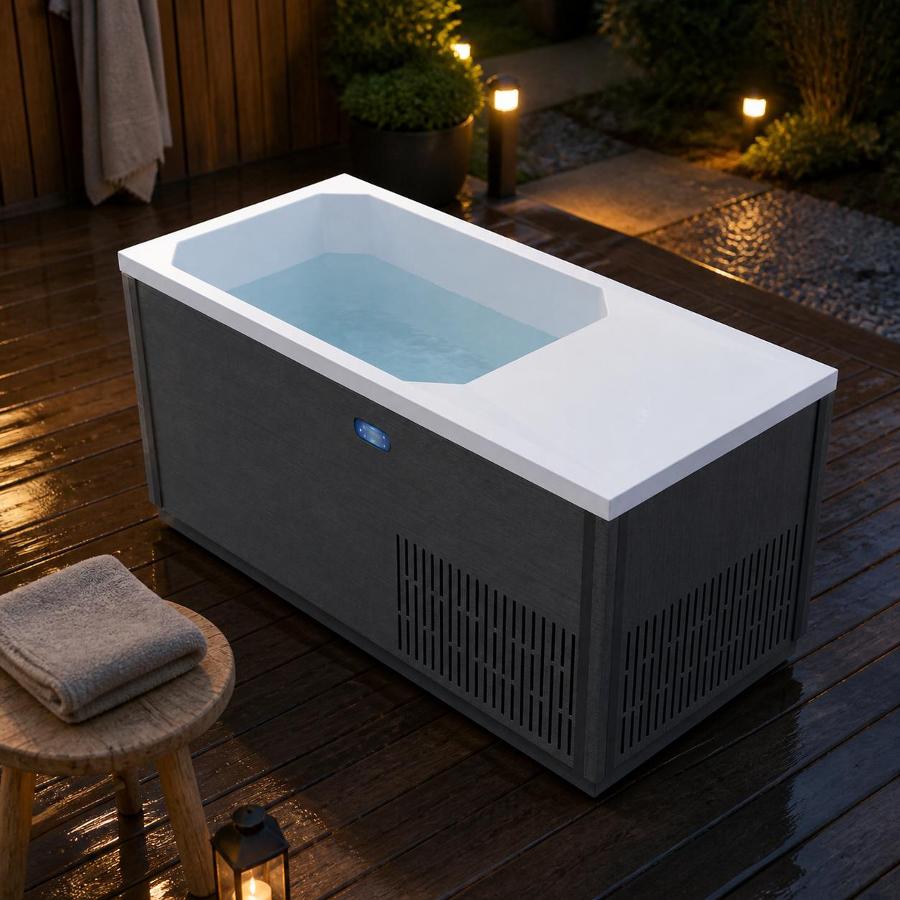
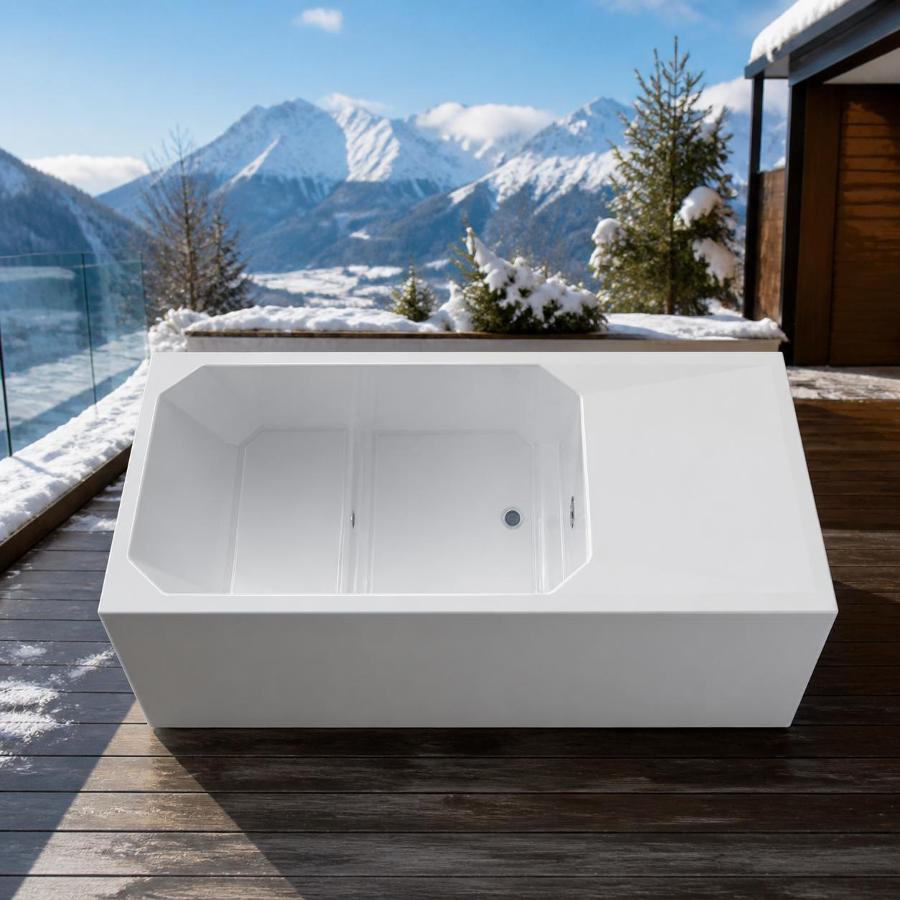
Take the Outdoor Cold Plunge Tub C02 as an example of how this equipment has evolved. According to the product specifications, it’s built around a 900W heat pump system paired with a 54W brushless pump, which keeps water temperature steady without the swings you’d get from a natural body of water. The 320-liter basin is sized for a full-body soak, with an integrated seating step that makes entry and exit less jarring on cold mornings.
The shell is made from a high-grade porcelain acrylic, chosen for its smooth interior surface and resistance to the kind of wear that comes from repeated cold and wet cycles outdoors. Around it sits a weather-resistant composite cabinet, available in Platinum or Midnight finishes, with vented panels that support the internal cooling components.
Comparing Lake Plunges and Tub-Based Cold Therapy
Factor
Cold Plunge in Lake
Dedicated Cold Plunge Tub
Temperature consistency
Varies with season, weather, time of day
Regulated by heat pump control
Accessibility
Requires travel to a natural water source
Installed at home or facility
Safety considerations
Currents, depth, visibility, cold shock risk
Controlled depth and entry, step included
Water capacity
Effectively unlimited
320 L, sized for single-user immersion
Maintenance
None, but water quality is uncontrolled
Requires standard water care routines
Seasonal use
Limited by climate and water access
Usable year-round outdoors
Neither option is universally better. Someone who lives near a clean, accessible lake and only plunges occasionally may never need a tub. But for daily or weekly recovery routines, especially in climates where lakes freeze over or dry up seasonally, a controlled tub closes the gap that open water leaves behind.
Where This Equipment Fits in Real Settings
The application isn’t limited to backyard wellness. Athletic training facilities use cold immersion as a standard part of recovery protocols after high-intensity sessions, and having a tub on-site means athletes don’t have to travel to a lake or river between practices. Commercial wellness centers and boutique spas have picked up the same equipment for similar reasons, since guests expect a predictable, sanitary experience rather than a seasonal one.
Residential use tends to center on the backyard patio or deck, often positioned near an existing hot tub or pool for contrast therapy. The insulated cover included with the C02 helps retain temperature between sessions and keeps debris out when the tub isn’t in use, which matters more outdoors than it would in a covered space.
How to Decide Between Natural Water and a Tub
Choosing between a lake and a dedicated tub comes down to a few practical questions rather than personal preference alone.
How often will cold exposure happen? Occasional plunges suit natural water; daily or weekly routines benefit from consistent equipment.
What’s the local climate? Regions with long winters or dry seasons limit lake access for months at a time.
Who else needs access? Shared facilities like training centers or spas need repeatable, sanitary conditions for multiple users.
What’s the tolerance for risk? Open water carries variables that a controlled tub simply doesn’t have.
Is there space for installation? A 1695 mm by 830 mm footprint is compact enough for most patios or decks.
Answering these honestly usually points toward one option over the other, and sometimes the answer is both, using a lake seasonally while relying on a tub the rest of the year.
Common Questions About Cold Plunge Practices
Is a cold plunge in lake water more effective than a tub? The physiological response to cold immersion is similar regardless of the water source. What differs is the ability to control temperature and repeat the exposure reliably in a tub.
How cold should the water be for recovery purposes? Many people target a range that feels intensely cold but tolerable for several minutes, though exact preferences vary and anyone with cardiovascular concerns should consult a physician before starting.
Can a cold plunge tub be used outdoors year-round? The C02’s weather-resistant cabinet and heat pump system are designed for outdoor installation, though local climate extremes should be factored into placement and cover use.
Does the tub require a lot of maintenance? Basic water care routines apply, similar to a small spa, and the included insulated cover helps reduce debris and heat loss between uses.
Bringing Cold Therapy Into a Reliable Routine
The appeal of a cold plunge in lake water is real, and there’s no substitute for that open-air experience when conditions cooperate. But relying on nature for a recovery routine introduces variables most people can’t control on a tight schedule. For us at Victoria Star, that gap is exactly why equipment like the C02 exists, giving people the same cold therapy benefits without waiting for the right lake conditions to line up. Whether someone is managing athletic recovery or simply building a calmer daily habit, a dependable setup often matters more than the setting itself.
Victoria Star Swim Spa offers the perfect balance between exercise and relaxation, whether you want to swim for fitness or relax in the spacious seating.
Victoria Star Swim Spa offers the perfect balance between exercise and relaxation, whether you want to swim for fitness or relax in the spacious seating.