Cold Plunge HSA: Can You Use HSA Funds for a Cold Plunge Tub
Home / News / Cold Plunge HSA: Can You Use HSA Funds for a Cold Plunge Tub
September 28, 2026
Anyone researching cold plunge HSA eligibility usually lands here for one reason. They already know the physical benefits of cold immersion, and now they’re trying to figure out if a health savings account can offset the cost. It’s a fair question, since a quality outdoor cold plunge tub isn’t cheap, and stacking pre-tax dollars against that expense makes a real difference.
The short answer is that it depends on documentation, not the product itself. HSA and FSA administrators care less about what you’re buying and more about why you’re buying it. That distinction shapes everything else in this article.
Why HSA Eligibility Isn’t Automatic for Cold Plunge Tubs
The IRS doesn’t publish a list of approved wellness equipment. Instead, it relies on a broader standard: the expense must be primarily for the diagnosis, treatment, mitigation, or prevention of a specific medical condition. General fitness or relaxation doesn’t meet that bar on its own.
This is where a lot of confusion starts. Cold water immersion has documented physiological effects, things like vasoconstriction and reported reductions in inflammatory markers, and people naturally assume that anything with a documented health benefit should qualify. But the tax code doesn’t work off physiology. It works off intent and paperwork.
A cold plunge tub purchased purely for daily wellness sits in a gray zone. The same tub, purchased to treat a diagnosed condition under a doctor’s guidance, can move into eligible territory. The hardware never changes. The justification does.
The Letter of Medical Necessity: Your Actual Path to Reimbursement
If there’s one document that determines whether cold plunge HSA spending gets approved, it’s the Letter of Medical Necessity, or LMN. This is a short statement from a licensed healthcare provider explaining why cold immersion therapy is medically appropriate for you.
A strong LMN typically includes a few things:
A diagnosed condition, such as chronic muscle inflammation, a specific orthopedic injury, or a documented recovery need following surgery or intensive athletic training.
A clear statement that cold water immersion is being recommended as treatment, not as general wellness.
Expected duration and frequency of use, since administrators often want a treatment window rather than open-ended lifestyle language.
Without this letter, most HSA administrators will decline the claim if it’s ever audited. With it, the odds shift considerably in your favor. It’s worth noting that even a well-written LMN doesn’t guarantee approval, since each plan administrator applies its own review standard.
Who Realistically Qualifies
Athletes recovering from documented soft tissue injuries are the most common approved case. Physical therapists and sports medicine physicians increasingly recommend cold immersion as part of a structured recovery plan, which gives the LMN a concrete clinical basis.
People managing chronic inflammatory conditions, under a physician’s active treatment plan, sometimes qualify as well. The key word is active. A vague mention of "cold therapy helps inflammation" during a routine checkup won’t carry the same weight as a documented treatment protocol tied to a diagnosis.
General consumers buying a tub for stress relief or as a home recovery habit, without an underlying diagnosis, typically don’t qualify. That’s not a flaw in the system, it’s just how HSA rules are structured across nearly all eligible expense categories, from ergonomic chairs to air purifiers.
What to Ask Your HSA Administrator Before You Buy
Skipping this step is where most people run into trouble later. A few questions can save a lot of frustration during tax season:
Does the plan require pre-approval for large equipment purchases, or only documentation at the time of an audit?
Is a Letter of Medical Necessity sufficient on its own, or does the administrator also require ongoing treatment notes?
Are partial reimbursements possible if the tub serves both medical and general wellness use?
Getting these answers in writing, even a simple email confirmation, gives you something concrete if a claim is questioned months down the line.
Choosing a Cold Plunge Tub That Supports a Medical Use Case
Once the paperwork side is settled, the equipment itself still matters. A tub that can’t maintain consistent low temperatures undermines the very treatment protocol your LMN describes. This is where mechanical specifications stop being marketing details and start being relevant to the medical justification itself.
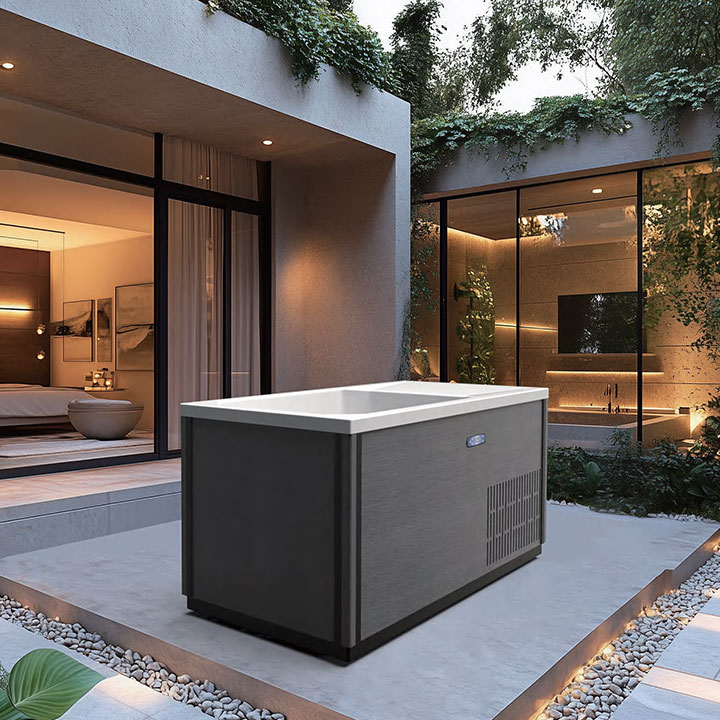
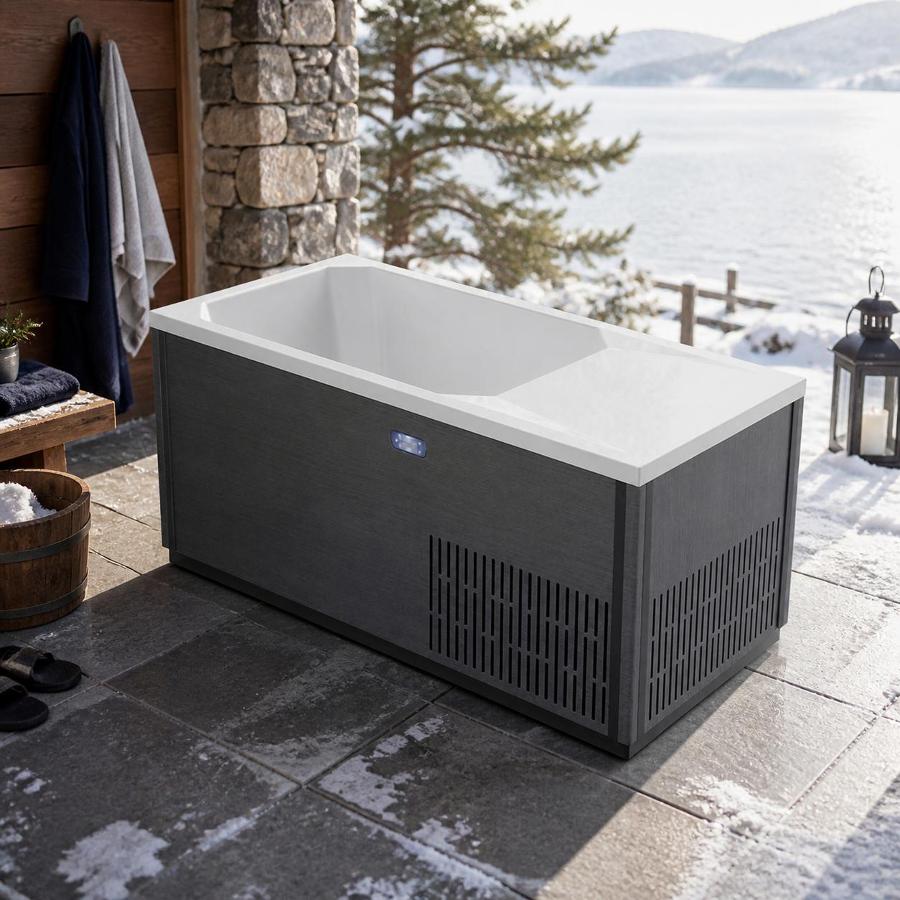
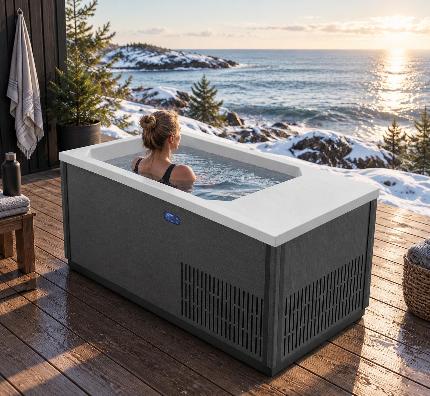
The Outdoor Cold Plunge Tub C02, for example, uses a 900W integrated heat pump paired with a 54W brushless pump to hold precise low-temperature immersion rather than relying on ice alone. According to the product’s specifications, this pairing is designed to support consistent immersion sessions, which for someone following a physician-recommended recovery schedule can help turn an occasional cold soak into a repeatable, documentable therapy session.
Here’s a quick look at how the core specifications translate into practical use:
Specification
Detail
Why It Matters for Recovery Use
Water Capacity
320 L
Full-body immersion for consistent therapeutic coverage
Heater Output
900 W
Maintains stable low temperatures without manual ice cycles
Pump Power
54 W brushless
Quiet, energy-efficient circulation during longer sessions
Shell Material
Porcelain acrylic
Smooth, durable interior suited to daily use
Dimensions
1695 × 830 × 850 mm
Fits patios, decks, and training facility corners
The tub’s exterior cabinet is available in Platinum or Midnight, both finished with a wood-grain composite panel that includes ventilation slots for the heat pump system. It’s a detail that matters more than people expect, since equipment placed outdoors year-round needs airflow to keep the mechanical components from overheating.
Home Setup Versus Facility Use
Where the tub lives changes how you’ll use the documentation. A private backyard installation, common on patios and decks, works well for individuals managing a personal recovery routine tied to their LMN. The integrated entry step and 320-liter basin make daily solo sessions manageable without needing a facility attendant.
Sports training centers and recovery clinics represent a different use case entirely. Here, the tub often serves multiple patients or athletes under a facility-wide protocol, which shifts the reimbursement conversation from an individual HSA claim to a business expense category. That’s a separate tax question outside HSA rules, but it’s worth knowing the distinction if you’re evaluating equipment for a clinic rather than personal use.
Common Misconceptions Worth Clearing Up
"If a product page mentions health benefits, it must be HSA eligible." Marketing language and IRS eligibility are unrelated. A tub can genuinely support blood circulation and recovery, as described in product literature, while still not qualifying without proper medical documentation behind the purchase.
"My gym membership was HSA eligible, so this should be too." Gym memberships are almost never HSA eligible either, unless tied to a specific diagnosed condition and prescribed exercise program. The comparison doesn’t hold up.
"An LMN guarantees reimbursement." It significantly improves your odds, but administrators still reserve the right to review and deny claims, particularly if the letter is vague or lacks a clear diagnosis.
Frequently Asked Questions
Can I use FSA funds the same way as HSA funds for a cold plunge tub? FSA plans generally follow the same medical necessity standard as HSA plans, though specific administrators and employer plan documents can vary. Check your plan’s summary of benefits before assuming parity.
Does the brand or model of the tub affect HSA eligibility? No. Eligibility is based on medical necessity documentation, not the manufacturer or specific features of the unit itself.
What happens if my HSA claim gets audited and I don’t have an LMN? The claim can be reclassified as a non-qualified expense, which may trigger taxes and a penalty on the withdrawn amount. Keeping documentation on file before you file is the safer route.
Can I submit a claim retroactively after buying the tub without prior approval? Some plans allow this if you obtain the LMN afterward, but others require documentation to exist before or at the time of purchase. This varies enough that a direct question to your administrator is worth the five minutes it takes.
Making the Decision With Clear Eyes
Cold plunge HSA eligibility isn’t a yes or no answer sitting on a product page, it’s a question that depends entirely on your medical documentation and your plan administrator’s interpretation of it. Talk to a physician first, get the LMN in writing, and confirm the specifics with your HSA provider before assuming the purchase qualifies.
For us at Victoria Star, the role is straightforward: build a cold plunge tub reliable enough to support whatever recovery protocol a physician outlines, whether that’s a backyard installation or a training facility setup. The heat pump system and 320-liter basin are built for repeated, consistent use, which is exactly what a documented treatment plan requires. Whether or not the purchase ultimately qualifies under your HSA rests with your provider and administrator, not the equipment itself, but having a tub built for daily reliability at least keeps that part of the equation simple.
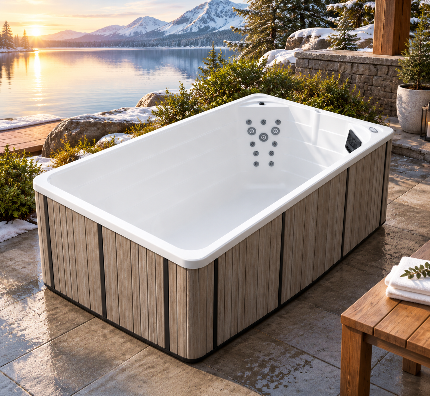
Victoria Star Swim Spa offers the perfect balance between exercise and relaxation, whether you want to swim for fitness or relax in the spacious seating.
Victoria Star Swim Spa offers the perfect balance between exercise and relaxation, whether you want to swim for fitness or relax in the spacious seating.