Cold Plunge During Period: What Actually Happens to Your Body
Home / News / Cold Plunge During Period: What Actually Happens to Your Body
September 27, 2026
Cramping through another cycle and wondering if a cold plunge during period would help or hurt is a fair question. Cold exposure changes blood flow and hormone response in ways that matter a lot when you’re bleeding. This guide breaks down the physiology, the risks, and how to adjust your routine so cold therapy works with your cycle instead of against it.
Why Period Pain Makes You Consider Cold Therapy
Menstrual cramps come from prostaglandins, compounds that trigger uterine contractions to shed the lining. Higher prostaglandin levels mean stronger cramps, and for some people that pain radiates into the lower back and thighs.
Cold water immersion is known for reducing inflammation and numbing sore tissue after exercise. It’s not surprising that people in pain reach for the same tool. The question is whether a menstrual cycle responds the same way a strained hamstring does. It doesn’t, not exactly, and that distinction shapes everything else in this article.
What Cold Water Does to Circulation and Cramps
Cold immersion causes vasoconstriction, a narrowing of blood vessels near the skin. This is the same mechanism athletes rely on to reduce swelling after training. When you get out, blood vessels dilate again, and that rebound in circulation is where a lot of the perceived relief comes from.
For menstrual cramps, the effect is mixed. Some people report that a brief cold session dulls pelvic pain temporarily, likely through numbing and distraction rather than a direct fix on prostaglandins. Others feel their lower abdomen tense up further, since cold exposure can trigger muscle guarding in that region. There isn’t a universal reaction here, so pay attention to how your own body responds rather than assuming the outcome.
Hormonal Shifts That Change How Cold Feels
Estrogen and progesterone both drop sharply right before and during menstruation. This hormonal dip affects thermoregulation, meaning your body may struggle more than usual to warm back up after cold exposure. Some people notice they feel colder for longer during this phase of the cycle compared to others.
Lower estrogen has also been linked to changes in pain perception, which is part of why cramps can feel more intense at certain points in the cycle. Combining that heightened sensitivity with a cold stress response is not inherently dangerous, but it does mean the same plunge that felt invigorating two weeks ago might feel sharper and less tolerable now.
When Cold Plunging During Your Period Is Not a Good Idea
There are specific situations where stepping into cold water while on your period deserves more caution than usual.
Heavy bleeding days: Vasoconstriction can theoretically influence flow, and some people notice a temporary change in bleeding pattern after cold exposure, though this varies person to person.
Severe cramping or dizziness: If you’re already lightheaded from blood loss, cold shock response adds cardiovascular stress you don’t need.
History of fainting in cold water: The initial gasp response and heart rate spike from cold immersion can worsen pre-existing dizziness.
Active infection or fever: Cold exposure is not a substitute for rest when your immune system is already working hard.
If any of these apply, it’s reasonable to skip the plunge that day and revisit it once symptoms ease.
Adjusting Duration and Temperature for Your Cycle
Cold plunge protocols built for athletic recovery usually run colder and longer than what’s comfortable during menstruation. Shortening the session and raising the temperature slightly is a practical middle ground rather than an all-or-nothing decision.
Start with water in the higher end of the cold therapy range rather than the coldest setting available.
Limit immersion to a few minutes instead of a longer athletic recovery session.
Keep your torso and pelvic area out of direct cold stream if using a plunge with active water circulation.
Warm up gradually afterward instead of jumping straight into a hot shower, which can cause a jarring vascular swing.
This isn’t about avoiding cold plunging entirely during your period. It’s about recalibrating intensity so the practice supports recovery instead of adding another stressor to a body already working overtime.
Setting Up a Cold Plunge Routine That Fits a Full Cycle
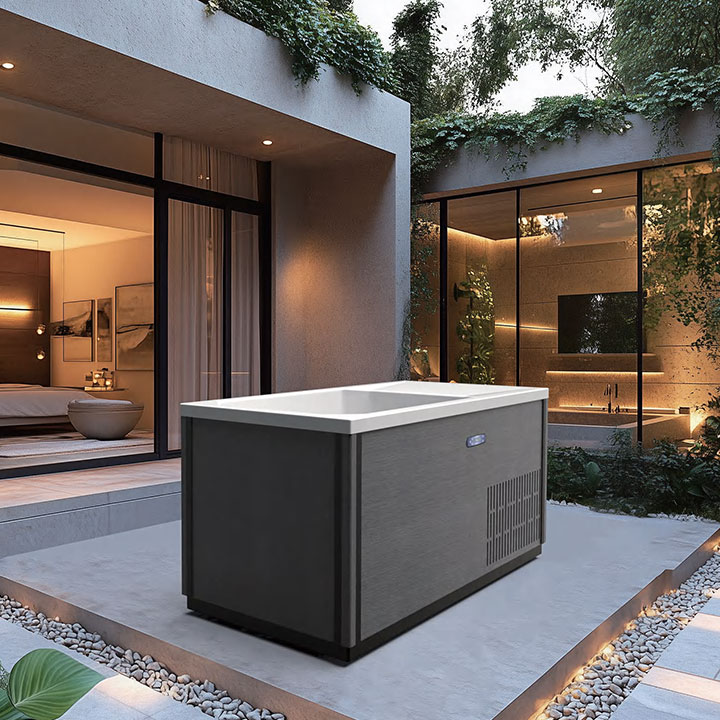
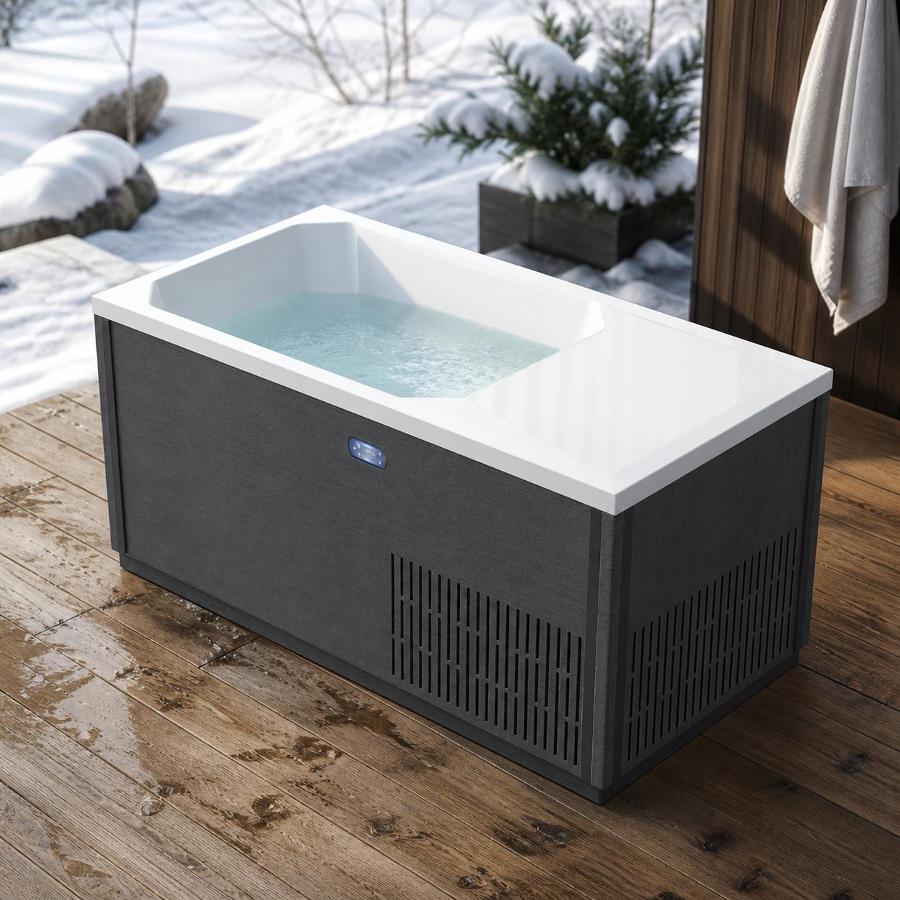
A tub with reliable temperature control matters more during menstruation than at any other point in the month, since tolerance shifts week to week. The Outdoor Cold Plunge Tub C02 uses an integrated 900W heat pump system paired with a 54W brushless pump, which according to the product specifications allows for precise, consistent low-temperature immersion rather than guessing based on ambient conditions. That kind of control makes it easier to dial back intensity on heavier days without abandoning the routine altogether.
The tub’s 320-liter capacity and ergonomic interior step are worth noting for anyone easing into a shorter, gentler session, since the seated entry reduces the shock of sudden full-body immersion. For people managing cramps, that gradual entry can matter as much as the water temperature itself.
Comparing Cold Plunge Habits Across Cycle Phases
Cycle Phase
Typical Sensitivity to Cold
Suggested Adjustment
Follicular (post-period)
Standard tolerance
Regular duration and temperature
Ovulation
Slightly elevated tolerance
Regular protocol usually fine
Luteal (pre-period)
Increased sensitivity, possible bloating
Shorter sessions, moderate temperature
Menstrual
Highest sensitivity, cramping, fatigue
Brief sessions, warmer end of range, skip on heavy days
This isn’t a rigid rulebook, since individual response to cold varies widely. It’s a starting framework to test against how your own body actually reacts.
Frequently Asked Questions
Does cold water stop period cramps completely? No. Cold exposure may dull pain temporarily through numbing and distraction, but it doesn’t address the prostaglandin activity causing the cramps in the first place.
Can a cold plunge during period make bleeding heavier or lighter? Some people report short-term changes in flow due to vasoconstriction, but there’s no consistent pattern, and any noticeable change is usually temporary.
Is it safe to cold plunge on the first day of a period? For most healthy individuals, yes, as long as you’re not dealing with severe cramping, dizziness, or unusually heavy bleeding that day.
Should the water be colder or warmer during menstruation? Leaning toward the warmer end of your usual cold plunge range is a reasonable adjustment, since the body is already managing more physiological stress.
Does a heated recovery tub help more than a standard ice bath during this time? Having temperature control, like the heat pump system on the C02 tub, gives more flexibility to moderate intensity day by day instead of committing to one fixed setting.
Listening to Your Body Over the Full Month
Cold plunge during period use isn’t something to approach the same way every single cycle. Energy levels, cramp intensity, and cold tolerance shift, sometimes dramatically, from one month to the next. The most sustainable approach treats each session as a check-in rather than a fixed protocol, adjusting duration and temperature based on how you actually feel that day rather than what worked two weeks earlier.
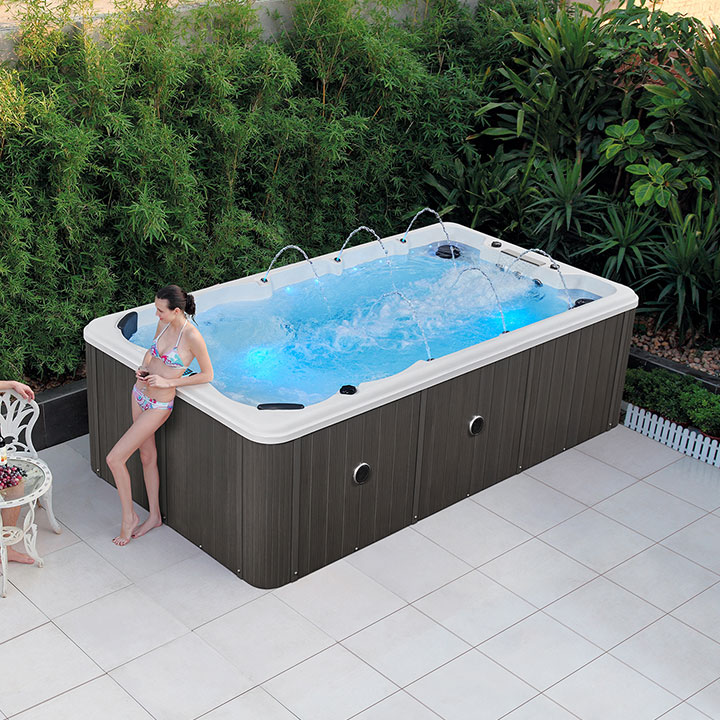
Victoria Star Swim Spa offers the perfect balance between exercise and relaxation, whether you want to swim for fitness or relax in the spacious seating.
Victoria Star Swim Spa offers the perfect balance between exercise and relaxation, whether you want to swim for fitness or relax in the spacious seating.