Cold Plunge Diarrhea: Why Ice Baths Upset Your Gut and How to Prevent It
Home / News / Cold Plunge Diarrhea: Why Ice Baths Upset Your Gut and How to Prevent It
September 27, 2026
Cold plunge diarrhea catches a lot of first-timers off guard. You step out of an ice bath feeling sharp and alert, then twenty minutes later you’re sprinting for the bathroom. It’s not in your head, and it’s not a sign you did something wrong. It’s a predictable physiological response to sudden cold exposure, and once you understand why it happens, you can train your way around it.
What Cold Plunge Diarrhea Actually Is
The term describes gastrointestinal urgency, cramping, or loose stools that show up shortly after cold water immersion. It’s more common in beginners than seasoned plungers, and it tends to fade as the body adapts to repeated exposure. Some people notice it after just one session; others only experience it once they push past their usual duration or temperature.
This isn’t a niche complaint either. Search around cold plunge forums and you’ll find the topic comes up almost as often as questions about ideal water temperature. That tells you something: the gut’s reaction to cold is a real, shared experience, not an isolated fluke.
Why Cold Exposure Triggers Digestive Distress
Cold water immersion causes rapid vasoconstriction, the narrowing of blood vessels near the skin’s surface. This is a defense mechanism to preserve core temperature. Blood gets redirected away from the digestive tract and toward vital organs, and that shift can disrupt normal gut motility.
At the same time, the body’s sympathetic nervous system kicks into gear. Heart rate rises, breathing quickens, and stress hormones like cortisol and adrenaline surge. This is the same fight-or-flight cascade that’s known to loosen the bowels during other high-stress moments, like before a big race or a nerve-wracking interview.
A few contributing factors make the response worse for some people than others:
Cold water on an empty or overly full stomach. Both extremes seem to aggravate gut sensitivity during immersion.
Breath-holding or shallow breathing. Panicked breathing patterns increase abdominal pressure and nervous system stress.
Excessive immersion time. Staying in far longer than the body has adapted to amplifies the vasoconstriction effect.
Pre-existing digestive sensitivity. People with IBS or similar conditions often report a stronger reaction.
None of this means cold plunging is unsafe for most healthy adults. It means the gut is reacting to a legitimate physiological stressor, the same way skin reddens or breath quickens.
How to Reduce the Risk Before You Plunge
Timing and preparation matter more than people expect. A few adjustments can meaningfully cut down on post-plunge digestive issues.
Avoid plunging immediately after a large meal. Give your body at least an hour to begin digestion before introducing cold stress.
Stay hydrated, but don’t overdo it right before immersion. Dehydration and overhydration both seem to worsen gut discomfort in cold water.
Start with shorter sessions. Two to three minutes is a reasonable starting point; extending duration should happen gradually over weeks, not days.
Practice controlled breathing. Slow, steady exhales during the first minute help calm the sympathetic response that contributes to gut upset.
Ease into colder temperatures. Jumping from room temperature water straight to the lowest setting is more likely to trigger a strong stress response than a gradual reduction over several sessions.
Consistency also plays a role here. People who plunge regularly tend to report fewer digestive symptoms over time, which lines up with what’s generally understood about the body adapting to repeated cold exposure.
When to Pay Attention to Your Body’s Signals
Mild cramping or a single loose stool after a plunge usually isn’t cause for concern. But there’s a difference between a passing adaptation response and a sign that something needs adjusting.
Pay closer attention if you notice:
Symptom
Likely Cause
Suggested Action
Mild cramping, resolves within an hour
Normal vasoconstriction response
No action needed, monitor over time
Recurring diarrhea after every session
Session duration or temperature too aggressive
Shorten time, raise temperature slightly
Dizziness plus GI upset
Possible dehydration or overexposure
Exit immediately, rehydrate, rest
Symptoms lasting more than a day
Unrelated digestive issue
Consult a healthcare provider
If digestive symptoms persist beyond the plunge session or come with other concerning signs like dizziness, chest discomfort, or prolonged nausea, that’s a signal to scale back and speak with a doctor rather than push through.
Setting Up an Ice Bath That Works With Your Body, Not Against It
The equipment you use shapes the experience just as much as your own physiology does. A tub that holds temperature inconsistently or heats unevenly can turn a controlled cold exposure into a chaotic one, which makes it harder to fine-tune duration and intensity as you build tolerance.
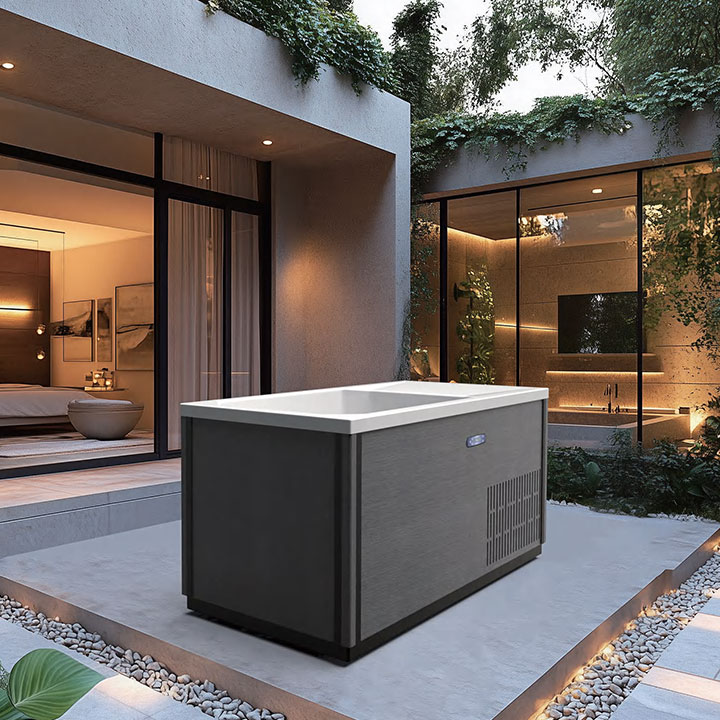
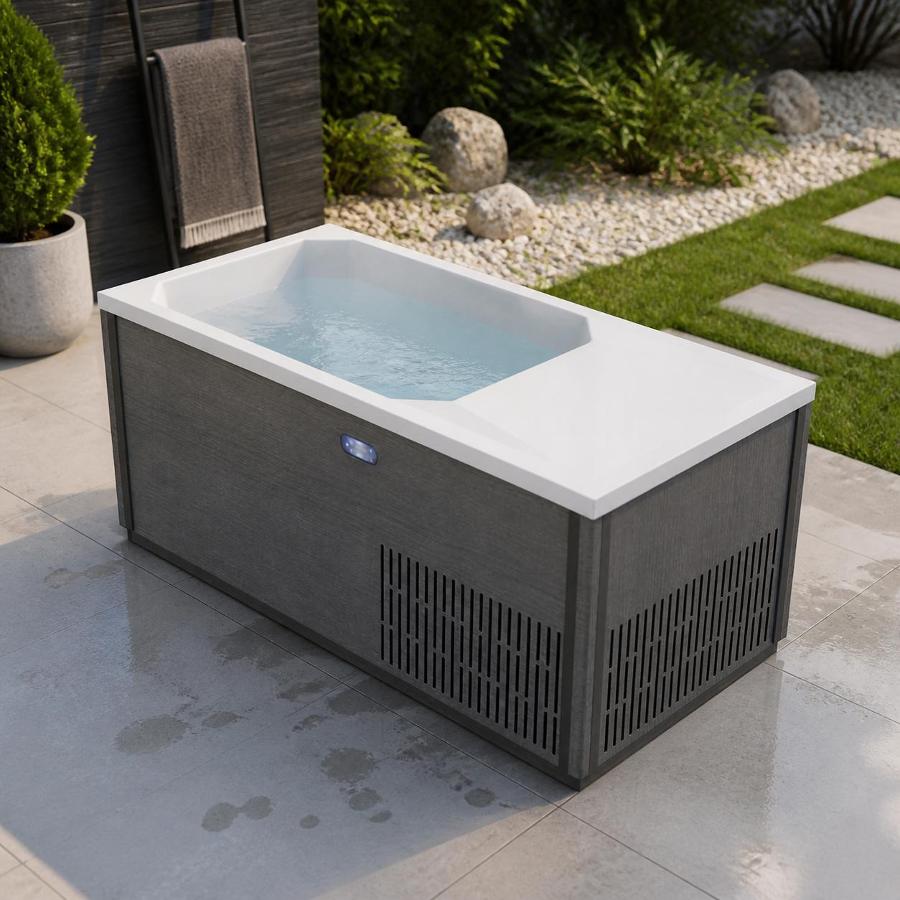
This is where a dedicated cold plunge setup, like the Outdoor Cold Plunge Tub C02 from us at Victoria Star, makes a practical difference. It runs on an integrated 900W heat pump system paired with a 54W brushless pump, which allows for precise, stable low-temperature immersion rather than a rough guess based on ice and a garden hose.
The 320-liter basin includes an ergonomic interior seating step, so users can settle into a consistent position each session. That consistency matters for anyone trying to gradually build up exposure time without overshooting into the territory that tends to trigger digestive distress.
Technical Specifications at a Glance
Specification
Detail
Model
C02
Water Capacity
320 L
Dimensions (Metric)
1695 mm × 830 mm × 850 mm
Net Weight
140 KG
Heater Output
900 W
Brushless Pump
54 W
Shell Material
Acrylic, White / Porcelain
Cabinet Colors
Platinum, Midnight
Insulated Cover
1 PC included
According to the product’s technical documentation, the shell is made from high-grade porcelain acrylic, and the exterior cabinet is built to withstand outdoor weather conditions. That matters for anyone setting up a permanent cold plunge routine on a patio or deck, since equipment exposed to the elements year-round needs to hold up without constant maintenance.
Where This Fits Into a Broader Recovery Routine
Cold plunging rarely happens in isolation. Athletes use it after training blocks, and increasingly, everyday wellness routines fold it in alongside sauna sessions or mobility work. According to the product’s documentation, cold water immersion in a setup like the C02 is intended to support blood circulation and help reduce muscle inflammation following exercise, which is consistent with why the practice is popular in athletic training facilities and recovery centers.
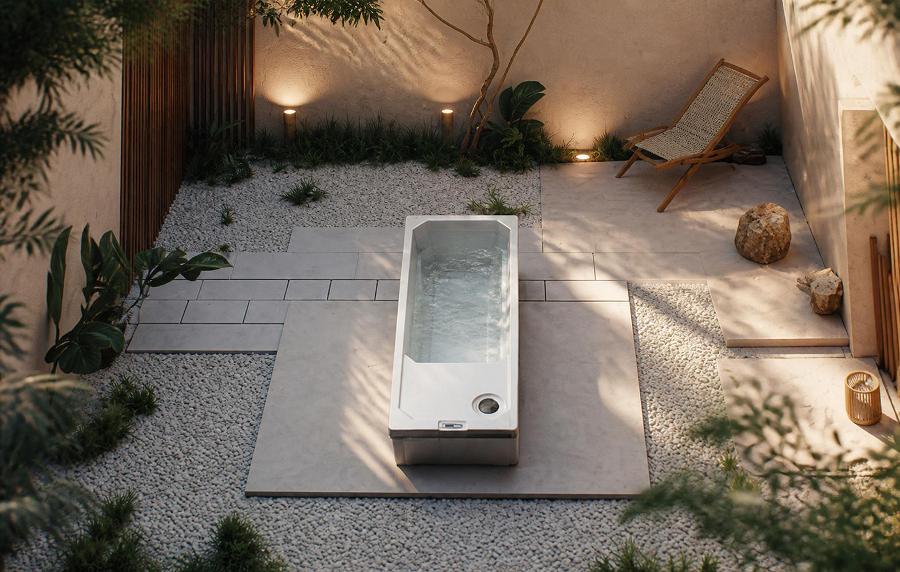
For home use, the appeal is less about competition and more about consistency. A private tub, whether on a backyard patio or a quiet courtyard, removes the friction of driving to a facility, which makes it easier to actually stick with a routine long enough to build up cold tolerance and reduce the odds of digestive upset along the way.
Frequently Asked Questions
Is cold plunge diarrhea a sign I should stop cold plunging entirely? Not necessarily. For most healthy adults, it’s a temporary adaptation response that lessens with shorter sessions, gradual temperature changes, and consistent practice. If symptoms persist or worsen, a conversation with a doctor is the right next step.
How long should a beginner stay in a cold plunge to avoid GI symptoms? Two to three minutes is a common starting point. Extending duration should happen gradually over several weeks rather than all at once.
Does water temperature matter more than duration for triggering symptoms? Both play a role. A moderate temperature held for a shorter time is generally easier on the gut than an extremely cold temperature pushed for too long, especially for beginners.
Can eating before a plunge make digestive symptoms worse? Yes, both a very full stomach and an empty one seem to increase gut sensitivity during cold immersion. A light snack an hour or so beforehand is a reasonable middle ground.
Cold plunge diarrhea is uncomfortable, but it’s a manageable part of adapting to a genuinely beneficial recovery practice. With the right pacing, breathing technique, and equipment that holds temperature reliably, most people find the gut settles down well before the other benefits of cold exposure start to show.
Victoria Star Swim Spa offers the perfect balance between exercise and relaxation, whether you want to swim for fitness or relax in the spacious seating.
Victoria Star Swim Spa offers the perfect balance between exercise and relaxation, whether you want to swim for fitness or relax in the spacious seating.