Cold Plunge Calories Burned: What the Numbers Actually Mean
Home / News / Cold Plunge Calories Burned: What the Numbers Actually Mean
September 28, 2026
Why People Ask About Calories in the First Place
Search "cold plunge calories burned" and you’ll find wildly different numbers. Some claim hundreds of calories per session. Others barely mention it. The truth sits somewhere more modest, and understanding why matters more than the number itself.
Cold exposure does raise energy expenditure. Your body works to maintain core temperature when submerged in cold water, and that work requires fuel. But the calorie burn from a plunge is nowhere close to what you’d get from a run or a weight session. It’s a side effect of thermoregulation, not a workout substitute.
How the Body Actually Burns Calories in Cold Water
When skin temperature drops, the body activates a process called thermogenesis. Muscles may shiver, and brown fat tissue can generate heat by burning stored energy. This is a real physiological response, not a marketing claim.
The intensity of this response depends on water temperature, immersion duration, and how much of the body is submerged. A three-minute plunge at 50°F triggers a different metabolic response than ten minutes at 60°F. Body composition also plays a role, since people with more brown fat tend to generate heat more efficiently.
Most researchers estimate the additional calorie burn from a short cold plunge session at somewhere between 100 and 300 calories, largely driven by shivering thermogenesis. That’s a noticeable bump, but it pales next to the 400 to 600 calories burned during a moderate cardio session. Treat it as a bonus, not a strategy.
Cold Plunge Calories Burned vs Other Recovery Methods
People often compare cold plunging to sauna use or ice packs when weighing recovery options. Each approach works through a different mechanism, and comparing them side by side helps clarify what each one actually offers.
Method
Primary Mechanism
Calorie Impact
Best Use Case
Cold plunge
Vasoconstriction, shivering thermogenesis
Moderate (short-term)
Post-workout recovery, inflammation reduction
Sauna
Vasodilation, sweating
Low to moderate
Relaxation, cardiovascular conditioning
Ice pack
Localized cooling
Negligible
Targeted injury or joint relief
Contrast therapy
Alternating vasoconstriction/dilation
Moderate
Circulation stimulation, athletic recovery
None of these methods replace structured exercise for weight management. Their real value lies in recovery, circulation, and how the body responds to physical stress afterward.
What Actually Happens to Your Body During a Plunge
Cold water immersion triggers a cascade of vascular responses that matter more for recovery than for calorie counting. Blood vessels constrict rapidly when skin contacts cold water, pushing blood away from the extremities and toward the core.
This vasoconstriction reduces blood flow to inflamed tissue, which is part of why athletes use cold immersion after intense training. Once you exit the water and warm up, vessels dilate again, and that renewed circulation helps flush metabolic byproducts from muscle tissue.
Beyond the physical response, cold exposure has a documented effect on mood. The shock of cold water stimulates the release of endorphins, which can leave people feeling calmer and more mentally clear afterward. This is one reason cold plunging has become part of stress management routines, not just athletic recovery.
Setting Realistic Expectations for Recovery and Fitness Goals
Anyone starting a cold plunge routine should separate two goals: recovery and weight management. Conflating them leads to disappointment and, sometimes, overuse of cold exposure in ways that aren’t productive.
For recovery, consistency matters more than intensity. A few minutes at a moderately cold temperature, done regularly after training sessions, tends to support circulation and reduce soreness more reliably than one extreme session.
For weight management, cold plunging should sit alongside regular exercise and diet, not replace them. The calorie contribution is real but modest, and treating it as a primary weight-loss tool sets unrealistic expectations.
Here’s a practical way to think through which approach fits your goals:
If the priority is muscle recovery after training, short cold immersion sessions of three to ten minutes are generally sufficient.
If the priority is stress relief and mental clarity, slightly longer sessions at a tolerable temperature may offer more benefit.
If the priority is weight management, cold plunging should be a supplement to structured exercise, not a substitute.
If joint or localized pain is the concern, targeted ice application may be more efficient than full-body immersion.
Choosing a Setup That Supports Consistent Use
Consistency is what makes cold plunging effective, and consistency depends heavily on convenience. A tub that requires manual ice refills every session tends to get used less over time, simply because the friction of preparation adds up.
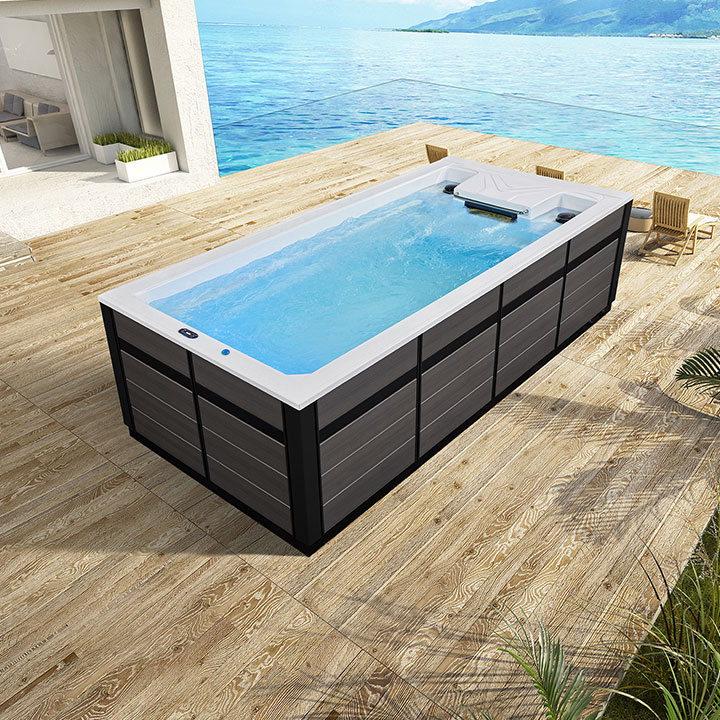
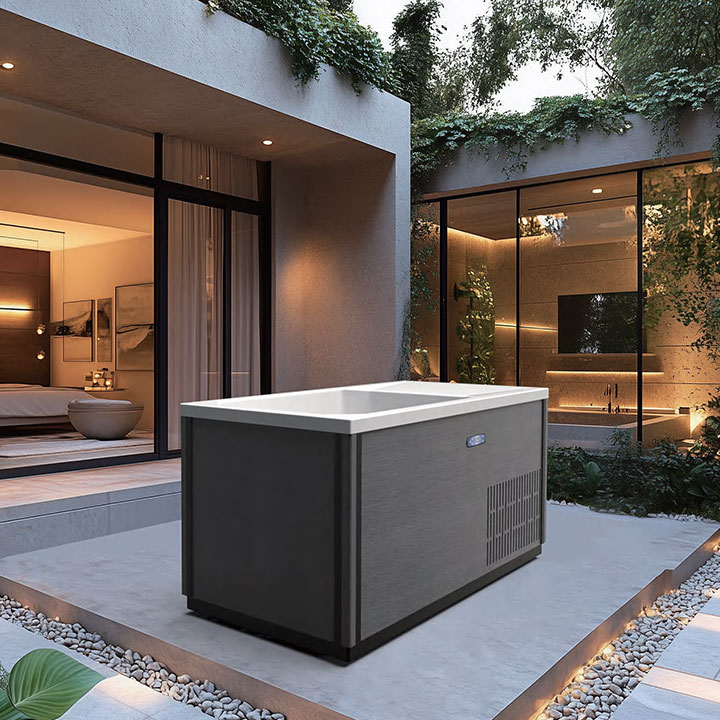
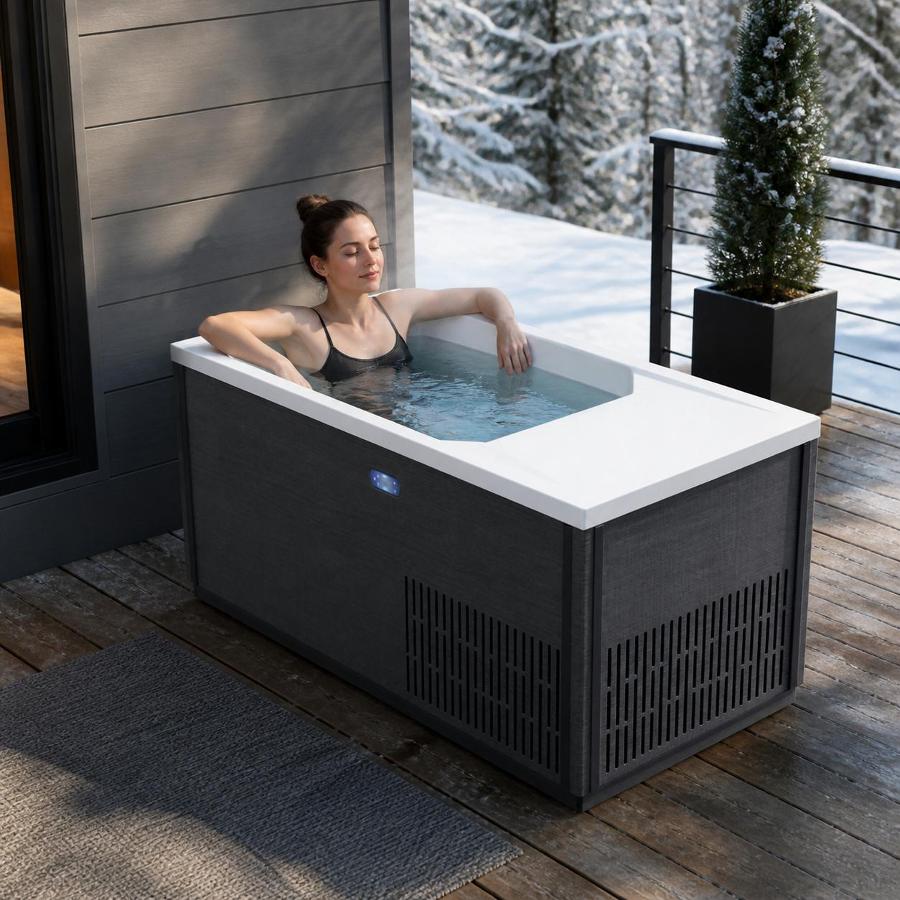
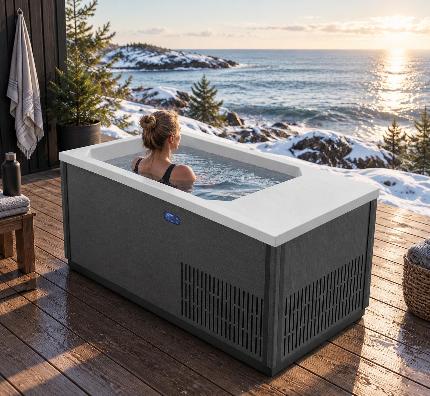
This is where equipment design starts to matter. The Outdoor Cold Plunge Tub C02, for example, uses an integrated 900W heat pump system paired with a 54W brushless pump to maintain precise low-temperature water without manual ice loading. According to the product specifications, this setup is designed to support repeatable cold immersion sessions aimed at reducing muscle inflammation and supporting recovery.
The tub holds 320 liters of water, which is enough for full-body immersion while remaining compact enough for a backyard patio, a covered deck, or a dedicated training facility corner. Its acrylic shell and integrated entry step are built for daily use rather than occasional novelty sessions.
Practical Features Worth Considering When Comparing Tubs
When comparing cold plunge tubs, a few specifications tend to matter more than marketing copy. Temperature control precision, insulation, and interior ergonomics directly affect whether the tub gets used consistently or abandoned after a few tries.
Heat pump wattage affects how quickly and precisely the water reaches target temperature, which matters for anyone doing back-to-back sessions.
Interior step design affects how safely users enter and exit, especially important for facilities with multiple daily users.
Cabinet material and ventilation affect long-term durability when the tub is installed outdoors year-round.
Insulated covers reduce heat gain between sessions, which lowers the workload on the heat pump system.
The C02 model includes a weather-resistant composite cabinet with vented panels, available in Platinum or Midnight finishes, along with an insulated cover included in the package. These details matter less for calorie burn and more for whether the equipment holds up under regular use in outdoor conditions.
Where Cold Plunging Fits in a Training or Recovery Facility
Athletic training centers and boutique wellness studios often install cold plunge tubs as part of a broader recovery protocol rather than a standalone attraction. In these settings, the tub typically follows resistance training or high-intensity sessions, timed to reduce inflammation before it peaks.
Commercial settings tend to prioritize durability and consistent output over aesthetic details, since the equipment sees frequent use across multiple users per day. A tub with a stable heat pump system and a straightforward digital control interface reduces maintenance overhead compared to setups relying on ice delivery or manual chilling methods.
For home users, the calculus shifts slightly toward convenience and integration with existing outdoor space. A tub installed on a patio or deck should fit the available footprint without requiring major structural changes, and the C02’s dimensions of roughly 1695 mm by 830 mm are sized to work within typical residential deck layouts.
Frequently Asked Questions
Does cold plunging actually help with weight loss? Cold plunging contributes a modest calorie burn through shivering thermogenesis, but it isn’t a substitute for regular exercise. It’s better understood as a recovery and wellness tool with a secondary calorie effect.
How long should a cold plunge session last to see recovery benefits? Most guidance points to sessions between three and ten minutes at a tolerably cold temperature, repeated consistently after training, rather than occasional long sessions.
Is a heated cold plunge tub necessary, or can ice work just as well? Ice can achieve similar temperatures, but it requires manual refilling and offers less consistent control. A heat pump system, like the one used in the C02, maintains precise temperatures without repeated ice purchases.
Can cold plunging replace a sauna in a recovery routine? No, they work through different mechanisms. Cold plunging relies on vasoconstriction, while saunas use heat and vasodilation. Many recovery protocols use both in sequence rather than choosing one over the other.
Final Thoughts on Cold Plunge Calories Burned and Realistic Use
The honest answer to cold plunge calories burned is that the effect is real but limited, typically in the range of a light workout rather than a substitute for one. Its greater value lies in recovery, circulation, and mental clarity rather than weight management alone. Anyone comparing tubs for regular use should prioritize temperature consistency and daily usability over the promise of significant calorie burn, since it’s the consistency of practice, not the number on a calorie counter, that determines whether cold plunging becomes a lasting part of a recovery routine.
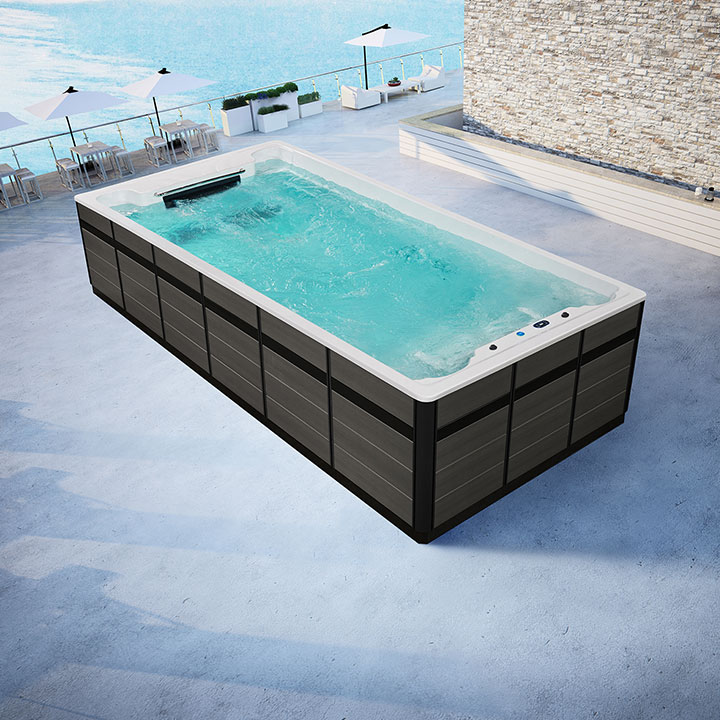
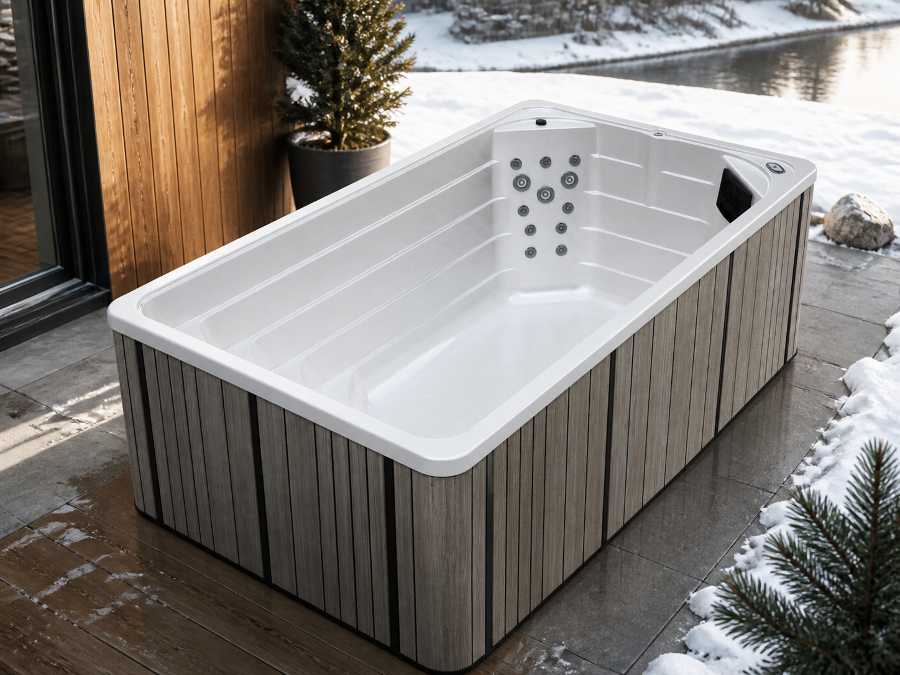
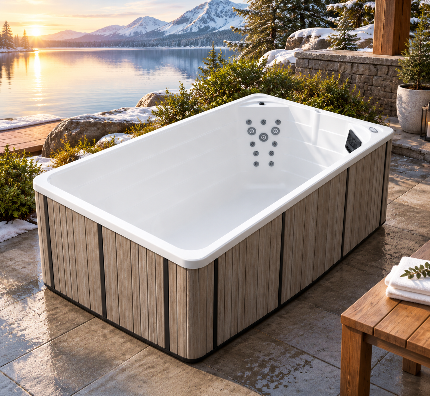
Victoria Star Swim Spa offers the perfect balance between exercise and relaxation, whether you want to swim for fitness or relax in the spacious seating.
Victoria Star Swim Spa offers the perfect balance between exercise and relaxation, whether you want to swim for fitness or relax in the spacious seating.