Cold Plunge Breastfeeding: What Nursing Mothers Should Know Before Cold Water Therapy
Home / News / Cold Plunge Breastfeeding: What Nursing Mothers Should Know Before Cold Water Therapy
September 27, 2026
Cold plunge breastfeeding is a topic more nursing mothers are researching as ice baths move from elite sports recovery into everyday wellness routines. The question is simple but the answer involves hormones, timing, and a bit of common sense. If you’re breastfeeding and curious about cold water immersion, you’re not choosing between your baby’s needs and your own recovery. You’re figuring out how to fit both into the same life.
Postpartum bodies go through a lot. Sleep is fragmented, joints are loose from relaxin, and muscles ache from carrying, feeding, and lifting a newborn all day. Cold plunging has become a popular recovery tool for exactly that kind of fatigue. But breastfeeding adds a layer of physiological complexity that a typical wellness article about cold exposure doesn’t usually address.
Does Cold Water Immersion Affect Milk Supply
Milk supply is driven mainly by prolactin and oxytocin, along with how often and how completely the breast is emptied. Cold exposure itself doesn’t directly suppress either hormone in any way that’s been established in lactation research. What can indirectly affect supply is stress. Cold water immersion triggers a strong sympathetic nervous system response, at least for the first minute or two, before the body settles into a calmer state as it adjusts to the temperature.
For a well-rested, well-hydrated person, that stress spike is brief and harmless. For a sleep-deprived new mother already running on cortisol fumes, repeated intense cold exposure could add to an already taxed system. This isn’t a reason to avoid cold plunging entirely. It’s a reason to be moderate about frequency and duration, especially in the early postpartum weeks.
Timing Your Plunge Around Feeding Schedules
Practical logistics matter more than physiology here. A cold plunge session, done properly, involves a few minutes in the water followed by a warm-up period. That’s a chunk of time away from a baby who may need to feed on a two to three hour cycle.
Most lactation consultants who address cold exposure informally suggest a few commonsense timing habits:
Plunge right after a feeding session, not right before one, so you’re not rushing a hungry baby afterward.
Keep sessions short, especially in the first few months postpartum, rather than pushing for extended cold tolerance.
Have a support person nearby if you’re plunging solo, since cold water immersion can cause lightheadedness in anyone, nursing or not.
Avoid plunging when engorged, since the pressure and cold combination is simply uncomfortable, not dangerous, but not pleasant either.
None of this is about restriction for its own sake. It’s about making cold exposure fit into a schedule that already revolves around someone else’s hunger cues.
What About Cold Exposure and Breast Tissue
Some nursing mothers worry that cold water against the chest could affect milk ducts or cause mastitis. There’s no established mechanism by which brief cold water exposure causes duct blockage or infection. Mastitis is typically linked to incomplete milk removal, pressure, or bacterial entry through cracked skin, not ambient temperature.
That said, comfort is a valid concern on its own. Cold water on engorged or tender breasts simply feels unpleasant, and discomfort is reason enough to wait for a better window, like right after a feed when breasts are softer.
Building a Postpartum Recovery Routine at Home
This is where having the right equipment at home changes the equation. Heading to a shared ice bath facility with a newborn’s feeding schedule in tow is logistically rough. A home setup removes the travel time and lets a mother plunge in the gap between feeds without planning around anyone else’s schedule.
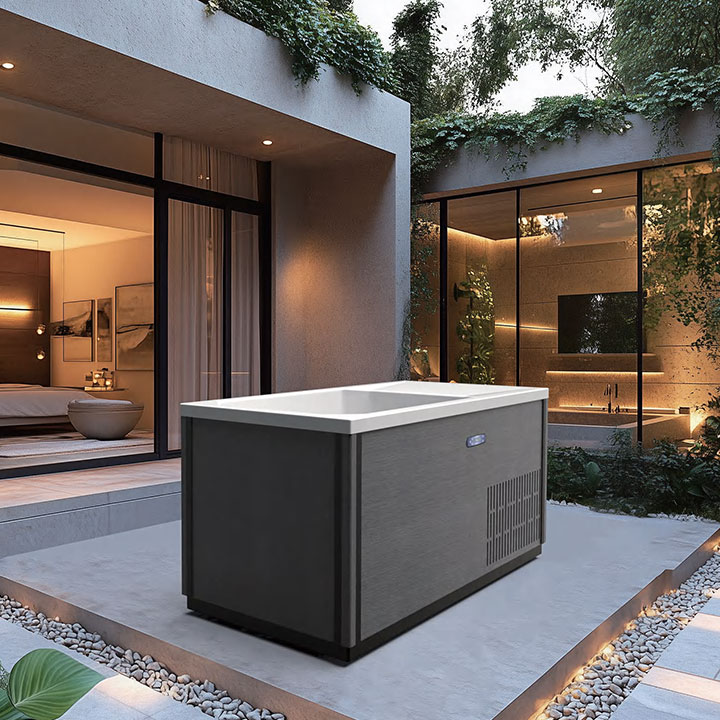
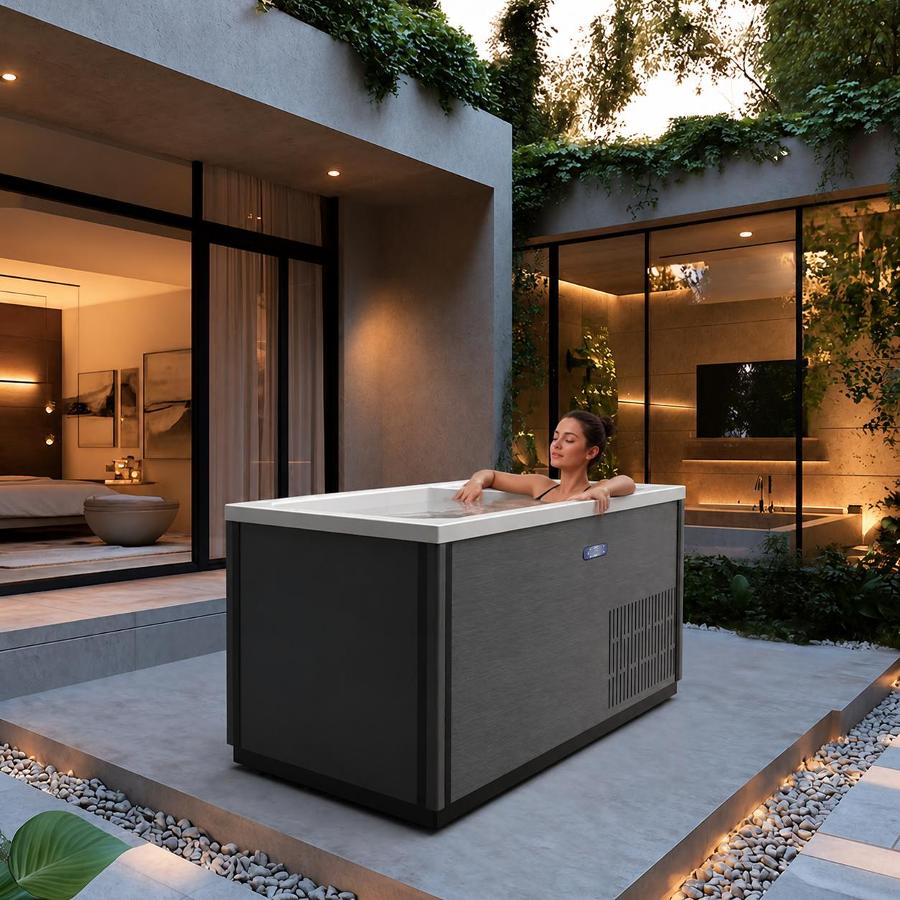
This is the kind of scenario our Outdoor Cold Plunge Tub C02 was designed around, even though it wasn’t built specifically for postpartum use. According to the product specifications, it’s a 320-liter ice bath with an integrated 900W heat pump and a 54W brushless pump, so water temperature stays consistent without needing bagged ice or a garden hose refill every session. For someone plunging in short, frequent windows between feedings, that consistency matters more than it sounds.
The tub’s ergonomic interior step also matters for anyone still recovering from childbirth. Climbing in and out of a deep tub without a stable foothold is an unnecessary risk when your balance and core strength haven’t fully returned yet.
Comparing Recovery Methods for New Mothers
Cold plunging isn’t the only recovery tool available, and it’s worth weighing it against other options before committing to a routine.
Recovery Method
Time Commitment
Postpartum Suitability
Setup Required
Cold plunge (home)
3-5 min plus warm-up
Good, once cleared by a doctor
Tub, heat pump, private space
Cold plunge (facility)
30-60 min round trip
Harder to schedule around feeds
Travel, childcare
Warm bath soak
15-20 min
Very accessible, gentle
Standard bathtub
Light walking
20-30 min
Excellent, low physiological stress
None
A home cold plunge setup wins on convenience once you’re medically cleared, but it’s not a replacement for gentler options in the first few weeks. Many mothers actually combine the two, using warm baths early on and introducing cold exposure once energy and hormone levels stabilize.
Frequently Asked Questions
Is cold plunging safe while breastfeeding? There’s no direct evidence that brief cold water immersion harms milk production or transfers any risk to breast milk. Most concerns are about general postpartum recovery status and personal comfort rather than lactation-specific risks. Checking with your OB or midwife before resuming any intense recovery routine is still the responsible first step.
How soon after birth can I start cold plunging again? This depends entirely on delivery type and recovery. Most providers won’t clear postpartum exercise or intense cold exposure until at least six weeks after a vaginal birth, longer after a cesarean. Cold plunging falls into the same category as other physically demanding recovery activities.
Will cold exposure affect my breast milk supply long term? Not based on current understanding of lactation physiology. Supply is regulated by feeding frequency and hormone response to nursing or pumping, not by ambient water temperature exposure elsewhere on the body.
Can I plunge while wearing a nursing bra or pads? Yes, and many mothers find it more comfortable to keep some coverage during a session, particularly if breasts are tender or leaking is a concern.
Making Cold Therapy Work With a Nursing Routine
Cold plunge breastfeeding isn’t a contradiction. It’s a scheduling puzzle with a physiological safety net that’s more forgiving than most new mothers assume. The real barriers are logistical: finding time, staying comfortable, and having equipment that doesn’t demand a production every time you want five minutes of recovery.
A well-designed home setup, like an insulated 320L tub with steady heat pump regulation, removes a lot of that friction. It won’t replace medical clearance or common sense around timing, but it does make cold plunge breastfeeding routines far easier to sustain once your body and your doctor say you’re ready.
Victoria Star Swim Spa offers the perfect balance between exercise and relaxation, whether you want to swim for fitness or relax in the spacious seating.
Victoria Star Swim Spa offers the perfect balance between exercise and relaxation, whether you want to swim for fitness or relax in the spacious seating.