Cold Plunge Benefits: What Cold Water Immersion Actually Does for Your Body
Home / News / Cold Plunge Benefits: What Cold Water Immersion Actually Does for Your Body
September 26, 2026
Cold plunge benefits have moved well beyond athlete locker rooms and into ordinary backyards. Anyone searching for real recovery, sharper focus, or a way to unwind after a long week eventually runs into the same question: does sitting in cold water actually work, or is it just discomfort dressed up as wellness? The honest answer sits somewhere between physiology and habit. Understanding how cold immersion affects circulation, inflammation, and mood helps separate genuine value from wishful thinking, and makes choosing the right setup a lot less confusing.
Why People Turn to Cold Water Immersion in the First Place
Most people don’t wake up craving cold water. They arrive at it after a hard training block, a stressful stretch at work, or a nagging ache that ibuprofen barely touches. Muscle soreness after intense exercise is one of the most common triggers. Delayed onset muscle soreness, or DOMS, shows up twelve to twenty-four hours after a workout and can linger for days.
Cold water immersion has been used by athletes for decades as a way to manage that soreness. The mechanism is straightforward: cold temperatures cause blood vessels to constrict, which limits swelling and slows the inflammatory response right after strenuous activity. Once you get out and warm back up, vessels dilate again, pushing blood back through the tissue. That contraction-dilation cycle is the basis for most recovery claims tied to cold plunging.
The Physiological Case for Cold Plunge Benefits
It helps to separate what’s well documented from what’s still being studied. Vasoconstriction followed by vasodilation is a real, observable response to cold exposure, and it’s the foundation of contrast therapy used in sports medicine clinics. This cycle is generally understood to support circulation and may assist the body’s natural recovery process after strain.
Mood is the other piece people notice almost immediately. Cold exposure triggers a release of endorphins, the body’s natural feel-good chemicals, along with a surge of alertness that many describe as a kind of reset button. That’s part of why plunges have become popular not just with athletes but with anyone managing everyday stress. A few minutes of discomfort followed by a wave of calm is a trade a lot of people are willing to make.
Improved circulation: the constriction-dilation cycle encourages oxygen-rich blood flow to tired tissue.
Mental clarity and stress relief: endorphin release supports mood regulation and a calmer nervous system.
Habit-building discomfort tolerance: regular short exposures can build resilience to stress over time.
Home Setup vs. Ice Bags and Bathtubs
Before dedicated tubs existed, people made do with what they had: a bathtub full of ice bags, a stock tank from the hardware store, or a chest freezer converted into a makeshift plunge. Those options work in a pinch, but they come with real friction. Ice needs to be bought or made in bulk, water temperature drifts as it melts, and there’s no way to maintain a consistent range session after session.
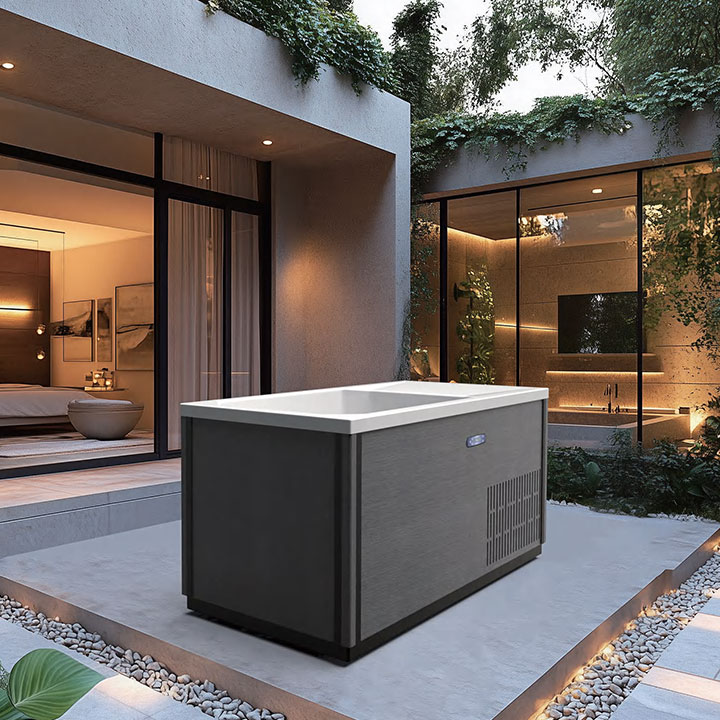
A dedicated outdoor cold plunge tub solves that friction with mechanical refrigeration instead of ice. The Outdoor Cold Plunge Tub C02, for example, uses an integrated 900W heat pump system paired with a 54W brushless pump to hold a set low temperature without constant manual refilling. That kind of setup turns cold therapy from an occasional chore into something you can actually stick with, which matters more than any single session ever could.
Choosing the Right Cold Plunge Tub for Your Space
Picking a tub isn’t just about temperature control. Size, placement, and daily usability all affect whether the thing gets used regularly or turns into an expensive lawn ornament. A few questions are worth working through before buying:
Where will it live? Outdoor decks, patios, and courtyards need a tub built with weather-resistant materials that won’t degrade under sun and rain.
Who’s using it? A single athlete has different needs than a shared household or a commercial recovery studio expecting multiple sessions a day.
How much water does it hold? Larger capacity means more thermal mass, which can mean steadier temperatures but also longer initial cooldown.
What’s the entry and exit like? An integrated step matters more than people expect, especially for older users or anyone plunging after a hard workout when balance isn’t at its best.
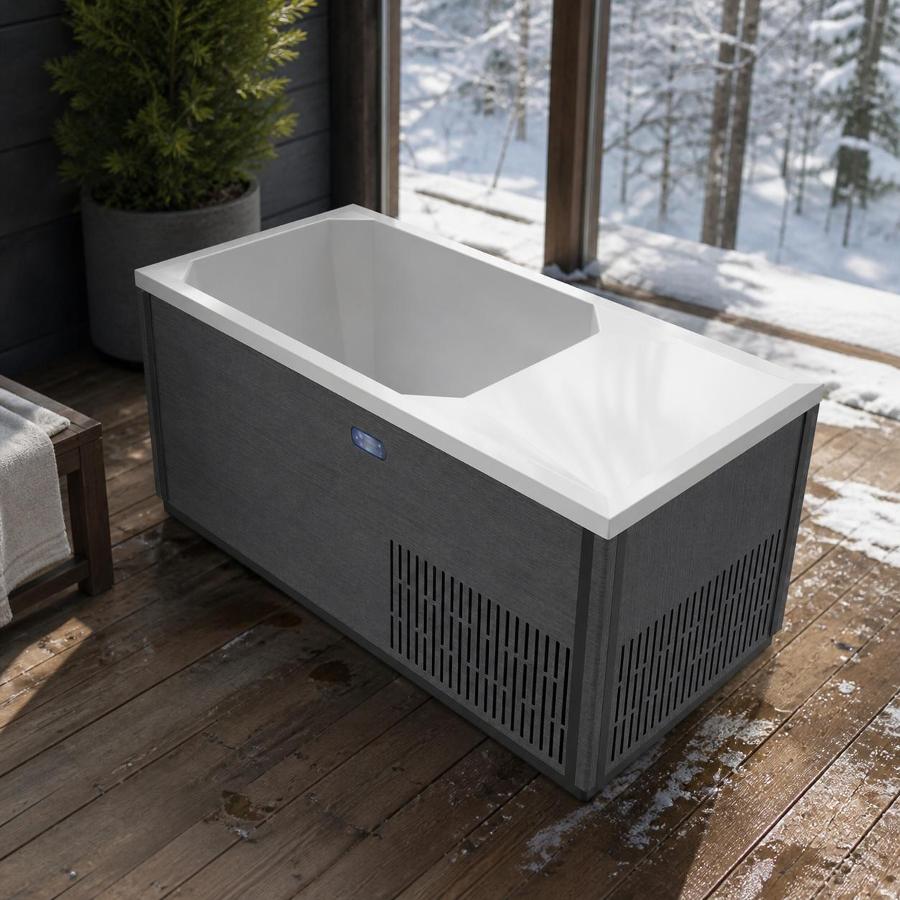
The C02 model holds 320 liters, which is enough for a full-body seated immersion without feeling cramped, and its ergonomic interior step addresses that entry concern directly. At 1695 mm by 830 mm by 850 mm, it fits comfortably on most residential patios while still suiting light commercial use in training facilities or boutique spas.
Technical Specifications Worth Comparing
Anyone shopping across brands should look past marketing copy and compare the numbers that actually determine day-to-day performance.
Specification
Outdoor Cold Plunge Tub C02
Water Capacity
320 L
Dimensions
1695 mm × 830 mm × 850 mm
Heater Output
900 W (integrated heat pump)
Pump
54 W brushless
Power Supply
0.954 kW
Shell Material
Porcelain acrylic
Cabinet Colors
Platinum, Midnight
Net Weight
140 KG
Insulated Cover
Included
The brushless pump is worth noting specifically. Brushless motors tend to run quieter and last longer than brushed alternatives because there’s less friction wear on internal components, which matters for something meant to sit outdoors and run regularly.
Materials and Build Quality Matter More Than People Expect
Cold plunge tubs live outside, exposed to sun, rain, and temperature swings, so shell material isn’t a cosmetic detail. Porcelain acrylic is valued for its smooth, high-gloss finish and resistance to staining, which keeps the interior basin looking clean without harsh chemical scrubbing. The exterior cabinet on the C02 uses a weather-resistant composite with vented slatted panels, which allow the heat pump system to breathe and dissipate heat efficiently during operation.
That kind of construction reflects a broader pattern in outdoor spa equipment: the parts you don’t see, like ventilation and drainage, often determine longevity more than the parts you do. A recessed drain fitting and flat side deck surface, both present in this tub’s design, make routine draining and cleaning far less of a hassle than wrestling water out of a converted stock tank.
Where People Actually Use These Tubs
Application context shapes what to prioritize when buying. A few common scenarios illustrate the range:
Private backyard patios: homeowners wanting a consistent recovery or stress-relief routine without leaving the house.
Athletic training facilities: coaches and physical therapists using contrast therapy as part of structured recovery protocols.
Boutique spas and wellness centers: businesses offering ice therapy as a standalone service or add-on to existing treatments.
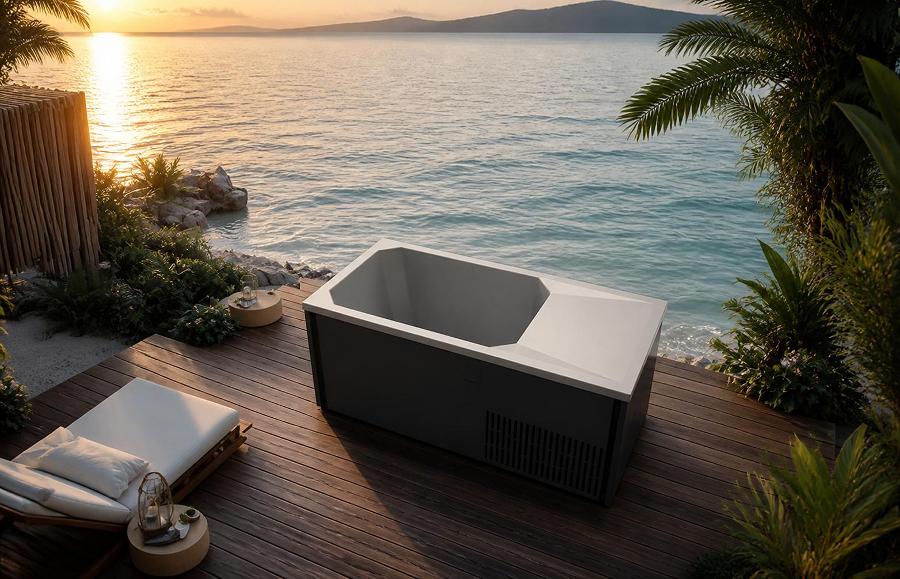
Resort villas and coastal properties: hospitality settings pairing plunge therapy with scenic outdoor relaxation.
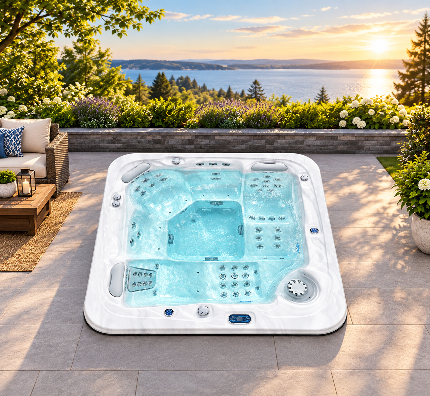
That last category is worth dwelling on for a moment. Pairing a plunge with a scenic outdoor setting, a wood deck, ocean view, or quiet courtyard, changes the experience from purely functional to genuinely restorative. The cold exposure does the physiological work, but the setting does a lot of the psychological work too.
Frequently Asked Questions
How cold does the water need to be for cold plunge benefits to kick in? Most cold therapy protocols use temperatures well below room temperature, though exact ranges vary by individual tolerance and goals. A heat pump system like the one in the C02 allows for consistent, repeatable temperature settings rather than guessing with ice.
How long should a cold plunge session last? Sessions are typically short, often just a few minutes, since the goal is triggering a physiological response rather than prolonged exposure. Longer isn’t automatically better and can increase risk for people with certain health conditions.
Can a cold plunge tub also be used for warmer soaks? The C02’s heat pump system is designed for temperature regulation, which means it can maintain a set cold range efficiently, though its primary function centers on cold immersion therapy rather than standard hot tub use.
Does an integrated heat pump use a lot of electricity? The C02 operates on a 0.954 kW power supply, which is relatively modest compared to running a chest freezer or constantly buying ice, making it a more predictable long-term running cost.
Is a home setup worth it compared to a gym or spa membership? That depends on how often someone plans to use it. Frequent users, whether athletes or people managing chronic stress, often find a dedicated home unit pays off simply through convenience and consistency.
Bringing It Back to the Backyard
Cold plunge benefits aren’t a myth, but they’re also not magic. The real value comes from consistency: showing up regularly enough that the vasoconstriction-vasodilation cycle, the endorphin release, and the mental discipline of tolerating discomfort actually compound over time. A tub that holds a stable temperature without ice runs, like the Outdoor Cold Plunge Tub C02 with its 900W heat pump and 320-liter capacity, removes the friction that makes people quit after two weeks. For us, that’s the whole point of good equipment: not flashy features, just reliability that makes it easier to keep a routine that genuinely supports recovery, circulation, and a calmer mind.
Victoria Star Swim Spa offers the perfect balance between exercise and relaxation, whether you want to swim for fitness or relax in the spacious seating.
Victoria Star Swim Spa offers the perfect balance between exercise and relaxation, whether you want to swim for fitness or relax in the spacious seating.