Cold Plunge Before Bed: What Happens to Your Body Overnight
Home / News / Cold Plunge Before Bed: What Happens to Your Body Overnight
September 27, 2026
Cold plunge before bed sounds counterintuitive. Cold exposure spikes adrenaline, so why would anyone dunk into icy water right before trying to sleep? The answer lies in timing, water temperature, and how your nervous system actually responds once the initial shock fades. This guide breaks down what a nighttime cold plunge does physiologically, who benefits, and how to structure the routine so it supports rest instead of sabotaging it.
Why the Timing Question Matters
Most cold plunge advice centers on mornings or post-workout windows, when the goal is alertness and inflammation control. Nighttime changes the equation. Your body’s core temperature naturally drops before sleep onset, and cold water immersion can either help or hinder that drop depending on how it’s done.
A rushed plunge followed by immediate bed entry may leave you too stimulated to fall asleep. But a well-paced session, followed by a warming buffer period, can accelerate the temperature decline your body is already trying to achieve. That’s the mechanism worth understanding before dismissing the idea outright.
What Cold Exposure Does to Your Nervous System
Cold water immersion triggers a strong sympathetic nervous system response first. Heart rate climbs, breathing quickens, and stress hormones like cortisol and adrenaline surge. This is the "shock" phase, and it typically lasts only a few minutes.
Once you’re out and warming up, the parasympathetic system takes over. This is the rest-and-digest state, and it’s where the calming effect associated with evening cold plunges actually comes from. According to product documentation from Victoria Star, cold exposure can stimulate natural endorphin release, which may help lower stress and support mental clarity during this recovery window.
The practical takeaway: the calm doesn’t happen during the plunge. It happens afterward, during rewarming.
Muscle Recovery Benefits That Carry Into Sleep
Athletes have used cold water immersion for decades to manage exercise-induced soreness, and the underlying mechanism is well documented. Cold temperatures cause blood vessels to constrict, which limits inflammatory fluid buildup around fatigued muscle tissue.
When vessels dilate again during rewarming, circulation increases and helps flush out metabolic byproducts from the day’s training. Doing this before bed means your body handles much of that recovery work while you’re already committed to a period of rest, rather than trying to squeeze it in earlier in a busy day.
This is one reason athletic training facilities and recovery centers often schedule plunge sessions in the evening. It aligns physical recovery with the rest window your muscles need most.
How Cold Plunges Affect Circulation Long-Term
Repeated cold exposure creates a cycle of vasoconstriction followed by vasodilation. Over time, this contrast has been associated with improved vascular responsiveness, meaning your blood vessels get better at adjusting to temperature and pressure changes.
Better circulation isn’t just a recovery benefit. It also plays a role in how efficiently your body regulates temperature at night, which ties directly back into sleep quality. People with poor circulation often report cold extremities that disrupt sleep onset, and a structured warm-up after plunging can counteract that pattern.
Setting Up a Nighttime Cold Plunge Routine
The order of operations matters more than most people expect. Getting this sequence wrong is the most common reason people abandon evening cold plunges after a few tries.
Finish the plunge session at least 90 minutes before your intended bedtime.
Keep immersion time short, generally two to five minutes, depending on tolerance and water temperature.
Dry off and dress warmly immediately after exiting the water.
Allow your body to rewarm gradually rather than jumping into a hot shower right away.
Wind down with low-stimulation activity, like reading, while your parasympathetic response takes hold.
Skipping the buffer period is the biggest mistake. Going straight from cold water to bed leaves your heart rate and cortisol still elevated, which works against sleep rather than for it.
Choosing Equipment for Consistent Water Temperature
Temperature consistency separates a functional cold plunge routine from a frustrating one. Bags of ice and a garden hose can work occasionally, but they make it hard to replicate the same conditions night after night, which matters if you’re tracking how your body responds over weeks.
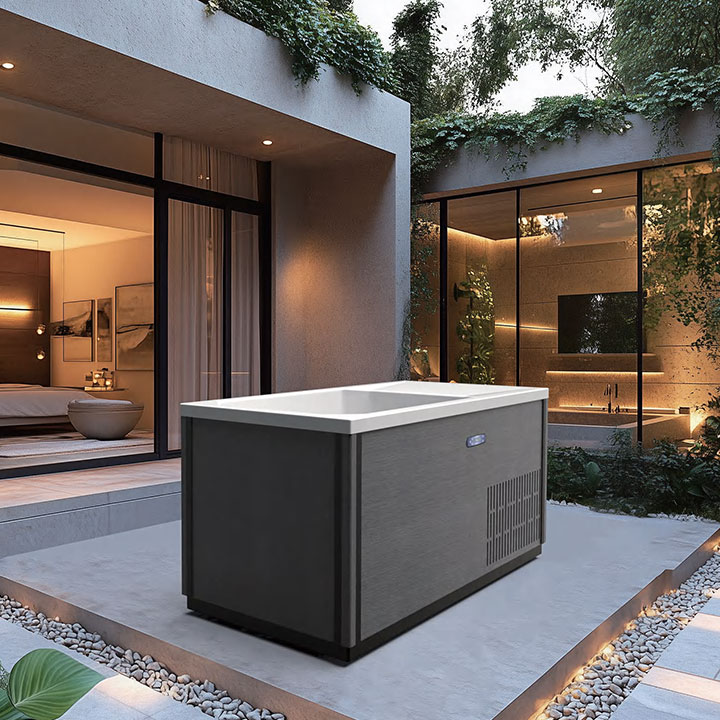
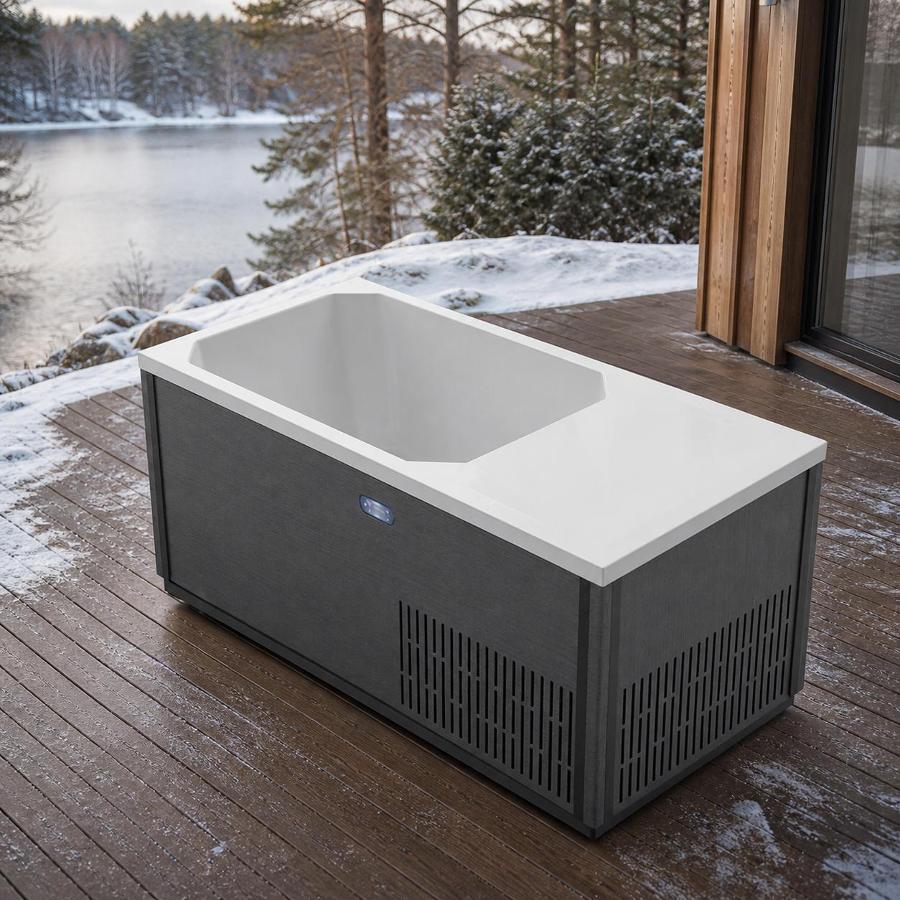
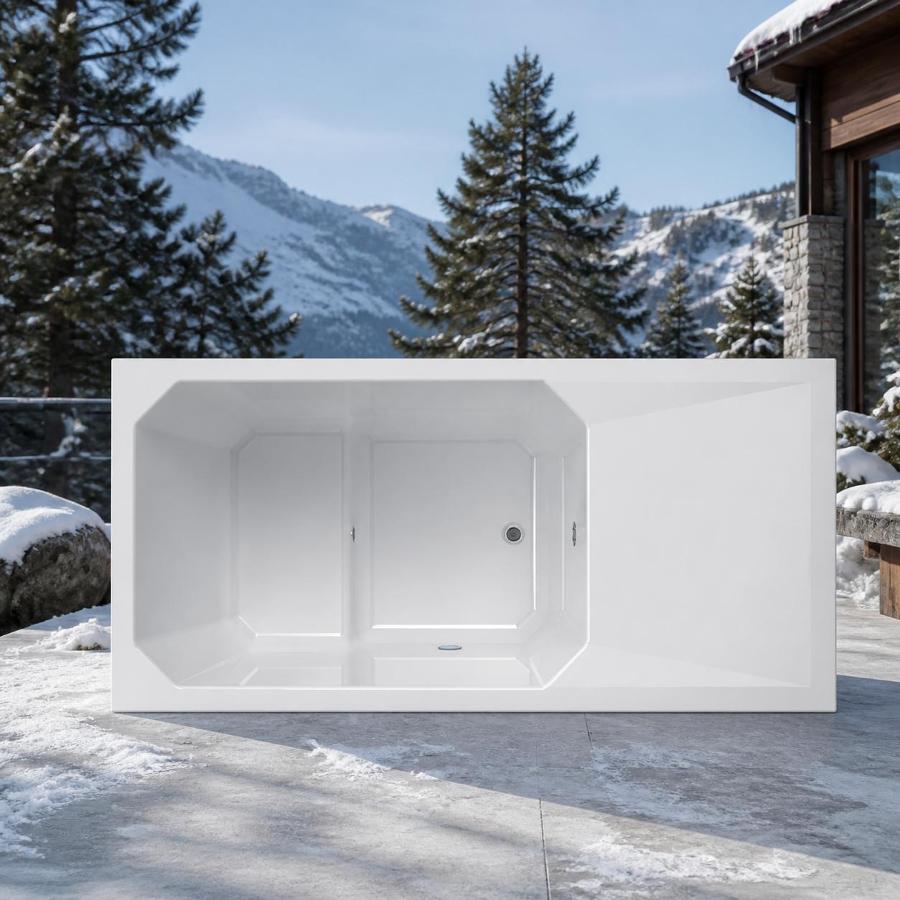
Dedicated cold plunge tubs solve this with integrated cooling systems. The Outdoor Cold Plunge Tub C02, for example, uses a 900W heat pump paired with a 54W brushless pump to maintain precise low-temperature water without manual ice refills. That kind of consistency is what allows someone to compare how a 50°F session feels versus a 55°F session, rather than guessing at water temperature each time.
Specification
Detail
Water Capacity
320 L
Heater/Cooling Output
900 W heat pump system
Pump Output
54 W brushless pump
Shell Material
Porcelain acrylic
Cabinet Colors
Platinum, Midnight
Dimensions
1695 mm × 830 mm × 850 mm
Insulated Cover
Included
Material and Build Considerations for Outdoor Use
An outdoor cold plunge tub needs to handle temperature swings from both the water inside and the weather outside. The exterior cabinet on units like the C02 uses a weather-resistant composite with vented panels, which helps manage moisture buildup around the pump and heating components rather than trapping condensation inside a sealed box.
The interior basin matters just as much. A porcelain acrylic shell resists staining and holds a smooth finish that’s easier to clean than raw fiberglass, particularly important given how often a nightly-use tub gets cycled. An integrated seating step also changes the ergonomics of entry, letting users lower themselves gradually rather than dropping straight to shoulder depth, which can reduce the initial shock response for beginners easing into a bedtime routine.
Who Should Be Cautious With Evening Cold Plunges
Cold immersion isn’t neutral for everyone, and nighttime adds another layer of consideration. People with cardiovascular conditions should talk to a physician first, since the initial cold shock does place real stress on the heart and blood pressure.
Beyond medical caution, there’s also a sensitivity issue with stimulation timing. Some individuals are more reactive to adrenaline spikes and find that even a well-timed evening plunge leaves them wired for an hour or more. If that describes you, shifting the session earlier in the evening, or shortening immersion time, is a reasonable adjustment before abandoning the practice altogether.
Frequently Asked Questions
Does a cold plunge before bed actually help you fall asleep faster, or does it just feel that way? The rewarming phase after cold exposure supports the natural drop in core body temperature that precedes sleep onset. The plunge itself is stimulating, but the recovery period afterward is where the sleep-supportive effect comes from.
How cold does the water need to be for an evening session? There’s no single universal number, and tolerance varies by individual. Most people start in the mid-50s Fahrenheit and adjust based on comfort and prior cold exposure experience.
Can I use a cold plunge tub indoors instead of outdoors? Models like the C02 are built for outdoor use, with weather-resistant cabinet panels designed for exposure to the elements. Indoor use would require different ventilation and moisture considerations.
Is a heat pump system necessary, or can I just use ice? Ice works for occasional use, but an integrated heat pump system, like the 900W unit in the C02, maintains consistent water temperature without the labor and cost of repeated ice purchases.
Building a Routine That Actually Sticks
The value of a cold plunge before bed comes down to consistency, not intensity. A single brutal session followed by three weeks off won’t teach your body much. A shorter, repeatable routine, done several nights a week with reliable water temperature, gives your nervous system a predictable pattern to adapt to.
For us at Victoria Star, that’s the reasoning behind building equipment focused on dependable temperature control and durable outdoor construction. A cold plunge before bed works best when the hardest part isn’t managing the equipment, but simply deciding to step in.
Victoria Star Swim Spa offers the perfect balance between exercise and relaxation, whether you want to swim for fitness or relax in the spacious seating.
Victoria Star Swim Spa offers the perfect balance between exercise and relaxation, whether you want to swim for fitness or relax in the spacious seating.