Cold Plunge Barrel: What to Know Before You Buy One
Home / News / Cold Plunge Barrel: What to Know Before You Buy One
September 29, 2026
A cold plunge barrel sits at the intersection of old-school recovery wisdom and modern engineering. Athletes have iced their legs in horse troughs for decades, but the barrel format brings that practice into a backyard-friendly, temperature-controlled package. If you’re weighing whether a cold plunge barrel fits your recovery routine, the decision usually comes down to space, water temperature control, and how often you’ll actually use it.
Why People Turn to Cold Water Immersion
Cold water immersion isn’t a new idea, but its popularity has grown as more people connect it to measurable physical benefits rather than just tolerance training. The core mechanism is vascular: cold exposure causes blood vessels to constrict, then dilate once you warm back up.
That constriction-dilation cycle does a few practical things for the body. It can help reduce localized inflammation after intense training, which is why cold plunges are common in gyms and physical therapy clinics. It also increases circulation as blood is pushed toward vital organs during immersion and then rushes back to the extremities afterward.
There’s a mental health angle too. Cold exposure triggers a release of endorphins, the same chemicals responsible for that post-exercise mental clarity many runners describe. For some users, a few minutes in cold water becomes less about muscle recovery and more about resetting a stressful day.
Barrel vs. Traditional Tub: Does Shape Matter?
The word "barrel" describes a shape, not a performance category. Structurally, a barrel-style cold plunge is just a cylindrical vessel, often wood-clad or composite, that holds less water than a rectangular tub but achieves similar depth for shoulder-level immersion.
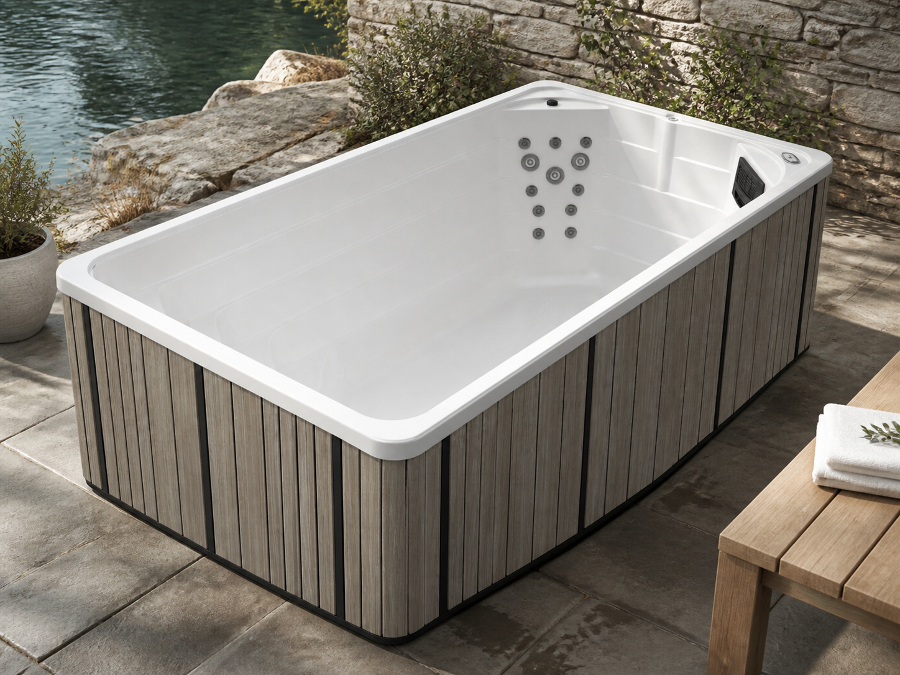
Where the format actually matters is footprint and installation. A barrel takes up less floor space than a rectangular plunge, which makes it a reasonable pick for narrow decks or side yards where a full acrylic tub simply won’t fit. The tradeoff is usually seating comfort. Barrels tend to have a more upright posture, while shell-molded tubs, like acrylic units with a built-in step, offer a bit more room to shift position during longer sessions.
Neither shape changes the physics of cold immersion. What changes the experience is the shell material, the insulation, and whether the unit includes active temperature control instead of relying purely on ice.
The Real Differentiator: Passive Ice vs. Active Chilling
This is where a lot of buyers get tripped up. A barrel filled with bagged ice will get cold, but it won’t stay cold for long, and you’ll be buying ice every session. That’s a real cost most people underestimate until they’ve done it three or four times in a month.
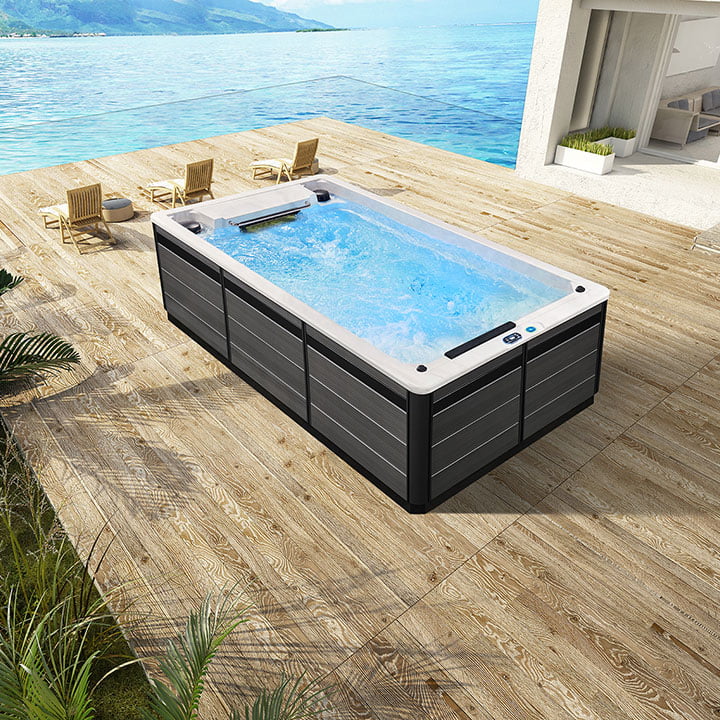
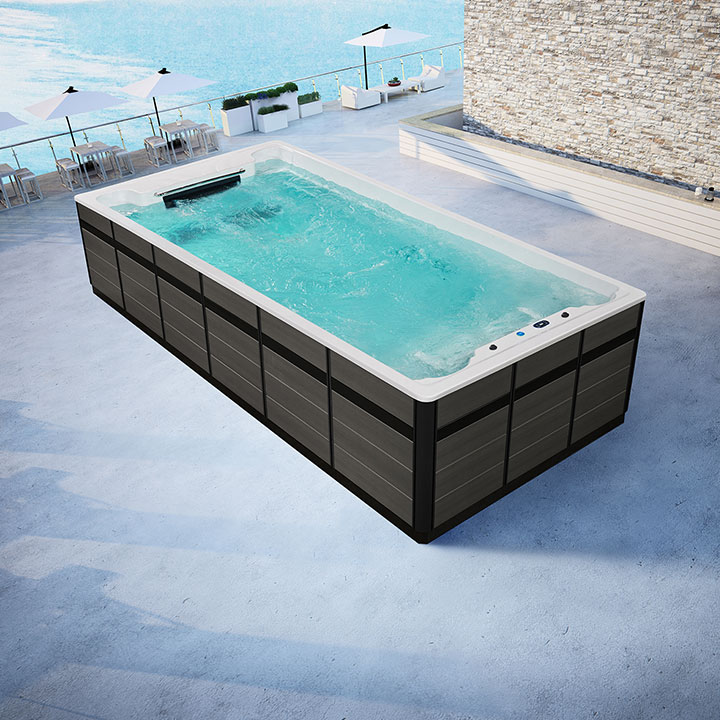
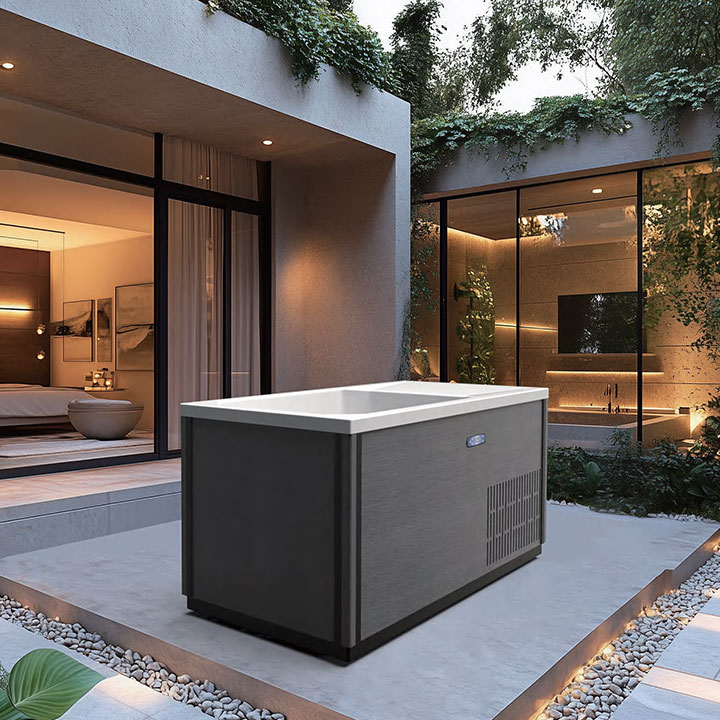
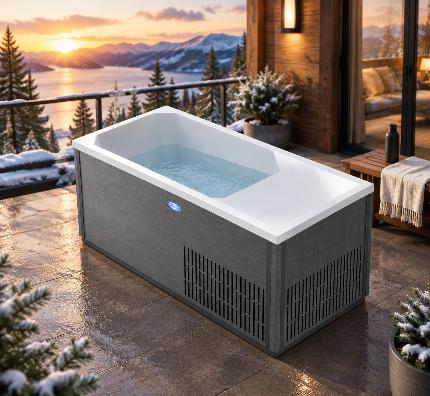
An active system changes that math. Take the Outdoor Cold Plunge Tub C02 as an example of how a temperature-controlled unit works in practice. According to its product specifications, it uses an integrated 900W heat pump control system paired with a 54W brushless pump to circulate and regulate water temperature without manual ice runs. You set a target range, and the system maintains it, which matters most for people who plan to plunge multiple times a week rather than as an occasional novelty.
That distinction, ice-cooled versus pump-regulated, is probably the single most important spec to understand before buying any cold plunge, barrel-shaped or otherwise.
What to Look for in Shell and Cabinet Materials
Outdoor placement means the shell and exterior cabinet take a beating from sun, moisture, and temperature swings. A few material considerations matter more than they might seem at first glance.
Interior shell finish: A porcelain-style acrylic interior resists staining and is easier to clean than raw wood, which can absorb odors and require more upkeep in a barrel format.
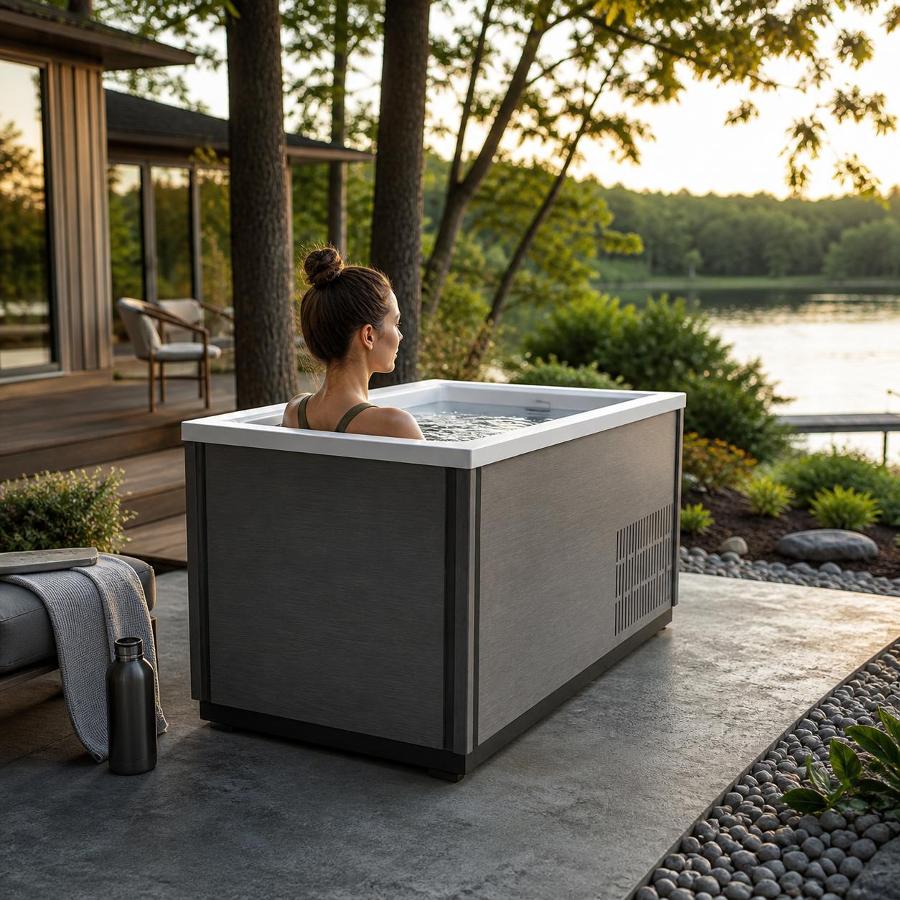
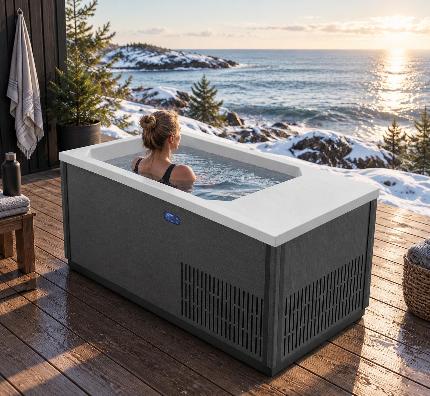
Exterior cabinet material: Composite panels with vented grilles, like those used on the C02’s cabinet, help manage moisture buildup around the pump housing while resisting the warping that solid wood barrels are prone to over time.
Insulated cover: A fitted cover reduces heat gain during the day and keeps debris out, which matters more for outdoor units than most first-time buyers expect.
Color and finish options: Exterior tones like platinum or midnight gray hold up better against UV fading than lighter woodgrain finishes in direct sun exposure.
Sizing and Capacity: How Much Water Do You Actually Need
Capacity affects two things directly: how long the unit takes to cool or heat, and how much room you have to move. A 320-liter capacity, for instance, is enough for full shoulder immersion with an interior step for seated positioning, without the excess volume that would slow down temperature regulation.
Larger volumes generally mean more thermal mass, which sounds like a benefit until you consider energy use. A bigger tank takes more power and more time to bring down to target temperature, so oversizing isn’t automatically better for solo, at-home use. Commercial settings like training facilities, where multiple users cycle through per day, are the exception where a bit more volume pays off.
Comparing Core Specifications
Feature
Typical Barrel (Ice-Only)
Pump-Regulated Tub (e.g. C02)
Cooling method
Bagged or block ice
Integrated 900W heat pump
Temperature consistency
Drifts as ice melts
Maintained automatically
Water capacity
Varies, often 250–300L
320L
Circulation
None or manual stirring
54W brushless pump
Ongoing cost
Recurring ice purchases
Electricity only
Maintenance
Manual draining, cleaning
Digital control interface
This kind of comparison matters most for buyers trying to decide between a low-cost barrel and a higher-upfront-cost, temperature-controlled unit. The right choice depends on frequency of use more than anything else.
Where These Units Actually Get Installed
Placement context shapes a lot of the buying decision, since drainage, power access, and weather exposure all vary by setting. Common installation scenarios include:
Home backyard patios and decks, where proximity to a power outlet and a level concrete or paver surface simplifies setup.
Professional sports training facilities, where multiple athletes use the unit daily and consistent temperature matters more than aesthetics.
Commercial wellness centers and ice therapy studios, where digital control interfaces speed up turnover between clients.
Resort villas and coastal hospitality settings, where the unit often doubles as a design feature alongside its functional use.
Practical Buying Considerations
Before settling on a specific model, it helps to walk through a short decision process rather than comparing specs in isolation.
Estimate how often you’ll realistically use it. Daily or several-times-weekly use justifies the added cost of an active heat pump system over ice.
Check your outdoor space for a level, drainable surface and nearby power access rated for the unit’s power draw.
Decide whether you need a step or seating ledge inside, since prolonged sessions are more comfortable with a stable resting position.
Factor in cabinet material if the unit sits outdoors year-round, since vented composite panels tend to outlast solid wood in humid or coastal climates.
Frequently Asked Questions
Does a cold plunge barrel need electricity to work? Not necessarily. Ice-only barrels can operate without power, but you’ll be replacing ice regularly. Units with an integrated heat pump, like the 900W system on the C02, require a power connection to maintain consistent temperature.
How cold does the water actually need to be? This varies by individual tolerance and goals, and specific temperature targets are outside the scope of general product guidance. What matters more from an equipment standpoint is whether the unit can hold a set temperature consistently rather than drifting as ambient conditions change.
Can a cold plunge tub sit outside year-round? Many are designed for outdoor placement, with weather-resistant cabinet materials and insulated covers included for that purpose. Local climate, especially freeze conditions, should factor into placement and drainage decisions.
Is a bigger tub always better? Not for most home users. A capacity around 320 liters balances enough room for shoulder-depth immersion with a step, without adding unnecessary volume that slows down heating or cooling cycles.
Final Thoughts on Choosing a Cold Plunge Setup
The appeal of a cold plunge barrel is straightforward: a compact, focused way to bring cold water therapy home without the footprint of a full spa installation. But shape alone doesn’t determine performance. Whether you go with a traditional barrel or a shell-molded tub like the Outdoor Cold Plunge Tub C02, the real questions are about temperature control, shell durability, and how the unit fits your actual usage pattern, not just its silhouette on a patio. For us at Victoria Star, that distinction between passive cooling and active regulation is exactly why we built our cold plunge units around integrated heat pump systems rather than ice alone.
Victoria Star Swim Spa offers the perfect balance between exercise and relaxation, whether you want to swim for fitness or relax in the spacious seating.
Victoria Star Swim Spa offers the perfect balance between exercise and relaxation, whether you want to swim for fitness or relax in the spacious seating.