Cold Plunge and High Blood Pressure: What You Need to Know Before You Dip
Home / News / Cold Plunge and High Blood Pressure: What You Need to Know Before You Dip
September 30, 2026
Why People With Blood Pressure Concerns Ask About Cold Plunging
Cold plunging has moved from elite sports facilities into backyards, and that shift raises a real question. Anyone managing high blood pressure wants to know if sudden cold exposure helps recovery or adds strain to an already sensitive cardiovascular system. The concern is not misplaced. Cold water immersion triggers an immediate vasoconstriction response, and that response directly affects blood pressure readings, at least temporarily. Understanding this mechanism matters more than following a trend, especially for anyone with a cardiovascular history.
How Cold Water Affects Blood Vessels and Circulation
When skin meets cold water, blood vessels near the surface narrow to conserve core heat. This is a survival reflex, not a wellness gimmick. Vasoconstriction pushes blood toward internal organs, and that shift can cause a short spike in blood pressure during the first seconds of immersion. For most healthy adults, the body adapts quickly once heart rate stabilizes. For someone with hypertension, that initial spike deserves attention rather than dismissal.
The same mechanism that raises pressure briefly also plays a role in recovery. As the body warms back up, vessels dilate again, and this constriction-dilation cycle is often described as a way to stimulate blood flow and improve oxygen delivery to tissue. It is a cycle, not a one-way effect, and that distinction matters when evaluating risk.
Cold Plunge High Blood Pressure Risk: What Actually Happens
Most discussions around cold plunge high blood pressure risk focus on two separate events. The first is the immediate shock response, where cold receptors in the skin send rapid signals to the brain, triggering a brief but noticeable rise in systolic pressure. The second is the longer adaptation phase, which some people pursue for cardiovascular conditioning.
These are not the same thing, and conflating them leads to bad advice. A person with controlled hypertension might tolerate short, moderate cold exposure without issue. Someone with poorly managed or severe high blood pressure faces a different risk profile entirely. The safest approach separates the acute reflex from the long-term conditioning claim, because only a physician can judge which side of that line a specific patient sits on.
Who Should Talk to a Doctor First
Cold immersion is not a neutral activity for everyone, and pretending otherwise does a disservice to readers. The following groups should get medical clearance before stepping into cold water of any depth:
Anyone diagnosed with stage 2 hypertension or uncontrolled blood pressure readings
People with a history of arrhythmia, heart attack, or stroke
Individuals currently adjusting blood pressure medication dosages
Pregnant individuals, regardless of prior cold exposure tolerance
Anyone with Raynaud’s phenomenon or significant circulatory disorders
This is not an exhaustive list, and it should not replace a real conversation with a cardiologist. Self-diagnosing tolerance for cold shock is a gamble that some people lose quietly, without immediate symptoms.
Building a Safer Cold Plunge Routine
For those cleared to proceed, gradual exposure beats bravado every time. Jumping straight into extreme cold is the equivalent of sprinting before stretching. A more measured approach looks like this:
Start with shorter sessions, around one to two minutes, at a moderate temperature rather than the coldest setting available.
Monitor how your body responds during the first thirty seconds, since that window carries most of the vasoconstriction effect.
Increase duration gradually over several weeks, only after consistent comfortable sessions.
Avoid combining cold plunging with intense sauna contrast therapy until baseline tolerance is established.
Stop immediately if you notice dizziness, chest tightness, or unusual shortness of breath.
Consistency matters more than intensity here. A slow, repeated pattern gives the cardiovascular system a chance to adjust, rather than forcing an abrupt confrontation with cold stress.
Why Equipment and Temperature Control Matter
Inconsistent water temperature is one of the quietest risks in home cold plunging. A tub that swings unpredictably between moderate and extreme cold removes the user’s ability to plan a safe session. This is where mechanical reliability becomes a health consideration rather than just a comfort feature.
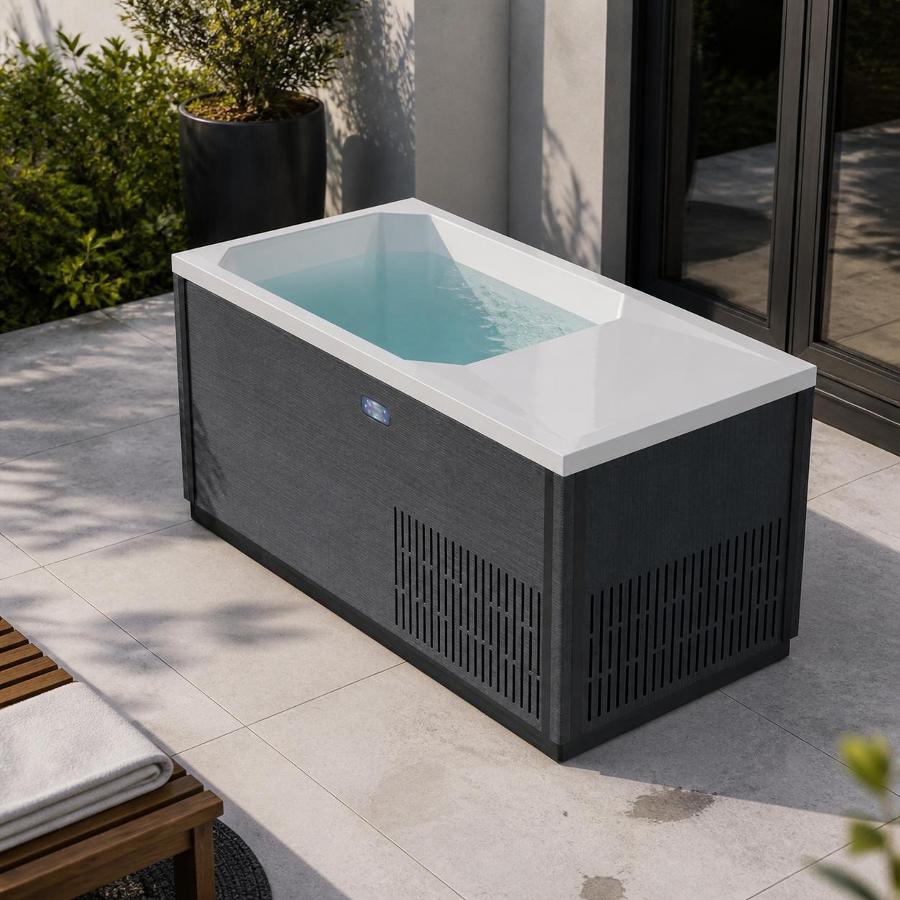
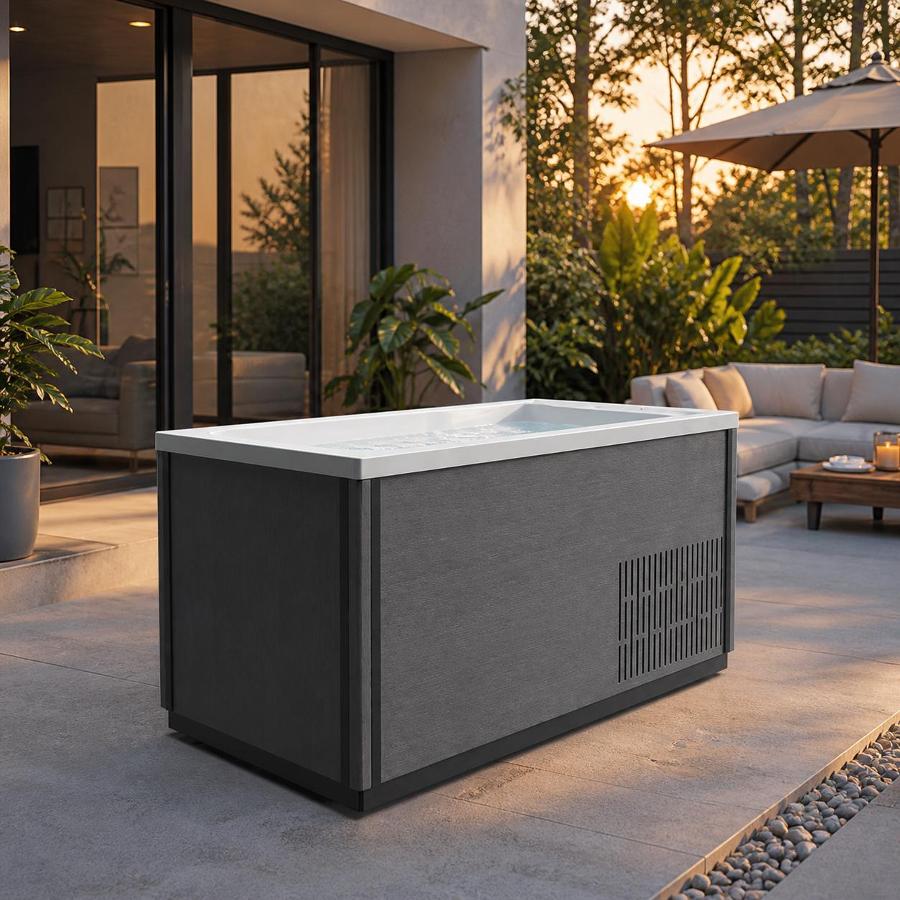
The Outdoor Cold Plunge Tub C02, for example, runs on an integrated 900W heat pump system paired with a 54W brushless pump, according to its product specifications. That combination is built to hold a steady, predictable temperature rather than letting it drift. For someone managing blood pressure sensitivity, knowing the water will behave the same way every session removes one variable from an already complex equation.
Technical Specifications Worth Reviewing
Before choosing any cold plunge setup, it helps to compare the practical numbers rather than relying on marketing impressions alone.
Specification
Detail
Water Capacity
320 L
Heater Output
900 W (heat pump)
Pump Output
54 W brushless
Power Supply
0.954 KW
Net Weight
140 KG
Dimensions
1695 mm × 830 mm × 850 mm
Shell Material
Porcelain acrylic
These figures matter less as raw data and more as an answer to a practical question: can this unit maintain a stable, low-temperature environment without erratic swings? A steady heat pump control system, as described in the product’s technical documentation, is meant to address exactly that concern.
Recovery Claims Versus Cardiovascular Caution
Cold water immersion is frequently associated with reduced muscle inflammation and faster post-exercise recovery, largely through the same vasoconstriction and vasodilation cycle discussed earlier. According to the manufacturer’s product materials, the C02 tub is positioned around this recovery use case, targeting athletes and people managing post-workout soreness.
That positioning is separate from any claim about treating or managing high blood pressure. No cold plunge tub, regardless of build quality, should be framed as a blood pressure treatment device. The mood and mental clarity benefits tied to endorphin release after cold exposure, as noted in the product’s own description, are real for many users, but they exist alongside cardiovascular caution rather than replacing it.
Where a Cold Plunge Tub Fits at Home
Setup context also shapes safety. A tub placed on an uneven surface or exposed to extreme temperature swings outdoors introduces its own risks unrelated to blood pressure. The C02 model’s weather-resistant composite cabinet, available in Platinum or Midnight finishes, is designed for permanent outdoor placement on patios, decks, or private courtyards.
This kind of fixed, stable installation matters for anyone who needs a consistent, low-friction routine. If getting into cold water requires hauling equipment or setting up temporary tubs each time, people tend to skip the gradual, careful progression that safer cold exposure actually requires.
Common Questions About Cold Plunging and Blood Pressure
Does cold water immersion permanently raise blood pressure? No. The rise is typically acute and tied to the immersion moment itself. It is not evidence of a lasting change in baseline blood pressure for most healthy individuals.
Can cold plunging replace blood pressure medication? No. Cold immersion is a recovery and wellness practice, not a substitute for prescribed treatment. Anyone on medication should continue following their physician’s guidance.
Is a shorter, colder plunge safer than a longer, milder one? Not necessarily. Duration and temperature both influence the vasoconstriction response, and neither factor alone determines safety. Individual health status matters more than either variable.
Should first-time users start at the coldest available setting? No. Gradual exposure at moderate temperatures allows the body to adapt before progressing toward colder sessions.
Making an Informed Decision
Cold plunging sits in a gray area between genuine recovery tool and cardiovascular stressor, and the difference often comes down to individual health status, session structure, and equipment reliability. Anyone weighing cold plunge high blood pressure concerns should treat medical clearance as the first step, not an afterthought.
For us at Victoria Star, building equipment like the C02 tub with a stable 900W heat pump system is about giving people the tools to manage that exposure predictably. But no tub, regardless of engineering, replaces a doctor’s assessment of individual cardiovascular risk. Anyone with existing high blood pressure concerns should treat that conversation as the real starting point, well before the first cold plunge.
Victoria Star Swim Spa offers the perfect balance between exercise and relaxation, whether you want to swim for fitness or relax in the spacious seating.
Victoria Star Swim Spa offers the perfect balance between exercise and relaxation, whether you want to swim for fitness or relax in the spacious seating.