Choosing the Best Outdoor Jacuzzi: A Practical Engineering and Buyer’s Guide
Home / News / Choosing the Best Outdoor Jacuzzi: A Practical Engineering and Buyer’s Guide
November 07, 2026
Finding the best outdoor jacuzzi requires looking past showroom displays and evaluating the underlying mechanical systems that sustain long-term operation. Homeowners often begin their search expecting simple aesthetic decisions, only to encounter technical structural load calculations, dedicated electrical service considerations, and rigorous water chemistry maintenance routines. Overlooking these practical engineering requirements can quickly transform an inviting outdoor sanctuary into a persistent source of maintenance headaches and unexpected operational costs.
Investing in a residential spa brings together high-capacity electrical supplies, substantial static weight, and continuous pressurized water distribution directly into an outdoor domestic environment. Selecting the best outdoor jacuzzi tub for a garden patio, deck, or villa courtyard demands an objective review of mechanical specifications, seating layouts, and proper site preparation to ensure long-term comfort and trouble-free performance.
Defining What Makes the Best Outdoor Jacuzzi
Evaluating Intended Use: Hydrotherapy vs. Social Relaxation
Before measuring outdoor patio space or finalizing an installation budget, property owners must clarify how the spa will primarily be used on a weekly basis. Buyers seeking therapeutic relief from muscular stiffness generally prioritize targeted jet configurations and ergonomic seating contours that support the body during soaking. In contrast, homeowners planning casual social gatherings often favor open seating arrangements that allow bathers to move easily between positions without restrictive interior dividers.
Internal seating contours directly shape the physical comfort and posture of everyone inside the tub. Upright bucket seats keep bathers comfortably immersed while maintaining an upright posture that encourages casual conversation during evening soaking sessions. Full-body loungers allow a semi-reclined position, placing hydrotherapy jets along the back, legs, and feet according to the shell’s molded layout to address localized muscle fatigue across the entire body.
Establishing Realistic Site Constraints and Physical Footprints
Site planning requirements extend well beyond the exterior dimensions of the hot tub cabinet itself. Property owners must account for safe access steps, space to fold and store the thermal cover, and sufficient clearance to open equipment service panels. Positioning a hot tub too close to an exterior wall, masonry pillar, or boundary fence can severely hinder future maintenance access when internal components require routine inspection.
Dry equipment weight represents only a small fraction of the final operating load once the installation is complete. A mid-sized portable spa weighing under 400 kilograms dry will easily exceed 1,500 kilograms once filled with water and occupied by adult bathers. Every supporting foundation, whether a newly poured concrete pad or a reinforced timber framework, must be structurally capable of supporting this combined static and dynamic load without shifting.
Dispelling Marketing Myths Around Jet Counts and Performance
A common misconception among prospective buyers is that higher jet counts automatically deliver a superior hydrotherapy experience. In practice, water flow and perceived massage action depend on the coordination between pump output, internal plumbing distribution, and jet nozzle design. A spa with numerous small jets powered by an undersized motor can produce weak water movement rather than invigorating hydrotherapy.
Perceived hydrotherapy sensation depends on how water volume and pressure are directed through the internal plumbing system. Distributing water across an excessive number of fittings without adequate pump capacity can reduce line pressure significantly. Rather than evaluating raw nozzle counts alone, buyers should assess how pump output and plumbing pathways correspond to the specific jet layout, ensuring balanced performance across every seat in the spa.
Essential Evaluation Criteria for Outdoor Hot Tubs
Structural Shell Integrity and Exterior Cabinetry
The molded shell forms the core structure of an outdoor spa and dictates its physical longevity. Many portable spas utilize acrylic materials engineered for outdoor durability, offering surface smoothness, stain resistance, and UV stability. These intrinsic material properties help protect the interior basin against outdoor weathering, chemical exposure, and the repeated temperature shifts common in residential hot tub installations.
Exterior skirting must withstand rainfall, seasonal temperature fluctuations, and direct sunlight without rotting, cracking, or warping over years of exposure. Untreated natural wood requires periodic sanding, sealing, and refinishing to prevent environmental degradation and moisture damage. Modern aluminum-plastic composite skirting provides a weather-resistant exterior barrier that protects internal components while minimizing the time and labor required for exterior upkeep.
Hydraulic Pump Sizing and Dedicated Circulation Loops
A balanced plumbing layout often divides water delivery between massage jets and routine water circulation through separate dedicated pump assemblies. Primary booster pumps, such as units rated at 2.0 HP or 3.0 HP, supply water flow to targeted hydrotherapy zones during active use. These high-capacity pumps supply the primary water volume necessary to create vigorous water action for bather massage.
Booster Pumps: Deliver pressurized water flow to active massage jet circuits when turned on by the user.
Circulation Pumps: Manage routine water movement through the filter system to support filtration and uniform chemical distribution.
Plumbing Manifolds: Direct water across internal lines to supply designated seating areas within the tub.
Some spa configurations assign regular water circulation to a dedicated low-horsepower pump, such as a 0.35 HP unit. This approach separates daily filtration movement from the high-capacity booster pumps used during active soaking, allowing quiet water movement through the filtration media without cycling the larger massage motors during off-peak hours.
Thermal Insulation, Heater Ratings, and Energy Retention
Maintaining target water temperature in an outdoor spa requires a steady heating source and effective thermal insulation throughout the entire cabinet structure. Spas commonly incorporate flow-through electric heating elements, such as 3.0 kW heaters, to warm the water and offset ambient temperature losses. Actual heating times and heat retention rates depend on total water volume, ambient climate, cover insulation, and cabinet construction.
Preventing heat loss through the exposed water surface is essential for efficient everyday operation in colder climates. A thick, well-fitted, tapered thermal cover forms a primary physical barrier against surface heat loss and evaporation when the spa is closed. Within the cabinet, insulation materials help shield inner plumbing lines from cold external air currents, preserving heat between soaking sessions.
Intuitive Digital Controls, Lighting, and Auxiliary Electronics
Outdoor spa controls must function reliably in wet conditions and across variable outdoor temperatures throughout the seasons. Modern digital control platforms, including smart keypad systems like the KL2022, provide push-button interfaces for adjusting water temperature settings, running filtration cycles, and engaging water pumps without requiring technical expertise from the homeowner.
Auxiliary electronic components enhance nighttime convenience, visual appeal, and usability during evening hydrotherapy sessions. Built-in LED lighting systems provide underwater illumination and perimeter accent visibility for safe evening access around the spa steps. Integrated Bluetooth audio systems equipped with water-resistant speakers allow users to play media outdoors without bringing portable audio devices near the water.
Technical Spotlight: Victoria Star VS-302L Specification Analysis
Compact Architectural Dimensions and Ergonomic Geometry
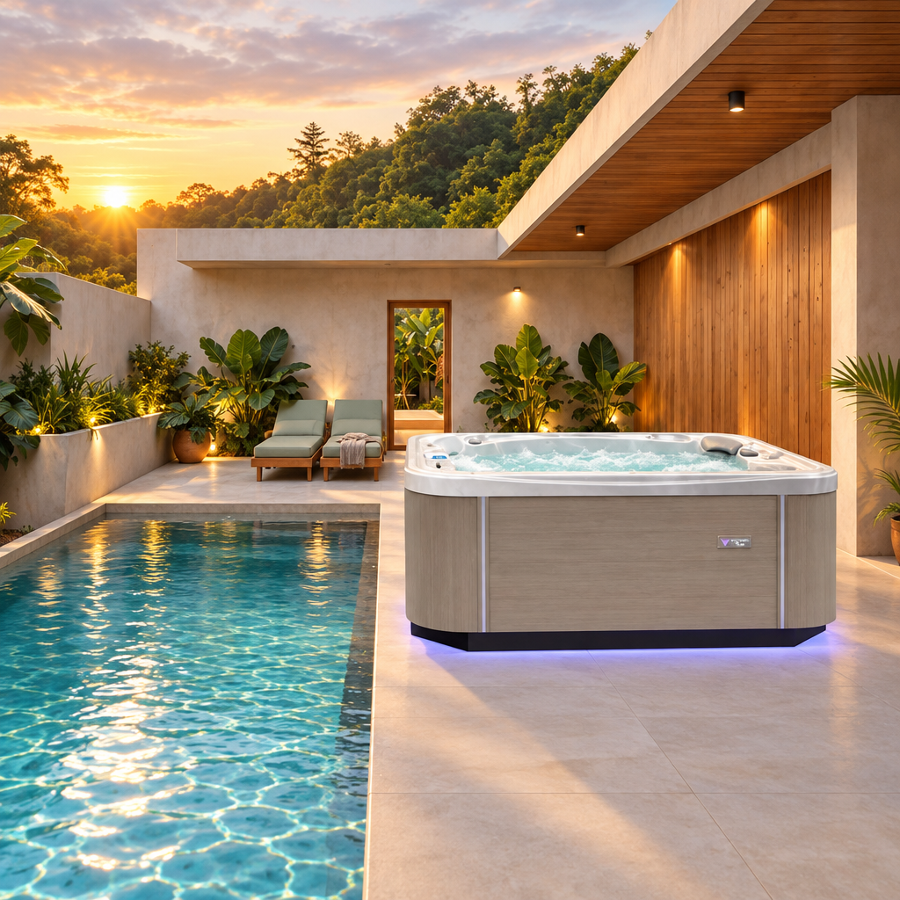
For compact patios, courtyard gardens, and residential terraces, physical dimensions are a primary consideration when planning an installation. At Foshan Gaoming Shiyi Sanitary Ware Technology Co., Ltd., operating under our Victoria Star brand, we manufacture hot tubs and swim spas that integrate hydrotherapy features with contemporary design styling, focusing on quality construction for indoor and outdoor installations.
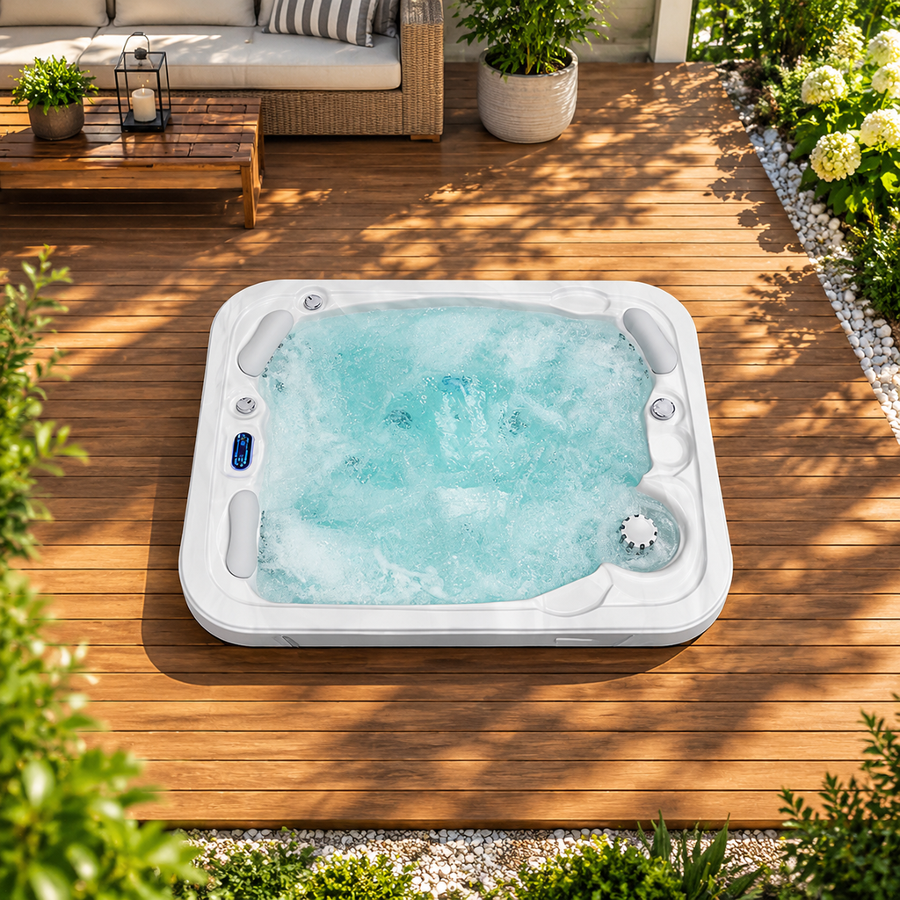
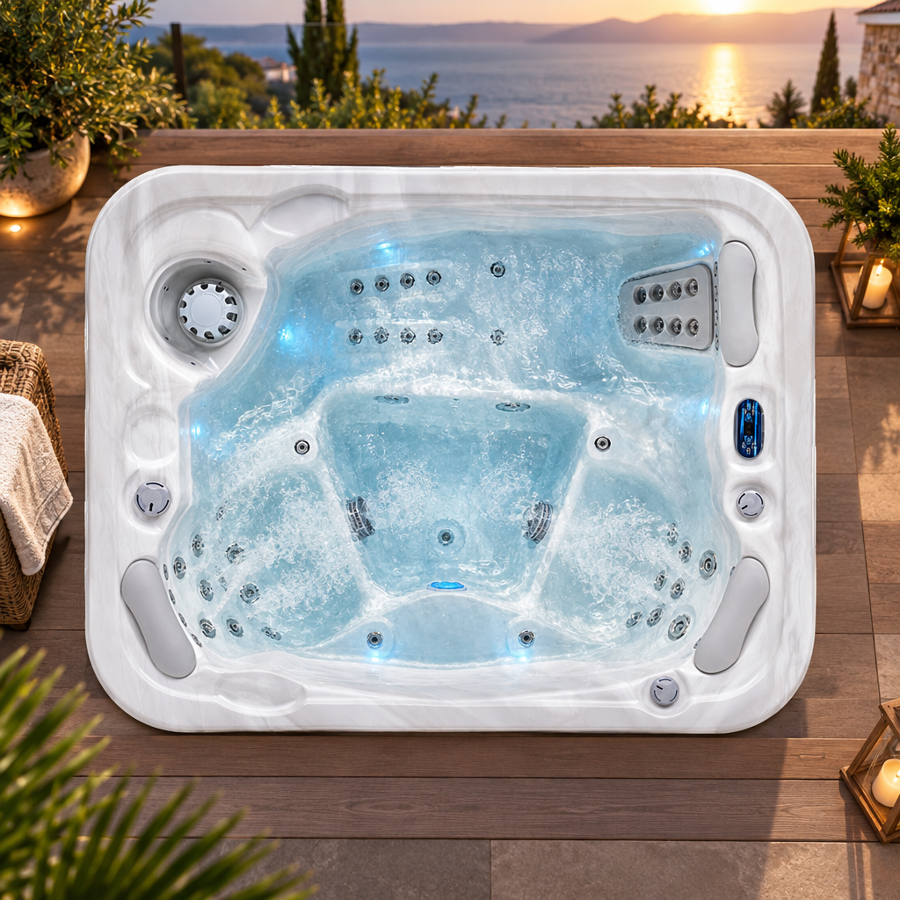
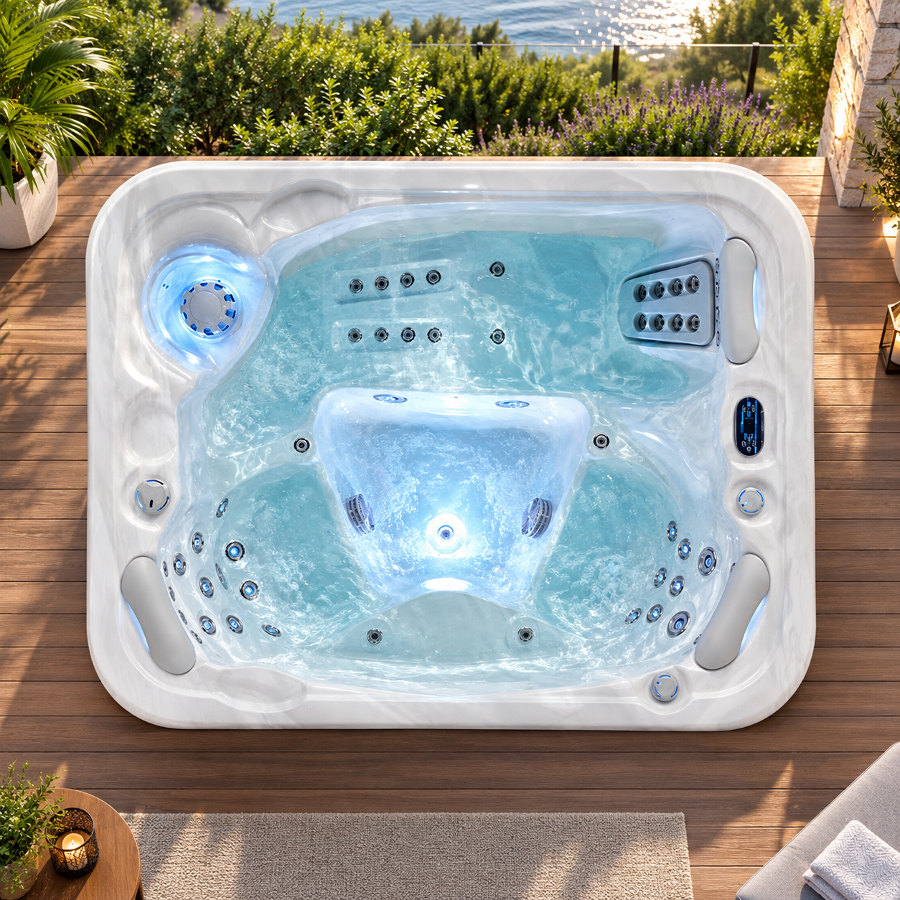
The VS-302L model features external dimensions of 2,130 mm × 1,660 mm × 800 mm (approximately 7′ × 65″ × 32″), providing a three-person seating layout. The interior includes two upright contoured bucket seats alongside a full-body lounger. This design offers a balance of social seating and reclined relaxation within a compact footprint that fits tight outdoor spaces.
Comprehensive Specification Snapshot
The VS-302L is a compact residential spa shell built with dedicated hydrotherapy components and modern digital management systems. The published technical specifications provide a comprehensive overview of its mechanical, hydraulic, and structural elements:
Specification Category
Manufacturer Specification / Metric
Model Designation
Luxury Outdoor Hot Tub (VS-302L)
Dimensions (Metric / Imperial)
2,130 mm × 1,660 mm × 800 mm (7′ × 65″ × 32″)
Seating Capacity
3 Persons (2 Seats + 1 Lounger)
Total Jet Matrix
54 Hydrotherapy Jets
Water Pumps
1 × 3.0 HP + 1 × 2.0 HP
Circulation Pump
1 × 0.35 HP Dedicated Unit
Heater Output
1 × 3.0 KW
Total Power Supply
6.95 KW
Control System
KL2022 with Smart Keypad Control
Audio & Illumination
Bluetooth System with 4 AV Speakers; Built-in Multi-Point LED Lighting
Materials & Finishes
Porcelain Acrylic Shell; Platinum or Midnight Aluminum-Plastic Skirt
Hydraulic Distribution Across the 54-Jet Matrix
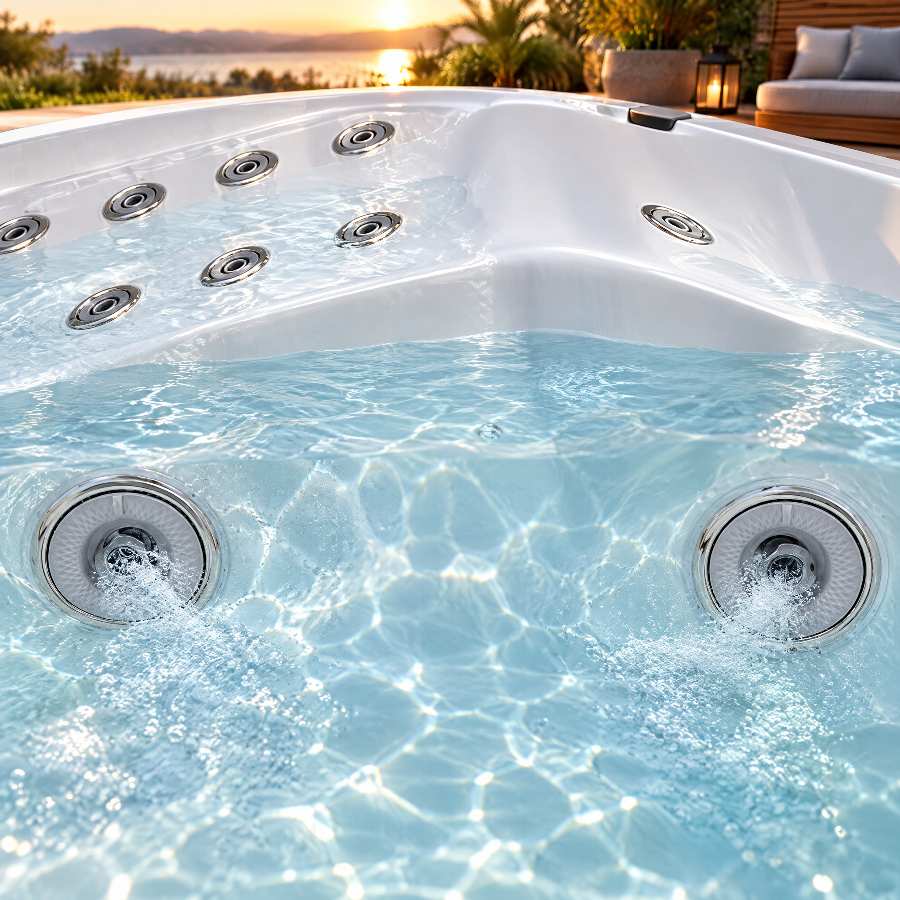
The VS-302L utilizes a multi-pump configuration comprising a 3.0 HP pump and a 2.0 HP pump to supply water to its 54 hydrotherapy jets. This dual-pump layout delivers water volume across the two bucket seats and the full-length lounger. The internal plumbing directs flow to upper back, lumbar, leg, and footwell massage points for comprehensive hydrotherapy coverage.
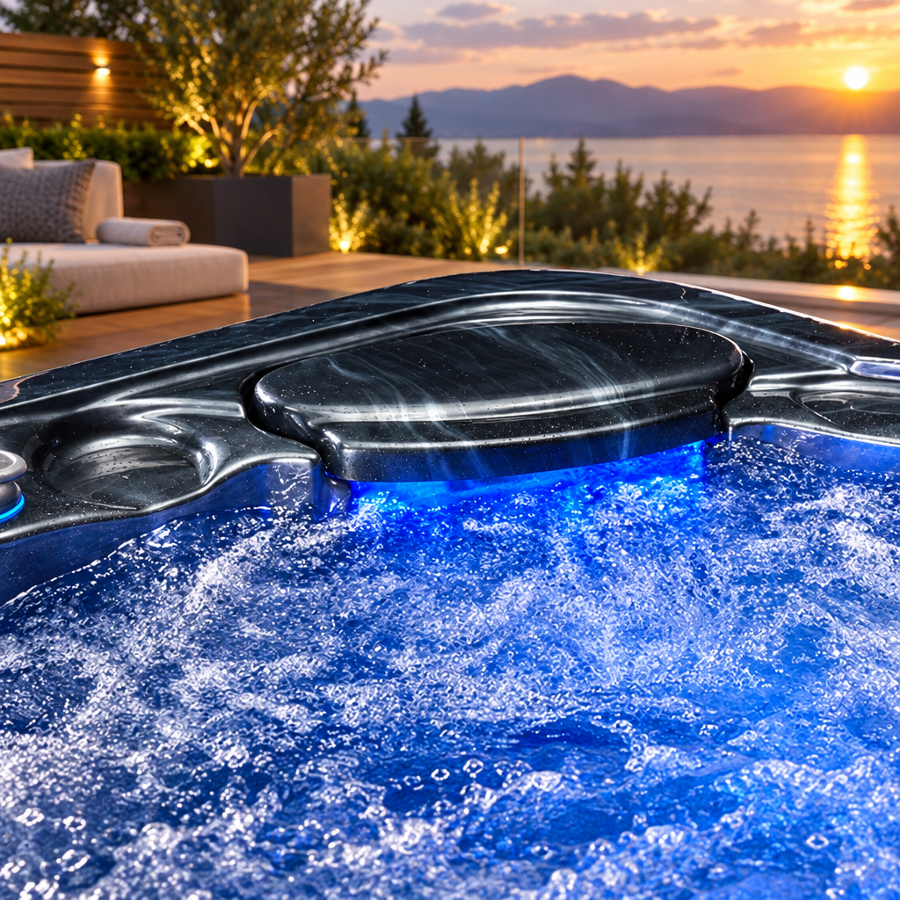
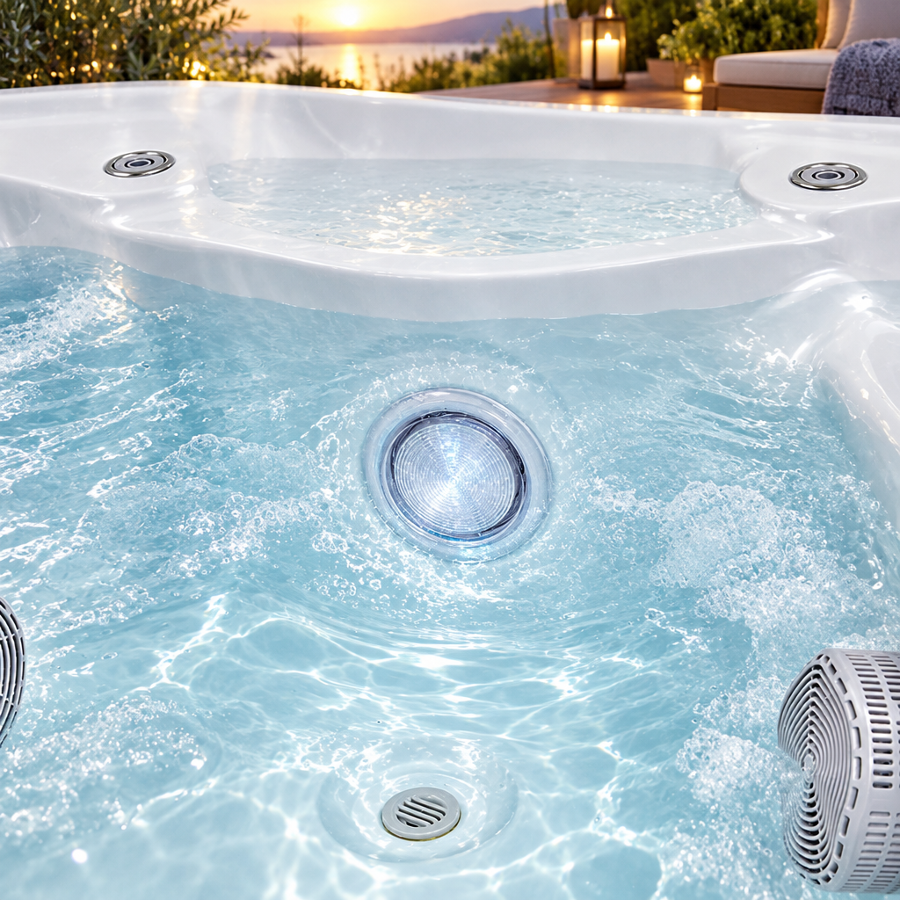
Routine water turnover is managed by an integrated 0.35 HP circulation pump, which routes water through the filtration assembly independently of the primary hydrotherapy pumps. The spa also includes built-in multi-point interior and exterior LED lighting and an aluminum-plastic composite skirt with integrated illumination, ensuring visibility and aesthetic integration in garden environments.
Site Preparation, Structural Loads, and Electrical Engineering
Sub-Base Foundations: Structural Support Options
A filled hot tub exerts substantial downward force on its supporting base throughout its operational lifetime. Placing a spa directly onto bare ground, uncompacted gravel, or unreinforced pavers can cause ground shifting, which may place uneven mechanical stress on the shell. The base must provide a firm, level, and structurally sound surface designed to support the combined weight of the spa, filled water, and all occupants.
Calculate Total Operating Weight: Sum the spa’s dry tare weight, the total water weight (1.0 kg per liter), and the maximum anticipated bather load.
Evaluate Base Capacity: Confirm that the patio slab or engineered foundation can safely support the calculated load per square meter.
Inspect Elevated Decks: If installing on a raised wooden deck or balcony, have a licensed structural engineer verify framing spans, post footings, and structural connections.
Confirm Level Requirements: Check the manufacturer’s installation manual for specific leveling tolerances to prevent uneven waterlines and structural strain.
Electrical Service Supply and Safety Disconnect Protocols
Operating equipment with a 6.95 KW total power supply requires careful electrical service planning before the unit arrives on site. Homeowners must consult a licensed electrician to verify the specific nameplate voltage, full-load current rating, supply wiring size, and required circuit protection based on local electrical regulations and site parameters.
Depending on the jurisdiction and installation site, applicable electrical codes may require ground-fault protection, such as a Class A Ground-Fault Circuit Interrupter (GFCI) or Residual Current Device (RCD), on spa equipment circuits. Model codes often specify an accessible disconnecting means installed within sight of the spa, positioned at least 5 feet (1.5 meters) horizontally from the inside wall of the tub unless separated by a permanent barrier. A licensed electrician must determine the precise circuit protection, switch placement, and wiring configuration required by local building and electrical authorities.
Water Drainage, Service Clearances, and Elevated Placements
Routine maintenance requires draining the spa periodically throughout the year to refresh the water and clean internal surfaces. Discharge water must be directed according to local municipal sanitary sewer, stormwater, and environmental disposal regulations, as well as chemical product label instructions. Discharging treated water onto a lawn or landscape area is permissible only when explicitly allowed by local environmental rules and product guidelines; otherwise, water should be routed to an authorized sanitary drain.
Adequate physical clearance around the spa cabinet is essential for long-term serviceability and technical repairs. Maintaining clear access around the equipment compartment allows service technicians to inspect pumps, heaters, and pipe fittings without moving or lifting the spa. Installations on elevated terraces or rooftops require advance planning for crane hoisting, structural load limits, and drainage provisions to protect underlying living spaces from water intrusion.
Water Chemistry Management, Filtration, and Preventative Upkeep
The Role of Continuous Filtration and Primary Sanitization
Consistent water care is essential for maintaining a clean and safe outdoor spa environment across every season. Cartridge filters trap suspended organic matter, dirt, and fine particles, but mechanical filtration alone cannot eliminate microbiological contaminants. Warm water conditions require proper chemical sanitization to inhibit bacteria such as Legionella and Pseudomonas from establishing biofilms within plumbing lines.
Free Chlorine: Maintain a minimum of 3.0 ppm free chlorine residual according to CDC public health recommendations for hot tubs.
Bromine Sanitizer: Maintain at least 4.0 ppm bromine residual when utilizing a bromine-based sanitization system.
Water pH Level: Balance pH between 7.0 and 7.8 to maintain sanitizer efficiency and prevent skin irritation or equipment scaling.
Total Alkalinity: Regulate alkalinity according to chemical manufacturer guidelines (typically 80 to 120 ppm) to help stabilize water pH.
Health agencies recommend testing disinfectant residual and pH levels at least twice daily, and more frequently during periods of heavy use. Spa owners must always adhere to the chemical supplier’s instructions and local health guidelines regarding safe operating parameters, ensuring bather safety and prolonging mechanical component lifespans.
Water Turnover, Temperature Safety, and Purge Schedules
Safe operation requires monitoring water temperatures closely during every soaking session to prevent physical distress. Public health agencies advise that hot tub water temperatures should never exceed 40°C (104°F). Soaking in excessively hot water can lead to hyperthermia, lightheadedness, and cardiovascular strain. Many bathers set their operating temperature between 37°C and 39°C (98°F to 102°F) for comfortable soaking.
Over time, dissolved minerals, bather residues, and treatment chemicals accumulate in the water, reducing sanitizing efficiency and clouding clarity. A common industry formula for estimating drain-and-refill intervals is:
Flushing the plumbing lines with a specialized pipe cleaner prior to draining helps break down internal residue and organic biofilm. Rinsing pleated filter cartridges regularly and soaking them in an approved filter cleaning solution maintains unrestricted water flow through the circulation system, protecting pumps from unnecessary cavitation and strain.
Key Purchase Verification Checklist
Documentation, Electrical Diagrams, and Warranty Terms
Before finalizing a hot tub purchase, review the manufacturer’s technical documentation and site prep guides thoroughly. Ensure the manual includes clear diagrams detailing internal plumbing paths, electrical connection points, and service panel access. This information enables tradespeople to prepare the installation pad and electrical rough-ins accurately before delivery day arrives.
Review warranty terms in detail to understand coverage across different mechanical, structural, and cosmetic components. Comprehensive warranties generally outline specific coverage periods for structural shell integrity, acrylic surface finishes, plumbing joints, and electronic control packs. Reviewing these terms in advance provides clear expectations regarding component longevity, parts availability, and customer service support.
Delivery Pathway and Crane Access Logistics
Moving an outdoor spa from the delivery vehicle to its installation site requires careful route planning across the property. Measure horizontal clearances along side yards, gate openings, building corners, downspouts, and utility meters. Ensure vertical clearance under roof overhangs and low-hanging tree branches, as spas are often transported on edge using specialized dollies.
If site access is restricted by narrow passages, significant slope changes, or high fences, manual delivery methods may be impractical. In such situations, hiring a professional mobile crane service is often necessary to complete the job safely. A crane can lift the spa over structures and set it directly onto the prepared foundation pad in minutes.
Frequently Asked Questions (FAQs)
What defines the best outdoor jacuzzi for a small patio?
The best outdoor jacuzzi for a compact patio combines an efficient footprint (typically under 2.2 meters in length) with a practical seating configuration. Models featuring two upright seats and a full-length lounger optimize space while accommodating both seated and reclined soaking. Features such as a dedicated circulation pump and a weather-resistant composite cabinet ensure reliable day-to-day operation in limited outdoor areas.
Can an outdoor hot tub like the VS-302L be safely installed on an elevated deck or roof terrace?
Yes, provided the installation is evaluated and approved by a qualified structural engineer. While the dry weight of a compact spa is relatively modest, the combined weight of water and bathers creates a substantial load. A structural engineer will inspect support joists, structural posts, and footing capacities to ensure the deck meets all relevant building codes.
Does having more jets guarantee a better hydrotherapy massage?
No, jet quantity alone does not determine hydrotherapy performance. The sensation of water massage depends on pump flow rate, plumbing manifold design, and nozzle configurations. A spa’s hydrotherapy effectiveness is determined by how well the pumping system matches the plumbing and jet layout, rather than by counting total nozzles.
What electrical supply is needed for a spa with a 6.95 kW total load?
An installation with a 6.95 kW total power supply requires an electrical evaluation and connection by a licensed electrician. The electrician will determine the correct supply voltage, wire sizing, and overcurrent protection based on the equipment nameplate and local electrical codes. The installation may require dedicated ground-fault circuit protection (such as a GFCI or RCD) and an approved exterior service disconnect switch.
How often must outdoor hot tub water be sanitized and tested?
Public health agencies, including the CDC, recommend testing hot tub water disinfectant residual and pH at least twice per day, and more often during periods of heavy bather use. Maintaining at least 3.0 ppm free chlorine (or at least 4.0 ppm bromine) and keeping pH between 7.0 and 7.8 helps maintain water hygiene and prevents damage to internal equipment.
Conclusion and Strategic Buying Advice
Selecting the best outdoor jacuzzi tub requires looking past aesthetic features to evaluate core engineering, plumbing design, and structural requirements. Assessing shell materials, pump configurations, dedicated circulation systems, and necessary electrical infrastructure ensures a dependable, long-term installation. Models like the Victoria Star VS-302L illustrate how a compact three-person spa can integrate dual booster pumps, a dedicated circulation loop, and ergonomic seating into a well-proportioned footprint. By preparing a level foundation designed to support the filled spa and occupants, hiring a licensed professional for electrical connections, and maintaining disciplined water chemistry, homeowners can enjoy a reliable and relaxing outdoor hot tub for years to come.
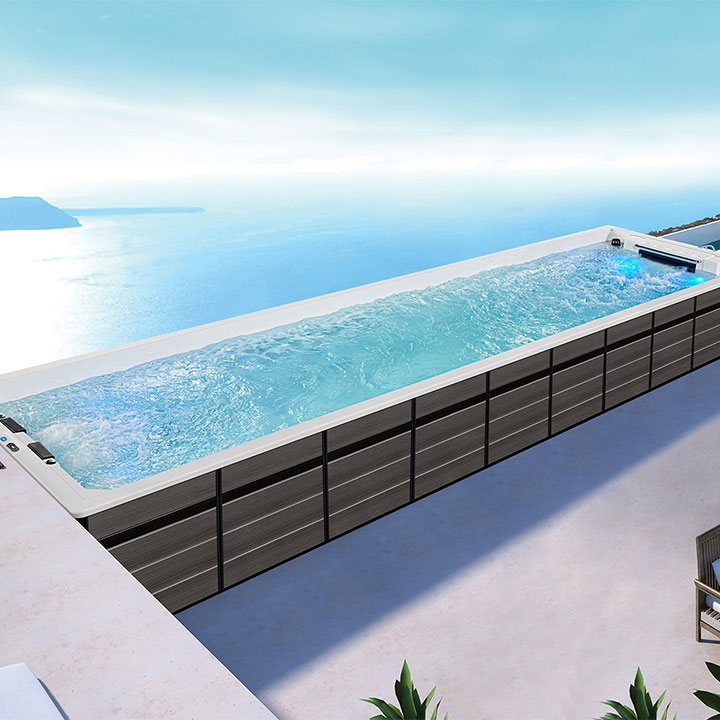
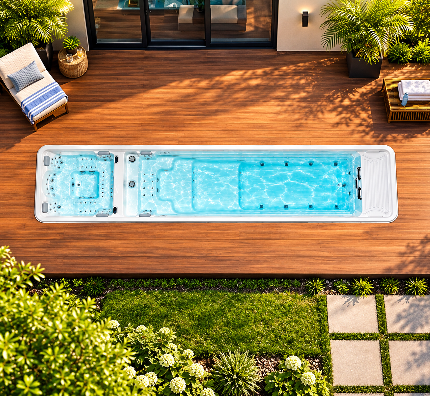
Victoria Star Swim Spa offers the perfect balance between exercise and relaxation, whether you want to swim for fitness or relax in the spacious seating.
Victoria Star Swim Spa offers the perfect balance between exercise and relaxation, whether you want to swim for fitness or relax in the spacious seating.