Building a DIY Cold Plunge Chest Freezer: What to Know Before You Start
Home / News / Building a DIY Cold Plunge Chest Freezer: What to Know Before You Start
October 01, 2026
Cold plunge therapy has moved from athlete-only recovery rooms into ordinary backyards, and the diy cold plunge chest freezer is usually where that journey begins. Converting a chest freezer feels like the cheapest entry point into cold water immersion, and for many people it works. But the gap between a weekend project and a tub you actually use every day is wider than most tutorials admit.
This guide walks through why chest freezers get chosen in the first place, where the build tends to break down, and what a purpose-built alternative like the Outdoor Cold Plunge Tub C02 offers once the novelty of a garage project wears off.
Why People Start With a Chest Freezer
A standard chest freezer already does two things a cold plunge needs: it holds water and it gets cold. That overlap is why so many recovery-focused DIYers reach for one instead of buying dedicated equipment.
The appeal usually comes down to a few practical reasons:
Low upfront cost compared to manufactured tubs or spas.
Familiar mechanics — a compressor and thermostat most people already understand.
Immediate availability, since used freezers are easy to find secondhand.
None of that is wrong. It’s a reasonable starting point for someone testing whether cold immersion fits their routine before committing more money.
The Build Process, Realistically
A typical diy cold plunge chest freezer conversion follows a repeatable sequence, and skipping steps is where most problems start.
Source a chest freezer with enough interior depth to sit or crouch in.
Line the interior with a food-safe or pond liner to prevent rust contact with skin.
Add a bypass on the thermostat so the compressor doesn’t shut off once ice starts forming near the coils.
Install a way to filter or sanitize standing water, since freezers have no circulation system built in.
Build or buy an insulated lid, since the original lid usually doesn’t seal against a liner.
Each of these steps solves a problem the freezer wasn’t designed for. That’s the part tutorials tend to gloss over — you’re not adapting an appliance, you’re rebuilding its core function.
Where the Conversion Runs Into Trouble
Chest freezers are engineered to freeze food, not to regulate liquid water at a stable therapeutic temperature. That mismatch shows up in a few predictable ways.
Water sitting still in a converted freezer has no filtration or circulation, so bacteria and biofilm accumulate faster than in a system built with a pump. Manual draining, scrubbing, and re-treating the water becomes a weekly chore rather than an occasional one.
Temperature control is another sticking point. A bypassed thermostat can swing between too cold and not cold enough, because the compressor was never calibrated for water in the first place. Ice can form directly against the liner near the coils while the water a few inches away stays lukewarm.
There’s also the matter of what the freezer wasn’t built to survive. Continuous water exposure, moisture at the compressor, and UV exposure if it sits outside all shorten the appliance’s working life well below what it was designed for.
Why Cold Immersion Is Worth the Effort in the First Place
It’s worth stepping back to why people want a cold plunge at all, since that’s the actual goal — the freezer is just one route to get there.
Cold water immersion causes blood vessels to constrict, which is the mechanism behind reduced inflammation and eased muscle soreness after training. As the body rewarms afterward, vessels dilate again, and that constrict-dilate cycle is what supports improved circulation and oxygen delivery to tissue over repeated sessions.
There’s a mental health angle too. Cold exposure triggers a release of endorphins, which is why many people report a calmer, clearer state of mind after a plunge rather than just physical relief. None of this requires extreme temperatures — consistency in exposure matters more than how cold the water gets.
What a Purpose-Built Tub Solves That a Freezer Can’t
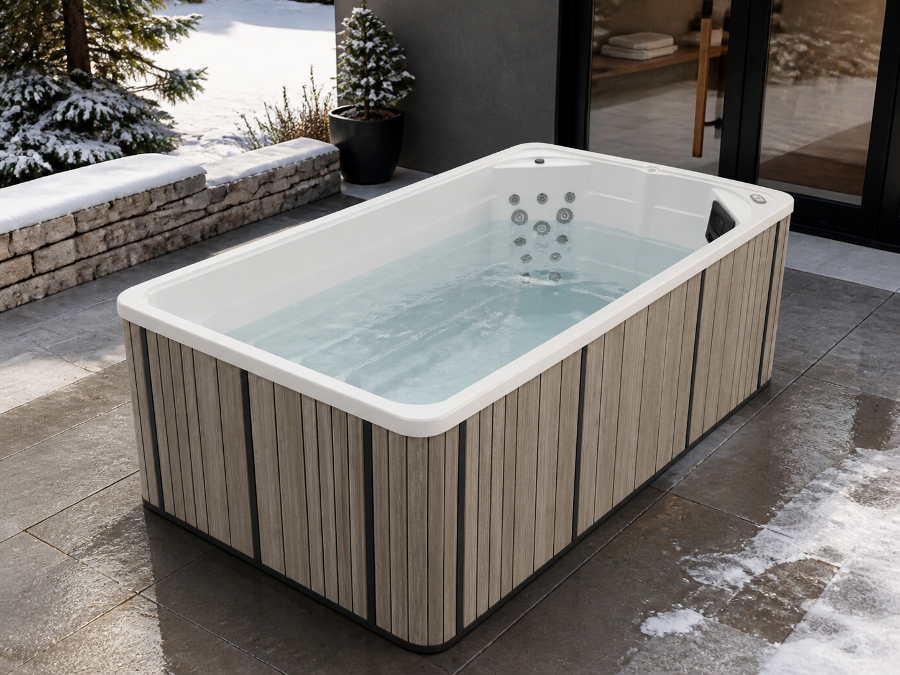
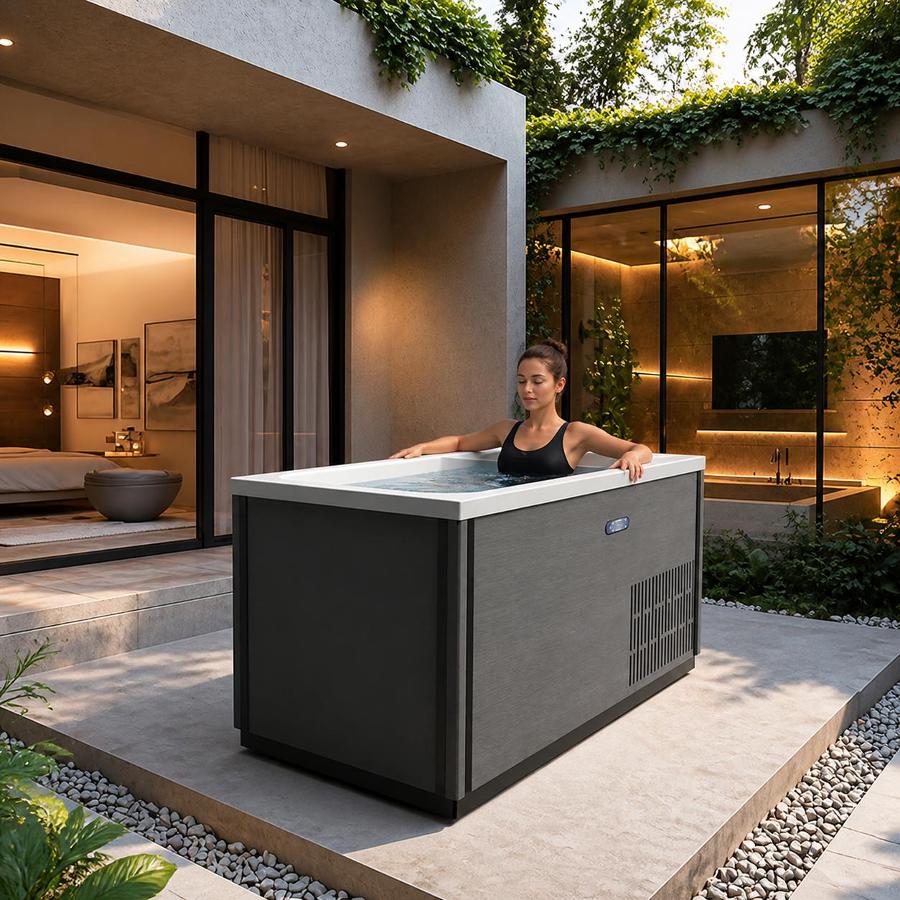
This is where a manufactured option like the Outdoor Cold Plunge Tub C02 changes the equation. It isn’t solving a different problem than the DIY build — it’s solving the same one with equipment actually designed for it.
The C02 uses an integrated 900W heat pump paired with a 54W brushless pump, so temperature regulation and water circulation happen automatically instead of through a hacked thermostat. That circulation is also what keeps water fresher between uses, cutting down the manual maintenance a static freezer setup demands.
The shell is a high-grade porcelain acrylic, chosen specifically to hold up against constant water contact — something a freezer’s metal interior was never asked to do. An ergonomic seating step inside makes extended sessions more comfortable than crouching in a repurposed appliance, and the weather-resistant exterior cabinet is built to sit outdoors long-term, in either Platinum or Midnight finishes.
Comparing the Two Approaches
Factor
DIY Chest Freezer
Outdoor Cold Plunge Tub C02
Temperature control
Manual thermostat bypass, inconsistent
900W heat pump, automated regulation
Water circulation
None, water sits static
54W brushless pump keeps water moving
Interior material
Painted metal with added liner
Porcelain acrylic shell
Maintenance routine
Manual draining and cleaning
Circulation reduces manual upkeep
Seating comfort
Crouching, no built-in step
Integrated ergonomic entry step
Outdoor durability
Not weatherproofed by design
Weather-resistant cabinet exterior
Water capacity
Varies by freezer model
320 L
The comparison isn’t about one option being universally better. It’s about matching the tool to how often and how seriously you plan to use it.
How to Decide Which Route Fits Your Situation
The right choice depends less on budget alone and more on how the tub fits into daily life.
If you’re testing the habit, a converted freezer answers the question of whether cold plunging suits you, without a large commitment.
If you already plunge several times a week, the maintenance burden and inconsistent temperature of a DIY unit start costing more time than they saved in money.
If the tub lives outdoors year-round, weather resistance and a sealed circulation system stop being conveniences and become necessities.
If space is shared with family or clients, an ergonomic seating design and consistent water quality matter more than they do for a solo garage project.
Where the C02 Fits in Practice
The tub’s 320-liter capacity and 1695 x 830 x 850 mm footprint suit a range of settings beyond a single backyard. Its application scenarios include private patios and courtyards, professional athletic recovery centers, and commercial wellness studios or boutique spas, according to the product’s design specifications.
For a home user, that means the same equipment used in training facilities is available at residential scale, with an insulated cover included to help retain temperature between sessions and reduce debris exposure when the tub sits outside.
Frequently Asked Questions
Is a diy cold plunge chest freezer safe to use long-term? It can work for a while, but standing water without circulation or filtration raises hygiene concerns over repeated use, and the appliance itself isn’t designed for constant water exposure.
How cold does water need to be for recovery benefits? Benefits come from the constrict-dilate response of blood vessels during and after cold exposure; extreme temperatures aren’t required, and consistency matters more than hitting a specific number.
Can a chest freezer conversion match a heat pump system for temperature stability? Not reliably. A bypassed freezer thermostat wasn’t calibrated for water, while a dedicated heat pump system, like the 900W unit in the C02, is built specifically for that regulation.
Does a purpose-built tub need less maintenance than a converted freezer? Circulation from an integrated pump helps keep water fresher between uses, which generally reduces how often manual draining and cleaning are needed compared to static water in a freezer.
Final Thoughts on Choosing Your Setup
A diy cold plunge chest freezer is a reasonable way to find out if cold immersion belongs in your routine, and plenty of people start exactly there. But the appliance was never built for the job it’s being asked to do, and that mismatch tends to surface as inconsistent temperatures and constant upkeep. For anyone ready to move past the testing phase, a purpose-built option like the Outdoor Cold Plunge Tub C02 addresses the same recovery goals with a heat pump, circulation pump, and durable shell designed around water immersion from the start — turning a garage experiment into something you can actually rely on daily.
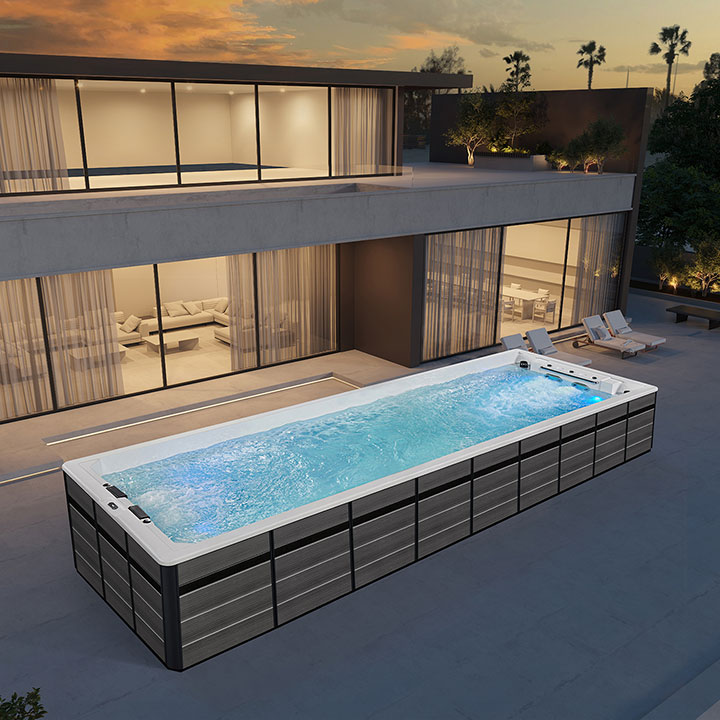
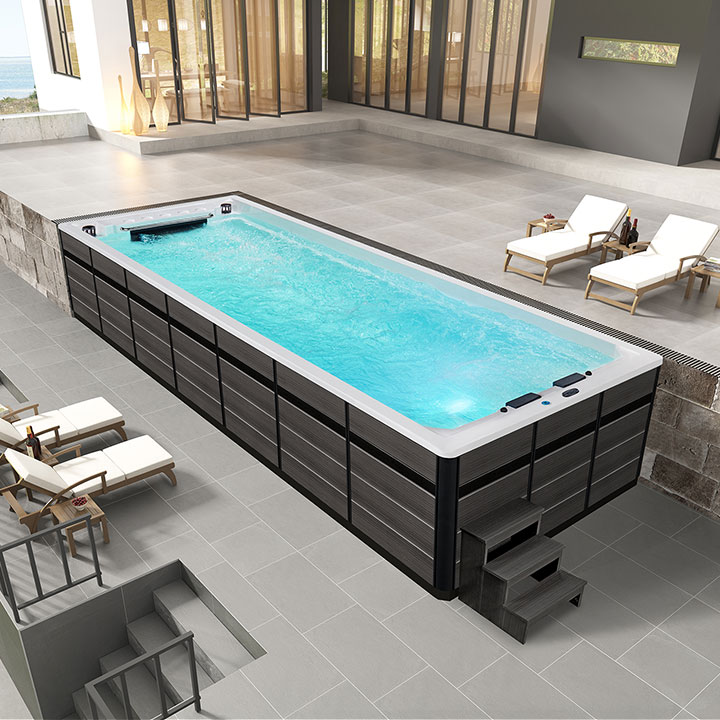
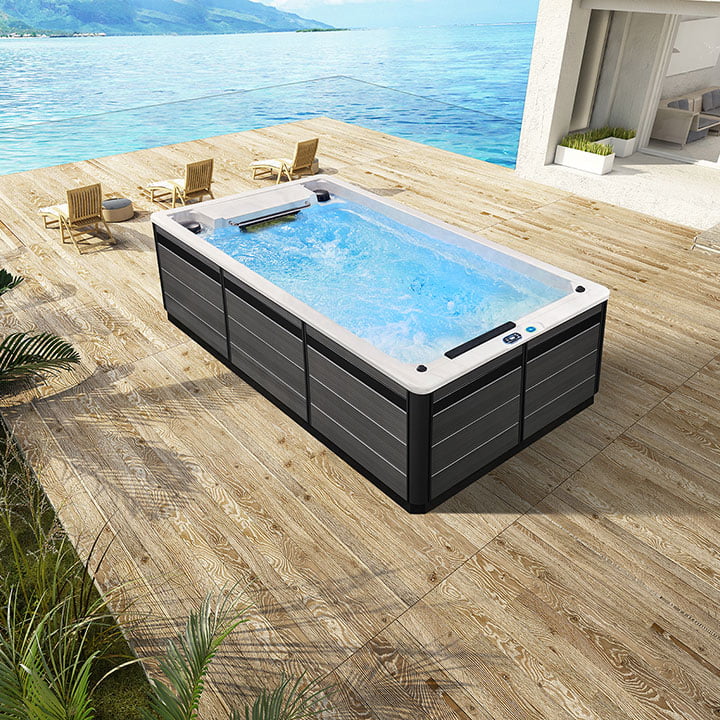
Victoria Star Swim Spa offers the perfect balance between exercise and relaxation, whether you want to swim for fitness or relax in the spacious seating.
Victoria Star Swim Spa offers the perfect balance between exercise and relaxation, whether you want to swim for fitness or relax in the spacious seating.