Building a Cold Plunge Protocol That Actually Works for Recovery
Home / News / Building a Cold Plunge Protocol That Actually Works for Recovery
September 27, 2026
Anyone who has stood at the edge of an ice bath knows the hesitation. The water looks still, almost harmless, until the first step in changes that impression completely. A cold plunge protocol is simply the structured plan behind that moment: how cold, how long, how often, and why it matters for recovery. Without a plan, cold exposure becomes guesswork, and guesswork rarely produces the results people are chasing.
Why a Structured Approach Beats Random Cold Exposure
Jumping into cold water without a plan is a bit like lifting weights without tracking sets. You might feel something happened, but you cannot repeat it reliably. A protocol gives cold exposure a shape: consistent temperature, consistent duration, consistent frequency.
This matters because the body adapts to patterns, not one-off shocks. Athletes recovering from heavy training sessions need repeatable cold exposure to manage inflammation over weeks, not a single dramatic dip. Consistency is what turns a novelty into a recovery tool.
A basic protocol structure typically includes:
Temperature range — usually between 50°F and 59°F (10°C to 15°C) for general recovery use
Duration — often 2 to 10 minutes depending on tolerance and goals
Frequency — anywhere from daily sessions to a few times per week
Timing — post-workout, morning, or evening, depending on the intended effect
Getting these variables right depends heavily on the equipment doing the cooling. Inconsistent temperature control undermines even the best-intentioned routine.
What Happens to the Body During Cold Immersion
Cold water immersion triggers vasoconstriction, a narrowing of blood vessels near the skin’s surface. This is the body’s natural response to cold stress, redirecting blood flow toward the core to preserve heat. When the body rewarms afterward, vessels dilate again, creating a pumping action that many people associate with improved circulation.
This constriction-dilation cycle is also linked to reduced localized inflammation after intense exercise. Athletes have used cold water for decades, long before the term "cold plunge protocol" became common, precisely because sore, swollen muscles respond well to this pattern.
There is also a mental component worth mentioning. Cold exposure tends to stimulate the release of endorphins, the body’s natural mood-lifting chemicals. Many users describe a noticeable mental clarity after a session, even if the physical soreness takes longer to fade. It is less about euphoria and more about a reset, the kind of clarity that comes after a long run in cold air.
Designing a Protocol Around Real Recovery Goals
Not every user needs the same protocol. A marathon runner managing joint inflammation has different needs than someone using cold exposure purely for stress relief. Before settling on a routine, it helps to identify the primary goal.
Define the purpose — muscle recovery, stress reduction, or general wellness
Set a baseline temperature — start closer to 59°F if new to cold immersion
Limit initial duration — 2 to 3 minutes is a reasonable starting point
Increase gradually — extend time or lower temperature only after consistent comfort
Track subjective response — soreness, sleep quality, and mood are useful markers
Rushing this process is one of the more common mistakes. Dropping straight into near-freezing water for ten minutes without preparation does not accelerate results; it usually just discourages people from continuing.
The Role of Equipment in Making the Protocol Sustainable
A protocol only works if it can be repeated without friction. This is where the physical tub itself becomes part of the equation, not just an afterthought. Temperature drift, slow recovery between sessions, or a tub too small to sit comfortably in can quietly derail an otherwise solid plan.
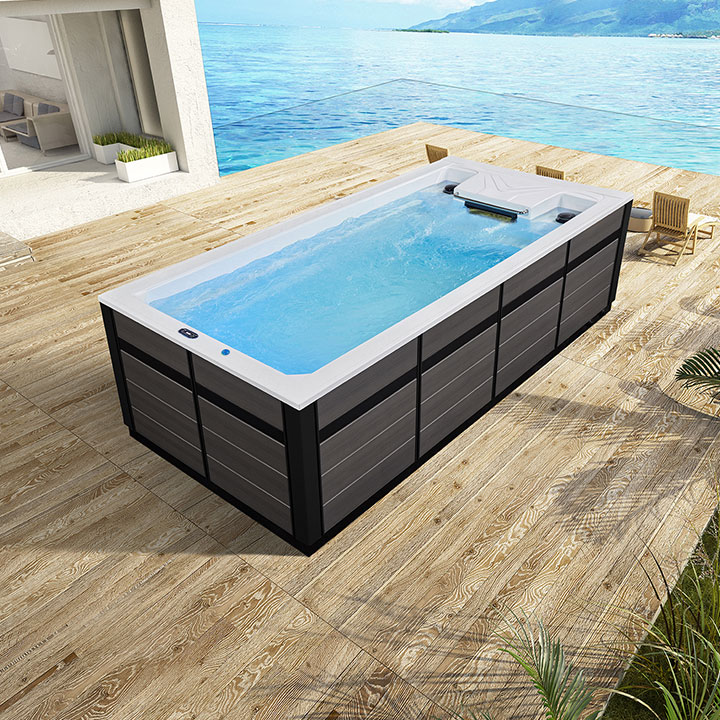
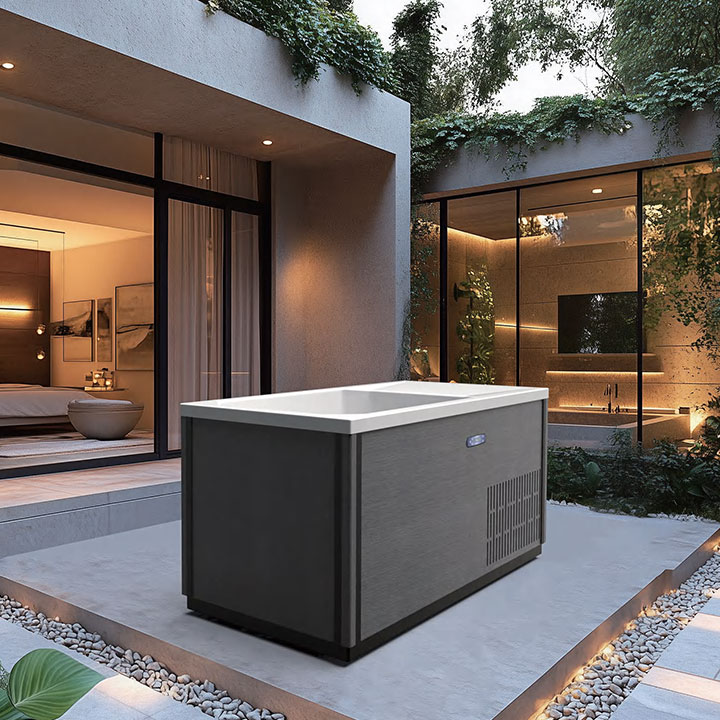
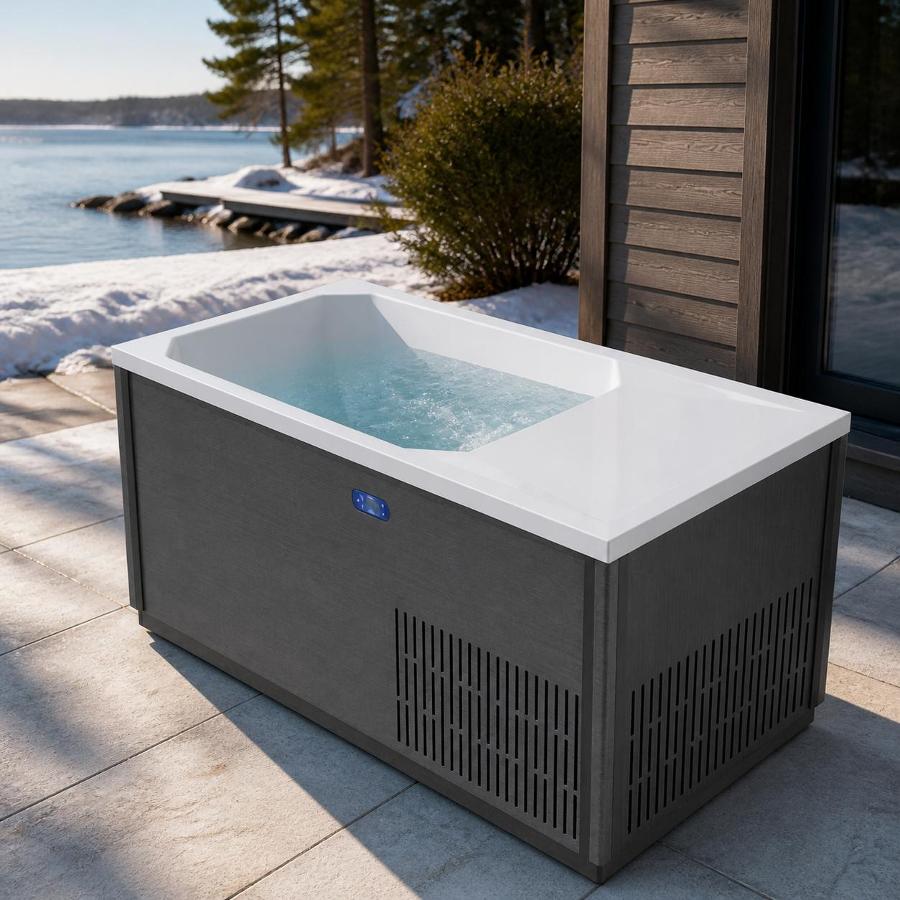
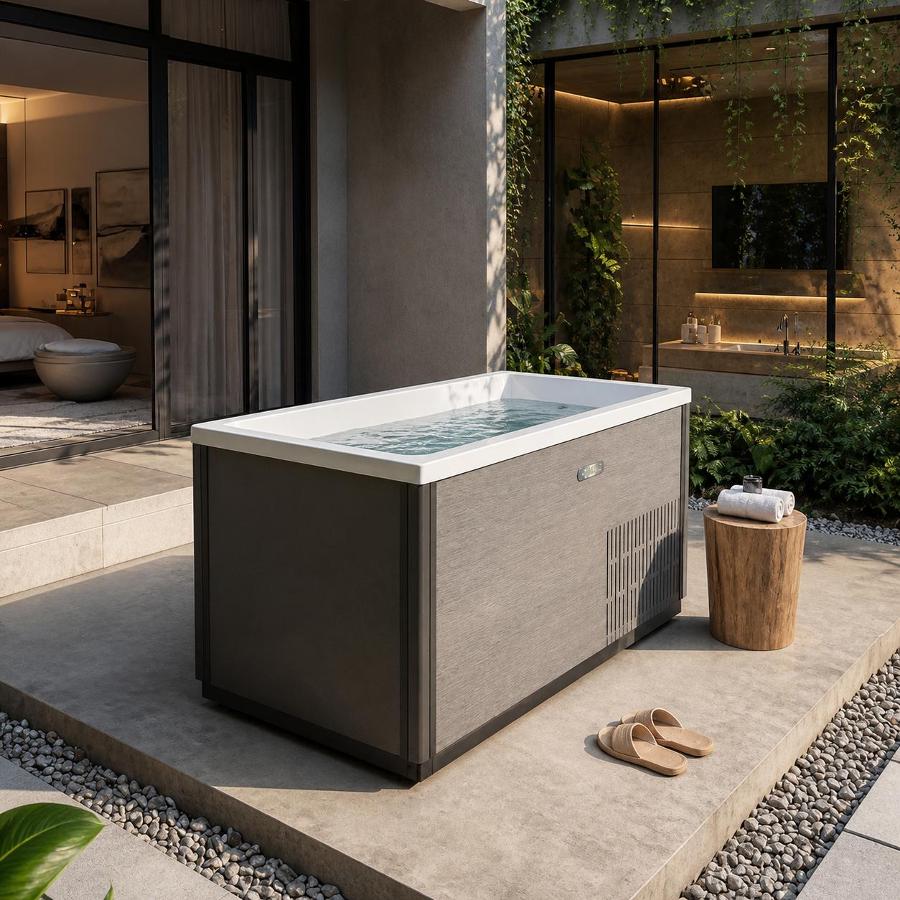
The Outdoor Cold Plunge Tub C02 illustrates how equipment design supports protocol consistency. According to its product specifications, it uses a 900W heat pump system paired with a 54W brushless pump to regulate temperature, which matters for anyone running a multi-week recovery schedule rather than a single session.
Its 320-liter capacity and ergonomic interior step are described as accommodating full-body immersion comfortably, which reduces the awkward positioning that sometimes discourages longer or more frequent sessions. A cold plunge protocol that requires constant adjustment or discomfort tends to get abandoned within weeks.
Comparing Protocol Variables at a Glance
Variable
Conservative Approach
Advanced Approach
Temperature
57°F–59°F (14°C–15°C)
50°F–54°F (10°C–12°C)
Duration
2–4 minutes
6–10 minutes
Frequency
2–3 times per week
Daily or near-daily
Best suited for
Beginners, general wellness
Athletes, structured training cycles
This table is a starting reference, not a rigid rule. Individual tolerance, health status, and goals should always guide the final numbers. Someone managing a chronic joint issue, for instance, may need a gentler entry point regardless of athletic background.
Where a Cold Plunge Tub Fits Into Daily or Facility Use
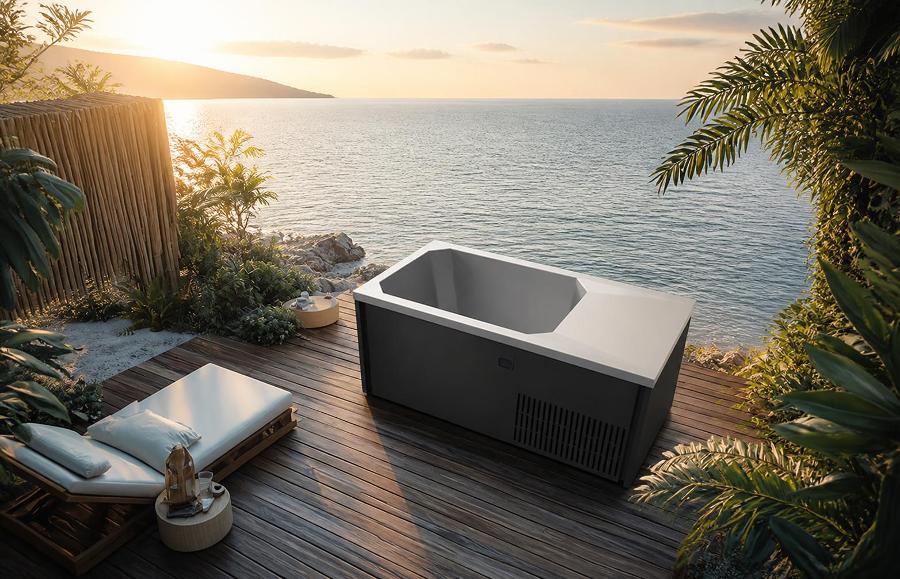
Home users and commercial facilities approach cold plunge protocols differently, mainly because the surrounding routine differs. At home, the tub often sits on a patio or deck, used a few mornings a week as part of a personal wellness habit.
In athletic training facilities, the same equipment might see daily rotation among multiple users, which raises different priorities. Recovery time between sessions, exterior durability, and consistent temperature holding all become more important under that kind of use. According to the manufacturer’s specifications, the C02’s cabinet is built with weather-resistant composite panels and vented grilles, details relevant for units left outdoors year-round in shared training environments.
Boutique spas and wellness centers represent a middle ground, often blending scheduled sessions with a calmer, more curated atmosphere. In these settings, the tub itself becomes part of the ambiance, not just functional equipment tucked in a back room.
Common Questions About Cold Plunge Protocols
How cold does the water actually need to be? Most general recovery protocols fall between 50°F and 59°F. Colder is not automatically better; extremely low temperatures increase risk without necessarily improving outcomes for casual users.
Can a cold plunge protocol replace other recovery methods? It works best as one part of a broader recovery routine, alongside adequate sleep, hydration, and mobility work, rather than a standalone solution.
Is daily cold plunging necessary to see benefits? Not for most people. Two to three sessions per week is a reasonable starting frequency, with adjustments based on how the body responds over time.
Does tub size affect protocol quality? It can. A cramped tub limits posture options, which may shorten how long someone comfortably stays immersed. The C02’s 320-liter interior with an integrated step is designed to allow more natural seated positioning.
Do heat pump systems matter for a home cold plunge setup? Yes, particularly for consistency. A dedicated heat pump control system, like the 900W unit built into the C02, helps maintain a stable target temperature between sessions rather than relying solely on ambient cooling.
Building a Routine That Lasts Beyond the First Week
The biggest failure point in most cold plunge protocols is not the cold itself, it is abandoning the routine before the body adapts. Early sessions often feel uncomfortable, and that discomfort fades only with repeated, gradual exposure over several weeks.
Setting realistic expectations from the start helps. A cold plunge protocol is not about tolerating pain for its own sake; it is a structured recovery tool that rewards patience and consistency over intensity.
For those building a personal setup, choosing equipment that supports repeatable use, reliable temperature control, comfortable seating, and durable outdoor construction matters just as much as the protocol numbers themselves. Products like the Outdoor Cold Plunge Tub C02, built for us at Victoria Star, are designed with that day-to-day repeatability in mind, since a cold plunge protocol only delivers results when it is actually followed through, week after week.
Victoria Star Swim Spa offers the perfect balance between exercise and relaxation, whether you want to swim for fitness or relax in the spacious seating.
Victoria Star Swim Spa offers the perfect balance between exercise and relaxation, whether you want to swim for fitness or relax in the spacious seating.